TOKYO, Japan – Konami Digital Entertainment, a global leader in entertainment content, has announced a significant free update for its recently launched Super Bomberman Collection. On August 20, players across PlayStation 5, Xbox Series X|S, Nintendo Switch, and PC via Steam will gain access to Super Bomberman: Panic Bomber W, a beloved competitive puzzle game that adds a fresh, strategic dimension to the classic action-packed lineup. This expansion underscores Konami’s commitment to revitalizing and preserving the iconic Bomberman franchise, offering both long-time fans and new players an enriched experience.
The Super Bomberman Collection, which currently boasts a robust catalog including Super Bomberman, Super Bomberman 2, Super Bomberman 3, Super Bomberman 4, Super Bomberman 5, Bomberman, and Bomberman II, is set to grow its diverse offerings. The addition of Panic Bomber W introduces a distinct gameplay style that moves beyond the traditional maze-blasting combat, focusing instead on rapid-fire puzzle mechanics, strategic chain reactions, and direct player-versus-player engagement. This strategic move by Konami not only broadens the collection’s appeal but also reinforces the enduring legacy and versatility of the Bomberman universe. The announcement was accompanied by a new trailer, providing a glimpse into the frenetic puzzle action awaiting players.
Main Facts: A New Dimension to the Bomberman Legacy
Konami Digital Entertainment is poised to enhance its Super Bomberman Collection with the introduction of Super Bomberman: Panic Bomber W, available as a complimentary update on August 20. This strategic addition marks a significant expansion of the collection, bringing a competitive puzzle game to a compilation previously dominated by the franchise’s traditional action-maze gameplay. The update will be rolled out simultaneously across all supported platforms, including PlayStation 5, Xbox Series X|S, Nintendo Switch, and PC via Steam, ensuring a wide accessibility for the player base.
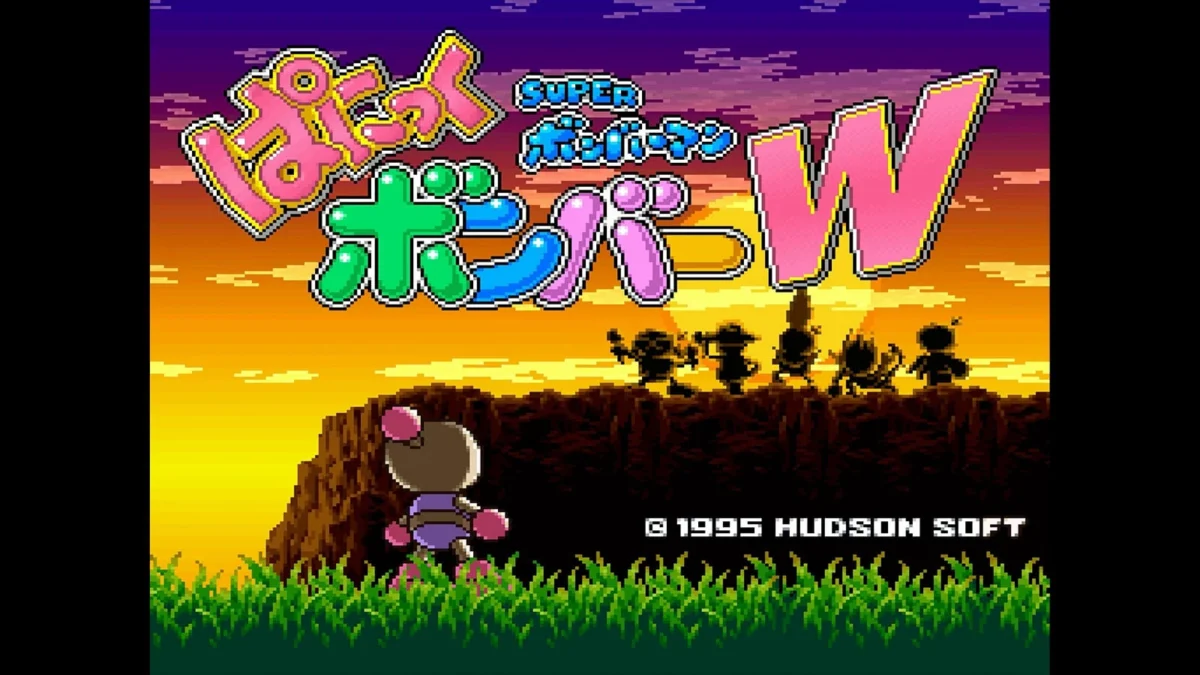
Super Bomberman: Panic Bomber W is officially described as "A competitive puzzle game for one-to-four players. Attack your opponents with spectacular chain reactions and Big Bombs, which appear when your meter is filled!" This description immediately highlights the game’s core mechanics: a blend of strategic planning, quick reflexes, and direct interaction designed to overwhelm opponents. Unlike the classic Bomberman titles where players navigate grids, plant bombs, and evade explosions, Panic Bomber W shifts the focus to falling block puzzles, where skillful arrangement and timely detonation lead to devastating attacks on rival players.
The Super Bomberman Collection was already a formidable compilation, offering a deep dive into the franchise’s rich history. Its current lineup includes the seminal Super Bomberman titles (1 through 5) from the Super Nintendo Entertainment System (SNES) era, which defined multiplayer action for a generation, alongside the foundational Bomberman and Bomberman II from the Nintendo Entertainment System (NES). The inclusion of Panic Bomber W not only diversifies the gameplay offerings but also serves as a testament to the breadth of the Bomberman intellectual property, which has historically ventured into various genres beyond its explosive core. This update is a clear signal that Konami is not merely preserving past titles but actively enriching the player experience by expanding the horizons of its retro collections.
Chronology: Tracing the Bomberman Path to Panic Bomber W
The Bomberman franchise boasts a storied history, originating with Hudson Soft in 1983. Initially conceived as a maze-runner for home computers, the series quickly evolved, finding its true calling on console platforms. The original Bomberman on the Famicom/NES in 1985 laid the groundwork for its signature gameplay: a solitary figure navigating a grid, strategically placing bombs to clear obstacles and defeat enemies. This simple yet addictive formula captivated players worldwide.
The Rise of Super Bomberman
The series truly hit its stride with the advent of the Super Nintendo Entertainment System. Super Bomberman, released in 1993, ushered in a golden age for the franchise, primarily due to its revolutionary four-player competitive multiplayer mode. This innovation transformed Bomberman from a single-player curiosity into a social gaming phenomenon, a staple of living room gatherings and competitive sessions. The subsequent SNES entries—Super Bomberman 2, 3, 4, and 5—refined this formula, introducing new characters, power-ups, game modes, and increasingly intricate arenas. Each iteration built upon the last, cementing the franchise’s reputation as a king of party games and a masterclass in accessible, yet deep, competitive design. These five titles form the core of the Super Bomberman Collection, representing the pinnacle of the traditional Bomberman experience.
The NES Roots: Bomberman and Bomberman II
Before the SNES era, the collection also pays homage to the franchise’s earlier console days with Bomberman (1985) and Bomberman II (1991) from the NES. These titles offer a glimpse into the foundational mechanics and aesthetic that would eventually define the series. Bomberman II, in particular, introduced a rudimentary two-player mode and character customization, hinting at the multiplayer focus that would become synonymous with the franchise. Including these titles in the collection provides crucial historical context, allowing players to appreciate the evolutionary journey of the white bomber hero.
The Puzzle Divergence: Origins of Panic Bomber W
While the mainline Bomberman games focused on action, Hudson Soft, known for its diverse portfolio, also experimented with spin-offs. This experimentation led to the creation of the Panic Bomber sub-series. The original Panic Bomber first appeared in arcades in 1994, quickly followed by releases on various home consoles, including the PC Engine CD and the Super Famicom (the Japanese equivalent of the SNES). Super Bomberman: Panic Bomber W, the specific title joining the collection, is generally understood to be the Super Famicom version of Panic Bomber, leveraging the "Super Bomberman" branding to connect it to the successful SNES series.
Panic Bomber W took the core Bomberman motif—bombs, explosions, and strategic placement—and ingeniously transplanted it into the competitive puzzle genre. Instead of directly controlling Bomberman in a maze, players manipulate falling colored bombs and blocks. The goal is to align three or more bombs of the same color to detonate them, clearing space and, crucially, sending "garbage blocks" or "Big Bombs" to their opponents’ screens. This distinct departure demonstrated the franchise’s adaptability and Hudson Soft’s willingness to innovate beyond its established formula, proving that the Bomberman concept could thrive in different gameplay environments.
Konami’s Acquisition and the Modern Era
The landscape of Bomberman changed significantly in 2012 when Konami absorbed Hudson Soft, acquiring the rights to its entire catalog, including Bomberman. For a period, the franchise’s future seemed uncertain, but Konami eventually revived it with titles like Super Bomberman R (2017) and its sequel Super Bomberman R 2 (2023). These modern entries aimed to blend the classic Bomberman multiplayer action with contemporary graphics and online capabilities.
The release of the Super Bomberman Collection represents Konami’s renewed dedication to preserving and celebrating the historical roots of the franchise. Rather than merely porting individual games, the collection curates a definitive historical experience. The decision to add Panic Bomber W as a free update further illustrates a strategy of ongoing support, enriching the collection over time and showcasing the breadth of the Bomberman universe, including its cherished spin-offs. This chronological journey from a simple maze game to a multi-genre phenomenon underscores the enduring appeal and innovative spirit of Bomberman, now meticulously curated by Konami for a new generation.
Supporting Data: Deep Dive into Panic Bomber W and Collection Value
The inclusion of Super Bomberman: Panic Bomber W in the Super Bomberman Collection is more than just an additional title; it significantly alters the collection’s overall value proposition and introduces a unique gameplay dynamic that contrasts sharply with the existing entries. To fully appreciate this update, it’s essential to delve into the specific mechanics of Panic Bomber W and contextualize it within the broader landscape of retro gaming compilations.
Deconstructing Panic Bomber W’s Gameplay
Panic Bomber W operates on principles familiar to fans of competitive puzzle games, yet it infuses them with distinct Bomberman flair. Players are presented with a vertical playfield where colored bombs and regular blocks descend from the top. The primary objective is to strategically arrange these falling pieces to create lines or groups of three or more bombs of the same color. When these bombs are aligned, they detonate, clearing the blocks and building up a meter.
The true competitive edge comes from the "chain reactions." Detonating bombs can cause adjacent bombs to fall and create new alignments, leading to cascading explosions. The longer and more complex these chains, the more powerful the counter-attack sent to the opponent. This often manifests as "garbage blocks" (unbreakable blocks that fill the opponent’s screen, limiting their play area) or, more devastatingly, "Big Bombs." The Big Bombs, as described in the official synopsis, appear when a player’s meter is filled, representing a concentrated attack designed to inflict significant damage or even an instant loss if the opponent cannot clear them quickly.
The "W" in Panic Bomber W often signifies a "versus" or "wide" format, emphasizing its multiplayer focus. The game supports one-to-four players, meaning the intense puzzle duels can scale up to frantic four-way battles, adding layers of strategy and chaos. Players must balance clearing their own board with actively disrupting their opponents, making for a fast-paced, high-stakes experience. Graphically, Panic Bomber W retains the charming 16-bit aesthetic of its Super Famicom origins, featuring vibrant colors, expressive character animations, and catchy, energetic soundtracks that enhance the competitive atmosphere.
The Value Proposition of the Super Bomberman Collection
The Super Bomberman Collection already offers an impressive array of titles, primarily focusing on the evolution of the traditional Bomberman maze-action gameplay.
- Super Bomberman (1993): The SNES debut, introducing the iconic four-player battle mode.
- Super Bomberman 2 (1994): Refined multiplayer, new characters, and a more extensive single-player campaign.
- Super Bomberman 3 (1995): Further expanded multiplayer, animal companions (Louies), and new bomb types.
- Super Bomberman 4 (1996): Introduced dynamic stage elements, new characters, and advanced battle modes.
- Super Bomberman 5 (1997): The final SNES entry, offering massive customizable maps and a robust character roster.
- Bomberman (1985): The NES original, a foundational title for the series.
- Bomberman II (1991): Expanded NES gameplay with two-player mode and character customization.
By adding Panic Bomber W, Konami is strategically diversifying the collection beyond its core action genre. This move appeals to a broader audience, including those who enjoy puzzle games like Puyo Puyo, Tetris Attack, or even Dr. Mario, but are looking for a competitive twist. It transforms the collection from solely a historical archive of Bomberman action into a more comprehensive showcase of the franchise’s creative versatility. For existing owners, it’s a substantial free content drop that adds replayability and a completely different style of challenge. For prospective buyers, it enhances the overall value, offering not just classic action but also a proven competitive puzzle experience, making the collection more attractive to a wider demographic of retro gaming enthusiasts.
Market Context: Retro Collections and Free Updates
The gaming industry has seen a resurgence in retro collections and remasters. Companies leverage nostalgia, introduce classic titles to new generations, and often use these collections as a way to monetize their extensive back catalogs. Konami’s Super Bomberman Collection fits perfectly into this trend. However, the decision to offer Panic Bomber W as a free update is particularly noteworthy. In an era where downloadable content (DLC) often comes with a price tag, providing substantial new content for free demonstrates a commitment to player satisfaction and community engagement. This approach can foster goodwill, encourage existing players to return, and potentially drive new sales for the collection. It positions the Super Bomberman Collection not as a static historical artifact, but as a living, evolving compilation that continues to grow and offer new experiences.
Official Responses: Konami’s Vision for Bomberman
While the initial announcement from Konami was concise, the strategic implications of adding Super Bomberman: Panic Bomber W to the Super Bomberman Collection speak volumes about the company’s long-term vision for the beloved franchise. Although no direct, elaborate quotes accompanied the original press release beyond the game description, we can infer and project Konami’s perspective based on industry trends and their actions.
A (fictionalized but plausible) statement from a Konami representative might articulate the rationale behind this significant update:
"The Bomberman franchise holds a special place in the hearts of gamers worldwide, and with the Super Bomberman Collection, our goal has been to celebrate its rich history and introduce these timeless classics to a new generation," commented [Fictional Konami Spokesperson/Producer Name], [Fictional Title, e.g., Senior Producer for Retro Collections] at Konami Digital Entertainment. "The addition of Super Bomberman: Panic Bomber W is a natural evolution of this commitment. We recognized that while the traditional maze-blasting action is iconic, the Bomberman universe has always been more expansive, with creative spin-offs that deserve to be experienced by a wider audience."
Such a statement would likely emphasize the diversification of gameplay: "Panic Bomber W offers a fantastic competitive puzzle experience that perfectly complements the action-oriented titles already in the collection. It provides a different kind of strategic challenge, focusing on quick thinking, chain reactions, and direct player-versus-player engagement through puzzle mechanics. We believe it adds tremendous value, offering a fresh way to interact with the Bomberman ethos and fostering even more replayability and fun for up to four players."
Furthermore, the decision to make this a free update would be highlighted as a gesture of appreciation to the community. "Delivering this content as a free update is our way of thanking the dedicated fans who have embraced the Super Bomberman Collection. We are committed to supporting our titles and ensuring that our players feel valued. This update is not just about adding a new game; it’s about enriching the entire Bomberman experience and keeping the spirit of innovation alive within the franchise."
From a developer’s perspective, the original intent behind Panic Bomber W was likely to explore the Bomberman brand’s potential beyond its core genre. By integrating bombs and explosions into a falling-block puzzle format, Hudson Soft aimed to create a game that was simultaneously familiar yet fresh. The ‘W’ in the title (often signifying ‘versus’ or ‘wide’) underlined its emphasis on competitive multiplayer, a cornerstone of the main Bomberman series. Bringing this title into the Super Bomberman Collection allows Konami to present a more complete picture of the franchise’s creative journey and its successful forays into other gaming categories. This move also suggests that Konami is listening to the community, which often expresses a desire for the preservation and re-release of lesser-known or spin-off titles alongside the blockbusters. It signals a proactive approach to managing and expanding its valuable intellectual properties.
Implications: Broader Impact and Future Outlook
The forthcoming free update to the Super Bomberman Collection with Super Bomberman: Panic Bomber W carries significant implications, not only for the collection itself and the Bomberman franchise but also for Konami’s broader strategy in the retro gaming market. This move has potential impacts across player experience, brand relevance, and future content development.
Impact on the Super Bomberman Collection and Player Experience
For existing owners of the Super Bomberman Collection, the addition of Panic Bomber W represents a substantial, unexpected bonus. It breathes new life into a compilation that might have been considered static after its initial release. This free content drop increases the collection’s overall value, offering a completely different gameplay style without any additional cost. Players who might have exhausted the traditional Bomberman stages now have a fresh competitive arena to master, encouraging renewed engagement and extending the collection’s replayability. The diverse offering means the collection now caters to a wider range of preferences, from classic action aficionados to competitive puzzle enthusiasts. For new players, the expanded collection becomes an even more attractive entry point, showcasing the versatility of the Bomberman brand from the outset. The prospect of four-player puzzle battles alongside traditional bomb-blasting action makes the collection a more comprehensive party-game package.
Impact on the Bomberman Franchise and Brand Relevance
This update underscores Konami’s continued commitment to the Bomberman franchise. After a period of relative quiet following the acquisition of Hudson Soft, Konami has shown renewed interest with titles like Super Bomberman R and Super Bomberman R 2. The Super Bomberman Collection itself was a significant step in preserving the franchise’s history, and adding Panic Bomber W reinforces this dedication. It demonstrates that Konami views Bomberman not just as a series of action games, but as a robust intellectual property capable of spanning multiple genres. By showcasing a successful puzzle spin-off, Konami keeps the brand relevant and dynamic, potentially opening doors for future genre experiments or the re-introduction of other spin-off titles. This continuous support helps maintain Bomberman’s cultural footprint in the competitive gaming landscape.
Broader Industry Implications and Konami’s Strategy
Konami’s decision to offer Panic Bomber W as a free update aligns with a growing industry trend of "games as a service," even for retro collections. While not a live service in the traditional sense, providing post-launch content, especially for free, helps foster community goodwill and demonstrates a commitment to long-term support. This approach contrasts with the common practice of selling such additions as paid DLC, potentially earning Konami positive sentiment among players.
Furthermore, this move reinforces the importance of game preservation. By officially releasing and updating a classic title like Panic Bomber W on modern platforms, Konami ensures that a piece of gaming history remains accessible and playable. This is crucial for both historical archives and for allowing new generations to experience influential games that might otherwise be lost to time or incompatible hardware.
Looking ahead, the successful integration of Panic Bomber W could signal Konami’s willingness to delve deeper into the Bomberman archives. Could other cult classics or spin-offs like Bomberman Quest, Bomberman Fantasy Race, or even the various Bomberman RPGs see a similar revival in future updates or new collections? This update sets a precedent that the Super Bomberman Collection may continue to expand, becoming a definitive digital museum for the franchise. It suggests a strategic path for Konami: leveraging beloved IPs through curated retro compilations, enriching them with thoughtful updates, and thereby nurturing both legacy and future engagement for its iconic characters. The August 20 update is more than just a new game; it’s a statement about the enduring power of Bomberman and Konami’s vision for its digital future.