

Tokyo’s cultural landscape in June 2026 is nothing short of a metamorphosis. As the early summer humidity begins to settle over the metropolis, the city’s galleries and museums are unveiling a series of exhibitions that bridge the gap between historical reverence and contemporary subversion. From the long-awaited return of Impressionist masterpieces to the tactile, light-bending experiments of modern conceptualists, the capital is asserting its position as the premier destination for global art discourse.
For the discerning art lover, the breadth of this month’s offerings is staggering. We find ourselves at a rare crossroads where the foundational masters of Western art—Picasso and Van Gogh—are being recontextualized by modern designers and international archives, while Japanese luminaries like Yoko Matsumoto and the Mingei movement receive the historical spotlight they have long deserved.
1. The Main Facts: A Diverse Tapestry of Vision
The current exhibition cycle is defined by a sense of "dialogue." It is not enough for museums to simply display art; they are now creating environments where the viewer is an active participant in the narrative.

- The Reimagining of Icons: The collaboration between the Musée national Picasso-Paris and designer Paul Smith is a masterclass in breaking the "white cube" gallery aesthetic.
- The Return of the Master: The Kröller-Müller Museum has granted a rare loan of Van Gogh’s Terrace of a Café at Night, a piece that acts as an anchor for the season.
- Historical Milestones: The Japan Folk Crafts Museum (Mingeikan) is celebrating a century of the mingei philosophy, marking the transition from a radical 1920s theory to a globally respected aesthetic discipline.
2. Chronology of the June Season
The following timeline outlines the major events currently shaping the Tokyo art calendar:
- Late May Openings: The season began with the launch of the Van Gogh retrospective at Ueno, the Yoko Matsumoto retrospective, and the debut of the Daniel Buren "Situated Works" at SCAI Piramide.
- Early June Peaks: The National Art Center, Tokyo, opened its doors to the "Picasso, Through the Eyes of Paul Smith" exhibition on June 10th, followed by the Mingeikan centennial celebration on June 6th.
- Ongoing Conversations: Gallery-based exhibitions like Ayaka Endo’s Kanoko and Yohei Chimura’s glass installations at Kotaro Nukaga are providing the essential "intimate" counterpoint to the blockbuster museum shows.
3. Deep Dive: Featured Exhibitions
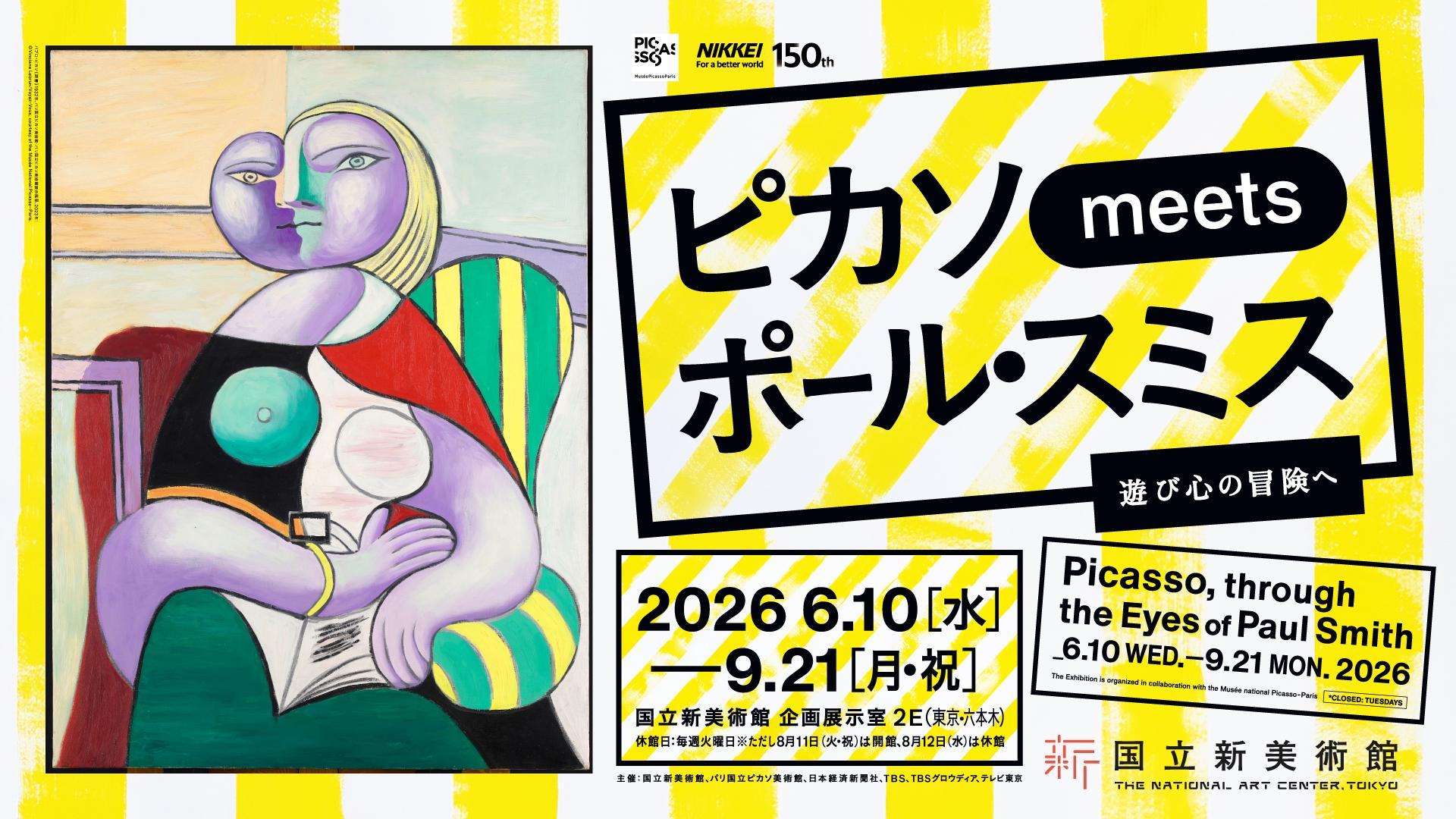
Picasso, Through the Eyes of Paul Smith
Pablo Picasso’s life was a series of restless shifts—from the melancholic blues of his early career to the splintered geometry of Cubism and the raw, protest-driven energy of Guernica. However, this exhibition at The National Art Center, Tokyo, avoids the standard, stuffy chronological approach. By inviting British designer Paul Smith to curate the layout, the show transforms into a vibrant, personal exploration. With 80 works on display, the space feels less like a sterile museum and more like a playground for the creative mind. It builds upon the success of the 2023 Paris show, yet introduces a distinct Tokyo flair that is playful and exceptionally human.
Grand Van Gogh Exhibition: The Kröller-Müller Collection
For the first time in two decades, Terrace of a Café at Night has returned to Japanese soil. The painting, which famously eschews the use of black, serves as the heart of this comprehensive two-part series. The first part, currently on view, traces Van Gogh’s rapid stylistic evolution—from the muted, earthy palettes of his Dutch period to the radiant, light-drenched canvases produced in Arles. The inclusion of works by contemporaries such as Monet and Renoir provides a necessary context for the Impressionist movement, reminding us that Van Gogh was not an isolated genius, but a central figure in a global artistic revolution.
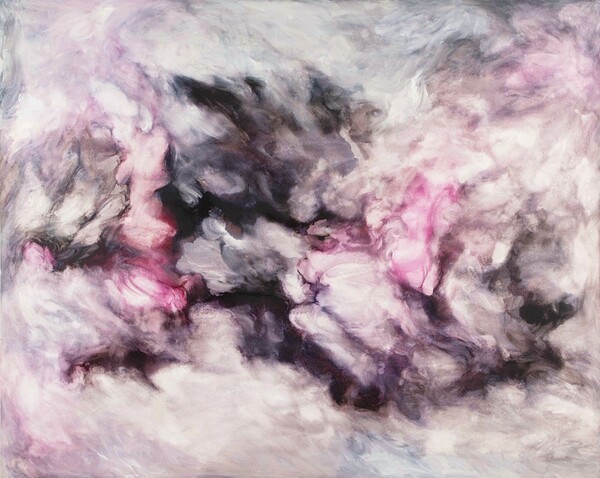
Matsumoto Yoko: The Day I Saw The Evening Star
At 90 years old, Yoko Matsumoto is finally receiving her first major museum retrospective at the Fuchu Art Museum. Her work, which began to take its distinct shape after her immersion in the American Abstract Expressionist scene of the 1960s, is characterized by ethereal, vibrating washes of color. Spanning over 35 paintings and 15 drawings, the exhibition showcases her evolution from acrylic-based experimentation to her recent, brooding oil-based works in deep greens and blacks.
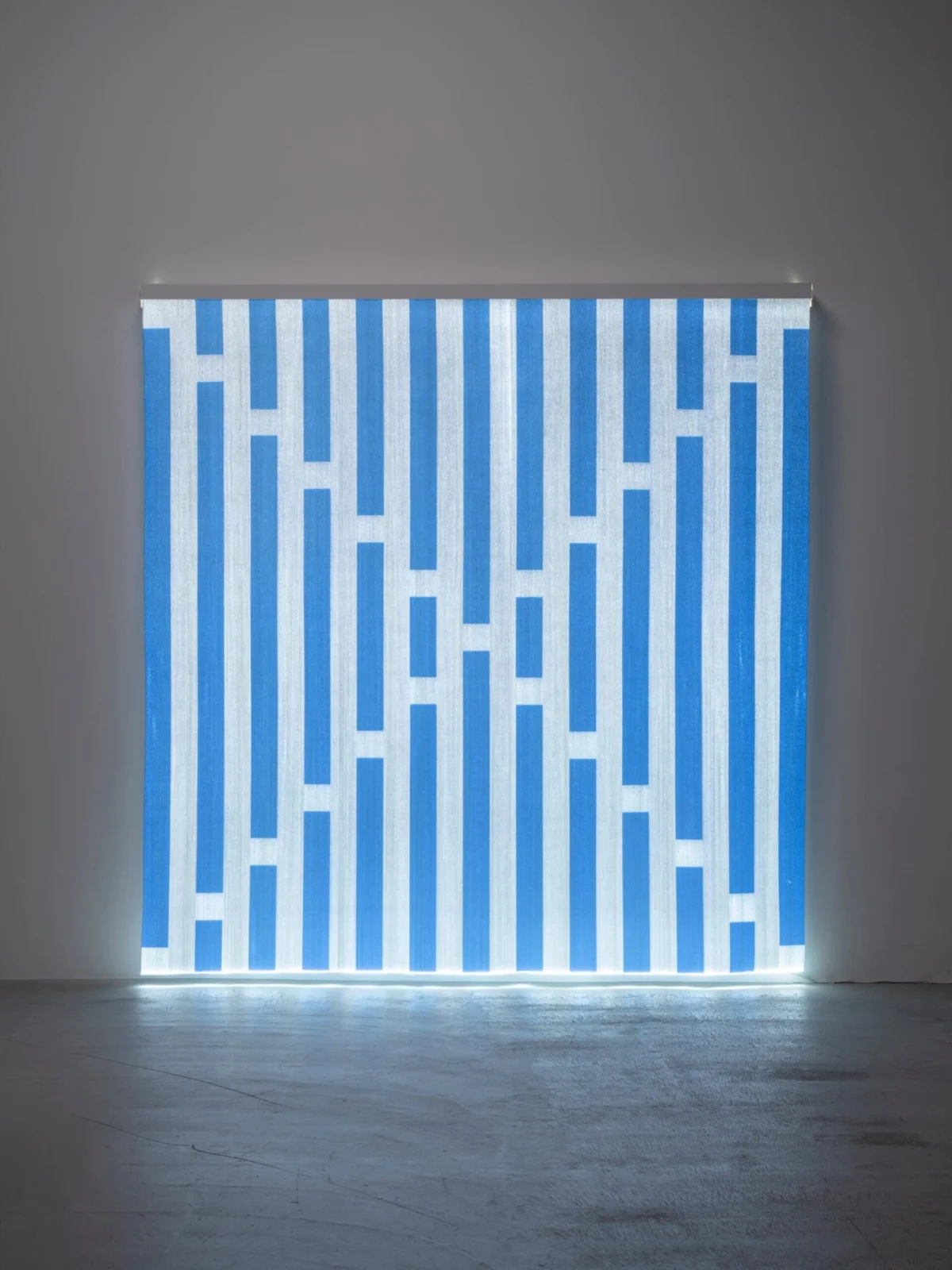
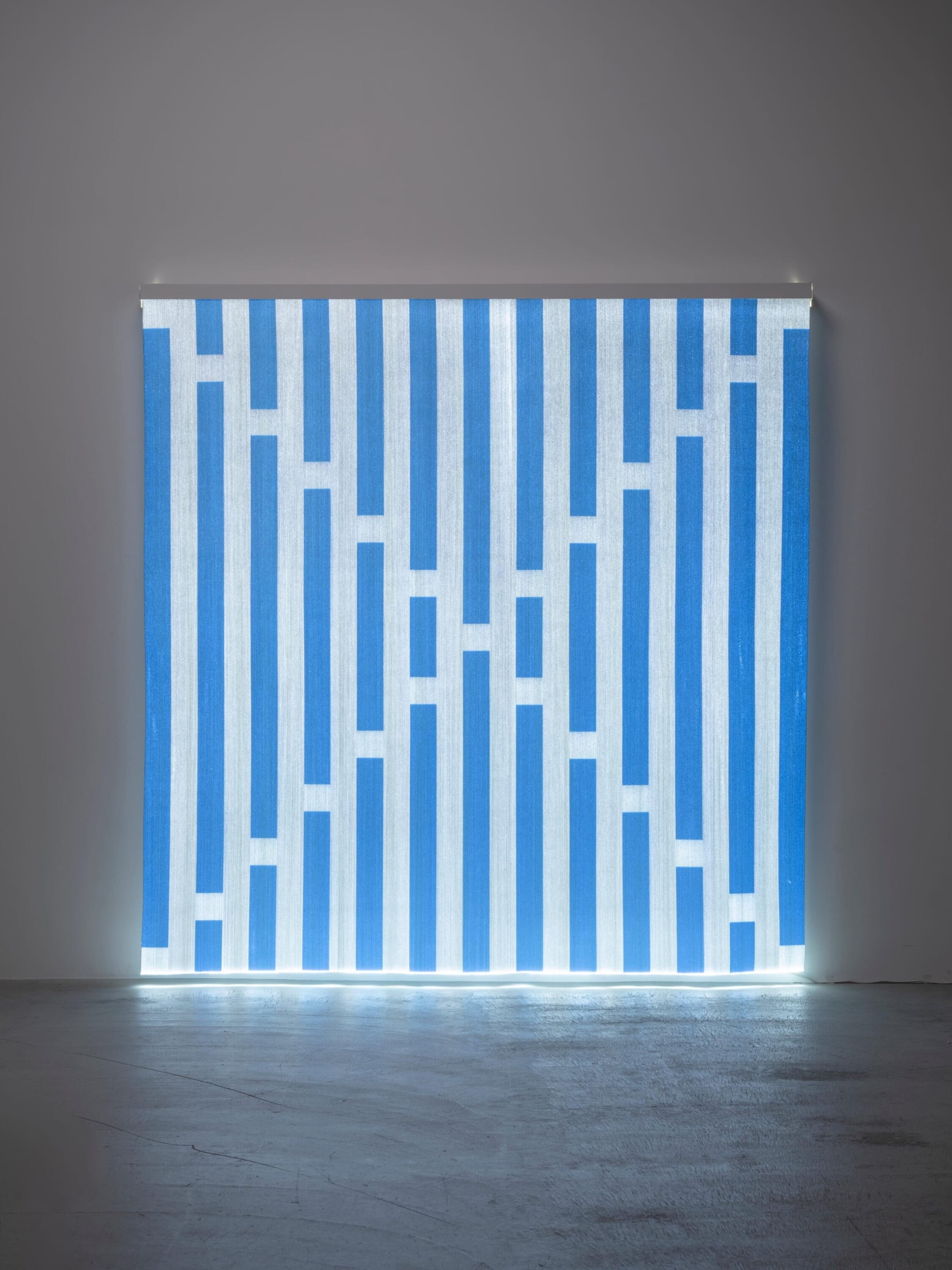
Daniel Buren: Situated Works 1966-2013
Daniel Buren’s work is famously consistent: a 8.7-centimeter vertical stripe. At SCAI Piramide, this consistency is tested against the shifting nature of light. The exhibition is split into two terms: the first focuses on fiber-optic light installations, while the second pivots to a rare 6.5-hour film, Beyond Time, as Far as the Eye Can See. It is a challenging, meditative experience that forces the viewer to consider the "invariable sign" of the stripe in an ever-changing world.
4. Supporting Data: Navigating the Logistics
Accessibility remains a priority for Tokyo’s curators this year. While central venues like The National Art Center and Ueno Royal Museum are highly accessible, the Fuchu Art Museum offers a reprieve from the city’s intensity.
| Exhibition | Location | Price (Approx) | Closing Date |
|---|---|---|---|
| Picasso | National Art Center | ¥2,400 | Sept 21 |
| Van Gogh | Ueno Royal Museum | ¥3,000 | Aug 12 |
| Yoko Matsumoto | Fuchu Art Museum | ¥800 | July 12 |
| Daniel Buren | SCAI Piramide | Free | Sept 19 |
| Mingeikan | Japan Folk Crafts Museum | ¥1,500 | Aug 12 |
5. Official Responses and Curatorial Intent
Curators across these institutions have emphasized a move toward "slow art." In an era of digital saturation, these exhibitions are designed to encourage prolonged engagement.
"We wanted to strip away the reverence that often distances visitors from Picasso," says the lead curatorial team at the National Art Center. "By allowing a designer like Paul Smith to interfere with the layout, we allow for a more sensory experience—one where the colors of the walls are as important as the brushstrokes on the canvas."
Similarly, at the Mingeikan, the focus is on the "forgotten hand." The centennial exhibition aims to prove that the aesthetic value of everyday folk objects—bowls, textiles, and furniture—is not a static historical fact but a living, breathing tradition that informs modern Japanese design.
6. Implications for the Tokyo Art Market
The success of these exhibitions carries significant weight for Tokyo’s standing in the international art market. By hosting high-profile international loans (Picasso/Van Gogh) alongside retrospectives of local masters (Matsumoto) and experimental contemporary work (Chimura/Buren), Tokyo is signaling a balanced cultural policy.
The economic implications are equally notable. The influx of tourists and domestic art enthusiasts into districts like Roppongi and Ueno is expected to bolster local hospitality sectors. Moreover, the focus on "re-evaluating" established artists—such as Matsumoto—is a strategic move by Japanese museums to ensure that local art history remains relevant to the global canon.
As we look toward the second half of 2026, the success of these shows will likely dictate future loan agreements between Japanese museums and their European counterparts. For the visitor, however, the implication is much simpler: there has never been a better time to walk the halls of Tokyo’s galleries. Whether you are seeking the comfort of a known masterpiece or the intellectual challenge of an optical experiment, the city is waiting.












No comments yet. Be the first to join the conversation!