

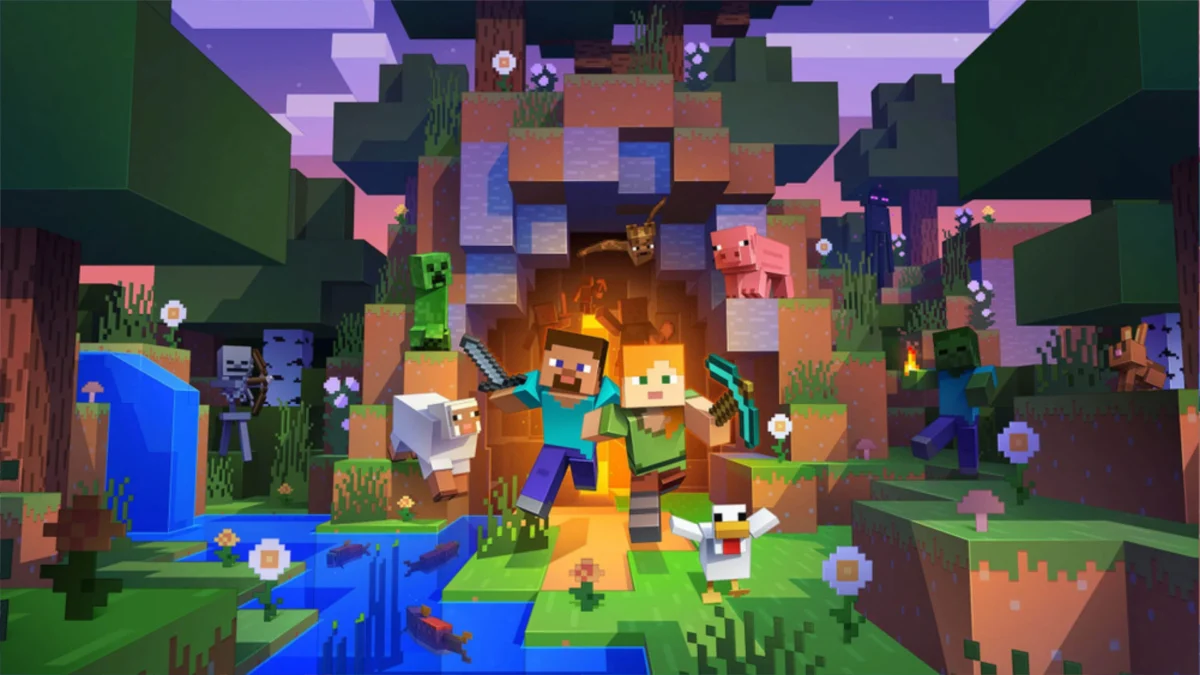
For millions of players across the globe, the ritual of logging into Minecraft is a gateway to boundless creativity and social connection. However, that gateway slammed shut for a significant portion of the community on June 3, as a widespread infrastructure failure rendered the game’s authentication and multiplayer systems largely inaccessible. This latest disruption, which has persisted throughout the day, serves as a stark reminder of the fragility of live-service gaming models in an increasingly interconnected digital ecosystem.
The Scope of the Crisis: What Is Happening?
The technical difficulties began in the early hours of June 3, with reports of connectivity issues surfacing around 12:00 am PDT (3:00 am EDT / 8:00 am BST / 9:00 am CEST). As the day progressed, the severity of the outages intensified, creating a tiered experience of frustration depending on which version of the game a user owns.
For the Minecraft Bedrock community, the experience has been particularly jarring. Many players are finding themselves unable to even launch the game. Upon attempting to sign in, they are met with two distinct, recurring error messages: "Oh no! Something went wrong, and we couldn’t connect to the Minecraft services," or the more ominous, "We were unable to verify what products you own. Please check your internet connection."
These errors are not indicative of a local hardware or network failure on the user’s end; rather, they signify a breakdown in Microsoft’s centralized authentication servers. These servers are responsible for verifying digital ownership—essentially the "digital handshake" that confirms a player has purchased the software. When these servers fail to communicate, the game cannot validate the user’s license, effectively locking legitimate owners out of their own software.
Conversely, Minecraft Java Edition players have been spared the "total lockout" experience. Authentication for the Java version remains functional, meaning those who own the classic version of the game can still access their single-player worlds. However, this small mercy is limited, as the broader multiplayer infrastructure—specifically the Realms service—is currently offline for both Java and Bedrock users.
Chronology of the Disruption
The timeline of the outage highlights a cascade of failures rather than a single, isolated event.
- 12:00 am PDT: Initial reports emerge on social media platforms like X (formerly Twitter) and community forums, with players noting difficulties in connecting to Realms servers.
- 04:00 am PDT: The volume of reports regarding authentication errors on the Bedrock Edition begins to climb, signaling that the issue has moved beyond just multiplayer servers to the core login infrastructure.
- 09:00 am PDT: Widespread frustration peaks as players in North America and Europe attempt to log in during peak morning and afternoon hours. Down-detector services report a massive spike in "Server Connection" reports.
- 12:00 pm PDT (Ongoing): The situation remains largely unchanged. Mojang and Microsoft services continue to show signs of instability, with no estimated time for a full restoration of services.
This incident follows a troubling trend for the franchise. Only two days prior, on June 1, Minecraft experienced a similar period of instability. That outage was traced back to a broader Microsoft Azure failure, which simultaneously impacted Xbox Live services. The recurrence of these issues within a 72-hour window has led to significant concern among the community regarding the stability of the underlying cloud infrastructure supporting the game.
The Realms Dilemma: A Breakdown in Social Play
Perhaps the most significant impact of this outage is the total unavailability of Minecraft Realms. Realms are subscription-based, private servers hosted by Microsoft, designed to allow friends to maintain a persistent world that is always online.
Because these servers are hosted centrally, they are entirely dependent on the health of the Microsoft network. When a user attempts to join an existing Realm, they are greeted with an "Error 502" message. In networking terms, a 502 Bad Gateway error indicates that one server on the internet received an invalid response from another server. In this context, it confirms that the communication bridge between the player’s client and the hosted Realm has collapsed.
For many, Minecraft is not a solitary experience. It is a social platform where players host community projects, survival games, and collaborative builds. The loss of Realms effectively silences these communities, leading to a palpable sense of abandonment among users who pay monthly for a service they cannot currently utilize.

Implications for Live-Service Architecture
The Minecraft outage highlights the inherent vulnerabilities of "Always-Online" requirements. When a single point of failure occurs at the authentication server level, the entire user base is held hostage by the provider’s infrastructure.
The Dependency on Authentication
Modern games, particularly those integrated into the Microsoft/Xbox ecosystem, rely heavily on constant authentication. While this is designed to curb piracy and ensure that users have access to the latest patches and storefront items, it creates a "brittle" user experience. When the server goes down, the game ceases to function as a product, even if the player is technically only interested in offline, single-player content.
The Cloud Infrastructure Factor
The reliance on Microsoft Azure means that Minecraft is not just a game; it is a node in a massive, interconnected cloud network. While this allows for the seamless, cross-platform play that defines modern Minecraft, it also means that the game is susceptible to enterprise-level cloud outages. If Azure experiences latency or a configuration error, the ripple effects are felt instantly by millions of gamers who have no control over the hardware or software involved.
Official Responses and Community Reaction
As of the time of writing, there has been a notable silence from the official Minecraft and Mojang support channels regarding the specific cause of today’s failure. This lack of transparency has exacerbated the situation, as players are left to speculate whether the issue is a DDoS attack, a botched server-side update, or another widespread cloud infrastructure failure.
Community forums and social media have become a hub of collective frustration. Many users have expressed their disappointment, noting that they had planned their day around gaming sessions that are now impossible to fulfill. Others are questioning the value proposition of the Realms subscription, asking for financial compensation or credits for the downtime experienced over the last few days.
Moving Forward: Lessons and Expectations
The repeated outages over the last week have set a dangerous precedent for the game’s reputation. Minecraft is often lauded for its longevity and stability, but these recent events suggest that the infrastructure requires a more robust fail-safe mechanism.
To mitigate future frustrations, the community is calling for several changes:
- Offline Authentication Modes: A mechanism that allows users to verify ownership locally if the primary authentication servers are unreachable.
- Improved Communication: A dedicated, real-time status dashboard that provides granular updates, rather than leaving players to discover outages via trial-and-error.
- Infrastructure Redundancy: A commitment from Microsoft to isolate gaming authentication services from broader enterprise cloud issues, ensuring that a glitch in an Azure data center does not automatically translate to a game-wide blackout.
As the community continues to wait for a fix, the situation serves as a stark reminder of the digital age’s reliance on unseen, remote servers. Whether this is a temporary glitch or a symptom of a larger architectural strain, one thing is certain: for a game as culturally significant as Minecraft, downtime is more than just an inconvenience—it is a disruption of a vital digital community.
For now, the best advice for those affected is to remain patient and periodically check the official Minecraft status page. While single-player Java users can continue to build, explore, and survive in their offline worlds, the wider, connected universe of Minecraft remains in a state of suspended animation, waiting for the servers to once again allow them in.











No comments yet. Be the first to join the conversation!