Siti Muinah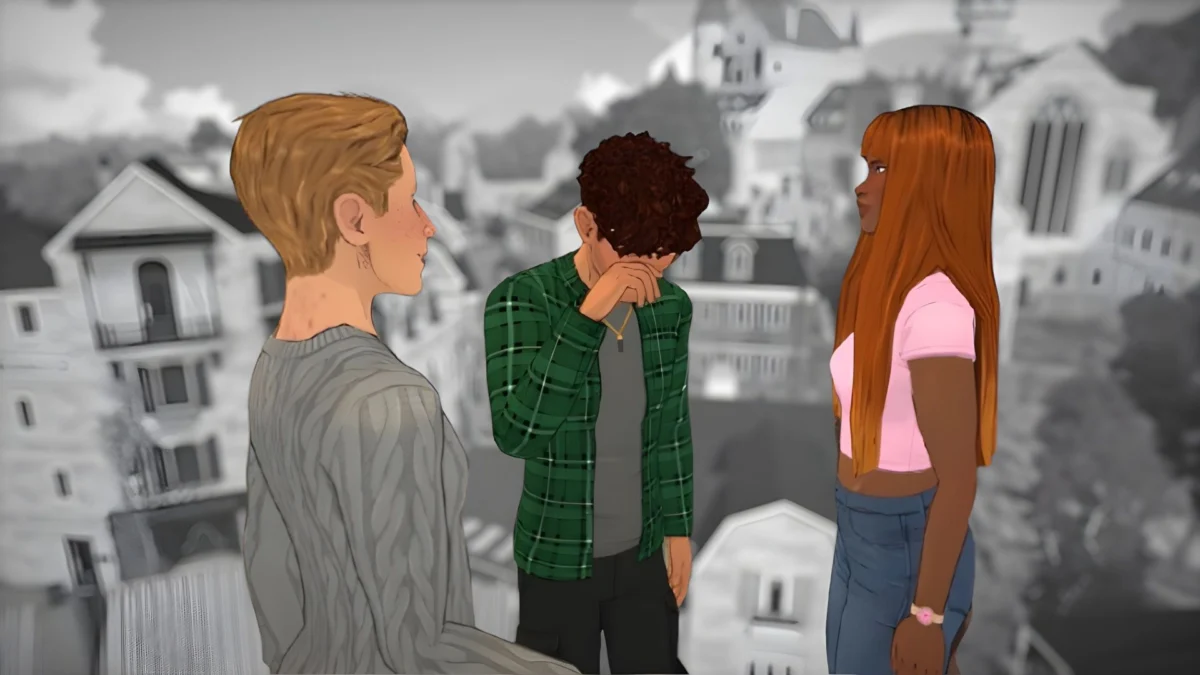
Paralives, the highly anticipated life-simulation title from Paralives Studio, officially entered Early Access on May 25, 2026. Built on the Unity engine, the game has been positioned as a direct competitor to industry titans like The Sims. As players dive into the base-building and character-management mechanics, the community has begun to coalesce around a shared vision of what the game needs to reach its full potential. While the initial release provides a stable, creative foundation, it is currently a skeleton of the expansive sandbox promised during its development.
Main Facts: The Current State of the Sandbox
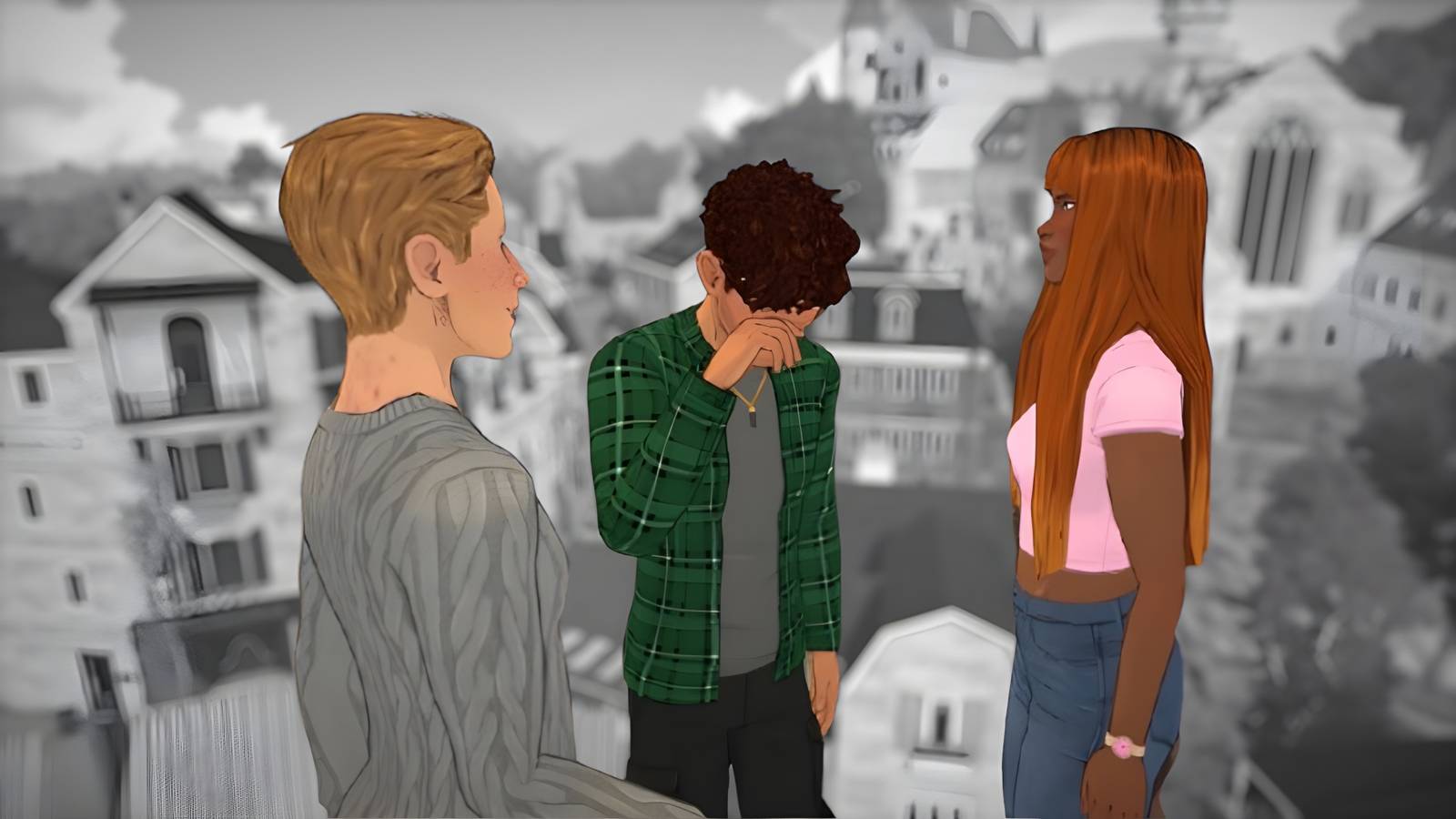
As an Early Access title, Paralives is explicitly a work in progress. Players entering the game today are greeted with a robust set of build tools that far exceed many genre standards, particularly in terms of customization and architectural flexibility. However, the simulation depth—the "soul" of a life sim—is still being populated.

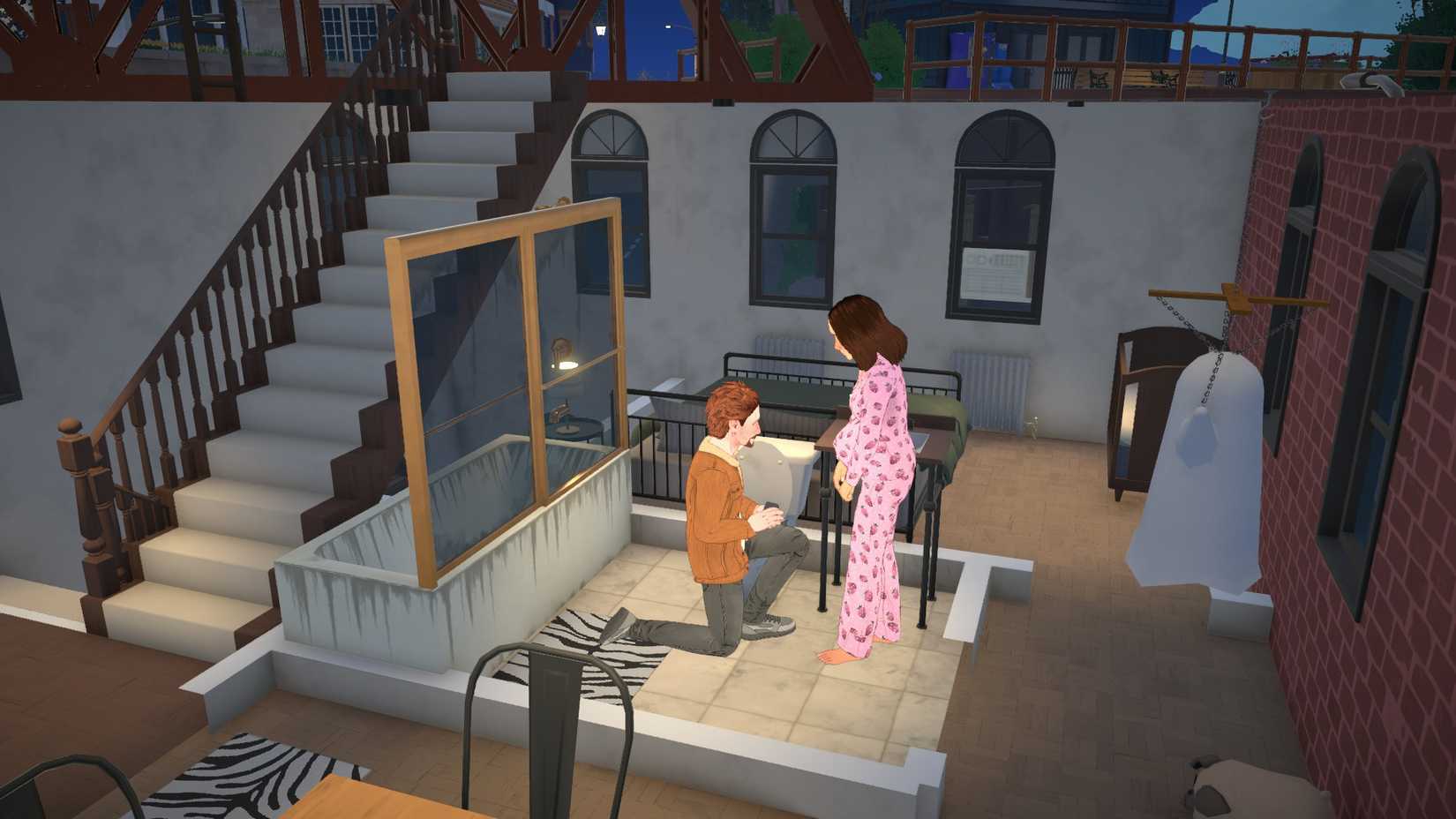
The core loop currently relies on managing "Paras" through daily routines, but many systemic interactions are gated by RNG (Random Number Generation). As of early June 2026, the game features essential mechanics like basic job systems and home management, but it lacks the breadth of activities, social depth, and supernatural flair that long-time fans of the genre have come to expect. Developers have already confirmed that major content updates, including seasonal weather systems and pet ownership, are firmly on the roadmap, signaling that the current iteration is merely the launchpad for a much larger ecosystem.
Chronology of Development
The journey of Paralives has been one of high transparency and community-led feedback. Since its initial announcement, Paralives Studio has maintained a "community-first" development philosophy.
- 2024–2025: The studio spent these years showcasing revolutionary build modes and character customization tools, building a massive social media following.
- May 25, 2026: The official Early Access launch on PC. This marked the transition from a "project" to a "product," allowing the public to stress-test the simulation systems.
- Early June 2026: The first wave of post-launch feedback arrived. Players began identifying key "pain points," such as the lack of control over work/school hours, limited service options, and the absence of diverse hobbies.
- Current Phase: The developers are now in the critical stage of monitoring player feedback to refine existing systems while simultaneously working on the highly requested content patches for pets and seasons.
Supporting Data: The Gaps in Gameplay
While the creative tools in Paralives are industry-leading, the simulation aspects require significant refinement to avoid becoming repetitive.
1. The Relationship RNG Bottleneck
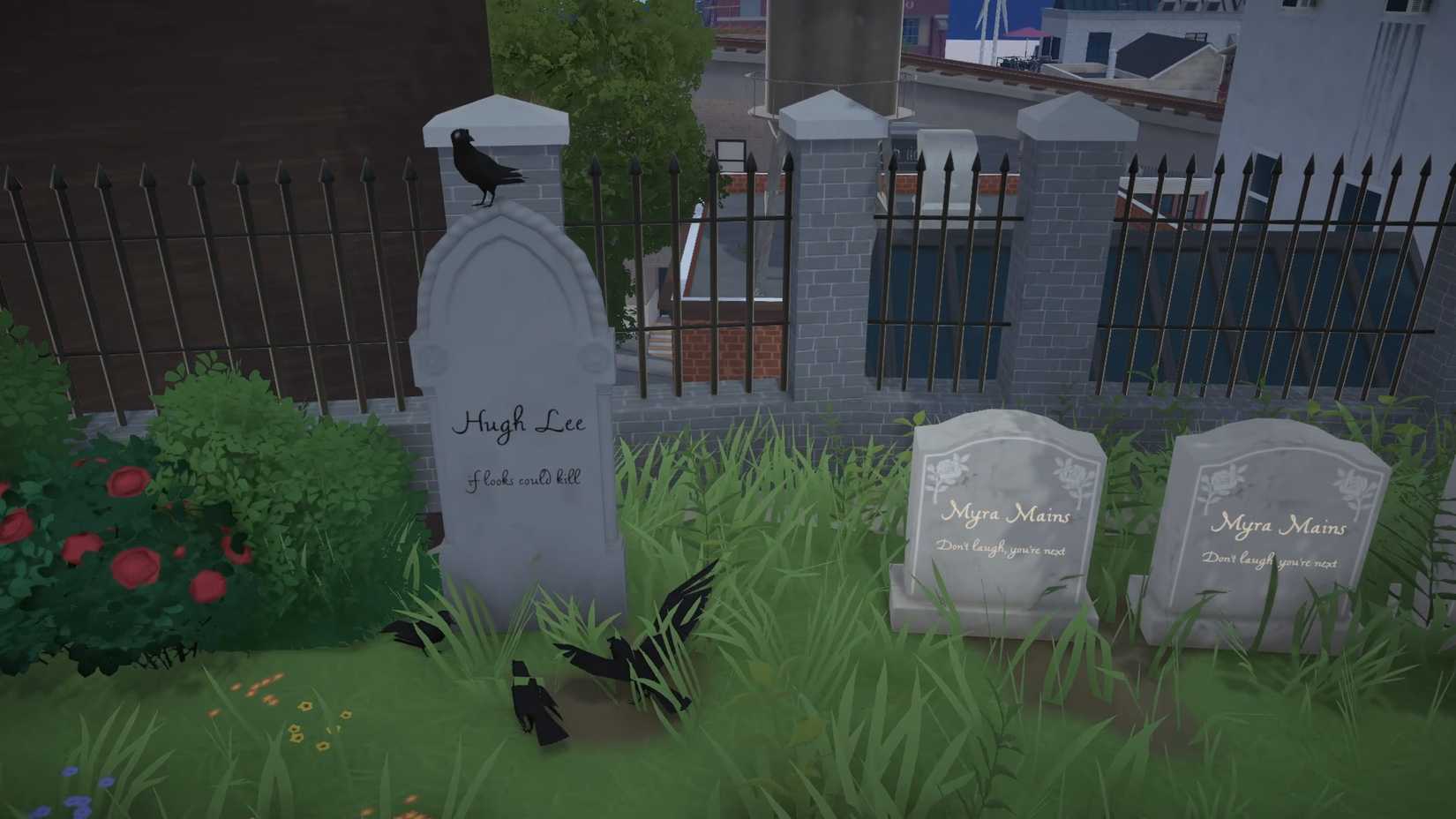
Currently, interpersonal relationships are built almost entirely through a conversation system heavily weighted by RNG. Players have reported that maintaining or evolving a relationship—whether romantic, platonic, or familial—can take hours of in-game time with little to no tangible progress due to randomized dialogue outcomes. The community is calling for "Intent-Based" interactions, where a player can signal the goal of a conversation (e.g., "Deepen Friendship" or "Start Romance") to shift the RNG probabilities in their favor.
2. The Service Economy
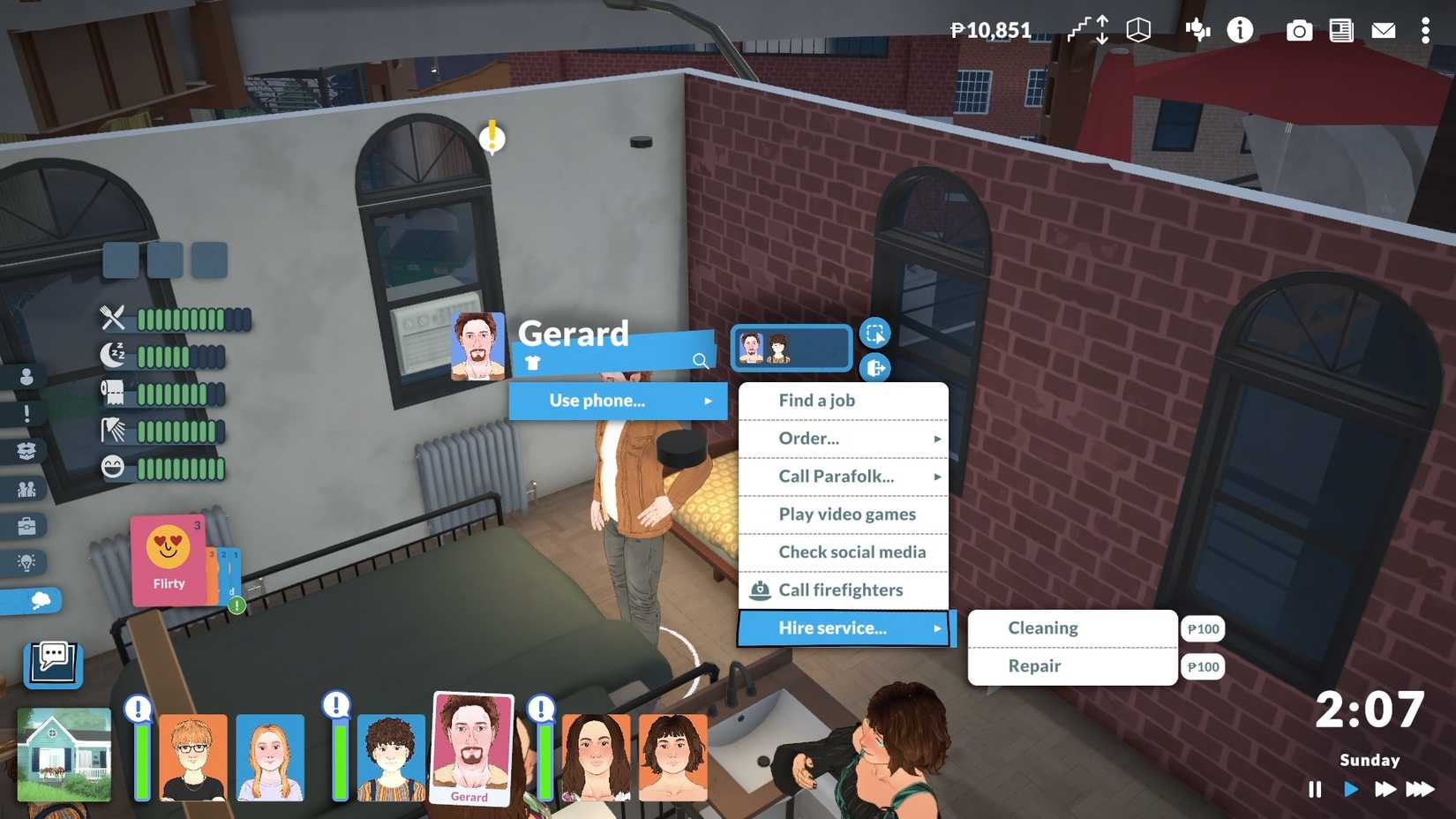
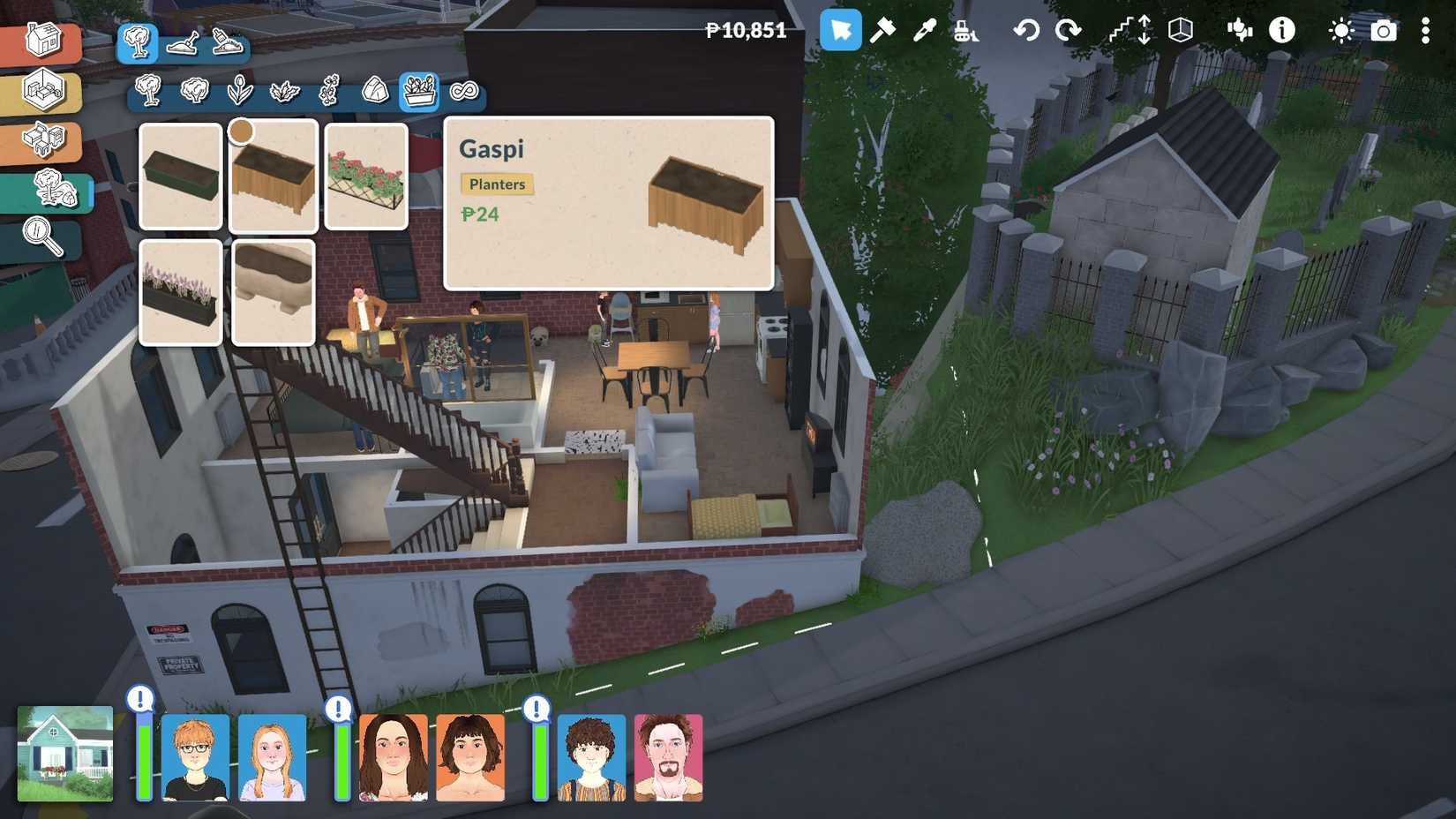
The current service list is sparse, limited primarily to cleaners and repair technicians. Players have expressed a desire for a more robust "gig economy." The addition of nannies, private tutors for children, and food delivery services would not only add convenience but also increase the realism of the simulation.
3. The Absence of Active Jobs and Schooling
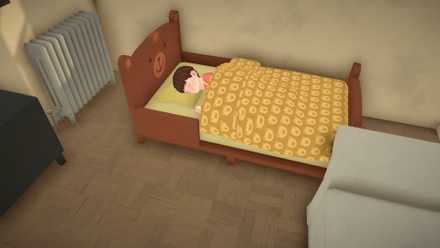
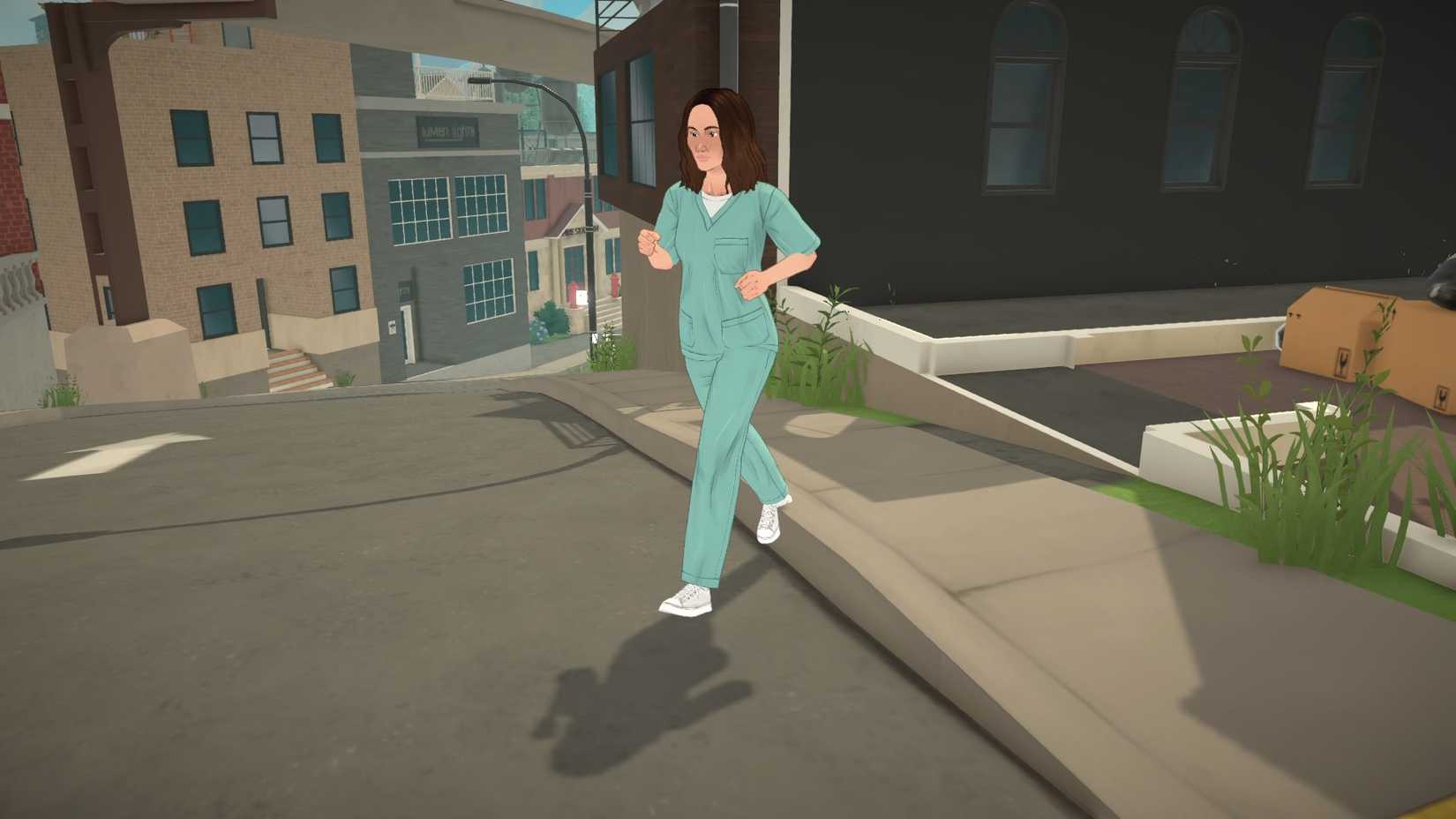
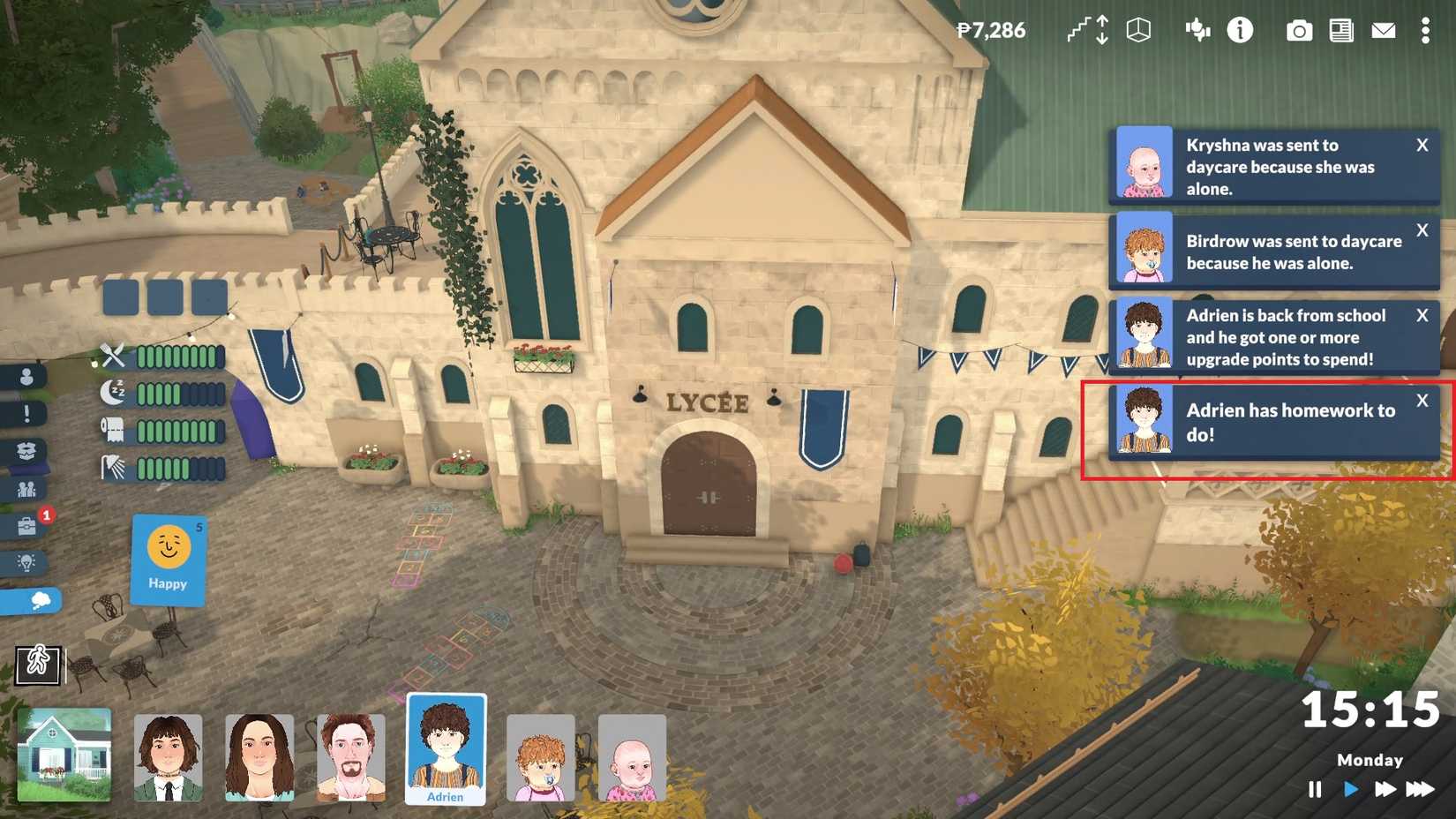
One of the most persistent requests is for "Active Careers." Currently, when a Para leaves for work or school, they disappear into a "rabbit hole." Because progress is managed by passive systems, players often find their characters receiving arbitrary "strikes" or suffering grade drops despite being in a good mood. Being able to follow a character to their workplace or school—similar to expansion packs seen in rival titles—would allow for direct intervention and skill-building.
4. Hobbies and Supernatural Elements
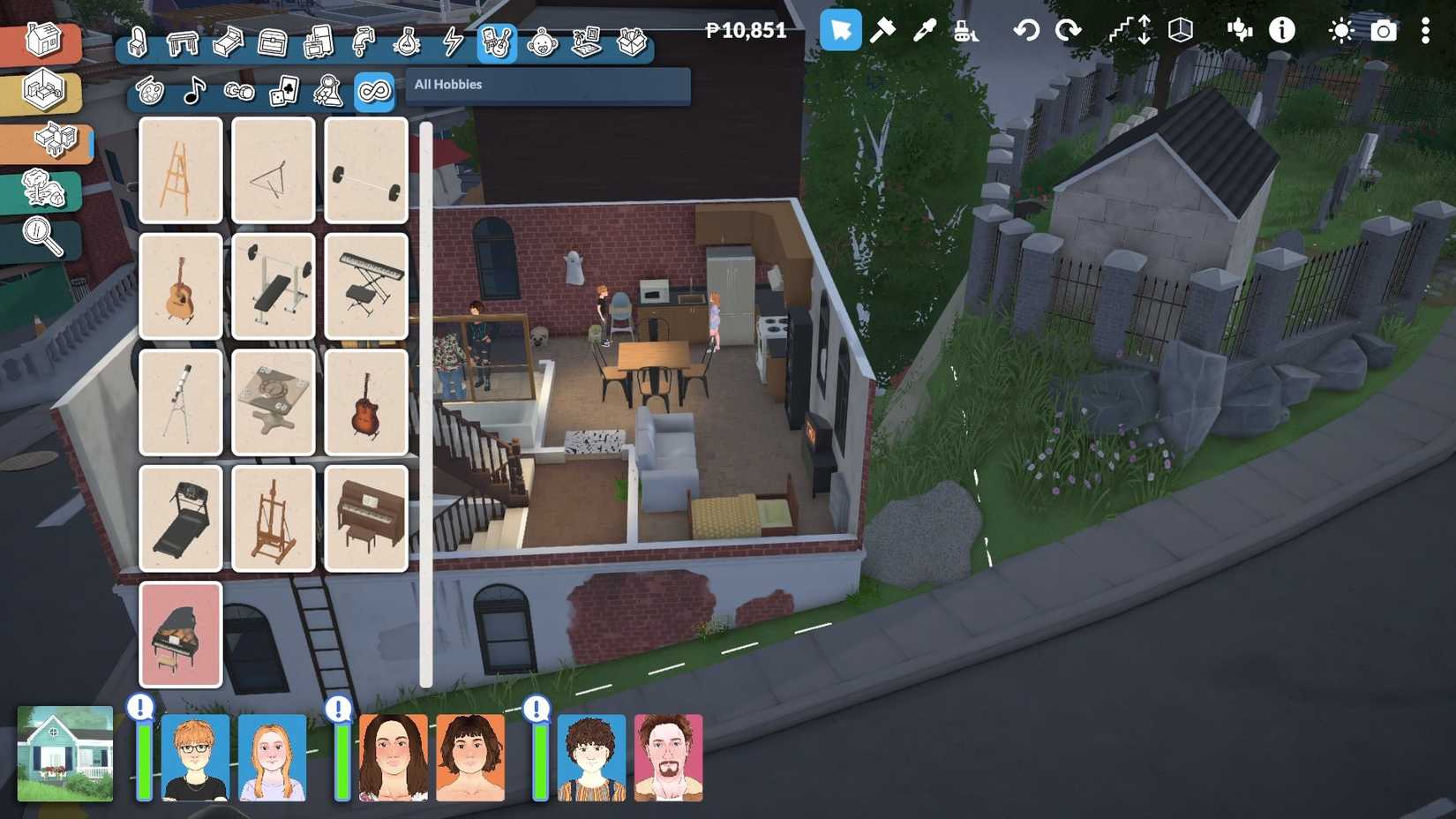
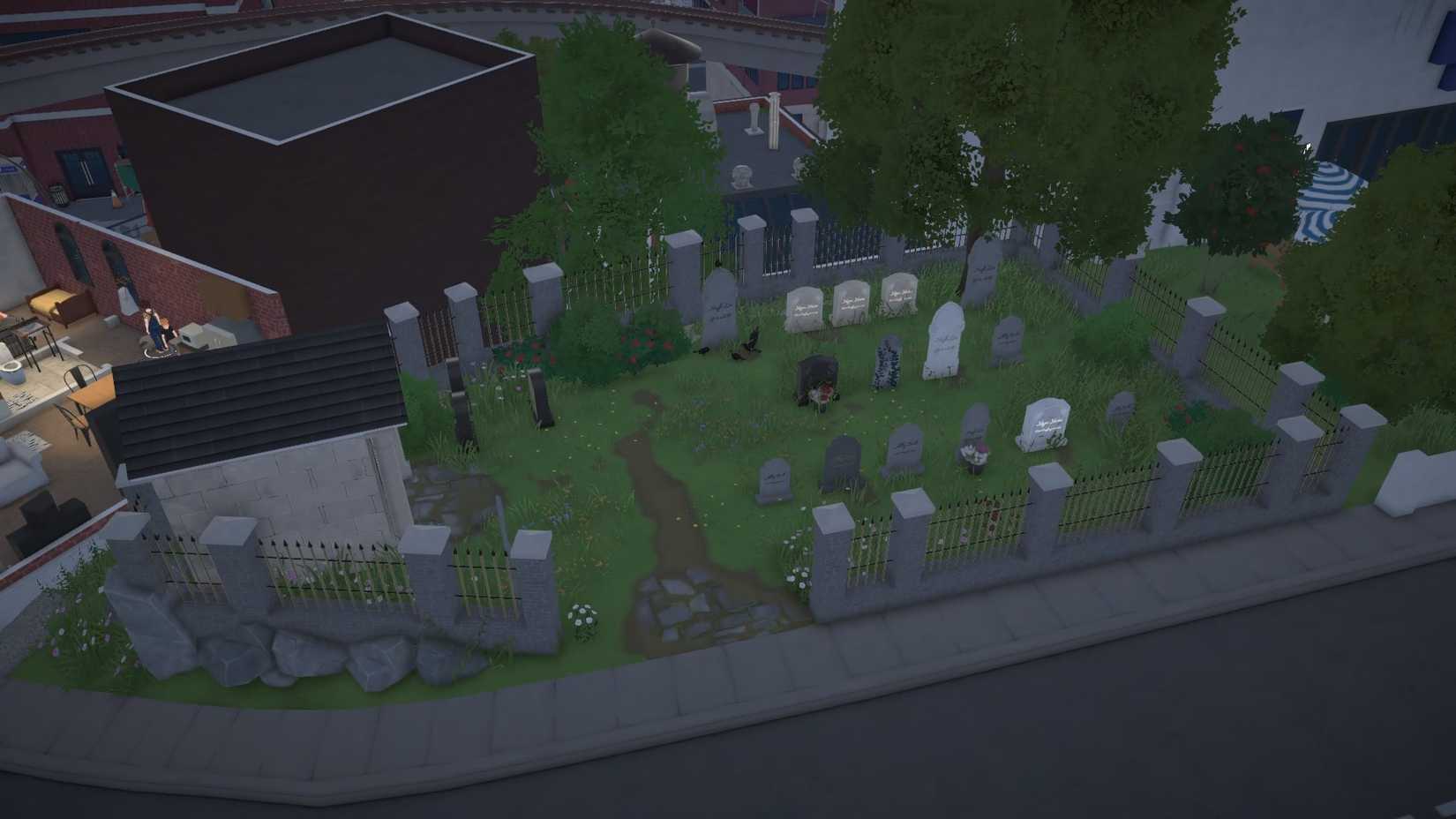
The current list of hobbies is admittedly lean. To provide a truly immersive experience, the game requires more non-essential activities, from creative arts to competitive sports. Furthermore, the "Para" moniker has led many fans to hope for a strong "Paranormal" presence. The absence of ghosts or supernatural life states in a game centered around a graveyard-adjacent environment feels like a missed opportunity that the community is eager to see rectified.
Official Responses and Studio Stance
Paralives Studio has been vocal about its commitment to free content updates. Following the game’s successful launch sales, the team confirmed that new content would not be locked behind paid DLC, a move that has been met with universal praise.
Regarding the specific requests for active gameplay and expanded systems, the developers have noted that their primary goal for the initial months of Early Access is "Systemic Stability." By ensuring the game runs smoothly and that the core engine is robust, they are setting the stage to layer in complex features like active careers and supernatural events without breaking the underlying simulation. The studio has encouraged players to continue submitting feature requests through their official Discord and forums, proving that the roadmap is indeed fluid and responsive to user demand.
Implications: What This Means for the Future of Life Sims
The success or failure of Paralives will have massive implications for the future of the life simulation genre. For years, the market has been dominated by a single major franchise, leading to stagnation in innovation. Paralives represents a paradigm shift; it is a game built for the players, by a team that understands the frustrations of previous genre staples.
If Paralives Studio succeeds in implementing the requested features—specifically the shift away from restrictive RNG and toward more player-agency in careers and schooling—they will set a new gold standard. The implications for the industry are clear: players are tired of "rabbit hole" gameplay and pay-to-play content. They want deep, customizable, and, above all, responsive simulations.
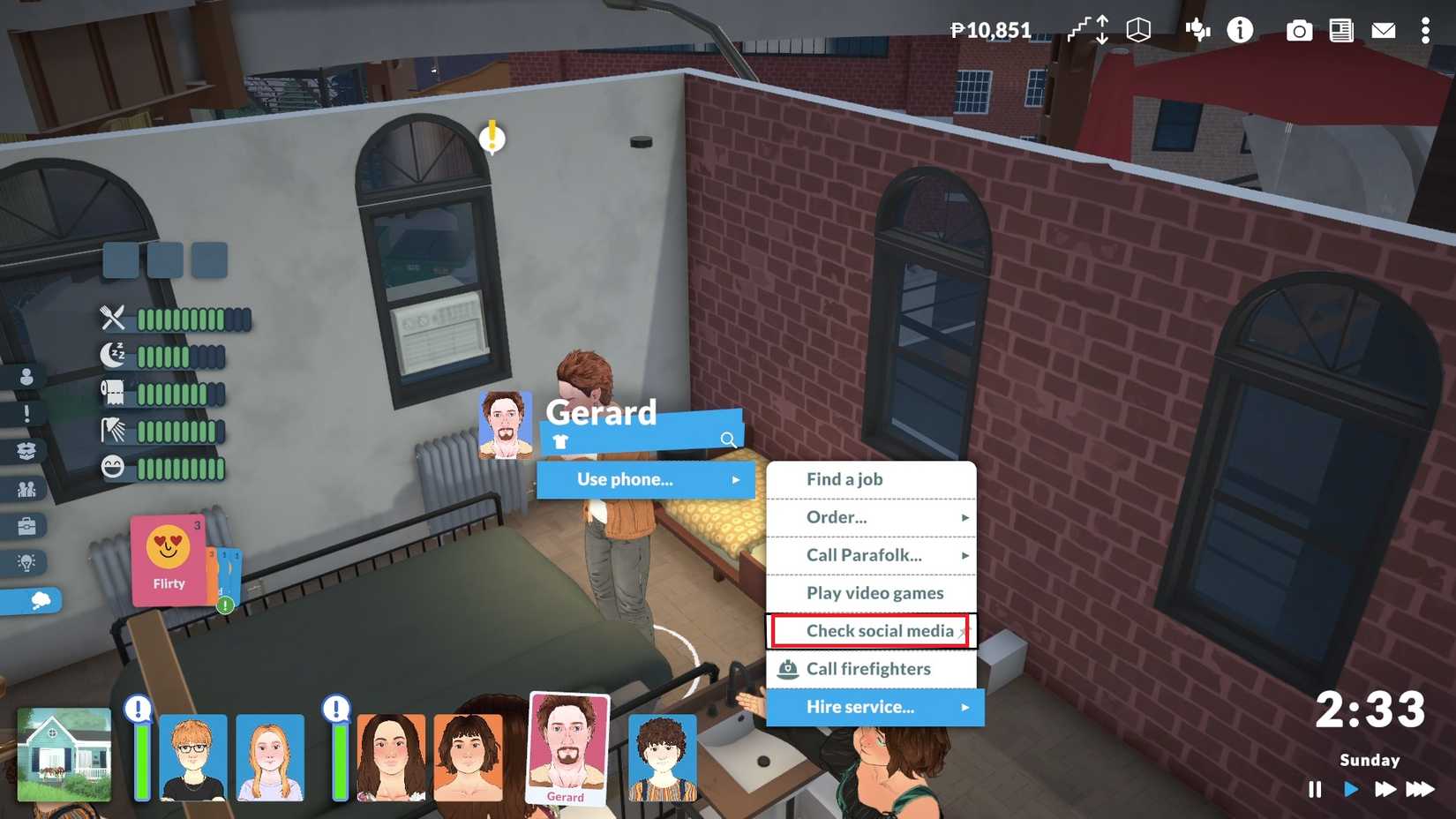
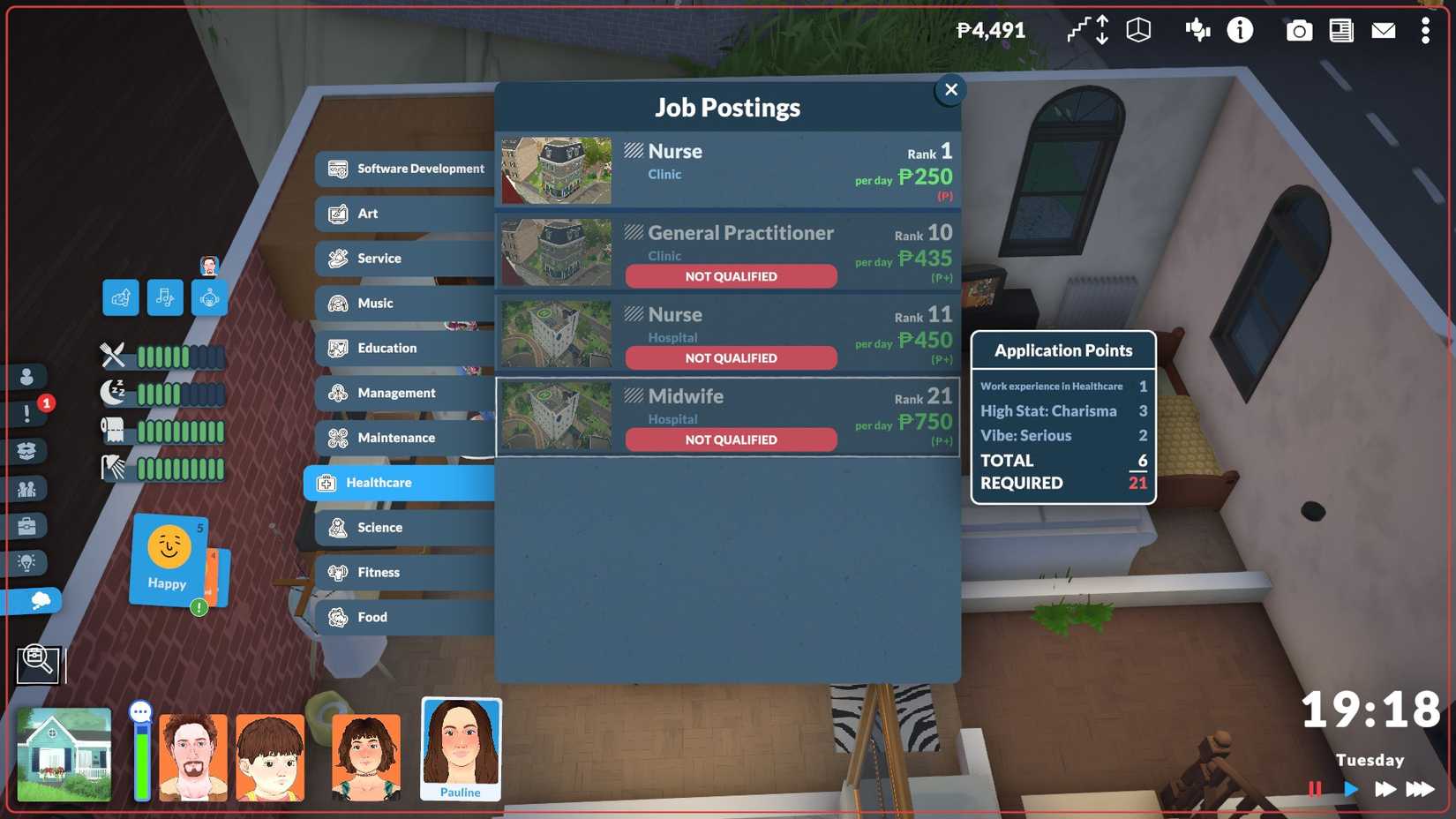
The "fame" system, for instance, has massive potential. By moving beyond just social media influencers, the game could implement a system where fame is a byproduct of excellence in any career—whether that’s a surgeon, a local business owner, or a master chef. This would turn the world of Paralives into a living, breathing community where player accomplishments have weight and recognition.

Conclusion
Paralives is currently in a state of "promising infancy." While it lacks the sheer volume of content found in decade-old competitors, it possesses a mechanical foundation that is both sleek and modern. The developers are in a unique position: they have the capital from a successful launch, a dedicated player base providing actionable feedback, and a clear vision for the future.
As the team begins to address the gaps—moving from the basic "cleaning and repair" service model to a more complex, hobby-rich, and potentially supernatural world—Paralives is poised to transition from an indie experiment to a cornerstone of the simulation genre. For now, the game invites us to build, to dream, and to wait for the next patch. If the last few weeks are any indication, the evolution of this digital world is only just beginning.


 Asro
Asro
 Muslim