Nila Kartika Wati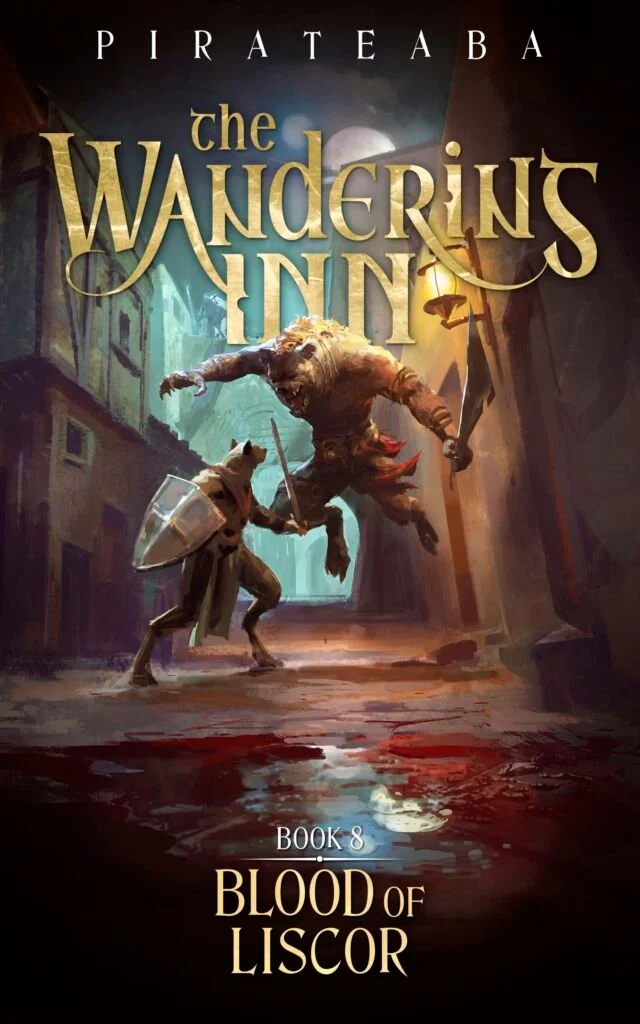
The sprawling, multi-layered literary phenomenon known as The Wandering Inn continues to defy the conventions of modern fantasy. With the release of Blood of Liscor, the saga further solidifies its position as a masterclass in character-driven storytelling. As the narrative scope widens to encompass the brewing tensions in northern Izril, the encroaching dangers of the Liscor dungeon, and the shifting political landscape of the Unseen Emperor of Riverfarm, readers are reminded why this series has cultivated one of the most dedicated followings in contemporary web fiction.
Main Facts: The Convergence of Conflict
Blood of Liscor serves as a critical juncture in the overarching plot of the series. The narrative hook is deceptively simple: something ancient and famished is stirring beneath the foundations of Liscor. While the dungeon has always been a source of peril, the stakes have shifted from mere exploration to existential dread.
Simultaneously, the geopolitical climate of northern Izril is reaching a boiling point. The presence of Goblins—some hostile, some desperate—challenges the established order. The central question remains: will Laken Godart, the Unseen Emperor of Riverfarm, recognize the nuance between the predatory monsters of legend and those seeking survival? The book masterfully juxtaposes the intimacy of the Inn itself—a sanctuary of food, respite, and theatrical performance—against the looming, visceral horror emerging from the depths.
Chronology: A Series of Escalating Stakes
To understand the significance of Blood of Liscor, one must view it within the broader chronology of the series.
- The Establishment: Early entries focused on Erin Solstice’s arrival and the initial cultivation of the Wandering Inn as a neutral ground.
- The Escalation: The introduction of the Antinium and the expansion of the dungeon beneath Liscor raised the stakes, transitioning the series from a "slice-of-life" fantasy to a high-stakes epic.
- The Current Reckoning: Blood of Liscor acts as a bridge. It moves characters away from their established archetypes. Erin’s growth, Lyonette’s identity crisis, and the Redfang Five’s transition from survival-based combatants to individuals with distinct personalities represent a maturation of the series’ core themes.
Supporting Data: Character Arcs and Narrative Depth
The strength of this installment lies in its character work. In a genre often obsessed with "hard" magic systems and rigid worldbuilding, The Wandering Inn prioritizes the psychological interiority of its cast.
The Evolution of the Inn’s Residents
- Erin Solstice: Often underestimated by her peers and foes alike, Erin’s agency in this volume is profoundly satisfying. She leans into her role as a perceived "outsider," weaponizing the expectations of others to achieve her goals.
- Lyonette: Perhaps the most compelling growth arc in the series, Lyonette has finally moved past the dual burdens of her royal upbringing and her subsequent subservience. Her journey toward self-actualization is not just a side-plot; it is a fundamental shift in the power dynamics of the Inn.
- The Redfang Five: For the first time, these Goblins are afforded the narrative space to develop beyond survival tropes. Their integration into the story provides a necessary, humanizing perspective on the Goblin crisis in Izril.
- Bird: The fan-favorite Antinium remains a highlight. His portrayal offers a nuanced look at neurodivergence within a fantasy context, bolstered by a cast that treats his idiosyncrasies with a grounded, matter-of-fact acceptance that resonates deeply with the readership.
The Dungeon Crawl: A Study in Isolation
The central dungeon sequence is a masterclass in atmospheric tension. The inclusion of a long-lost character, whose psyche has been fractured by years of isolation and madness, provides the emotional anchor for the book’s climax. The narrative refuses to provide simple resolutions, choosing instead to explore the messy, painful intersection of old loyalties and the cold reality of current circumstances.
Official Responses and Critical Reception
While the reception to Blood of Liscor has been overwhelmingly positive, the critical discourse has been nuanced. Observers note that while the series is remarkably consistent, it is not without its flaws.
- The Pacing Issue: A significant subplot regarding a theatrical production is frequently cited as a point of contention. While the build-up is meticulous and engaging, the resolution feels hurried, stripping the payoff of the emotional resonance the narrative setup promised.
- The Laken Arc: The treatment of Laken Godart in this volume has been a subject of debate. Some readers feel his characterization feels diminished compared to his appearances in previous volumes, with his decision-making lacking the logical progression established in his earlier arcs.
However, these critiques are largely viewed as minor blemishes on a high-functioning narrative machine. When a series manages to cultivate such deep empathy for its characters, the audience is far more forgiving of narrative threads that do not entirely land.
Implications: Where Does the Story Go From Here?
The implications of Blood of Liscor are far-reaching. By bringing the threats of the dungeon and the political instability of the north to the forefront, the author has set the stage for a dramatic shift in the world’s power balance.
The Threat Beneath
The hunger emanating from the dungeon is not merely a physical threat; it is a symbolic one. It represents the "reckoning" mentioned throughout the text—a reminder that the history of this world is not dead, merely buried. The potential for a large-scale emergence suggests that future volumes will likely move away from isolated adventures and toward large-scale conflicts that will force every major faction to declare their allegiance.
The Cultural Shift
The Inn continues to serve as the series’ moral compass. As Erin and her companions navigate the intersection of adventurers, Antinium, and political refugees, the Inn becomes a microcosm for the world the characters are trying to build. The focus on "respite" and "food" is an intentional counter-narrative to the violence of the world. The implication here is clear: the war for the future of Izril will not just be won by blades and spells, but by the ability to foster community in the face of annihilation.
Conclusion: Why the Series Remains Essential
Blood of Liscor is a testament to the power of character-centric fantasy. It serves as a reminder that the most compelling aspect of any world is not its map or its history, but the people who occupy it.
Despite minor pacing issues and occasional character inconsistencies, the volume is a triumphant entry that pushes its cast into uncomfortable, growth-inducing territory. Whether it is Bird’s unique perspective on the world, or the slow, painful realization of a fallen hero trapped beneath the earth, the book captures the essence of what makes The Wandering Inn addictive. It is a story about the stubborn persistence of kindness, the difficulty of growth, and the terrifying, hungry mystery of what lies beneath the surface of our reality.
As we look toward the future of the series, one thing is certain: the residents of the Wandering Inn are no longer just survivors. They are the architects of the coming age, and they are preparing for a reckoning that will define the fate of Izril for generations to come. The hunger beneath Liscor is rising, and the Inn will be there—serving food, offering shelter, and waiting for whatever comes next.


 Neng Nana
 Layla Zulfa