

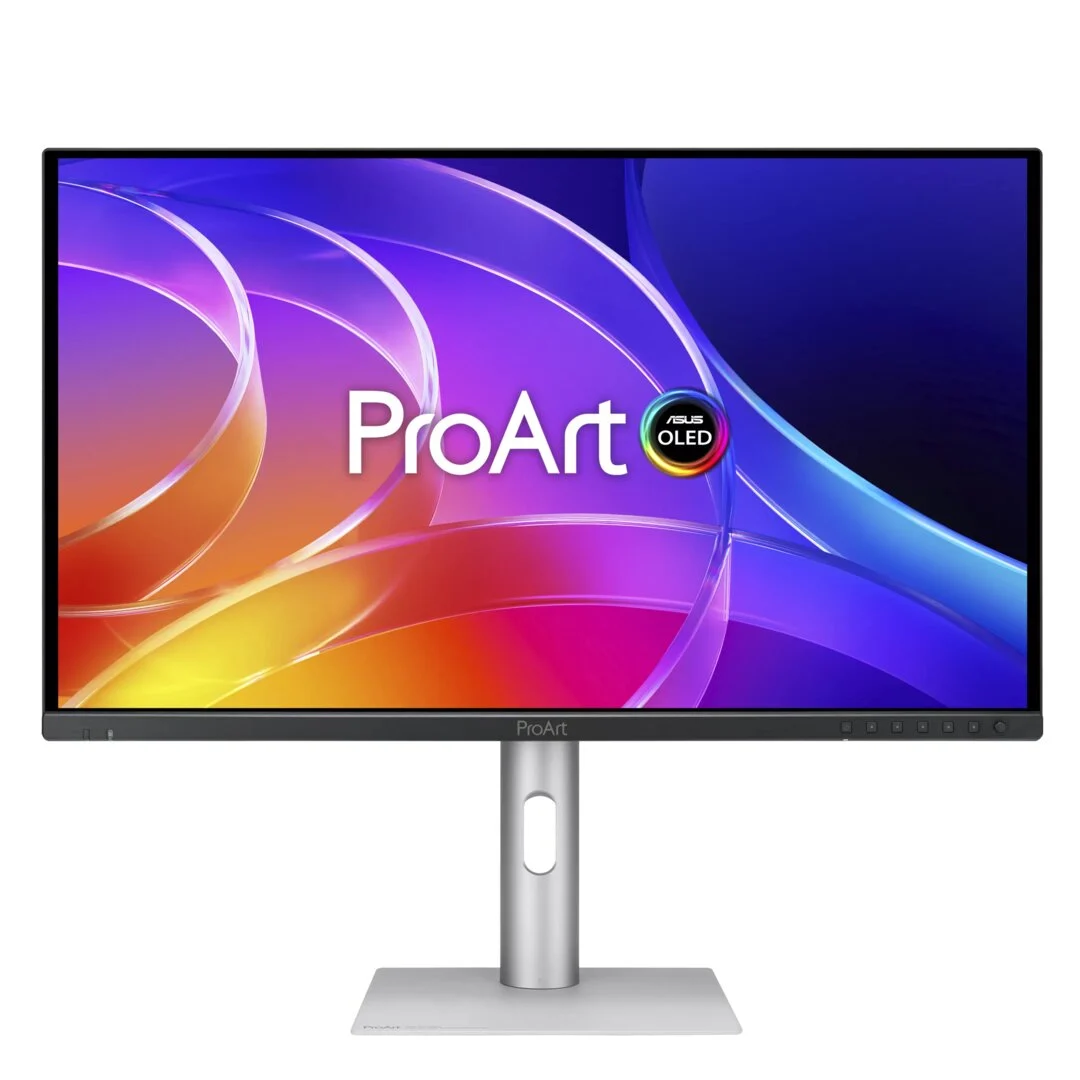
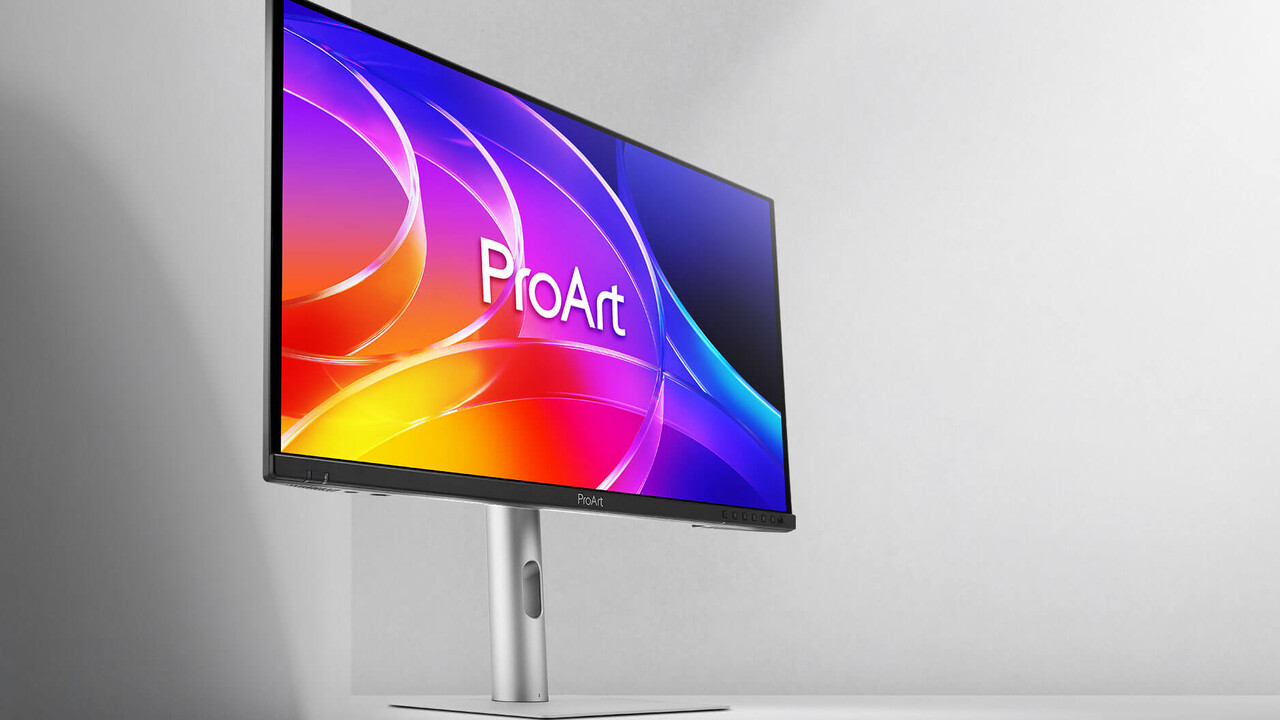
In a strategic expansion of its professional-grade hardware portfolio, Asus has unveiled three new additions to its esteemed ProArt monitor series. Designed specifically for color-critical workflows in cinematography, photography, and graphic design, these new displays leverage the advanced capabilities of QD-OLED (Quantum Dot OLED) technology. By introducing the PA279CDV, PA329CDV, and the flagship PA32USD, Asus is attempting to bridge the gap between high-end enthusiast displays and the uncompromising requirements of broadcast and film production environments.
The Core Lineup: A Detailed Overview of New Specifications
The recent announcement highlights a tiered approach to professional display solutions. While all three monitors share the foundation of QD-OLED panel technology and 4K UHD (3,840 x 2,160) resolution, they serve distinct roles within the creative ecosystem.
The PA279CDV and PA329CDV: Versatility for the Modern Studio
The PA279CDV (26.5 inches) and the PA329CDV (31.5 inches) represent the backbone of the new refresh. Both panels utilize a traditional 16:9 aspect ratio and are geared toward colorists and editors who require high-fidelity imagery without the complexity of broadcast-specific hardware.
Despite their impressive color reproduction, these models utilize an established generation of QD-OLED panels. They offer 250 cd/m² in SDR mode and reach a peak of 1,000 cd/m² in HDR scenarios, meeting the DisplayHDR True Black 400 standard. While these metrics are robust, they do not utilize the latest iteration of RGB-stripe subpixel layouts, which have become a point of discussion for those looking for the absolute pinnacle of text clarity. However, for visual media, the 120 Hz refresh rate and the factory-calibrated color accuracy of Delta E < 1.5 ensure that these monitors remain elite tools for image and video editing.
The Flagship: ProArt Display OLED PA32USD
Positioned as the spearhead of the lineup, the PA32USD is a specialized instrument. Previously teased at the 2026 NAB show, this display is engineered for the rigors of high-end production houses. It upgrades the user experience with a 240 Hz refresh rate and, crucially, a tighter factory calibration of Delta E < 1. Asus is positioning this panel as having "world-leading color performance," backed by the ability for users to perform ongoing recalibrations via the integrated motor-driven flip colorimeter.
Chronology of Development and Market Introduction
The journey of these monitors from concept to market reflects the fast-paced evolution of display technology.
- Initial Development Phase (2024–2025): Asus began R&D into integrating high-performance OLED panels with professional I/O standards like 12G-SDI, recognizing that many studios were still relying on aging LCD monitors for critical color grading.
- NAB 2026 Sneak Peek: The PA32USD was first unveiled at the National Association of Broadcasters (NAB) show in 2026. The reception from industry professionals signaled a demand for high-refresh-rate OLEDs that could handle uncompressed video feeds.
- Strategic Rollout (2027): The finalization of the PA279CDV and PA329CDV completes the portfolio, allowing Asus to offer a unified ProArt experience across different desk sizes and budgets.
Supporting Data and Technical Architecture
The technical specifications of these monitors go beyond simple panel performance. The inclusion of professional-grade connectivity is what differentiates these units from consumer-facing OLED gaming monitors.
Color Management and Calibration
The ProArt series is synonymous with color accuracy. All three new models are "Calman Verified," ensuring they meet the stringent standards of software-based color calibration workflows. They provide an impressive 99 percent coverage of both the DCI-P3 and BT.2020 color gamuts. The inclusion of the motorized flip-up colorimeter is a masterstroke of design, allowing users to schedule automatic recalibrations, ensuring that the display’s color output remains consistent as the panel ages.
Connectivity and Workflow Integration
- Daisy Chaining: With DisplayPort 1.4 in and out, the PA279CDV and PA329CDV support daisy-chaining, simplifying cable management for dual-monitor setups.
- The Power of USB-C: All models feature 96W Power Delivery via USB-C, allowing users to power high-performance laptops while simultaneously transmitting high-bandwidth video and data.
- SDI Infrastructure: The PA32USD includes Dual 12G-SDI ports. This is a critical inclusion for broadcast engineers, as it allows for the transmission of uncompressed 4K UHD video at 60 Hz in real-time, eliminating the latency and artifacts associated with consumer-grade connections.
- Future-Proofing: The PA32USD features Thunderbolt 4 connectivity, providing the necessary bandwidth for the most demanding production environments.
Official Stance and Industry Positioning
Asus has consistently framed the ProArt series not merely as hardware, but as an essential component of the creative process. In their official communications, Asus engineers emphasize that "the display is the final judge of the creator’s intent."
By focusing on the "Delta E < 1" standard for the PA32USD, Asus is attempting to claim the "reference monitor" crown. While many companies market their monitors as "professional," Asus is betting that the integration of hardware-level colorimeters and SDI connectivity will satisfy the most skeptical of colorists.
"We are not just selling a screen," a spokesperson noted during the initial reveal. "We are selling the confidence that what you see on the screen is exactly what the viewer will see on the final output."
Implications for the Professional Market
The introduction of these monitors has several significant implications for the creative industry.
1. The Decline of Legacy Broadcast Monitors
For years, professional studios have relied on specialized (and often prohibitively expensive) reference monitors. The ProArt series, by offering 12G-SDI and broadcast-grade color accuracy at a more accessible price point, could accelerate the industry’s transition away from aging hardware.
2. The Standardization of OLED
The shift toward QD-OLED is no longer limited to the gaming sector. By adopting this technology, Asus is validating OLED’s longevity and color stability for professional use. The ability to handle HDR content—specifically the inclusion of Dolby Vision and HLG support in the PA32USD—indicates that Asus is preparing for a future where high-dynamic-range content is the standard rather than the exception.
3. The "Desktop Studio" Evolution
The integration of USB-C Power Delivery, Auto KVM switches, and high-speed data connectivity suggests a trend toward cleaner, more efficient studio environments. By consolidating multiple cables into a single Thunderbolt 4 or USB-C connection, creators can reduce the clutter of their workstations, allowing for a more focused and ergonomic workflow.
4. Competitive Pressure
With this release, Asus puts pressure on competitors like Dell (UltraSharp) and Eizo (ColorEdge). While Eizo remains the gold standard for high-end medical and print-focused monitors, Asus is clearly targeting the digital cinema and high-end video production market, where refresh rate, color depth, and I/O versatility are paramount.
Final Thoughts: A Calculated Risk
While the lack of the newest subpixel layout in the entry-level models (PA279CDV/PA329CDV) might cause pause for the most demanding pixel-peepers, the overall package remains compelling. Asus has successfully identified that the modern professional creator needs a hybrid of gaming-level speed and broadcast-level precision.
The success of these models will ultimately depend on their real-world performance under long-term usage—specifically regarding the "burn-in" concerns that have historically plagued OLED technology. However, given Asus’s implementation of cooling solutions and the "Calman Verified" guarantee, the company is clearly confident in the longevity of these displays. As studios move toward increasingly complex 4K and HDR workflows, the ProArt PA series stands as a robust, future-ready solution that promises to keep the creator’s vision at the center of the creative process.










No comments yet. Be the first to join the conversation!