

In the digital landscape of 2026, the question is no longer whether your brand can use artificial intelligence to generate content—it’s whether anyone will care if you do. As AI-generated text, images, and video saturate every corner of the internet, a subtle, widespread fatigue has set in. From the LinkedIn feeds of C-suite executives to the comment sections of TikTok, audiences are signaling a clear preference: they want to talk to people, not machines.
The B2B marketing sector, long known for its buttoned-up professionalism and predictable tone, is finding itself at a critical crossroads. As AI tools become the primary engine for content production, the very qualities that once made brand communication effective—nuance, unique perspective, and raw human error—are being smoothed over by algorithms. The result is a growing phenomenon often referred to as "AI slop," and the industry is beginning to realize that, in a world of infinite, synthetic content, the most valuable currency is humanity.
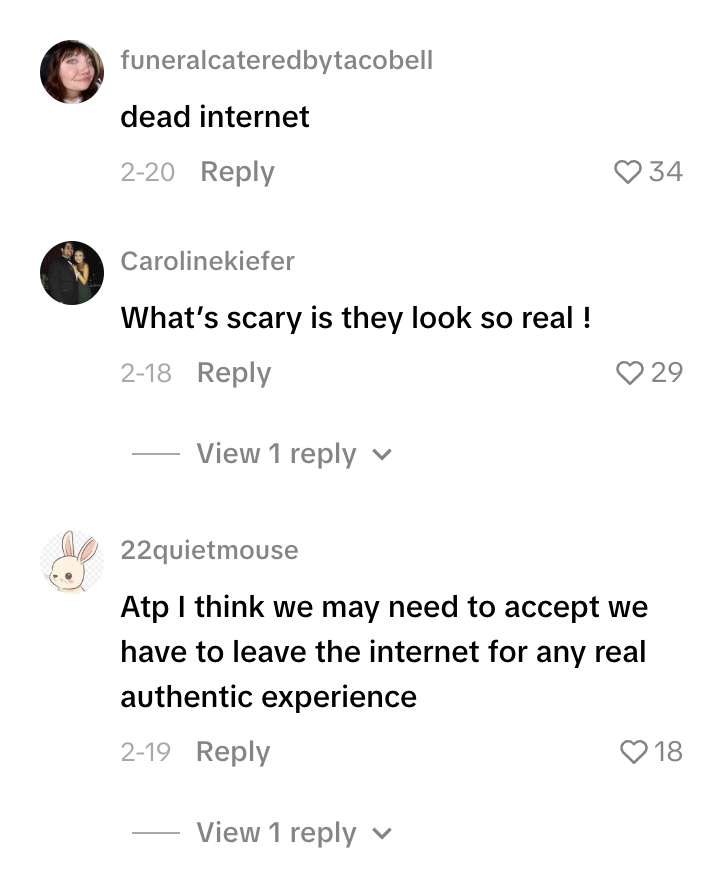
The State of the "Dead Internet"
The term "Dead Internet Theory" was once a fringe digital concept, but it is increasingly resonating with the mainstream. As social media platforms become flooded with auto-generated posts and AI-led comment threads, the fabric of online social interaction is fraying.
Recent data from Sprout Social’s Q1 2026 Pulse Survey confirms the severity of this shift: 50% of Gen Z consumers report that they will actively block or unfollow an account that repeatedly posts AI-generated content. Furthermore, 60% of all consumers state they are significantly less likely to engage with brand content in an environment they perceive as dominated by automation.
The "tells" of AI are becoming common knowledge. Consumers have developed a keen radar for the repetitive cadence of LLM-generated prose: the over-reliance on em dashes, the rigid three-point list structures, and the predictable "It’s not X, it’s Y" rhetorical flourishes. While AI is undeniably evolving, with 43% of consumers claiming they only encounter AI content occasionally, the underlying preference remains unchanged. Consumers want brands to prioritize human-generated content as their primary strategy in 2026—a directive that stands in direct opposition to the current operational reality where marketers use AI for content creation more than any other business task.
The Case for Human-Driven Storytelling
To understand how brands can navigate this landscape, we sat down with Patsy Wagner, Associate Director of Global Content & Owned Channel Marketing at Spotify. For Wagner, the shift toward human-centric marketing is not just a trend; it is a fundamental survival strategy.
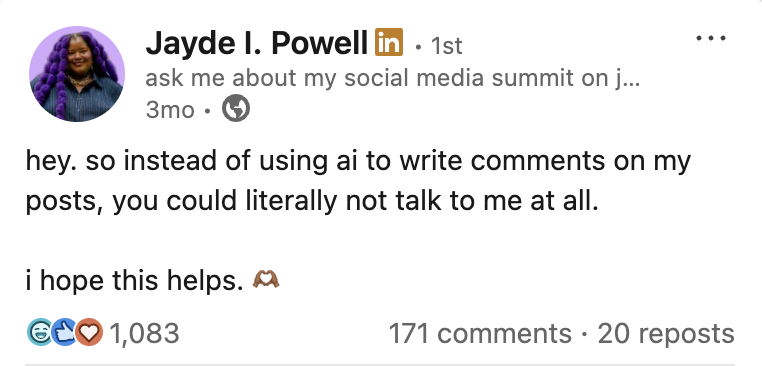
"AI content often sounds identical in its cadence and punctuation," Wagner explains. "The more a brand defines its distinct tone, the more it will differentiate and connect. Humans are drawn to ‘the zags’—the unexpected turns, the quirks, and even the minor errors. AI produces textbook content, but textbook content rarely stops a user from scrolling."
Wagner’s approach to content strategy is intentionally provocative. She recalls telling her agency partners, "Give me something I can hate." The logic is simple: it is far easier to refine a bold, imperfect creative swing than it is to build engagement around something so "palatable" and sanitized that it becomes invisible to the audience.
Building the Human Ecosystem
When a brand relies solely on its official corporate account, it faces a significant disadvantage. In the modern social hierarchy, individuals possess more credibility than institutions. To break through the noise, brands must cultivate an ecosystem of voices, including executives, employee creators, and external influencers.
The Power of Executive Presence
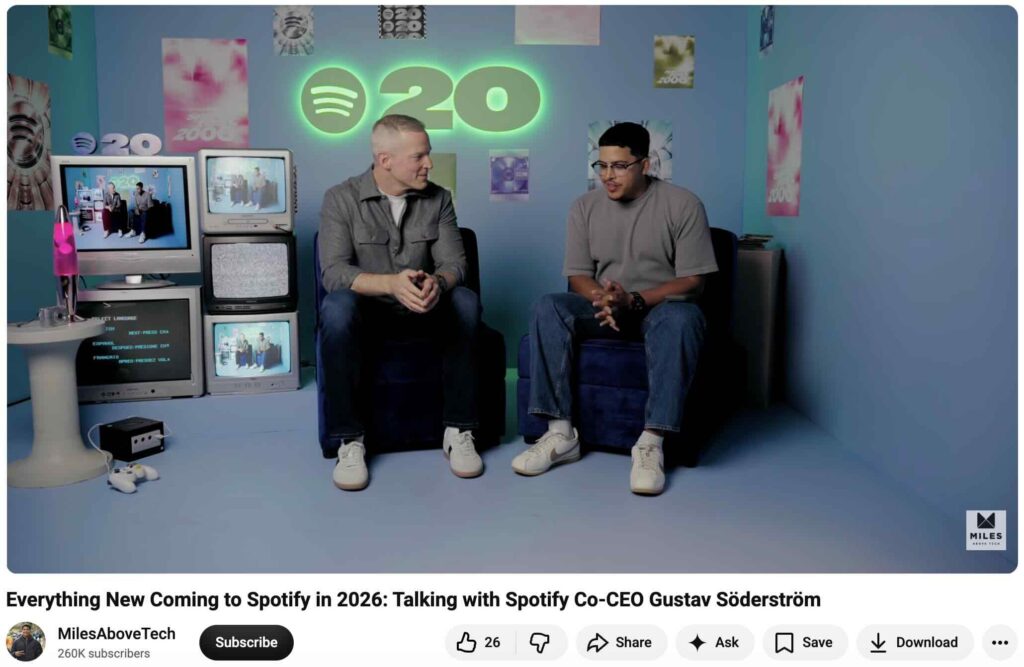
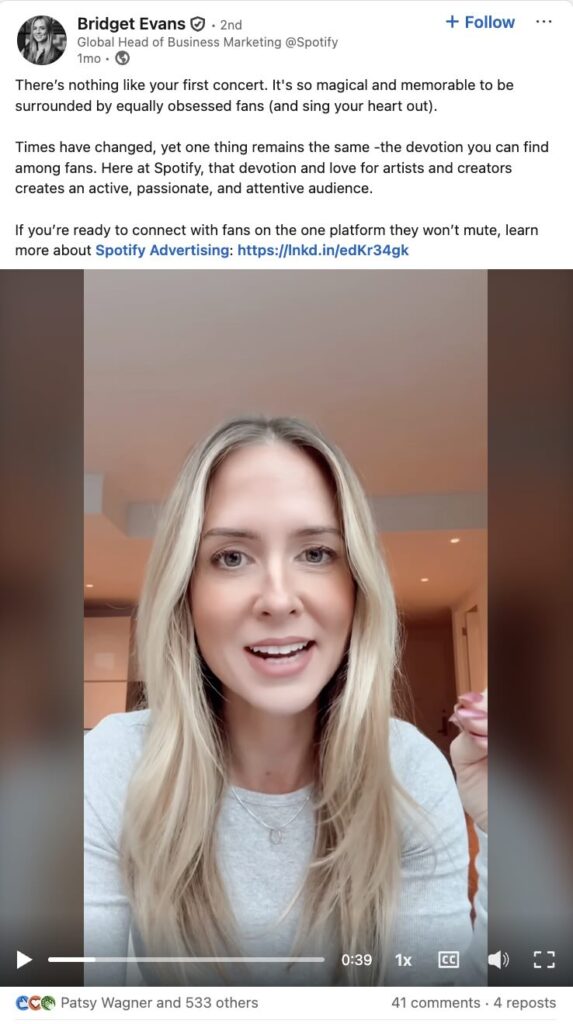
The Sprout Social Content Benchmarks Report reveals a telling insight: nearly half of all social media users wish they saw more company updates delivered directly by leadership. Executive voices provide a bridge between the brand’s history and its future. When leaders—such as Spotify’s co-CEO Gustav Söderström—engage in genuine dialogue about industry shifts, product innovations, and organizational philosophy, they humanize the corporate entity. This transparency builds long-term trust, aids in talent retention, and provides a sense of stability for investors and partners.
Empowering the Employee Creator
Employees are arguably a brand’s most untapped asset. Unlike an AI-generated brand voice, an employee’s personality brings warmth, relatable experiences, and distinct expertise to the table.
Sprout Social’s internal data highlights this effectiveness: their "Internal Creator Network" saw a 680% year-over-year growth in video impressions. These employee-led posts now account for nearly 30% of all video impressions, despite making up less than 8% of the total content mix. The lesson is clear: when employees are given the agency to share their own perspectives, the brand benefits from a higher rate of emotional connection.
Influencers as Strategic Partners
Influencers are no longer just channels for distribution; they are architects of the brand universe. Long-term partnerships are the key to unlocking this potential. When a brand partners with a creator over an extended period, that influencer becomes an extension of the internal team—collecting customer feedback, stress-testing new product ideas, and crafting content that resonates with specific niches. According to the Q3 2025 Pulse Survey, 64% of consumers are more likely to make a purchase when a brand aligns with a creator they trust.
The Strategic Implications: Why Humanity Scales
While the demand for human-generated content is clear, the operational challenge remains: how to produce it at scale? Human content is inherently more resource-intensive than AI output. It requires talent management, continuous coaching, and a culture that encourages individual expression.
However, the payoff is significant in three critical areas:
- Distinct Brand Identity: In a world where every brand has access to the same LLMs, the "how" of your communication becomes more important than the "what." A recognizable tone, shaped by the personalities of your employees and leaders, creates a brand identity that no algorithm can replicate.
- Search and Discoverability: Counterintuitively, human-generated content is the lifeblood of AI-driven search. Research indicates that 82% of the content cited by platforms like ChatGPT and Perplexity is written by humans. By producing high-quality, expert-driven content—whether through short-form video, expert blogs, or deep-dive podcasts—brands feed the "answer engines" that are increasingly replacing traditional search.
- Cross-Functional Integration: To truly succeed, marketing departments must break down the silos between content, SEO, and social teams. As Wagner notes, "Content and channel marketing work better when they’re integrated." When these teams align on the goal of delivering human value, they create a cohesive narrative that spans across every touchpoint of the customer journey.
Conclusion: The Future is Imperfect
The rise of AI has provided marketers with unprecedented efficiency, but it has also created a dangerous temptation to prioritize volume over substance. As we move further into 2026, the most successful brands will be those that use AI for the "tedious" work—data collection, analysis, and basic editing—while reserving the "creative" work for human hands.
The internet is not dead, but it is currently gasping for air beneath a layer of synthetic noise. By doubling down on human perspectives, embracing the beauty of imperfection, and fostering a community of real people, brands can cut through the clutter. Authenticity is not just a buzzword; in an age of automation, it is the only viable path to long-term audience retention and trust.
The message to marketers is clear: put your people in front of the camera, give your employees the space to speak, and stop asking your tools to do the work that requires a human soul. Your audience will thank you for it.












No comments yet. Be the first to join the conversation!