Iffa Jayyana
By Linda Güster
Published June 4, 2026
Valve has officially initiated a major expansion of its "Verified" certification program, incorporating two highly anticipated hardware platforms: the Steam Machine and the Steam Frame. As both devices prepare for a commercial launch later this summer, the latest update to the Steamworks documentation marks a critical turning point for developers, signaling that the "Verified" ecosystem is no longer confined to the handheld Steam Deck.
The Partner Dashboard has been overhauled to include dedicated testing tabs for both new devices, allowing developers to see the status of their titles immediately. This rollout is the culmination of months of behind-the-scenes work by Valve to ensure that when the hardware hits consumer hands, the software library is ready to meet the unique performance demands of both a living-room console and a standalone VR headset.
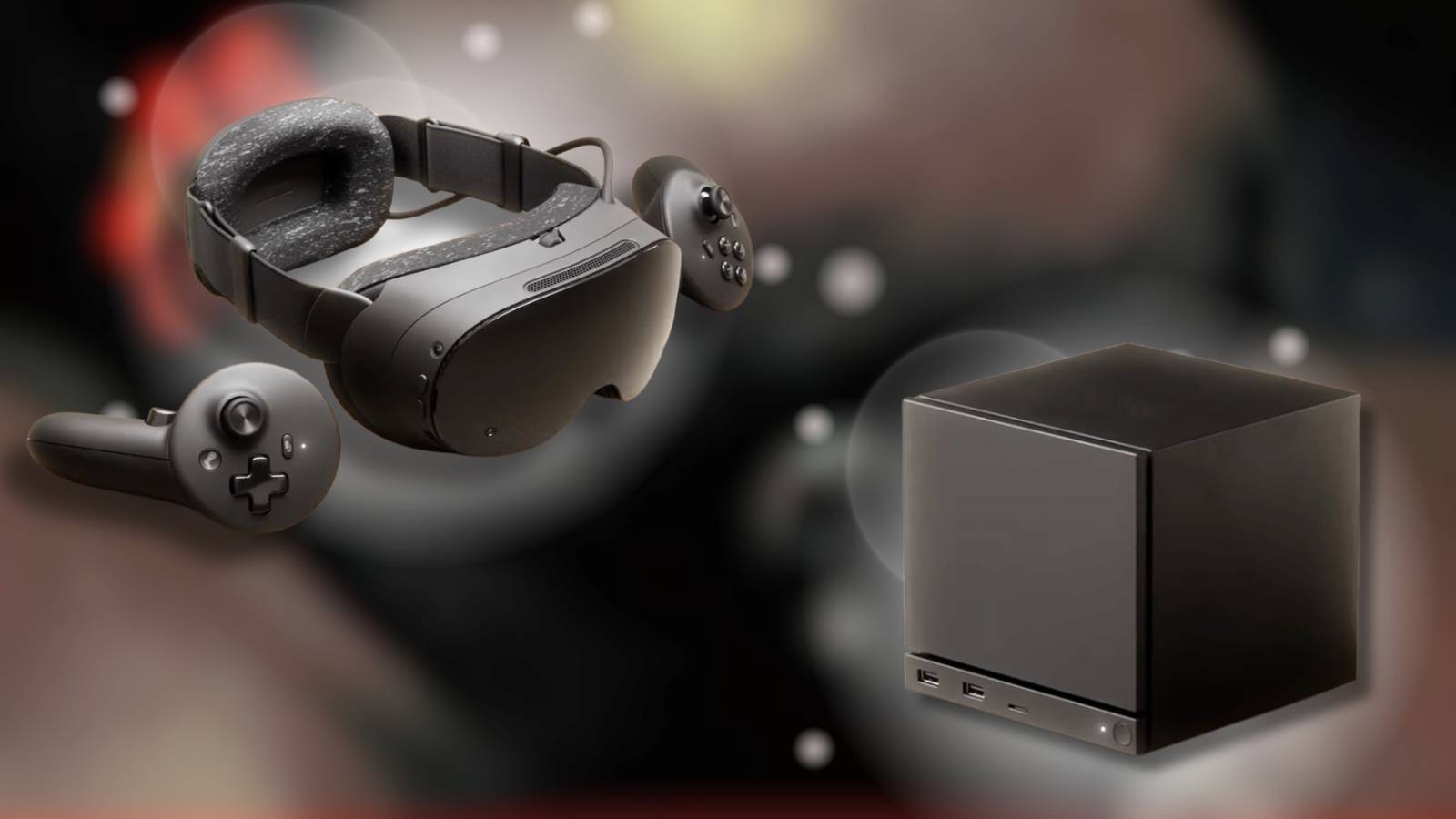
The Chronology of Valve’s Hardware Push
The journey to this summer’s hardware launch began in November 2025, when Valve surprised the industry with a sudden announcement detailing their new hardware roadmap. While initial expectations were tempered by a global shortage of essential components—specifically high-speed RAM and storage modules—which necessitated minor delays, the project has remained on track.
The Steam Machine, a long-rumored successor to the ill-fated 2015 initiative, represents a total paradigm shift. Unlike the original licensing program, which saw third-party manufacturers attempt to build living-room PCs, the 2026 Steam Machine is a first-party, Valve-engineered device. Conceived as a dedicated, couch-based gaming solution, it is designed to bridge the gap between the portability of the Steam Deck and the raw power of a desktop rig.
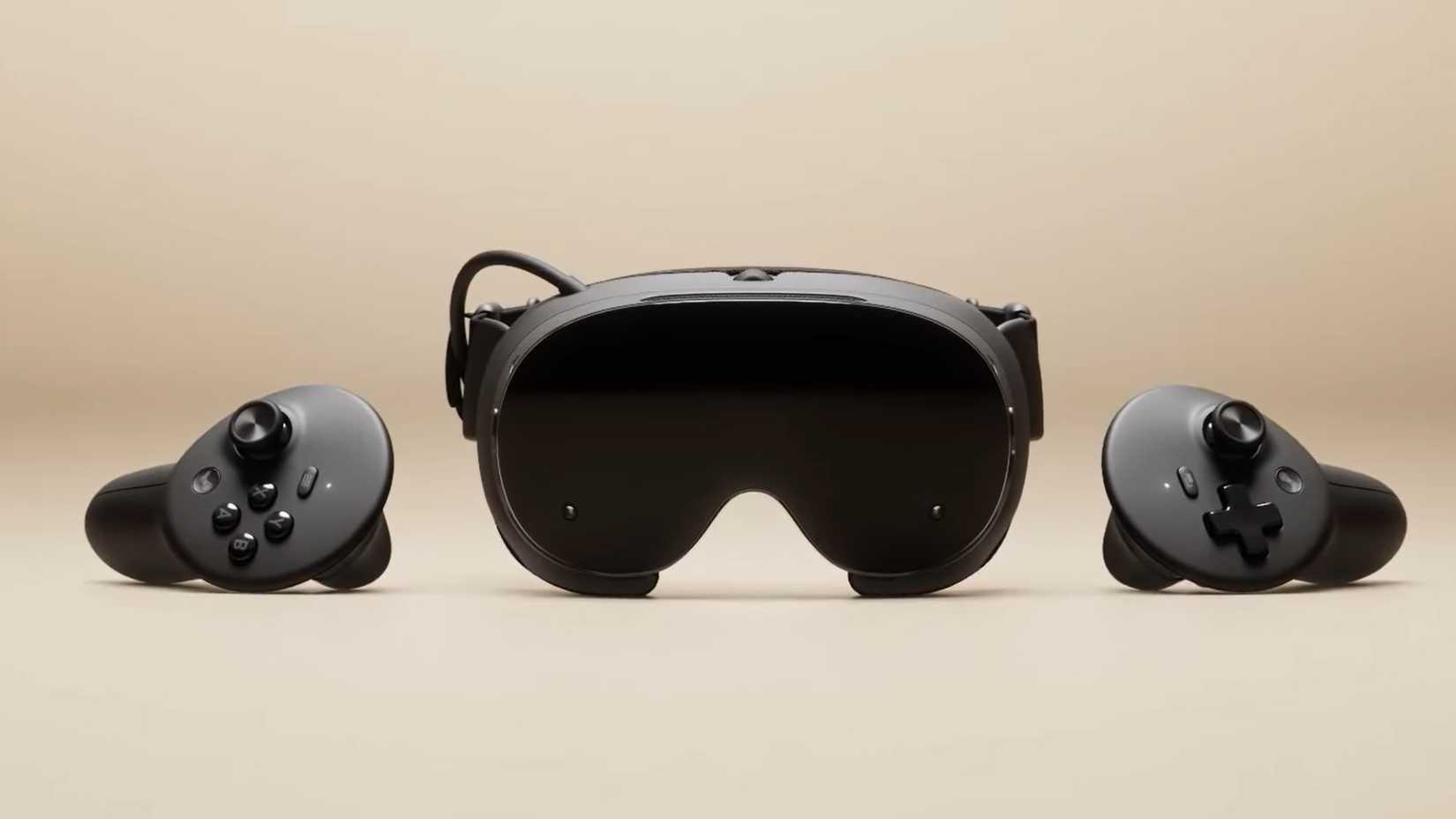
Meanwhile, the Steam Frame—Valve’s entry into the standalone VR market—has undergone a rigorous development cycle. By integrating Qualcomm’s Snapdragon 8 Gen 3 architecture with SteamOS, Valve is aiming to challenge the dominance of standalone headsets while maintaining the open-platform ethos that defines the Steam ecosystem.

Technical Specifications and Hardware Capabilities
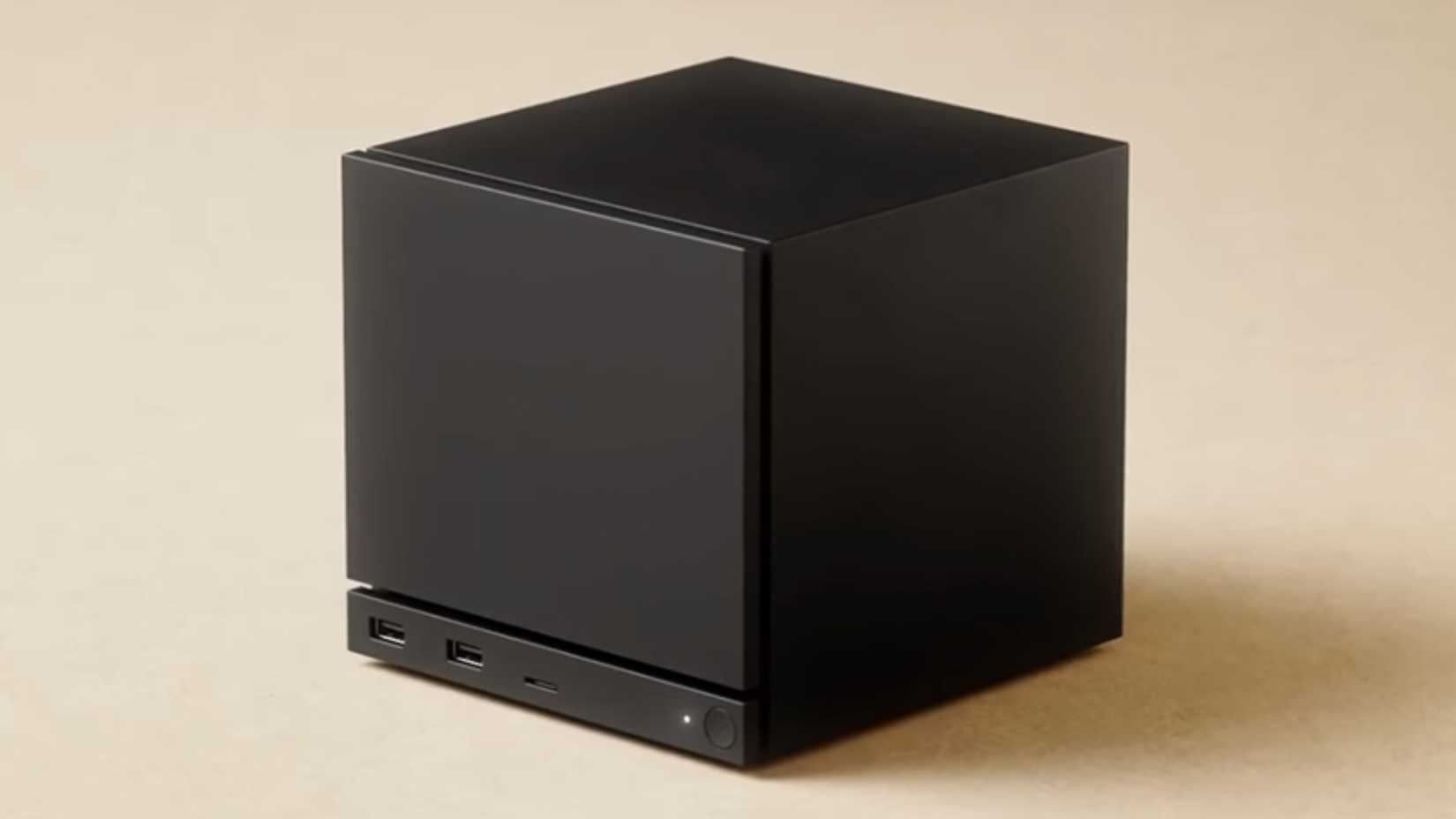
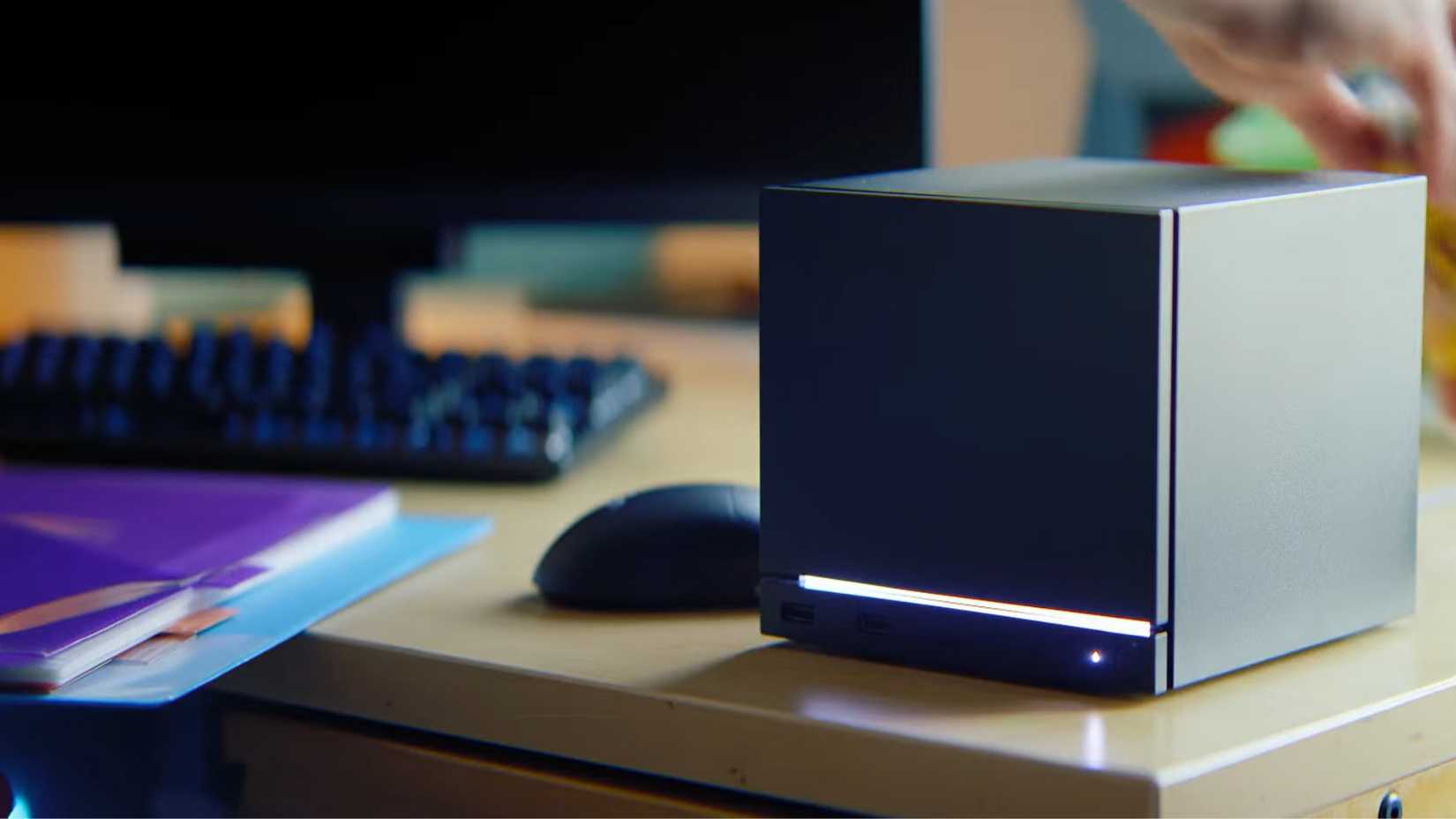
The "Gabe Cube": Powering the Living Room
The Steam Machine is built around a bespoke AMD semi-custom chip, featuring six Zen 4 cores and an RDNA 3 graphics architecture. With 16GB of DDR5 RAM and up to 2TB of internal storage, the device is positioned as a 4K/60fps powerhouse. Valve is leaning heavily on AMD’s FSR (FidelityFX Super Resolution) upscaling technology to achieve these frame rates, though lighter indie titles will likely run at native resolutions.
According to preliminary internal benchmarks, the Steam Machine offers roughly six times the compute performance of the original Steam Deck. This massive leap in thermal and power headroom allows for higher graphical presets, ray-tracing support, and more complex physics simulations—features that were often constrained on the portable hardware.
Steam Frame: The Dual-Mode Headset
The Steam Frame is a study in engineering efficiency. Designed primarily as a high-fidelity wireless PC VR headset, it features a dedicated Wi-Fi 6E adapter to ensure minimal latency when streaming from a PC or Steam Machine.

In its standalone mode, the headset operates as a fully independent unit. It is powered by the Snapdragon 8 Gen 3 and 16GB of LPDDR5X RAM, capable of running VR titles directly on the hardware. However, Valve has been transparent about the limitations of this standalone mode. With a 21.6Wh battery, the headset provides approximately one hour of intensive gameplay, reflecting the 20-watt power draw of the Snapdragon chip. To mitigate this, Valve has positioned the standalone mode as a secondary feature, with wireless streaming serving as the primary use case for longer play sessions.
The "Verified" Framework: Requirements and Standards
Valve’s approach to verification remains centered on consistency and accessibility. For developers, the transition to the new hardware standards is designed to be as frictionless as possible.
Steam Machine Verified
For the Steam Machine, the criteria mirror the existing Steam Deck Verified program:
- Controller Input: The game must support standard controller layouts natively, with no required keyboard/mouse configuration for basic gameplay.
- Performance Stability: The title must maintain stable frame rates at the device’s target resolution (4K/60fps with FSR).
- User Interface: Text must be legible at a distance, and there must be no "launcher" software that interrupts the seamless SteamOS experience.
Because the Steam Machine shares the same Linux-based architecture as the Steam Deck—leveraging the Proton compatibility layer—most games already marked as "Verified" on the Deck are expected to function flawlessly on the Steam Machine. Valve’s automated testing tools are already identifying titles that pass these thresholds, sparing developers from manual re-submission for the majority of their catalog.
Steam Frame Verified
The Steam Frame verification process is more nuanced due to the dual nature of the device (VR vs. 2D).
- 2D Titles: Must maintain at least 30fps at 720p.
- VR Titles: Must hit a 72fps baseline at 1728×1728 per eye.
- Unsupported Status: VR titles rendering below 1440×1440 resolution will be automatically flagged as "Unsupported" to manage consumer expectations.
Valve has also introduced a new Performance Metrics Overlay specifically for SteamVR, allowing developers to monitor frame timings and thermals in real-time. This is a vital tool for studios aiming to optimize their titles for the tighter thermal envelope of a head-mounted display.
Industry Implications and Developer Impact
The expansion of the Verified program is a strategic move to ensure software parity across Valve’s hardware lineup. By providing clear, dashboard-integrated feedback, Valve is effectively outsourcing the optimization process to developers, but with the benefit of clear "pass/fail" data.
The "Runway" Effect
By announcing these requirements well ahead of the summer release, Valve is giving studios the "runway" necessary to perform minor optimizations. For many developers, this is a best-case scenario. If a game is already verified for the Steam Deck, the work required for the Steam Machine is negligible. For those whose games currently fall into the "Playable" or "Unsupported" categories, the Partner Dashboard provides granular data on exactly which shaders or UI elements need adjustment.
Addressing the "Gabe Cube" Customization
Valve is also fostering community engagement through hardware modularity. By releasing the CAD files for the Steam Machine’s chassis, the company is inviting the PC building community to create custom 3D-printed front panels. This aligns with Valve’s historical commitment to an open hardware ecosystem, potentially turning the Steam Machine into a platform for artistic and functional modding.

Official Stance and Future Outlook
Valve’s internal messaging emphasizes that the Steam Machine and Steam Frame are not meant to replace the PC or the Steam Deck, but to complement them. The goal is to provide a "Steam experience" in every corner of the house—from the handheld commute to the living room couch and into the immersive space of VR.
"We are building a holistic ecosystem," noted a spokesperson from Valve during the initial hardware reveal. "The Verified program is the glue that holds this together. If a customer sees that green checkmark, they know exactly what to expect, regardless of which Valve device they are holding."
As the launch window approaches, the gaming community is watching closely. The success of the Steam Deck has built significant trust in Valve’s hardware capabilities. However, moving from a successful handheld into the highly competitive living-room console market and the high-stakes VR sector is a significant leap.
For developers, the message is clear: the hardware is coming, the standards are set, and the tools are ready. The coming months will be a flurry of updates and optimizations, as studios scramble to ensure their titles are "Verified" before the first units arrive in customers’ homes. For Valve, this launch represents the culmination of a multi-year effort to cement Steam as the premier platform for all gaming, unbound by the limitations of the traditional desktop tower.
With thousands of titles already being pre-tested by Valve’s automated systems, the industry is entering a new era of standardized hardware support, one where the "Verified" label is rapidly becoming the gold standard for performance, compatibility, and user experience.


 Asro
Asro
 Muslim