Neng Nana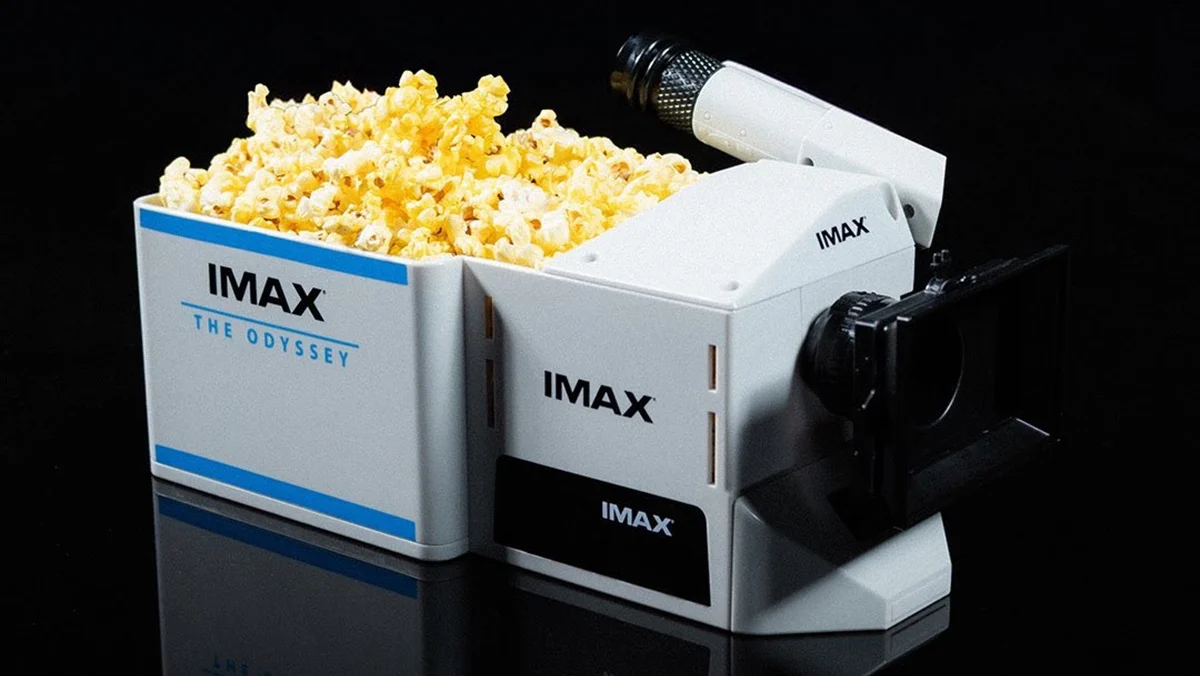
In the high-stakes ecosystem of modern theatrical exhibition, the popcorn bucket has evolved from a simple grease-stained cardboard vessel into a status symbol. As movie theaters battle for relevance against the convenience of home streaming, the "collectible bucket" has become a vital strategic maneuver—a physical, tangible piece of merchandise that forces audiences to physically visit a cinema. From the infamous, anatomically suggestive sandworms of Dune: Part Two to the sprawling, metallic character heads of the Marvel Cinematic Universe, these plastic containers are the new bedrock of movie marketing.
However, the latest entry into this burgeoning collector’s market represents a shift from the whimsical to the hyper-specific. For Christopher Nolan’s upcoming $250 million epic, The Odyssey, exhibitors aren’t offering a Trojan Horse or a mythological beast. Instead, they are offering a replica IMAX camera. It is a choice that is as pretentious as it is brilliant—a meta-commentary on the medium itself that perfectly captures the "Nolan-esque" brand of cinema.
The Evolution of the Theatrical Gimmick
To understand the significance of the The Odyssey IMAX bucket, one must look at the trajectory of movie theater marketing over the last decade. As attendance figures fluctuate, theater chains have doubled down on the "experience economy." The goal is to provide something that a 65-inch 4K television in a living room cannot replicate: a sense of community and a unique, collectible takeaway.
The "bucket craze" reached a fever pitch following the pandemic, as studios sought to turn standard concession items into viral social media moments. When a consumer buys a popcorn bucket shaped like a character, they aren’t just buying snacks; they are participating in a digital trend. TikTok and Instagram have turned these plastic buckets into "must-have" items, often selling out within hours of a film’s release.
Yet, these items usually rely on pop-culture iconography. The Odyssey, however, eschews the traditional route. By choosing the camera—the tool of the trade—the studio is signaling that the star of this movie isn’t just the cast; it is the format.
Chronology of an IMAX Obsession
Christopher Nolan’s love affair with IMAX is well-documented and predates the current trend of using the format as a marketing buzzword. His journey began in earnest with The Dark Knight (2008), where he famously utilized IMAX 70mm cameras to capture action sequences with unprecedented clarity. This was a turning point for the industry; it transformed IMAX from a documentary-focused format into the gold standard for prestige blockbusters.
Following The Dark Knight, Nolan continued to push the technical boundaries:
- 2012: The Dark Knight Rises further expanded the use of the 70mm frame.
- 2014: Interstellar utilized IMAX to capture the vast, terrifying scale of space.
- 2017: Dunkirk brought the intimacy of the format to the battlefield, blurring the lines between technical precision and human emotion.
- 2020: Tenet served as the great "theatrical savior" attempt during the height of the global pandemic, reinforcing Nolan’s stance on the necessity of the big screen.
- 2023: Oppenheimer became the ultimate triumph of the format, proving that a three-hour R-rated biographical drama could be a massive global event, largely driven by the "IMAX 70mm" marketing hook.
Now, with The Odyssey, the cycle is complete. The promotional merchandise has finally aligned with the auteur’s philosophy: the camera is the icon.
Supporting Data: The Economics of the $250 Million Bet
The stakes for The Odyssey are immense. With a production budget of $250 million, the film sits firmly in the "high-risk, high-reward" category. Recent industry tracking has indicated a slight cooling in audience interest following the most recent trailer, a hurdle that any three-hour, R-rated epic would face in a crowded summer release calendar.
Industry analysts note that "Barbenheimer"—the dual-release phenomenon that propelled Oppenheimer to historic heights—was a lightning-in-a-bottle moment that is difficult to replicate. Without the accidental cultural synergy of a massive viral movement, The Odyssey must stand on its own merits.
The implementation of the IMAX camera bucket serves as a psychological anchor. It targets the "film snob" demographic—the exact audience that Nolan needs to fill seats during the opening weekend. By creating an item that appeals to collectors and cinephiles, the studio is attempting to solidify the film’s status as a "must-see event" rather than just another blockbuster. It is an attempt to cultivate a sense of scarcity and prestige that justifies the premium ticket prices associated with IMAX screenings.
Official Responses and Industry Sentiment
While the studio has remained relatively quiet regarding the specific sales projections for the bucket, the industry’s reception has been one of fascination. Critics and marketing experts argue that the bucket is a piece of "in-joke" merchandise.
"It’s not just a bucket," says one marketing executive familiar with the campaign. "It’s a declaration. You don’t buy a bucket shaped like a camera because you want a snack container. You buy it because you want to be seen as someone who appreciates the technical craft of filmmaking. It turns the theater lobby into a gallery."
However, not everyone is convinced of its mass-market appeal. Concerns have been raised about the ergonomics of a square, bulky camera-shaped container versus the traditional, easy-to-carry buckets. Nevertheless, for the core Nolan audience, the "unwieldiness" is likely part of the charm. It is an inconvenient, uncompromising object—much like the films themselves.
Implications for the Future of Exhibition
The release of the The Odyssey IMAX bucket holds significant implications for the future of movie theater marketing:
1. The Death of the Generic Bucket
If this campaign succeeds, we may see an end to the "character head" trend in favor of more conceptual, behind-the-scenes-focused merchandise. Studios may look to reward the "super-fan" with items that reference the production process—miniature clapperboards, prop replicas, or, in this case, the very tools of cinematography.
2. Deepening the Cult of the Auteur
Nolan is one of the few directors whose name alone acts as a brand. The bucket confirms that his audience is not just consuming stories; they are consuming the "Nolan Method." By branding the bucket with the IMAX logo, the studio is reinforcing the idea that the viewer is participating in a high-art experience, regardless of whether the movie resonates with the general public.
3. The "Eventization" of Cinema
As streaming platforms dominate the home viewing experience, theatrical releases are under pressure to justify the price of a ticket. The bucket serves as a "value-add" that provides a physical memory of the event. It is a response to the digital age: if you can’t own the movie in the same way you once owned VHS or DVD, you can at least own a piece of the theater experience.
Conclusion: A Testament to "C I N E M A"
The irony of a square, rigid plastic camera used to house buttery popcorn is not lost on anyone. It is a bizarre, highly specific object that serves as a perfect microcosm for the current state of the film industry. The Odyssey arrives in theaters on July 17, and it carries the weight of a $250 million investment, a three-hour runtime, and the reputation of the most famous director in the world.
Whether or not the film itself captures the hearts of the global audience, the IMAX camera bucket has already succeeded in one major regard: it has started a conversation. It reminds us that even in an era of digital saturation, the ritual of going to the movies—and the strange, unnecessary, wonderful collectibles we bring home from them—still holds a unique place in our culture. For Christopher Nolan, it isn’t just about the story; it is about the sanctity of the image, the projection of light, and the enduring, physical power of cinema. If that requires a plastic camera filled with popcorn to drive home the point, so be it.


 Siti Muinah
 Azzam Bilal Chamdy