Asep Darmawan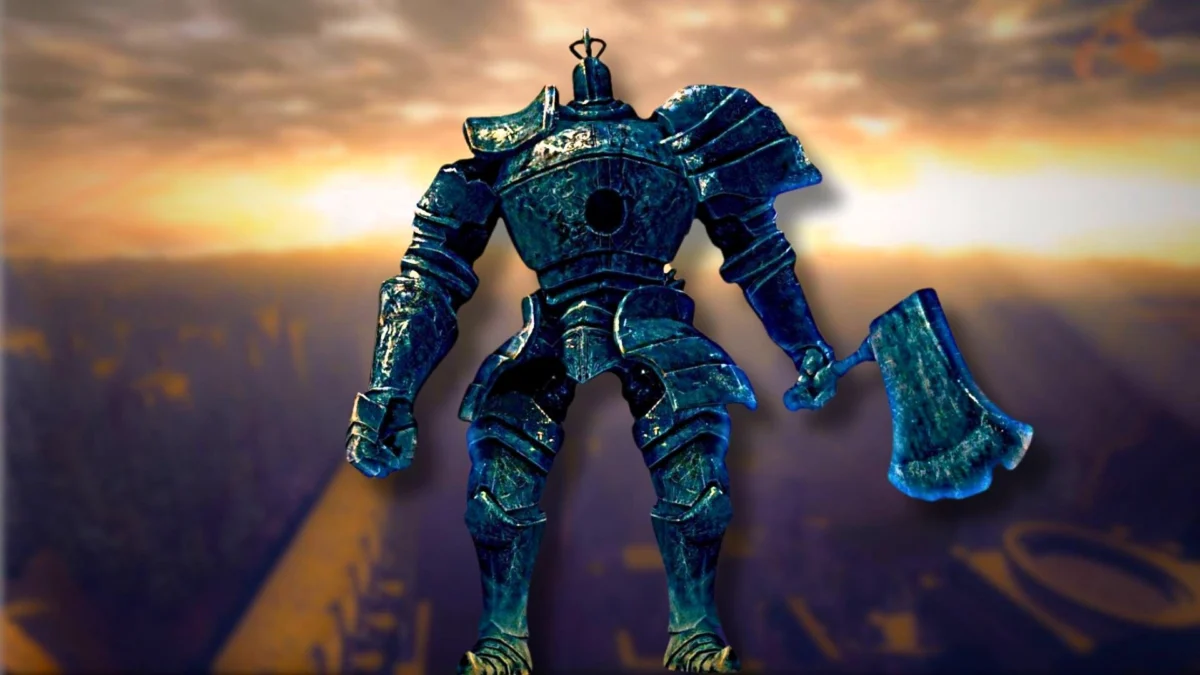
Dark Souls is more than a game; it is a cultural touchstone that redefined the modern action RPG. Its reputation is built on a foundation of unforgiving combat, intricate level design, and, most famously, a difficulty curve that has broken the spirits of countless players. However, beneath the surface of its brutal encounters lies a sandbox of mechanics that can be exploited by the observant and the opportunistic. While the game demands mastery of timing and positioning, it also rewards those who think outside the box.
For many, "cheesing" a boss—utilizing unintended mechanics, environmental exploits, or specific AI vulnerabilities to trivialise a fight—is seen as a rite of passage. Here is an exploration of how the community has dismantled some of the most daunting encounters in Lordran.
The Philosophy of the "Cheese"
In the realm of FromSoftware, "difficulty" is often a matter of perspective. While the developers intended for players to learn the intricate attack patterns of bosses like Ornstein and Smough or the Artorias-level threats, the game’s engine often creates opportunities for creative solutions. Whether it is a line-of-sight issue, a pathfinding error, or a specific item interaction, these "cheese" strategies turn the most terrifying monsters in the game into mere speed bumps.
Chronology of Exploits: From Undead Burg to Anor Londo
10. The Taurus Demon: A Lesson in Gravity
After escaping the Undead Asylum, the Taurus Demon acts as a gatekeeper to the Undead Burg. For a novice, the bridge is a claustrophobic nightmare. However, the architecture itself is the boss’s undoing. By luring the demon toward the broken section of the bridge and baiting an attack, a player can cause the beast to lose its footing. With a well-timed backstep, the Taurus Demon will plummet to its death, effectively ending the fight before it truly begins.

9. The Bell Gargoyles: Freezing the AI
The Bell Gargoyles serve as the first major "skill check" for players. However, by manipulating the fog wall boundary, one can trigger a state of paralysis in the boss. By performing a riposte on an enemy near the fog gate, the player can be pushed into the arena in a way that triggers the boss’s health bar without initiating the encounter. Returning to the arena after resting at a bonfire often results in a frozen, defenseless Gargoyle, leaving only its weaker sibling to finish the job.
8. The Capra Demon: The Dung Pie Strategy
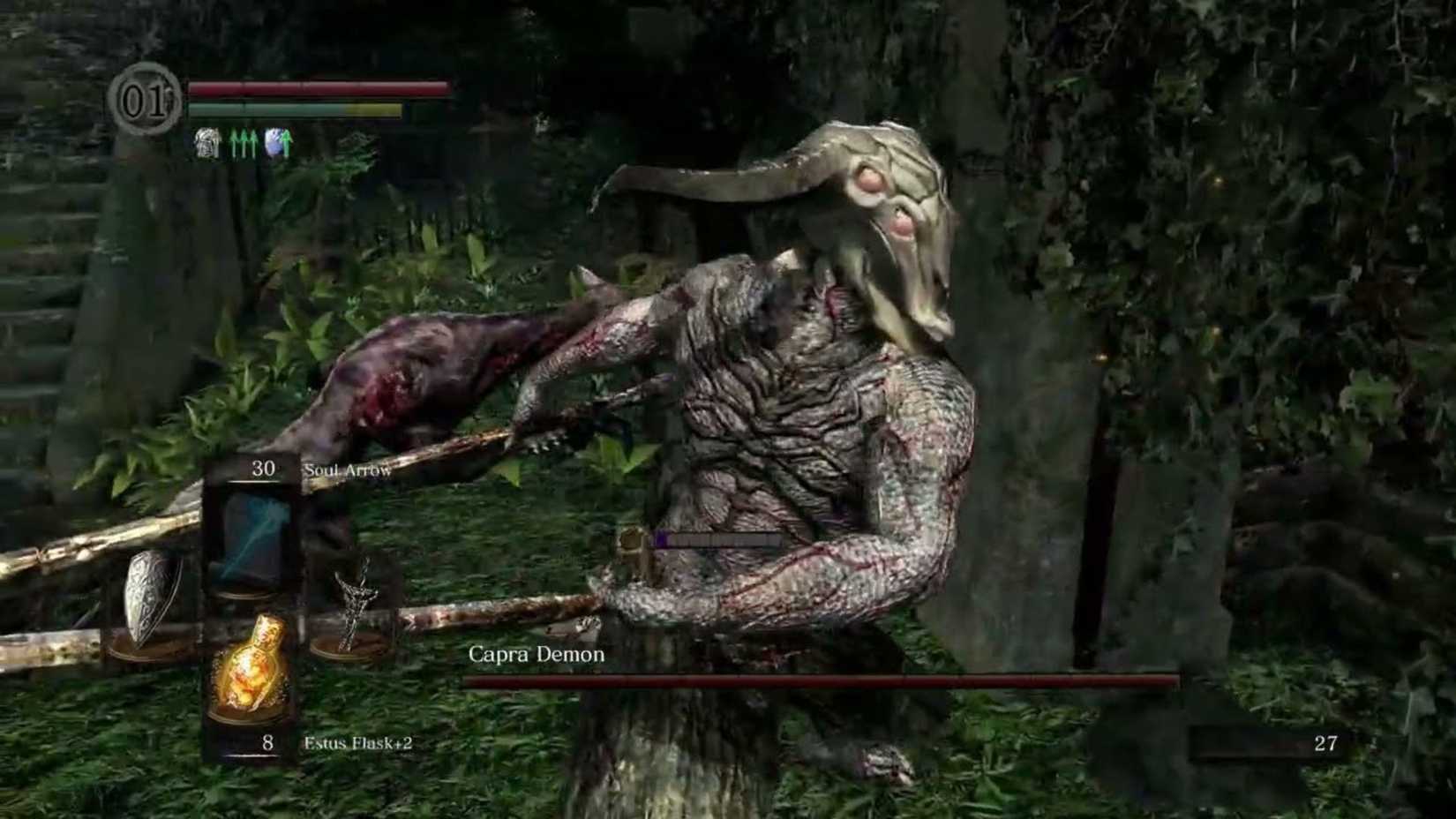
The Capra Demon is infamous for its cramped arena and two flanking dogs. Many players struggle with the initial onslaught. The solution? Don’t enter the room. By purchasing a significant supply of Dung Pies from the merchant in the Undead Burg, players can lob projectiles over the fog wall. Because the boss is positioned within the arena’s bounds, it will succumb to toxic buildup while the player stands safely in the corridor, completely unharmed.

7. Chaos Witch Quelaag: The Three-Pronged Approach
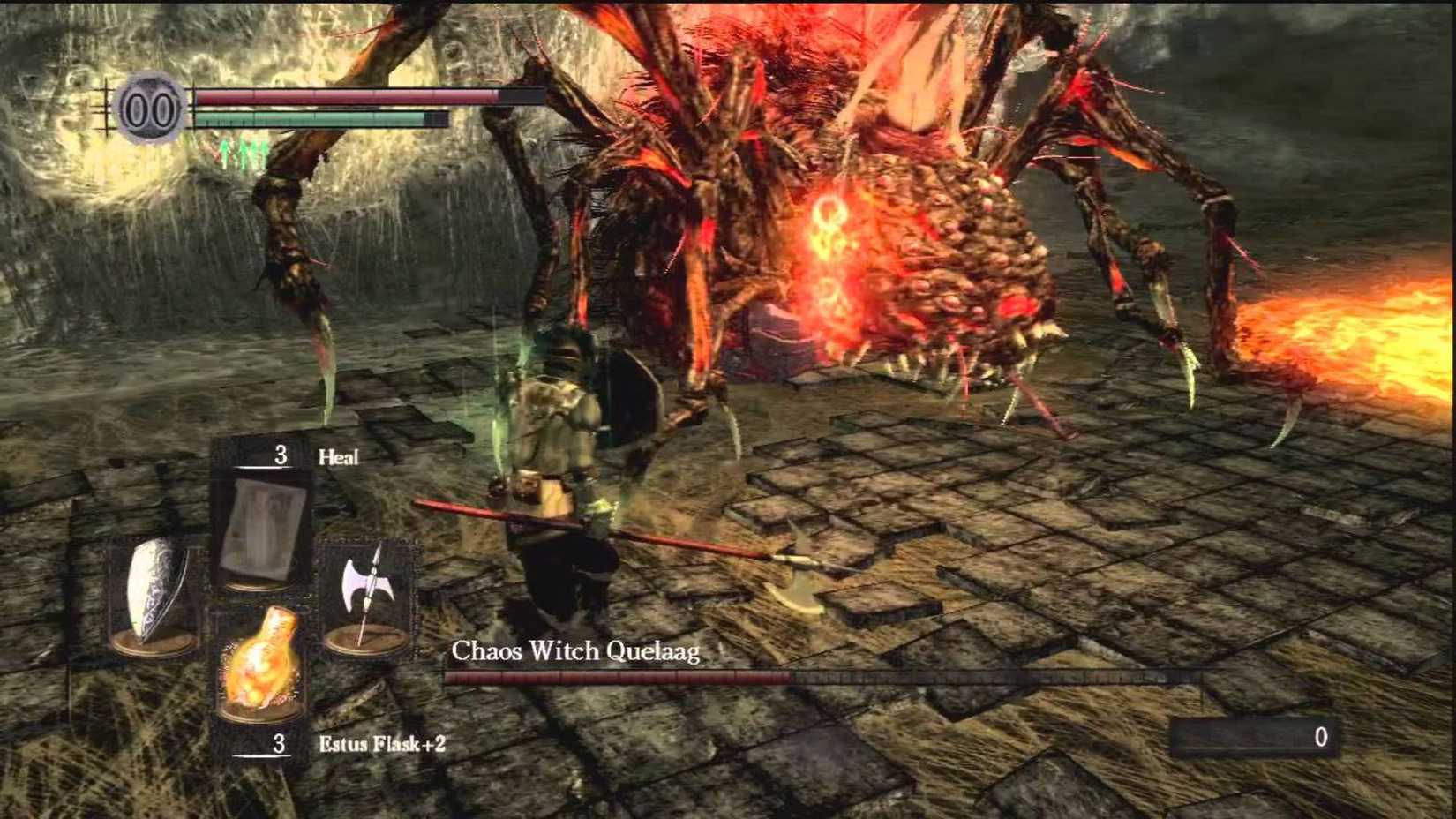
Quelaag remains a visually and mechanically stunning boss. However, she is highly susceptible to exploitation. Summoning Maneater Mildred is the most common method, as the NPC can effectively solo the boss. Alternatively, using a halberd for consistent overhead strikes stuns her human torso, preventing her from attacking. For those who prefer distance, the side of the arena offers a vantage point where arrows can neutralize her entirely.
6. The Iron Golem: Defying Physics
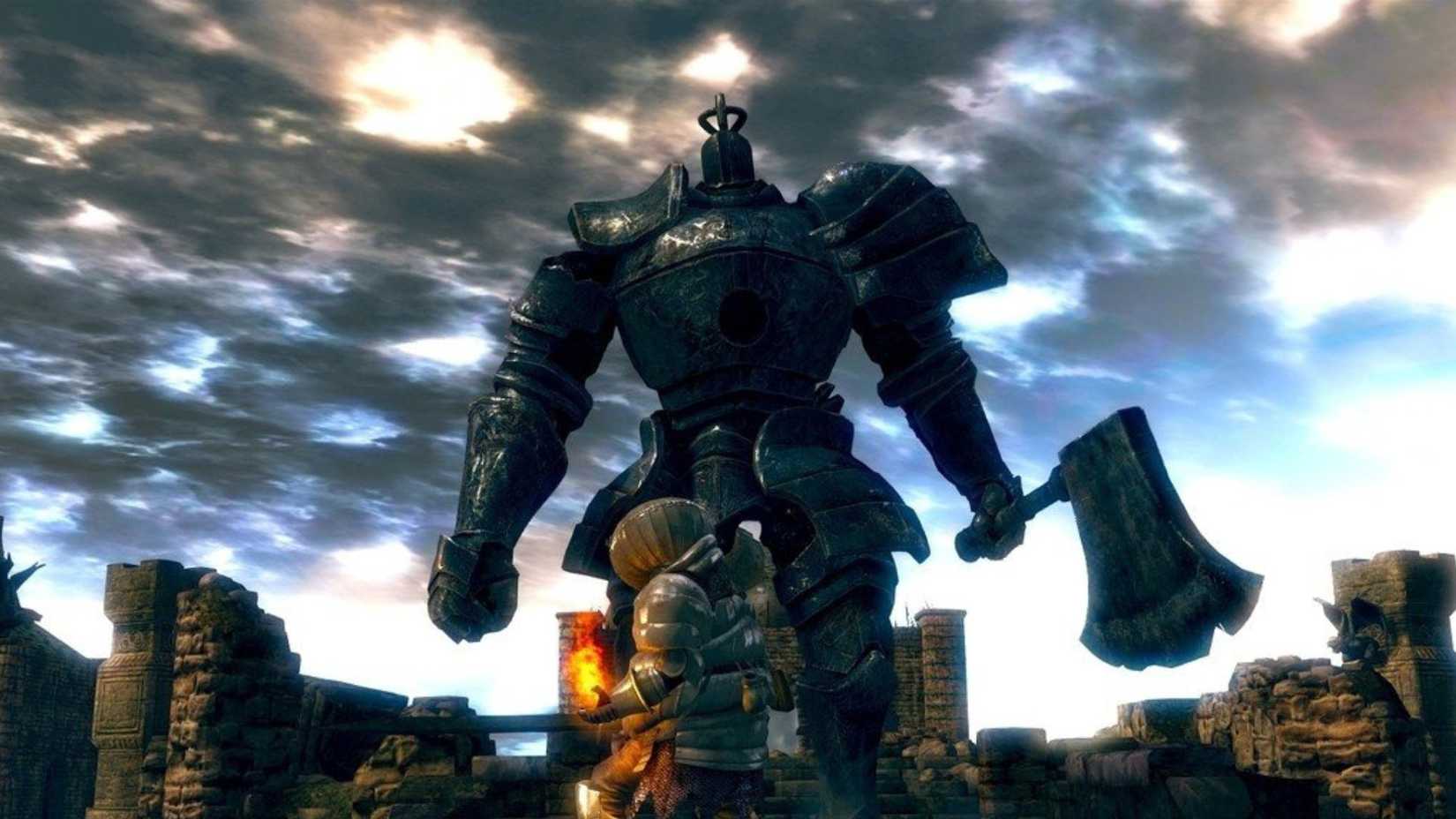
Sen’s Fortress is a gauntlet of traps, leading to the Iron Golem on a narrow bridge. To topple this giant, players must bait his attacks while he stands perpendicular to the ledge. A concentrated burst of magic—specifically Great Combustion—can stagger the Golem, causing him to stumble backward over the wall. It is a spectacle of physics that turns a high-stakes duel into a simple fall.
5. Dark Sun Gwyndolin: The Sniper’s Advantage
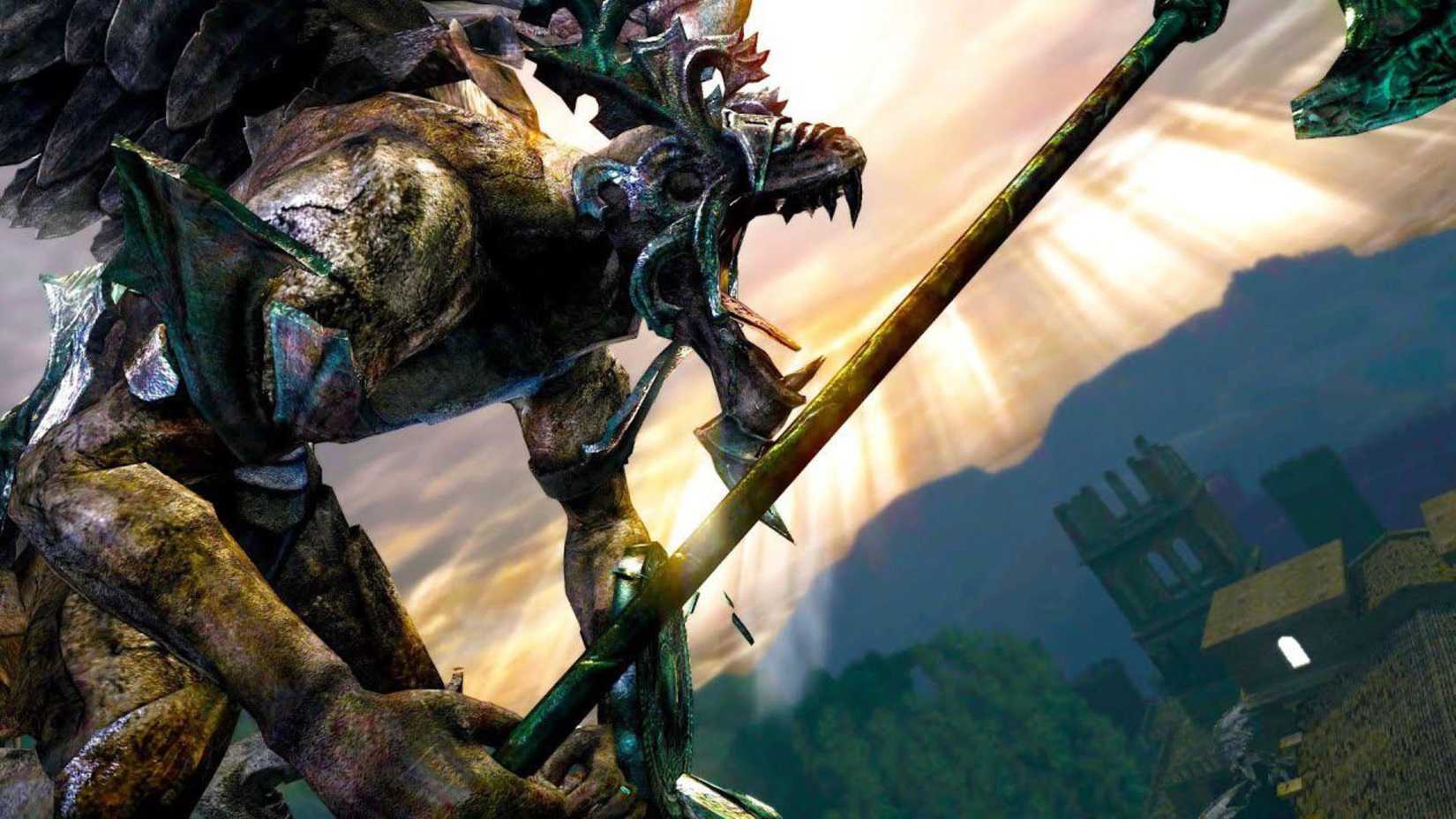
Gwyndolin’s fight is more of a marathon than a duel, involving constant repositioning to avoid magical barrages. However, with the Hawk Ring and a longbow, the player can turn the encounter into a target practice session. By standing at the threshold of the arena and firing poison arrows, the player can chip away at the boss’s health from a distance, rendering his magical arsenal irrelevant.
4. Sif, the Great Grey Wolf: A Tragic Oversight
Fighting Sif is an emotional toll, but for those who find the sword-swinging wolf too aggressive, the strategy is identical to the Gwyndolin method. By quitting the game and reloading while standing near the fog wall, players can often glitch their view into the arena. From the surrounding rubble, Sif can be targeted with poison arrows, allowing the player to bypass the heartbreaking melee entirely.
3. The Stray Demon: Stealth and Toxin
The Stray Demon in the Undead Asylum is a punishing foe, but he is blind to the subtle arts. Using Fall Control and Hidden Body, a player can drop into the arena without alerting the beast. By remaining in the corner and using Dung Pies, the player can inflict toxic damage while the demon wanders aimlessly, unable to detect the source of its demise.
2. Seath the Scaleless: The Pyromancer’s Revenge
Seath is a master of crystal magic, but he is no match for fire. By stacking the Bellowing Dragoncrest Ring and Power Within with a maxed-out Pyromancy Flame, players can use Fire Surge to melt his health bar in seconds. This method is so efficient that it often skips the boss’s secondary phases entirely, turning a legendary dragon into a fleeting memory.
1. Ornstein and Smough: The Fog Wall Glitch
The pinnacle of Dark Souls difficulty is the duo of Ornstein and Smough. However, the "Fog Wall Glitch" allows players to bypass the fight’s mechanics entirely. By parrying an enemy into the fog wall, the game’s collision detection can be manipulated to allow the player to remain outside the arena while the bosses remain active inside. From this position, black firebombs can be tossed over the barrier, allowing the player to defeat the duo without ever facing their wrath.
Supporting Data: Why Players Choose to Cheese
According to community surveys and speedrunning data, over 40% of players who reach the mid-to-late game stages of Dark Souls admit to using at least one "cheese" strategy. These methods are frequently used not out of a lack of skill, but as a testament to the game’s depth. The ability to manipulate game systems is, in itself, a form of mastery.

Official Developer Stance
FromSoftware has historically maintained a "hands-off" approach to these exploits. In several interviews, Hidetaka Miyazaki has suggested that if a player finds a way to overcome an obstacle, that is a valid solution within the game’s world. The developers prioritize the result—the player overcoming the challenge—over the method. This design philosophy is what has kept Dark Souls relevant more than a decade after its release.
Implications for the Future of the Genre
The legacy of these exploits has significantly influenced the development of subsequent "Soulslike" titles. Modern games in the genre now feature more robust AI that can counter long-range cheese and invisible barriers that prevent players from leaving the combat zone. However, the spirit of the "cheese" remains a core part of the community’s interaction with the game. It fosters a culture of sharing, where veteran players teach newcomers how to navigate the game’s harshest realities through clever thinking.
Conclusion
Whether you choose to face the bosses head-on, testing your reflexes against the game’s most refined combat systems, or you choose to exploit the cracks in Lordran’s foundation, the outcome remains the same: the Bell of Awakening rings, and the journey continues. Dark Souls is a game that respects the player’s intelligence, offering enough tools to make even the most impossible bosses feel like a triumph of logic over brute force.
The next time you find yourself staring down a giant demon on a narrow bridge, remember: the sword isn’t always your best weapon. Sometimes, it’s a handful of dung, a longbow, or simply the edge of the world itself.


 Nana
Nana
 Jia Lissa