

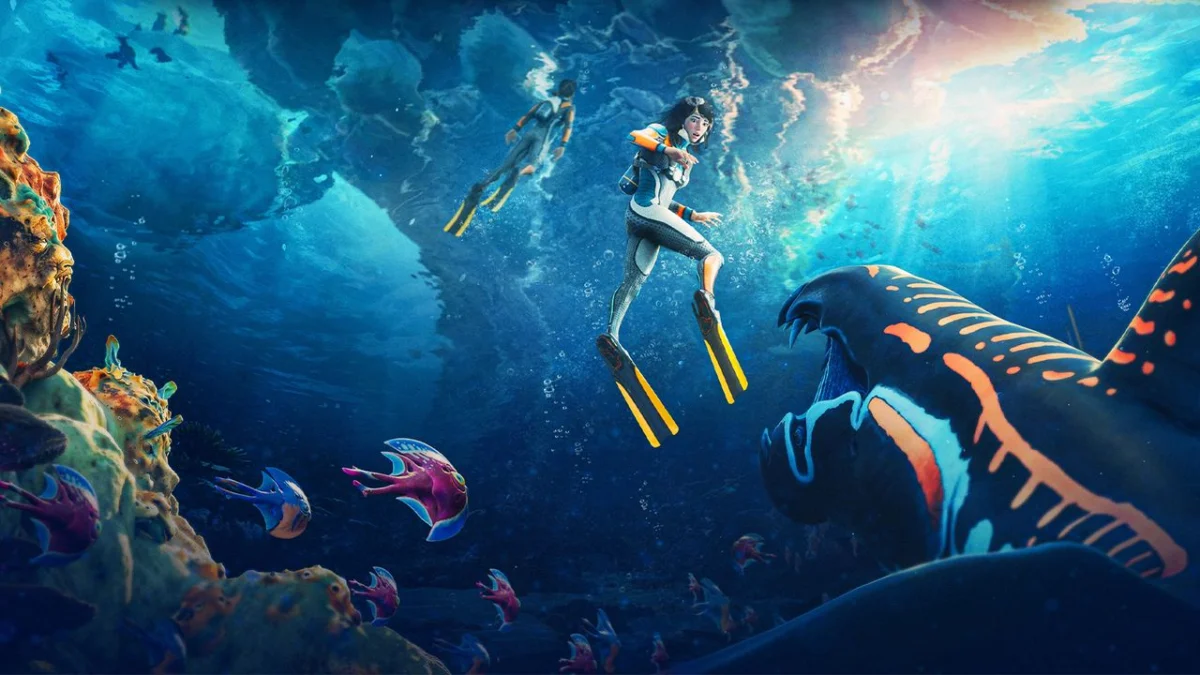
The wait for the next chapter in one of gaming’s most claustrophobic and captivating franchises is finally over. As Subnautica 2 launches into early access today, the gaming community is bracing itself for a return to the alien ocean—a place where breathtaking, bioluminescent beauty hides a terrifying, crushing reality. Developer Unknown Worlds Entertainment has made it clear that this sequel is not merely a technical showcase for the power of Unreal Engine 5 (UE5); it is a calculated evolution of the "survival-dread" genre, designed to exploit the deepest fears of the unknown.
Main Facts: A New Chapter in Alien Exploration
Subnautica 2 represents a fundamental shift in how Unknown Worlds approaches world-building. While the original title pioneered the underwater survival genre, the sequel aims to push the boundaries of immersion through advanced rendering technology and systemic AI.
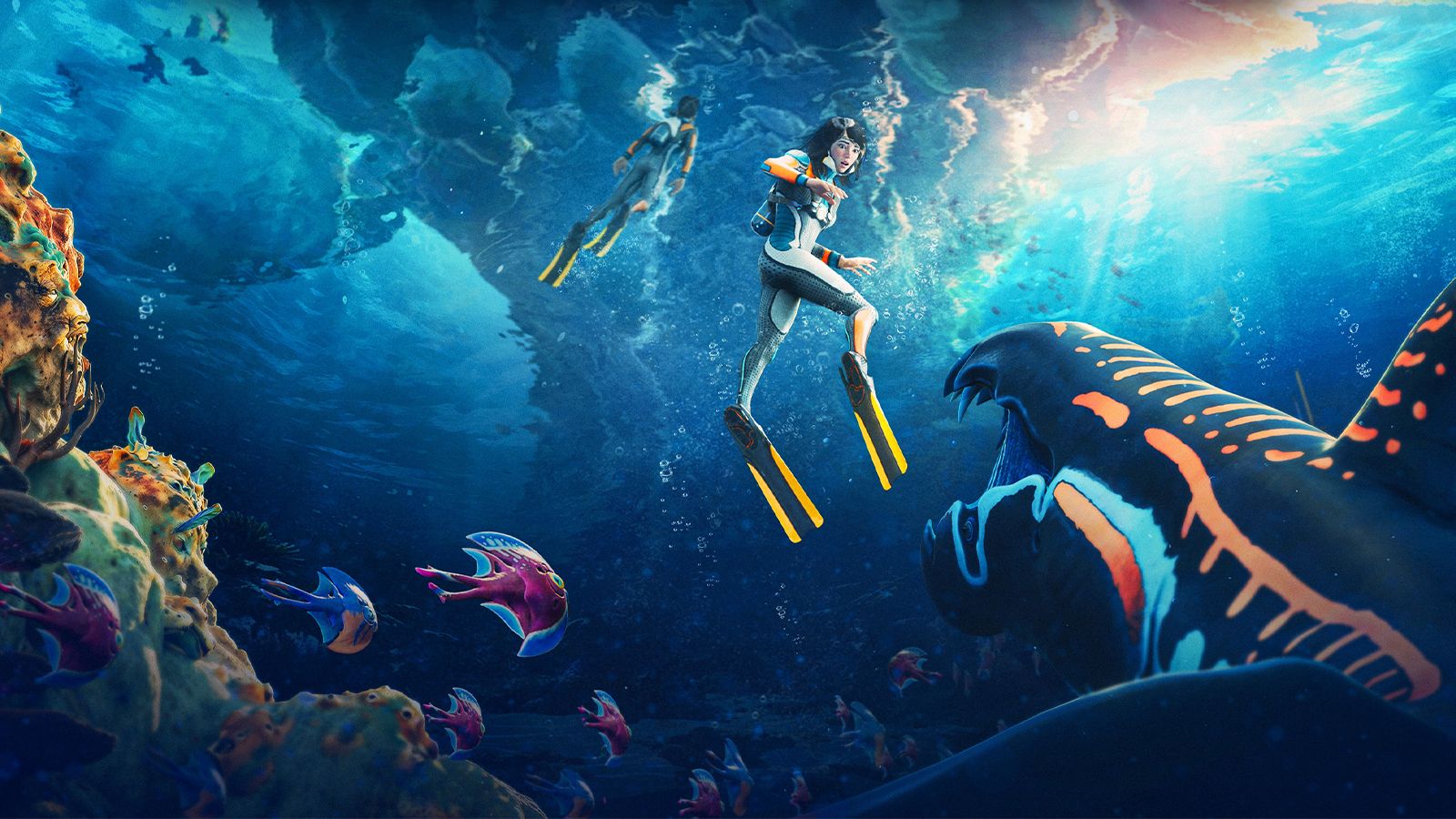
The core premise remains familiar: you are an explorer cast into an alien, water-dominated world, tasked with survival, resource gathering, and uncovering the secrets of a hostile, beautiful ecosystem. However, the experience is now underpinned by the robust capabilities of UE5. This transition allows for unprecedented fidelity in water physics, light refraction, and environmental density, ensuring that the player is never truly comfortable. The game is available starting today in Early Access via Steam, inviting players to dive back into the deep.
Chronology of Development: From Concept to Reality
The journey to Subnautica 2 has been one of technical ambition constrained by the hardware limitations of the past. According to the development team, many of the core features now present in the sequel were conceptualized during the development of the original Subnautica and Below Zero.
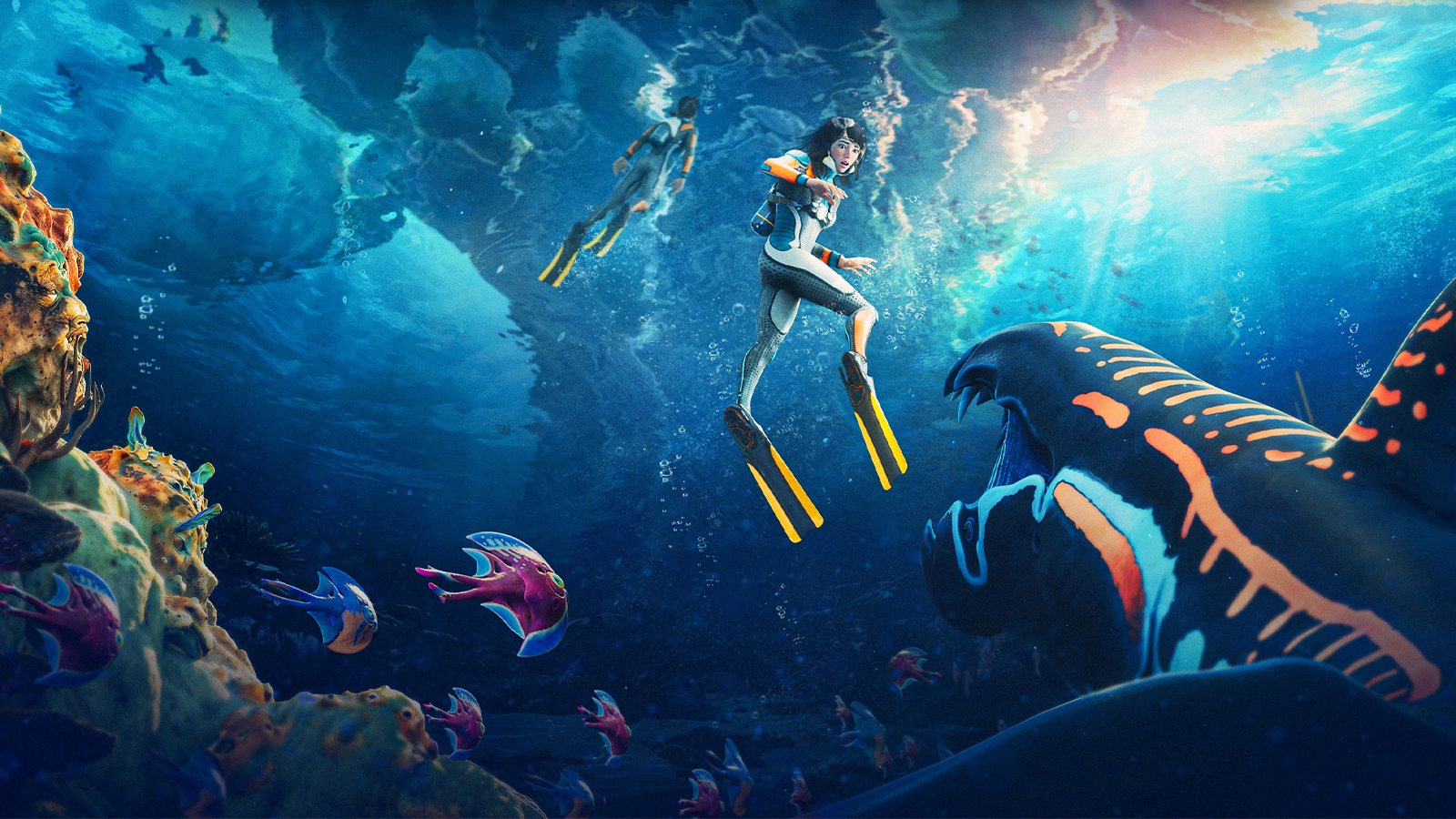
- The Early Years: During the development of the first game, the team envisioned a "living" ecosystem where creatures operated on complex, autonomous loops. At the time, hardware limitations forced these systems to be simplified or scripted to maintain performance.
- The UE5 Pivot: The move to Unreal Engine 5 acted as the catalyst for the studio’s most ambitious ideas. By utilizing Nanite for geometry and Lumen for global illumination, the team could finally render the vast, oppressive depths they had long envisioned.
- The Present: Today marks the Early Access release, a phase intended to allow the community to stress-test the new, complex ecological AI and the revamped sculptural building tools, ensuring that the final product reaches the high bar set by its predecessors.
Supporting Data: The Mechanics of Fear
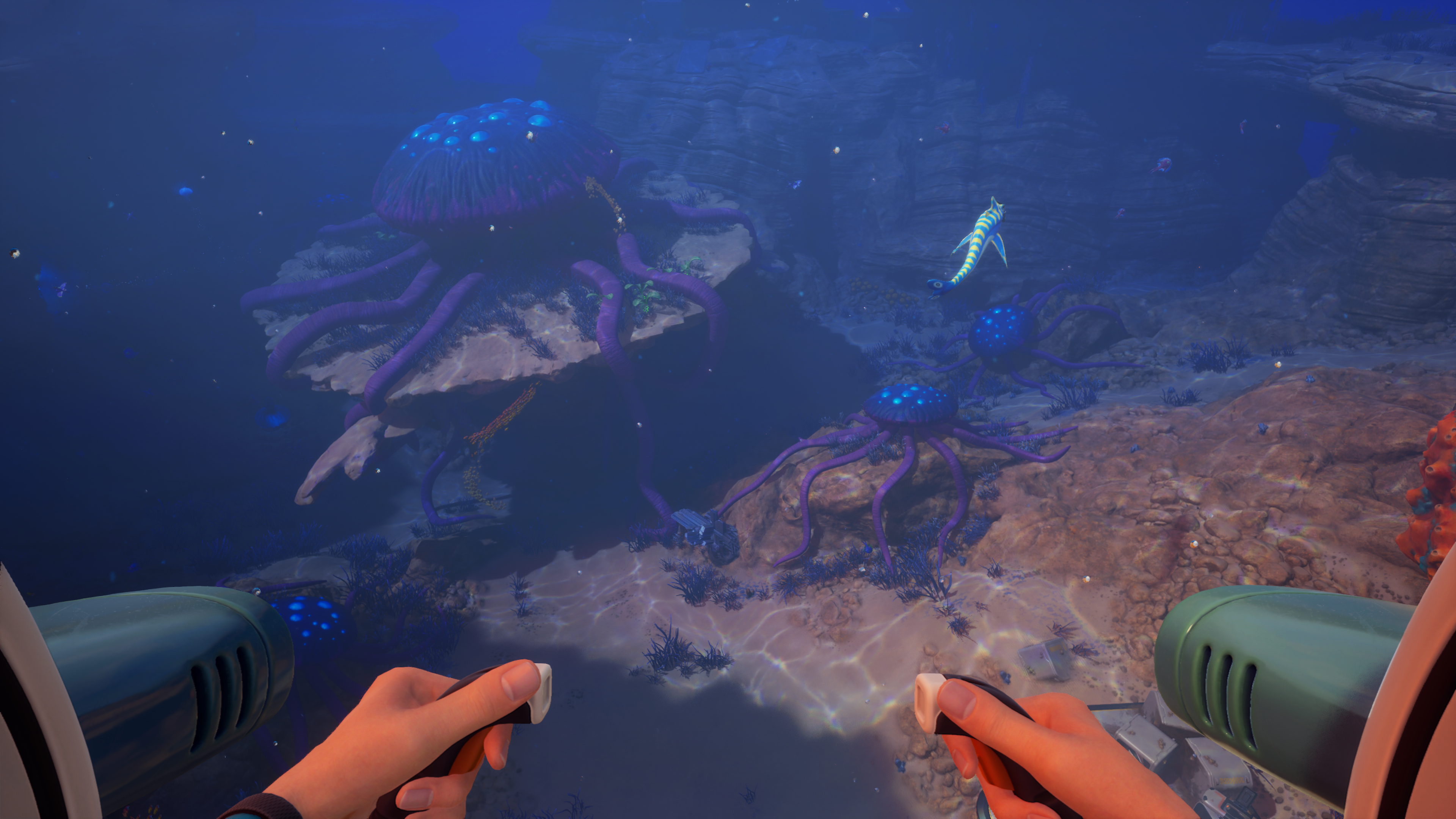
The terror in Subnautica has always been rooted in thalassophobia—the irrational fear of deep, vast, and empty bodies of water. The developers are acutely aware of this, utilizing specific design philosophies to amplify the feeling of isolation.
The "Blurred Horizon" Technique
Lead game designer Anthony Gallegos emphasizes the importance of visibility management. "We really try and hide the stuff that’s on the horizon so that you still get those blurry, moving creatures on the edge of your view," he explains. By controlling what the player sees—and, more importantly, what they don’t—the game forces the human imagination to fill in the gaps. In the darkness of the deep, a simple shadow or a distorted silhouette can be far more terrifying than a fully rendered monster.
Ecosystem-Driven Gameplay
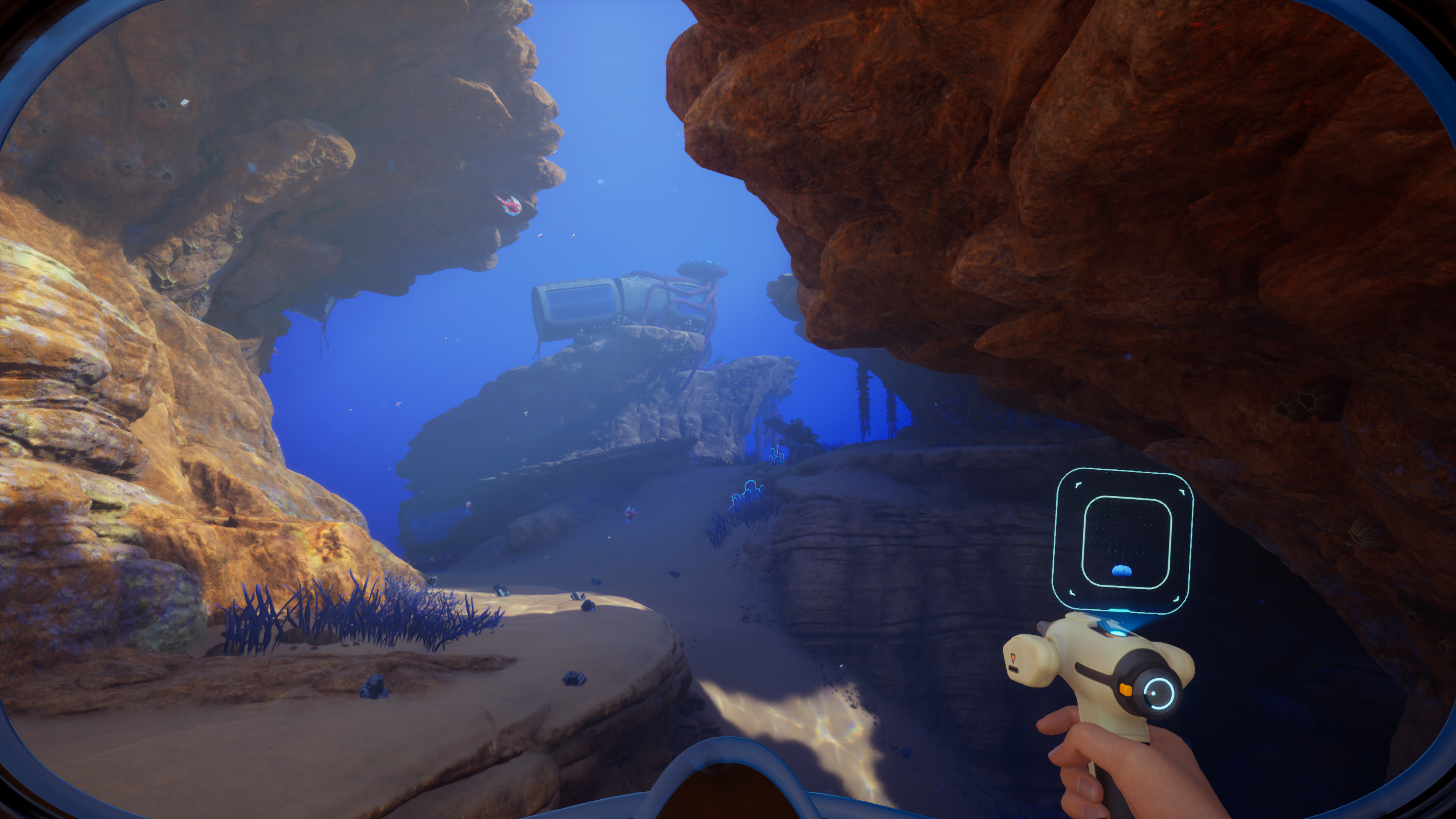
Unlike many survival games where enemies act as "spawners" waiting for the player to enter a trigger zone, the creatures in Subnautica 2 exist within a persistent, living loop. A Hammerhead-like species might crash through coral formations to hunt, while massive leviathans drift through the abyss, indifferent to the player’s presence. Creative media producer Scott MacDonald notes that these creatures are now capable of multi-tasking, allowing them to exhibit far more complex behavioral patterns that make the world feel unpredictable and, at times, dangerous.
Official Responses: Insights from the Dev Team
The transition to UE5 has changed more than just the graphics; it has fundamentally altered the developer’s approach to the user experience.
On Lighting and Atmosphere
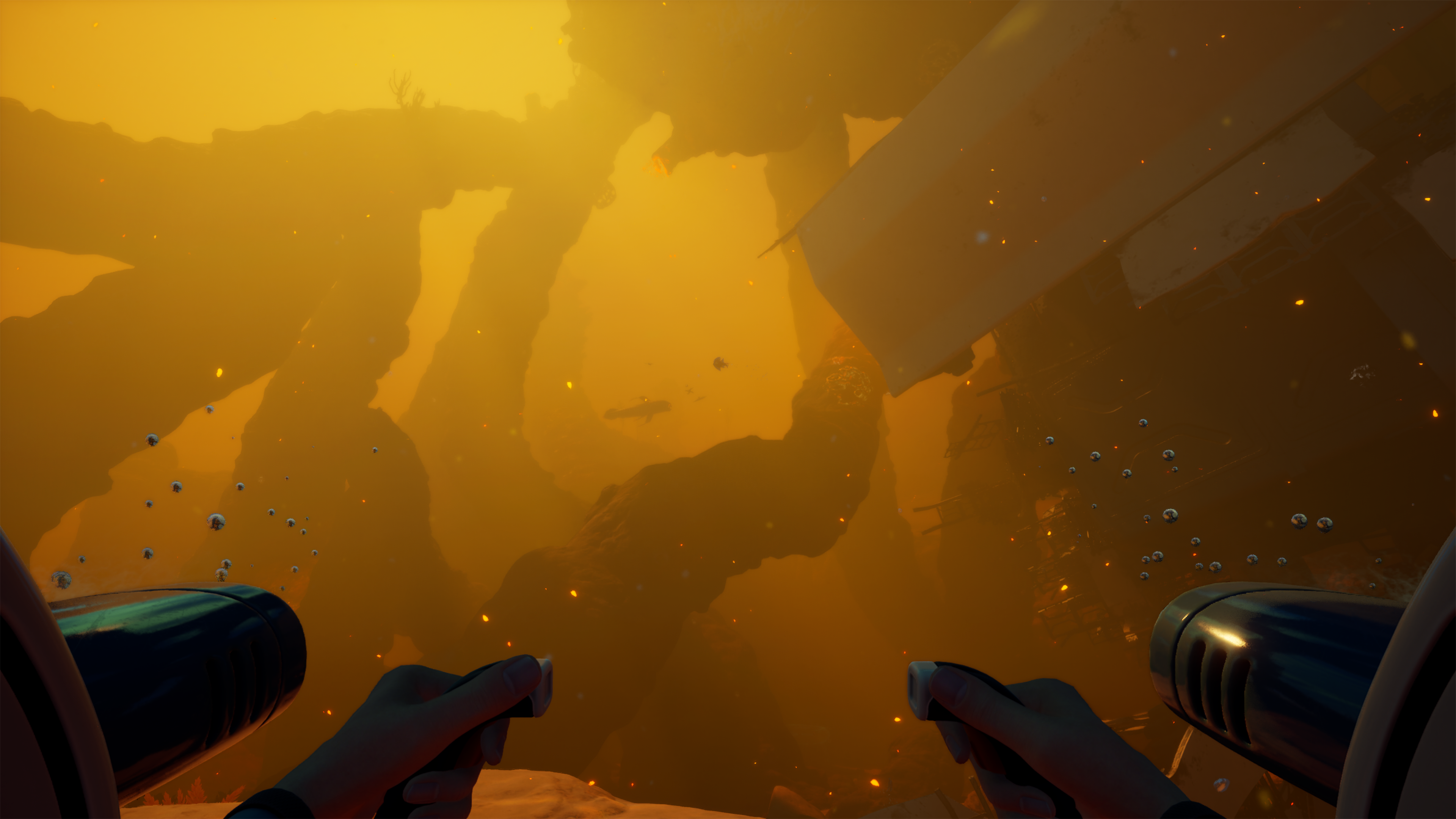
Lumen has been a game-changer for the team. By utilizing dynamic lighting, the developers have created "infected Bloom zones." These areas, characterized by desaturated palettes and corrupted root systems, serve as a stark contrast to the inviting, bioluminescent shallows. Gallegos is careful to frame these infected creatures not as "enemies" in a shooter sense, but as a biological threat—an ecological sickness that disrupts the harmony of the ocean.
On the "Sculptural" Building System
One of the most significant overhauls is the base-building mechanic. The team moved away from the traditional, rigid, modular pieces found in the first game. Drawing inspiration from 3D modeling software like Maya and Blender, the new "sculptural" approach allows players to extrude, curve, and stretch their structures. This isn’t just for aesthetics; it allows for the creation of organic, flowing habitats that blend into the alien landscape, further heightening the player’s immersion.
On Co-op and Isolation
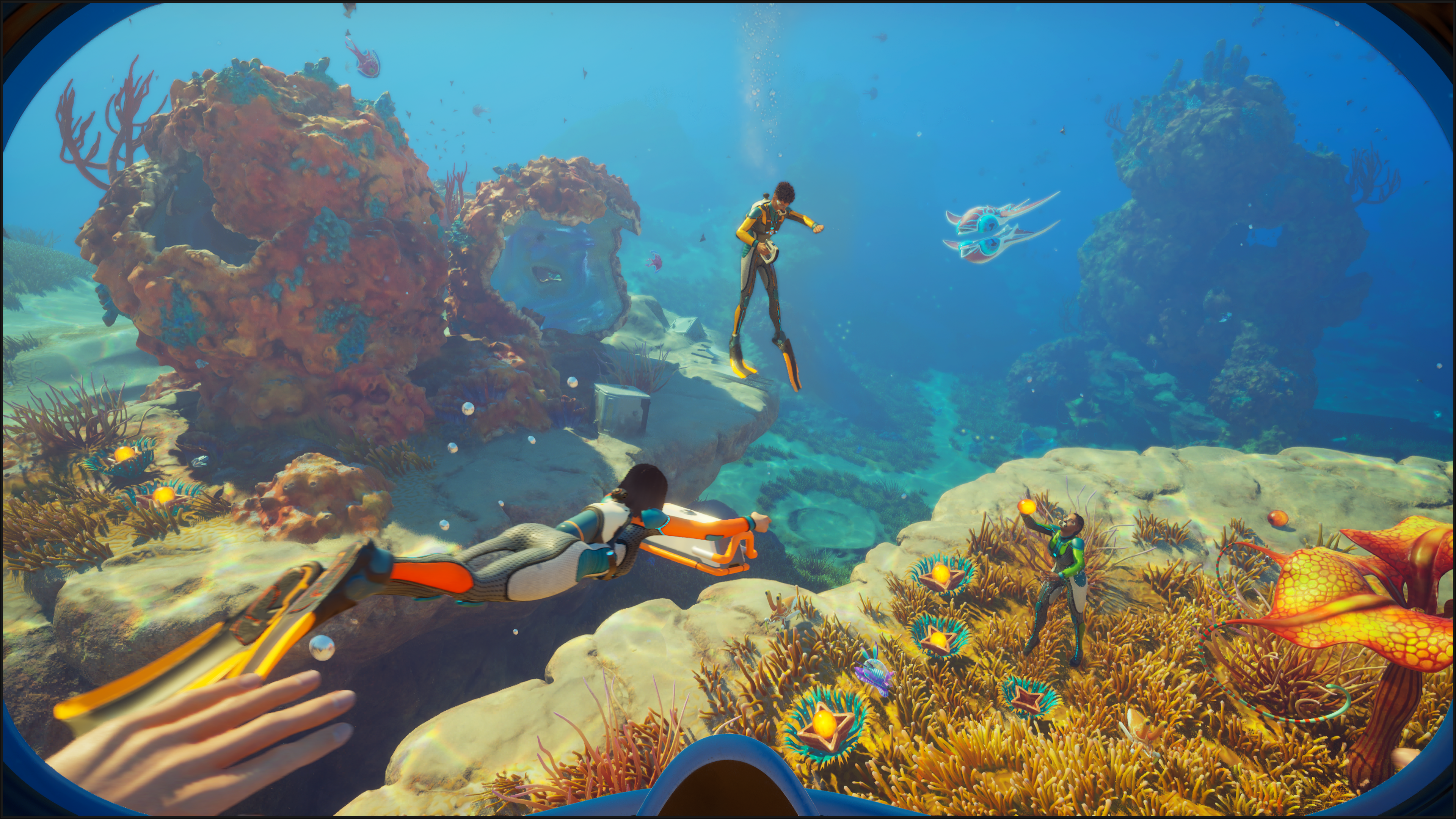
Perhaps the most controversial addition is the optional co-op mode. However, the studio has taken great pains to ensure this does not compromise the series’ hallmark loneliness. There is no tethering, no proximity requirement, and no forced group play. As Gallegos notes, "It’s a single-player game that you can add people into." Players can drift miles apart, quickly losing contact and finding themselves alone once more, surrounded by the crushing silence of the alien ocean.
Implications: The Future of Survival Horror
Subnautica 2 represents a shift toward "ecological storytelling." By moving away from the "horde shooter" tropes and focusing on the player’s role as a biologist and survivor, Unknown Worlds is cementing the series as the gold standard for atmospheric exploration.
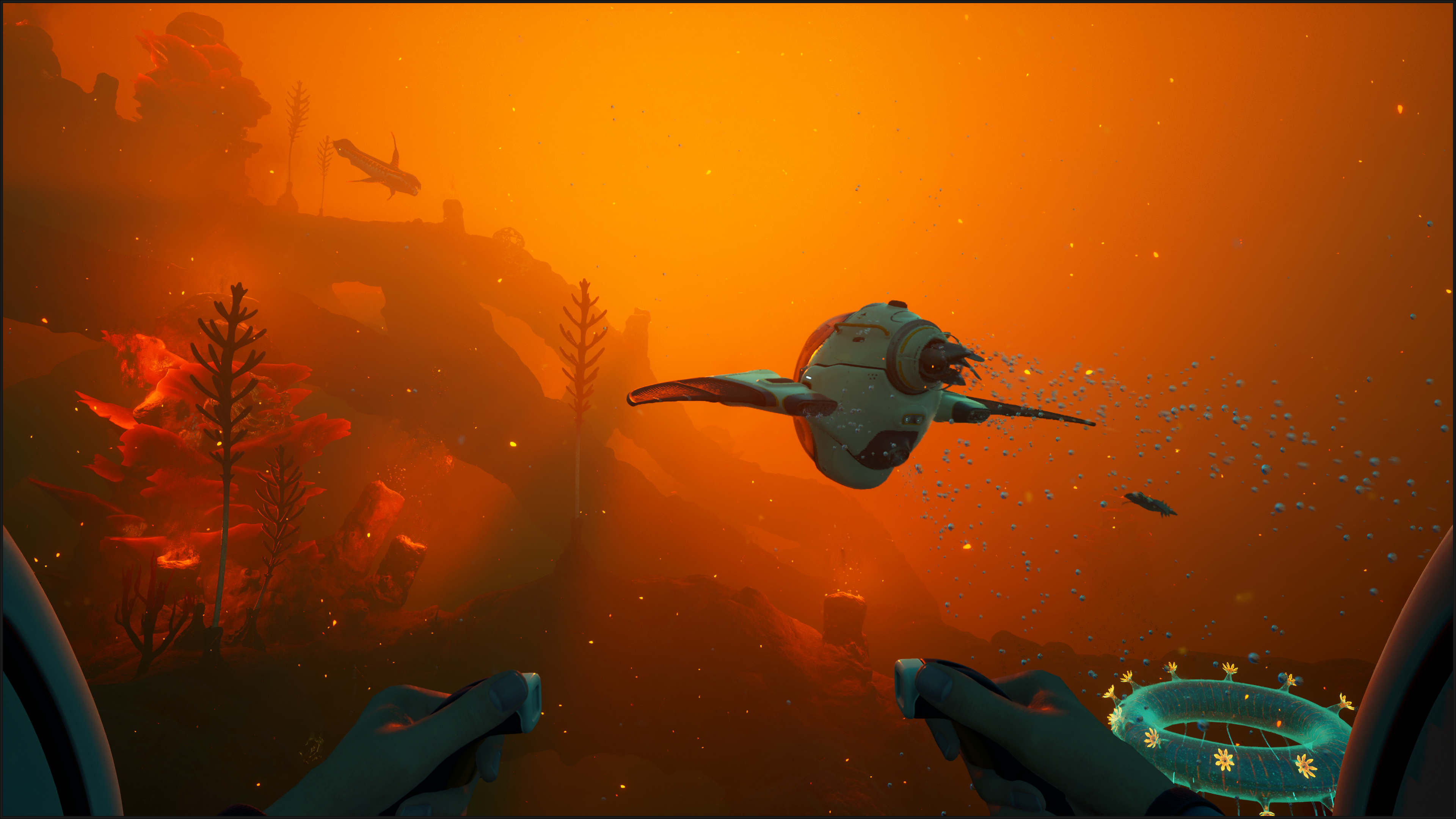
The implementation of UE5 is not merely about making the game "prettier." It is about utility. The advanced lighting makes the darkness more oppressive, the AI makes the world more unpredictable, and the building tools allow for deeper personal expression.
Ultimately, the goal of Subnautica 2 is to make the player feel small. It is a game that respects the player’s intelligence, rewarding those who take the time to scan and catalog the alien flora and fauna, while simultaneously punishing those who treat the ocean with arrogance. By refusing to let the player fully control or dominate their environment, Subnautica 2 ensures that the terror of the deep remains as potent as ever.
As we step into this new, murky, and beautiful world, we are reminded of the fundamental truth of the series: in the vast, deep, and alien oceans, you are never truly the apex predator—you are merely a visitor in an environment that has no interest in your survival. Whether playing alone or with friends, the sense of dread, curiosity, and awe that made the original a masterpiece is alive and well, now rendered with a clarity that makes the darkness beneath the waves feel all the more dangerous.









No comments yet. Be the first to join the conversation!