Nila Kartika Wati
In the landscape of modern indie gaming, the "cozy" genre has carved out a permanent, comfortable home for players looking to escape the high-octane pressure of competitive titles. The latest entry into this space, Thrifty Business, managed to capture the hearts of simulation enthusiasts with its blend of retail management, community-building, and a nostalgic, 90s-inspired aesthetic. Developed as a love letter to the humble thrift shop, the game is more than just a store simulator; it is a narrative-driven experience that treats every pre-loved object as a vessel for a story.
The Core Concept: More Than Just Retail
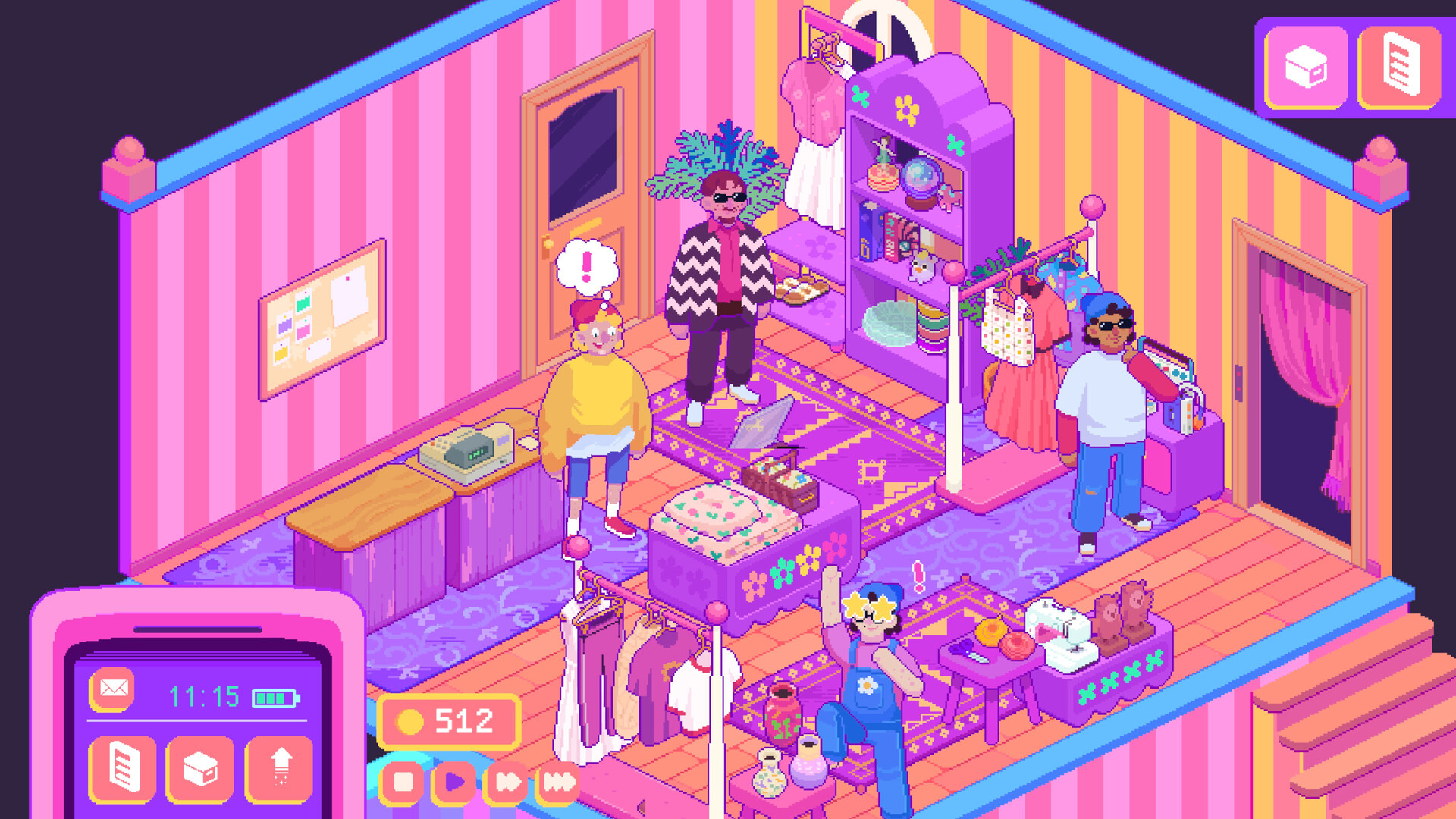
Thrifty Business invites players to step into the role of a shop proprietor tasked with managing a local thrift store. At its surface, the game offers a straightforward loop: acquire inventory, display it with care, and manage the daily flow of customers. However, the game’s strength lies in its "vibe-based" procurement system. Unlike traditional retail simulators where you order specific stock from a catalog, Thrifty Business keeps the thrill of the hunt alive. Players purchase mystery boxes of goods—often donated by locals—where only a fraction of the contents are revealed upfront.
This mechanic replicates the genuine excitement of thrifting, where the true value of an item is only discovered once the box is opened and the treasure is sifted from the junk. Once the items are in your possession, the game shifts to a creative interior design phase. Players must strategically place tables, shelves, and clothing racks, ensuring that the shop layout is not only aesthetically pleasing but also functional.
A Chronology of Gameplay: The Daily Grind
The gameplay in Thrifty Business follows a distinct daily cadence that balances relaxing management with the tactile requirements of running a business.
The Preparation Phase
Before the doors open, the player acts as a curator. This is where the inventory management system truly shines. Keeping track of stock is essential to success; if a shop is cluttered or disorganized, customers will voice their frustration. The player must sort through the day’s acquisitions, deciding what to feature in the window display and what to relegate to the clearance bins. This phase serves as the "zen" portion of the experience, allowing players to find a rhythm in organizing their virtual aisles.
The Trading Hours
Once the doors are unlocked, the atmosphere shifts. The game becomes a live-action simulation of service. Players must keep the shelves stocked, clear away any trash left behind by wandering patrons, and manage the checkout process. A crucial component of this phase is customer feedback. If items are placed in hard-to-reach corners or if the shop’s "vibe" doesn’t match the customer’s expectations, they may leave empty-handed. Observing these small, human interactions provides a unique window into the game’s AI, which reacts dynamically to the player’s organizational choices.
The Closing Reflection
At the end of the day, the focus shifts from commerce to connection. As customers come in with specific requests, the player often uncovers the backstories of the townspeople. By helping a regular find a specific, long-lost item, or by investigating the history of a donated box, the player learns about the personal dramas and joys of the community. These interactions are designed to be "meaningful in their own ways," moving away from high-stakes drama toward the grounded, relatable stories of everyday life.
Supporting Data: Why "Cozy" Simulations Work
The rise of titles like Thrifty Business is supported by a growing market demand for "slow games." According to recent indie industry analysis, there has been a 30% increase in the popularity of simulation games that prioritize low-stress, high-satisfaction loops over traditional win-loss conditions.
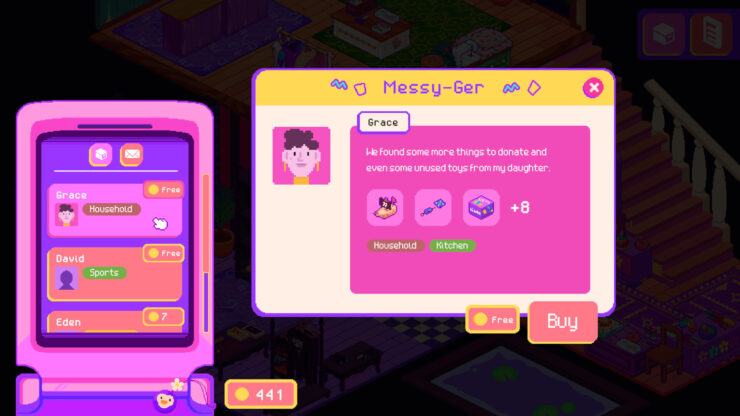
Thrifty Business taps into this by providing a comprehensive inventory management system that is robust enough to satisfy the "organizational itch" without becoming overwhelming. The inclusion of community events—a feature that allows players to expand their shop’s role from a simple store to a hub for local gatherings—further cements the game as a social simulation. By allowing the store to evolve, the developer ensures that the late-game experience feels as fresh as the early hours, providing a sense of progression that is both personal and professional.
Official Perspectives and Creative Direction
The development philosophy behind Thrifty Business centers on the 90s aesthetic, a stylistic choice that triggers a specific sense of comfort and nostalgia for many players. By avoiding ultra-high-definition realism in favor of a curated, slightly retro visual palette, the developers have created a world that feels lived-in and approachable.
In interviews and developer logs, the team behind the game has emphasized that their primary goal was to create a "safe space." The lack of punitive time limits or aggressive competition allows players to engage with the game at their own pace. When discussing the community events feature, the developers noted that they wanted the shop to feel like a "third place"—a social environment separate from the home and the workplace—where the community could come together to celebrate local life. While some early playtesters, such as those at the New Game Plus event, were primarily focused on the shop floor, the developers suggest that the community expansion is the "heart" of the long-term gameplay experience.
The Implications of "Thrifty Business" on the Genre
The release of Thrifty Business signals a shift in the simulation genre toward "niche realism." Rather than simulating a massive department store or a sprawling business empire, the game narrows its scope to a single, hyper-detailed experience. This has several implications for the future of the genre:
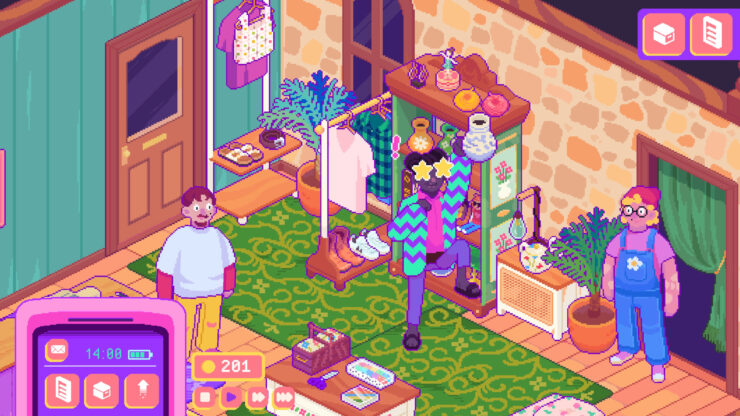
- Narrative Integration: By linking item acquisition to the personal stories of the town’s inhabitants, Thrifty Business proves that even mundane tasks like sorting boxes can be elevated through effective writing.
- Player Agency: The game emphasizes that how you run your store is entirely up to you. Whether you are a minimalist who keeps only the finest goods or a "junk shop" owner who carries everything, the game supports your playstyle without forcing a specific meta.
- Community-Centric Design: The inclusion of events and requests highlights a movement away from the "isolated" simulator. Future titles will likely follow this trend, where the player is a facilitator of community rather than just a solitary worker.
Conclusion: A Must-Play for the Mindful Gamer
Thrifty Business is a masterclass in atmosphere. Its ability to turn the act of sorting through old items into a compelling gameplay loop, paired with the warmth of the townspeople’s stories, makes it a standout release. It is a game that doesn’t demand your constant attention or rapid-fire reflexes; instead, it asks for your time, your creativity, and your empathy.
For those looking for a digital space to decompress, the shop is open. Thrifty Business is currently available on Steam, offering a window into a simpler, more organized, and deeply heartwarming world. As the indie landscape continues to grow, titles like this remind us that sometimes, the most rewarding experiences are found in the smallest, most forgotten corners of a shop. Whether you are a fan of interior design, a lover of 90s aesthetics, or simply in need of a low-stakes management challenge, the shelves are waiting to be stocked.
About the Author
Jupiter Hadley is a prolific indie game journalist, writing for Metro UK, Big Boss Battle, AlphaBetaGamer, and many more, all with a focus on smaller indie gems. She covers thousands of game jams and indie games on her YouTube channel, letting every game have a moment in the spotlight. She runs indiegamejams.com, a calendar of all of the game jams going on in the world, and judges many jams and events.

 Asro
Asro
 Nana Wu