

The intersection of comic book publishing and high-budget cinematic adaptation has long been a source of fascination for fans and industry observers alike. However, a recent revelation from the floor of MCM London Comic Con and the concurrent ComicsPRO event has shed light on a uniquely organic process of creative cross-pollination. Rebellion, the powerhouse publisher behind the legendary British sci-fi anthology 2000 AD, has confirmed that the upcoming Rogue Trooper animated feature film—directed by the visionary Duncan Jones—is deeply intertwined with the modern evolution of the comic book source material.
According to Steve Morris of Rebellion and 2000 AD, the synergy between the two media is not merely incidental; it is the result of a creative dialogue between the film’s director and the writers tasked with keeping the character’s comic book legacy relevant in the 21st century.
The Convergence of Media: A Directorial Collaboration
The Rogue Trooper animated movie, which is set to premiere in France next month at the prestigious 2026 Annecy International Animation Film Festival, represents one of the most anticipated entries in the British sci-fi canon. As fans eagerly await the big-screen debut, Rebellion has been aggressively working to ensure that both classic and contemporary Rogue Trooper stories are readily available for new and returning readers.
The key to this convergence, as revealed by Morris, lies in the close professional relationship between Duncan Jones and acclaimed comic writer Alex De Campi. De Campi, a long-time contributor to the 2000 AD universe and a frequent collaborator with Jones—having worked with him on projects such as Madi and various explorations of the Moon and Mute cinematic universe—appears to have served as an unofficial bridge between the two creative teams.
It has been disclosed that Jones and De Campi engaged in extensive discussions regarding their respective Rogue Trooper projects. With the director’s full blessing, De Campi began weaving specific narrative elements, thematic beats, and character insights into her own Rogue Trooper runs, including the critically lauded Ghost Patrol.
Interestingly, these creative injections occurred with such subtlety that, in some instances, the editorial staff at 2000 AD were caught by surprise, only recently realizing that the upcoming film’s narrative DNA was being mirrored in real-time within the pages of the comic books they were publishing. This "organic integration" ensures that the film is not merely an adaptation of 1980s source material, but a living, breathing extension of the current comic book canon.
A Chronology of the Genetic Infantryman
To understand the significance of this synergy, one must look at the history of the character. Rogue Trooper was created in 1981 by the iconic duo of Gerry Finley-Day and Dave Gibbons. The premise introduced readers to Nu-Earth, a planet decimated by a relentless war between two opposing factions: the Norts and the Southers.
- 1981: The debut of Rogue Trooper in 2000 AD. The character, known simply as "19," is a Genetic Infantryman (GI)—a blue-skinned, bio-engineered super-soldier designed to survive the toxic atmosphere of Nu-Earth without the need for life-support gear.
- The Origin of the "Ghosts": Following the catastrophic "Quartz Massacre," where his entire unit was betrayed, Rogue becomes the sole survivor. His story is defined by the three bio-chipped personalities of his fallen comrades, which he carries with him: Gunnar (his rifle), Helm (his helmet), and Bagman (his backpack).
- The Mid-2020s Renaissance: Recognizing the upcoming film as a unique commercial and cultural opportunity, Rebellion initiated a comprehensive plan to bring the entire Rogue Trooper saga back into print.
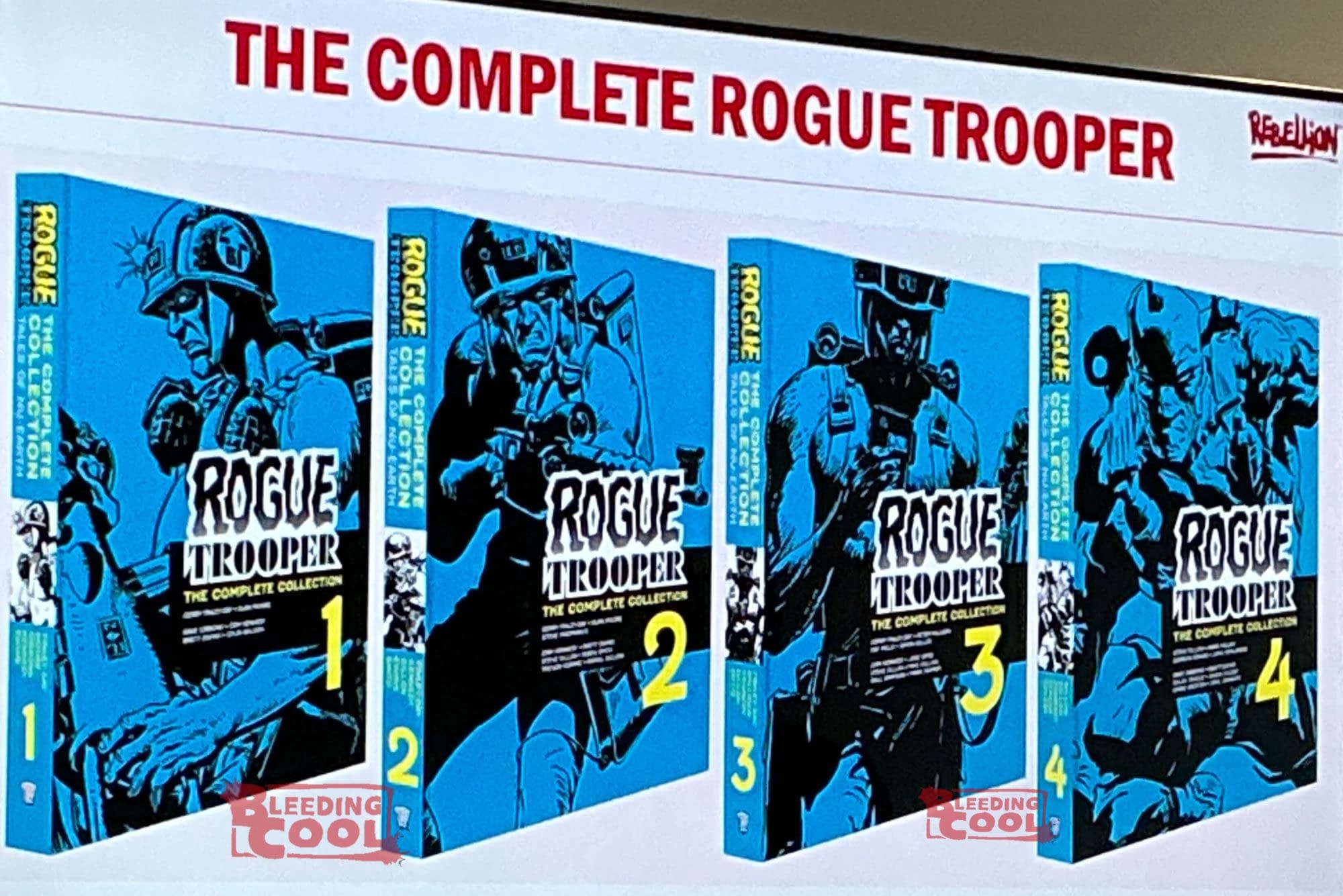
- 2025–2026: The release of the "Complete Rogue Trooper" series began in earnest. These volumes collect the classic series that defined the character for decades, with the fourth volume currently scheduled for a September 2026 release.
Supporting Data: The Modern Canon
The commitment to the character’s legacy extends beyond mere reprints. By integrating modern perspectives from writers like Garth Ennis and Alex De Campi, and artists such as Patrick Goddard and Neil Edwards, Rebellion is positioning Rogue Trooper as a character capable of sustained evolution.
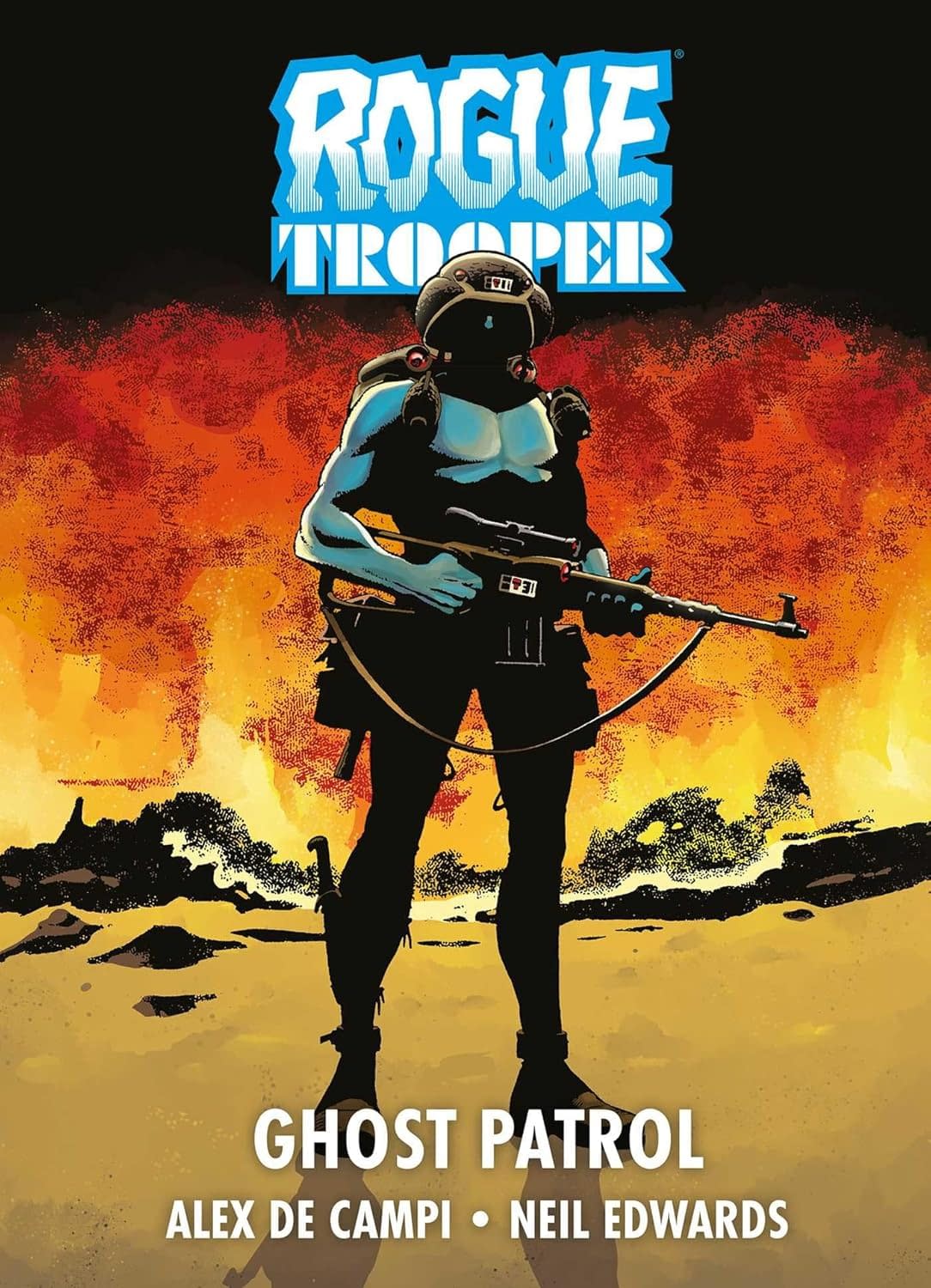
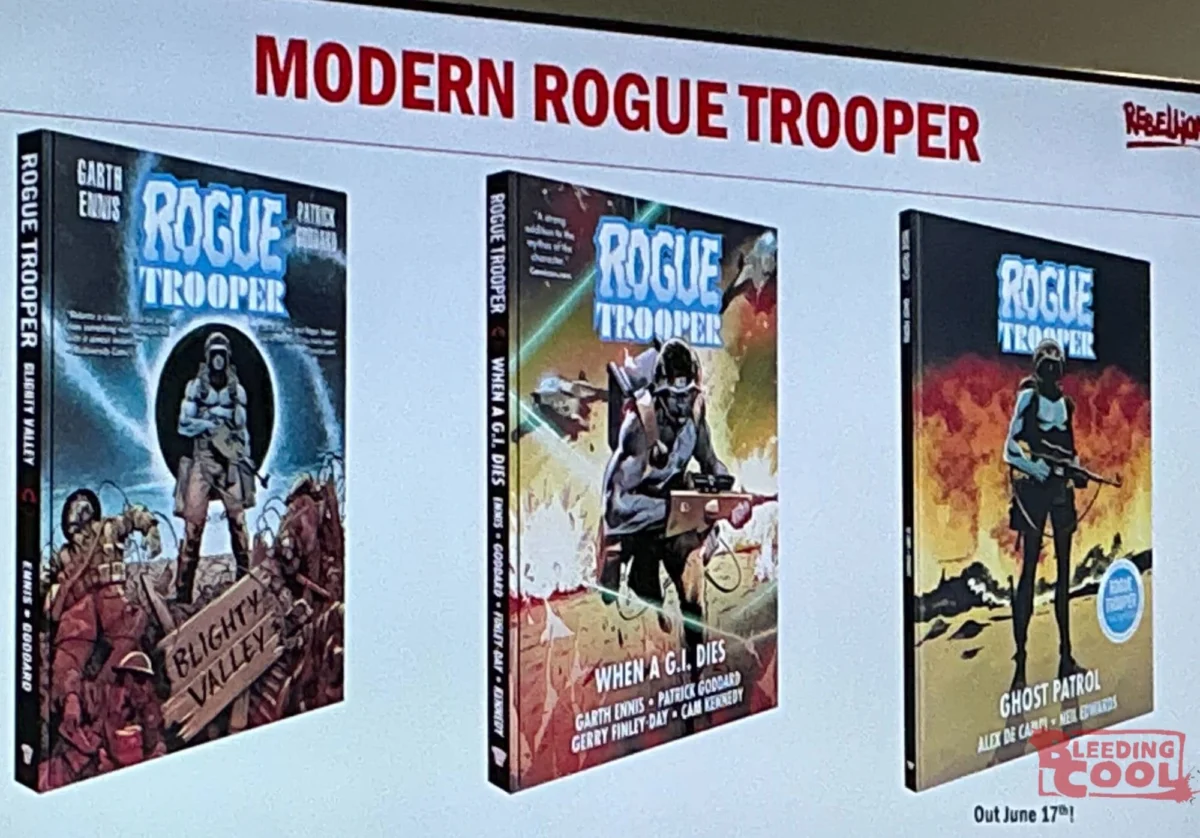
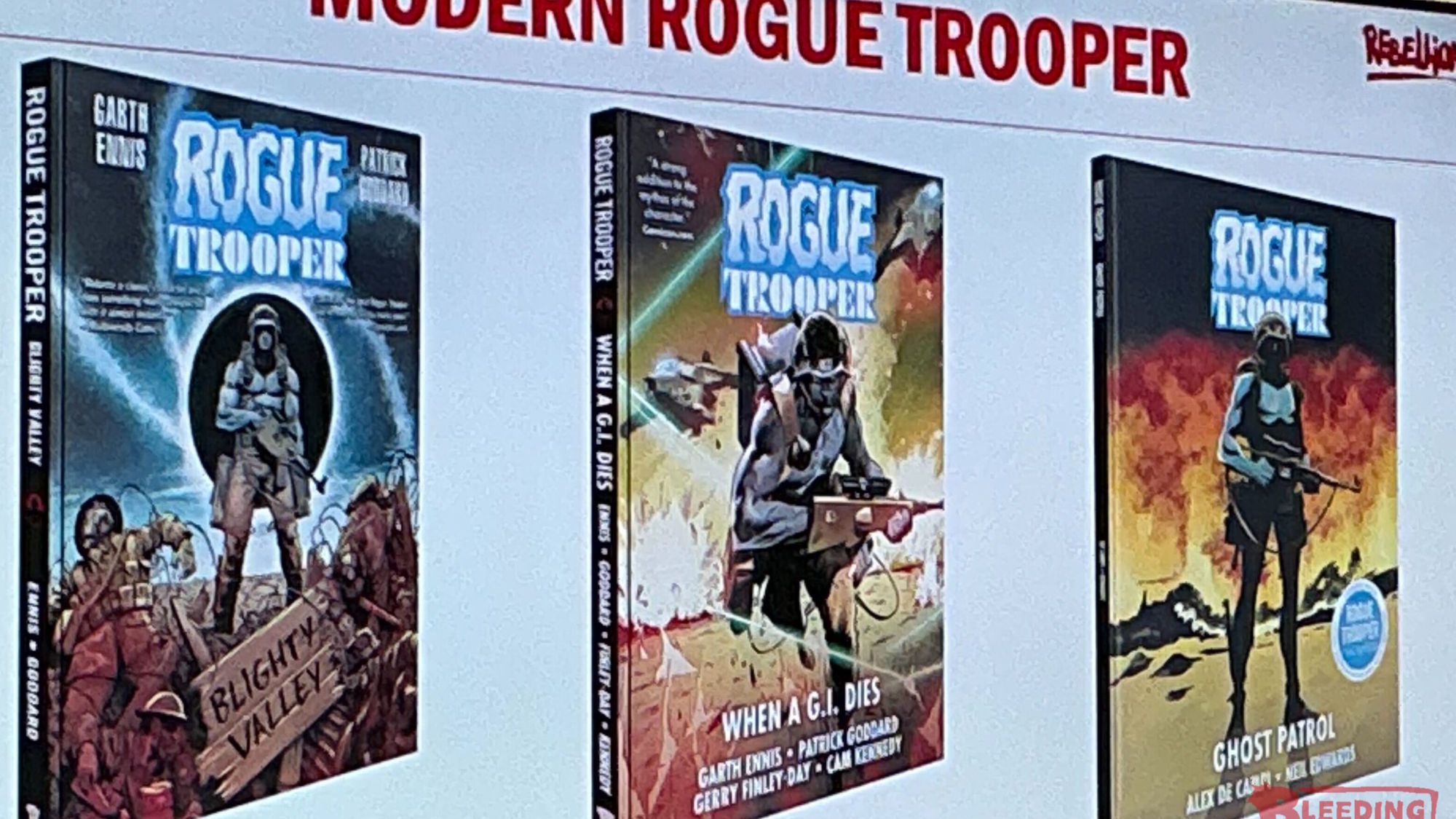
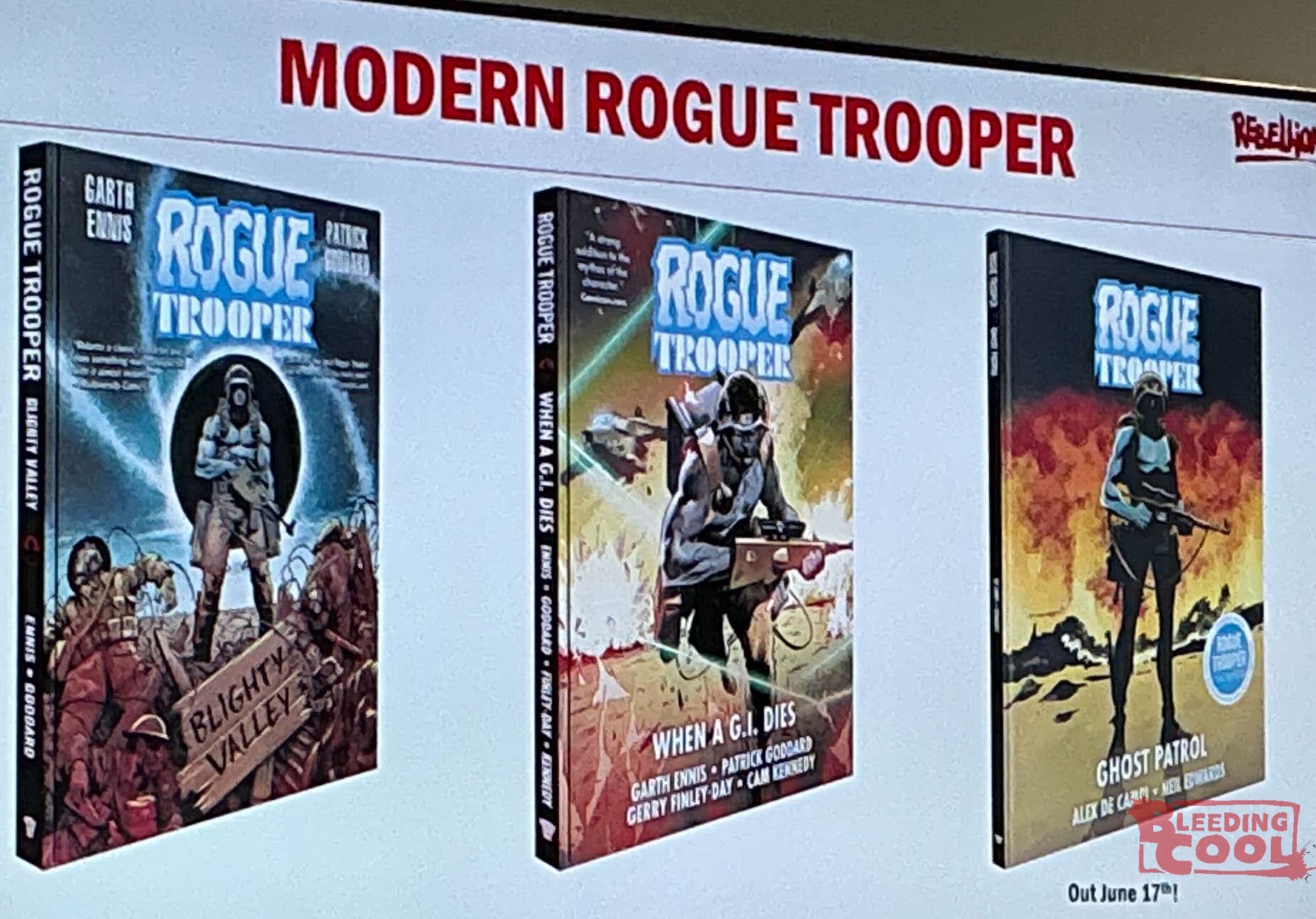
Alex De Campi’s latest collection, Rogue Trooper: Ghost Patrol, serves as a prime example of this modern approach. Scheduled for publication on June 16, 2026, Ghost Patrol delves into the secret history of the Genetic Infantrymen, expanding the lore of Nu-Earth in ways that complement the film’s narrative scope.
The synopsis for Ghost Patrol underscores this ambition: "Nu Earth: a battle-scarred, poisoned world where Nort and Souther forces fight for control of a nearby black hole. Together with the bio-chipped ‘ghosts’ of his dead comrades, he wages a one-man war against the vicious Nort forces. A Souther war veteran called Macinrow, Captain Nygaard, and a group of fresh recruits set out for Nu Earth in search of Macinrow’s friend, Sgt. White, who could hold the key to winning the war."

This expansion into the "secret history" of the GIs provides the film with a rich, pre-established foundation of lore, allowing the movie to jump straight into the high-stakes action while feeling deeply rooted in an expansive, decades-old universe.
Official Responses and Industry Implications
The revelation at ComicsPRO has sparked significant discussion regarding the "authorial control" of intellectual properties. When a director and a comic writer collaborate on lore behind the backs of traditional publishers, it challenges the conventional top-down approach to franchise management.
However, the response from Rebellion appears to be one of cautious excitement. The success of Rogue Trooper depends on its ability to capture the grit of the original 1981 material while appealing to a modern cinematic audience that expects high-concept sci-fi. By allowing the comic book to inform the film, and the film to inspire the comic book, Rebellion is effectively creating a "transmedia ecosystem."
Steve Morris’s presentation emphasized that this is a unique moment for the brand. With an ensemble cast including Aneurin Barnard as Rogue, alongside notable stars such as Hayley Atwell, Jack Lowden, Daryl McCormack, Reece Shearsmith, Sean Bean, Diane Morgan, Matt Berry, and Jemaine Clement, the film has the star power to match the depth of its source material.
The Implications for Future Adaptations
The implications of the Rogue Trooper experiment are clear: the future of comic book-to-film adaptations lies in permeability. The days of rigid "source material vs. adaptation" silos are fading. In an era where fans demand high fidelity to the spirit of the original work, having the same creative minds working across both mediums ensures a level of consistency that is rarely achieved in traditional Hollywood licensing deals.
Furthermore, for the comic book industry, this provides a vital lifeline. By aligning the publication schedule of trade paperbacks and new story arcs with the release of a film, publishers can leverage the massive marketing budget of the film industry to drive comic book sales. The announcement that the Rogue Trooper collections are being released strategically in the months leading up to the film’s premiere is a masterclass in cross-platform marketing.

As we look toward the 2026 release of the film, the story of Rogue Trooper serves as a case study for how independent publishers like Rebellion can navigate the shifting sands of modern media. By fostering an environment where creators are encouraged to talk, share, and build upon one another’s work, they are not just making a movie or a comic—they are curating an enduring cultural legacy.
Whether or not this "secret" collaboration between Jones and De Campi will set a new standard for other 2000 AD properties—such as the upcoming Judge Dredd compact format releases—remains to be seen. However, one thing is certain: on the poisoned, war-torn plains of Nu-Earth, the war for the hearts and minds of the audience is being won on both the screen and the page.









No comments yet. Be the first to join the conversation!