

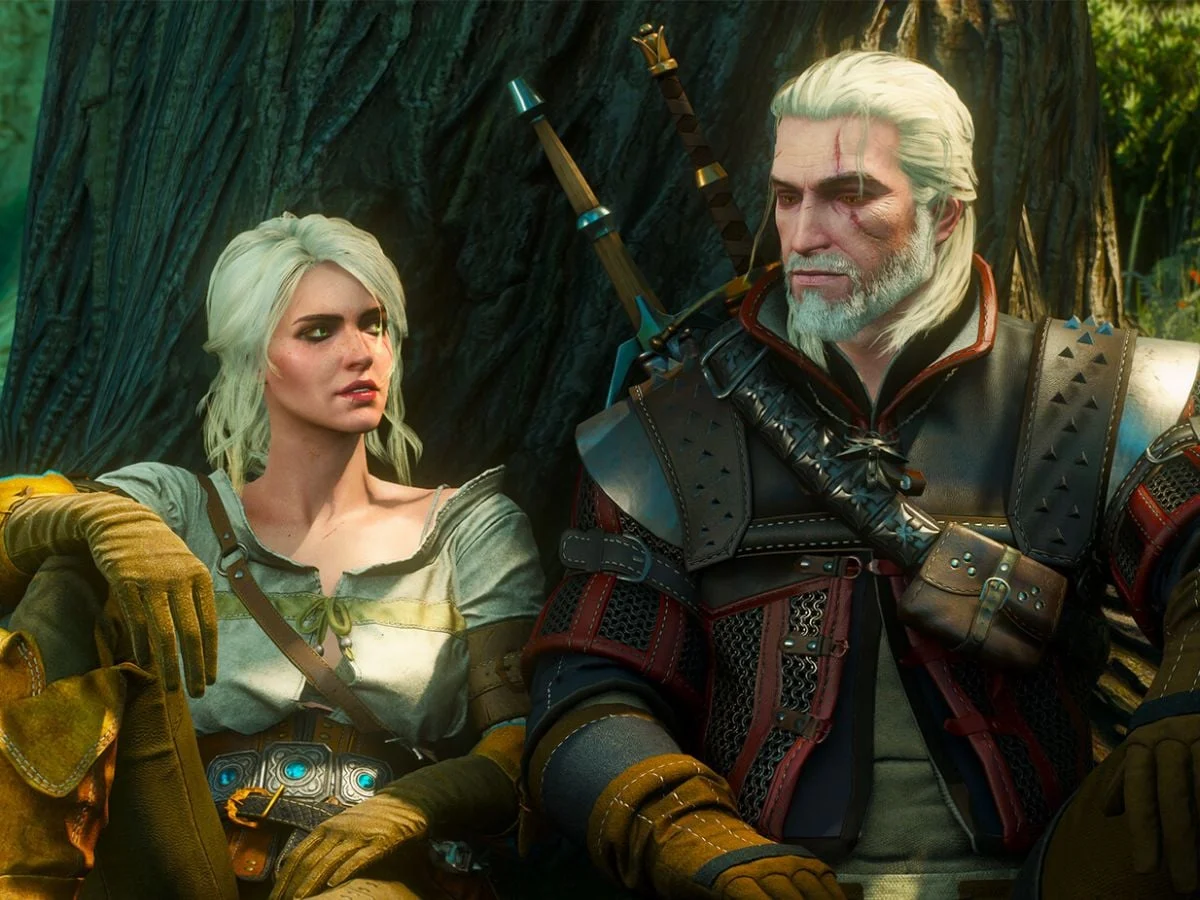
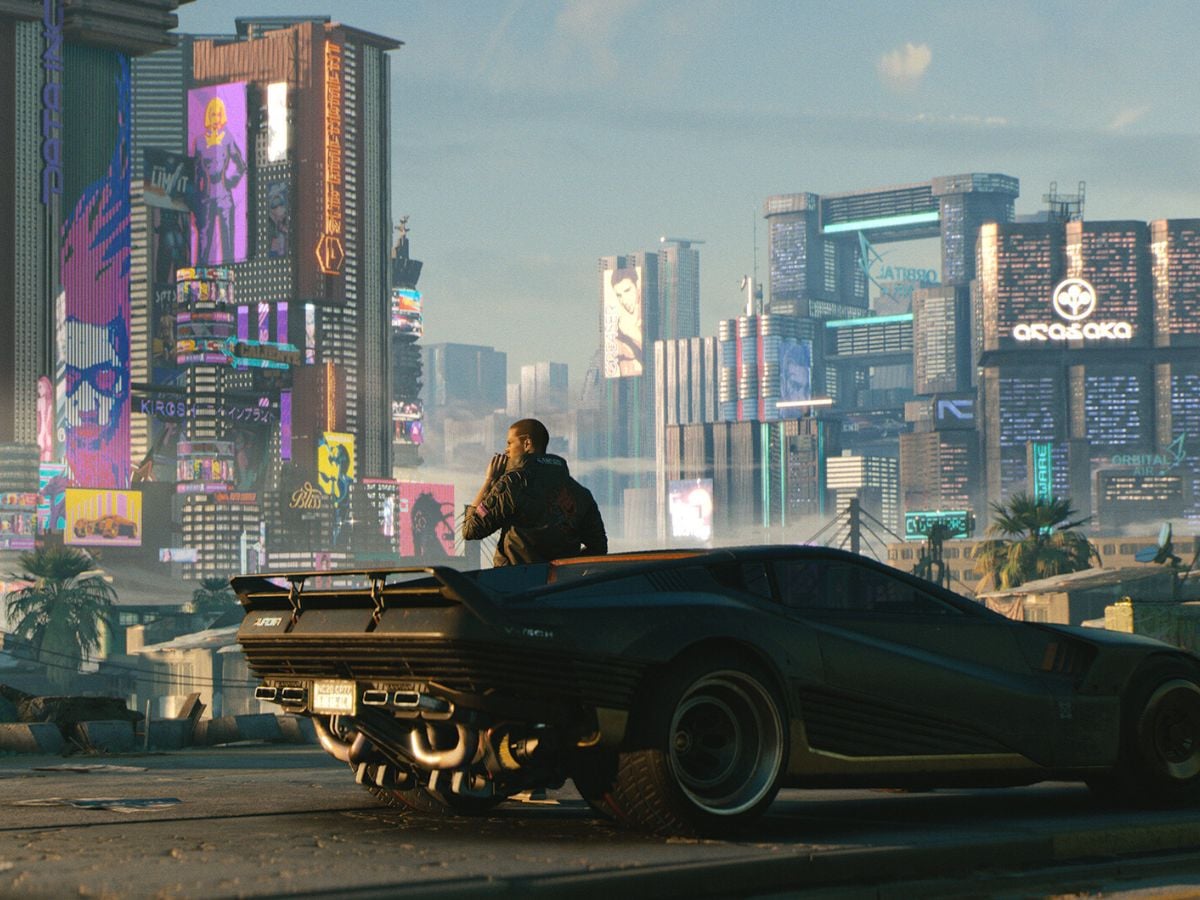
Since its inception, CD Projekt Red has cemented its reputation as a titan of the role-playing game (RPG) genre. By weaving intricate, morally grey narratives with sprawling, immersive environments, the Polish studio transformed from a local distributor into a global powerhouse. However, much of that success has been tethered to pre-existing source material: the legendary The Witcher novels by Andrzej Sapkowski and the seminal Cyberpunk tabletop universe created by Mike Pondsmith.
Now, for the first time in its history, the studio is stepping into the unknown with "Project Hadar." Representing a complete departure from established franchises, Hadar is CD Projekt Red’s first original intellectual property. While the project remains shrouded in mystery, recent recruitment efforts and corporate disclosures have begun to pull back the curtain on what could be the studio’s most significant creative endeavor to date.
The Genesis of Hadar: A New Foundation
Project Hadar was first officially acknowledged in October 2022. The announcement sent ripples through the gaming industry, as it signaled a strategic pivot for a company that had spent decades perfecting the art of adapting existing lore.
Unlike The Witcher, which brought Geralt of Rivia to life through a series of books, or Cyberpunk 2077, which translated the gritty, high-tech aesthetics of tabletop gaming into a digital landscape, Hadar is a blank slate. This presents both an immense opportunity and a daunting challenge. Without the safety net of an established fan base or pre-existing narrative beats, the team at CD Projekt Red is tasked with building a world, a mythos, and a mechanical framework from the ground up.
As of March 2024, CD Projekt Red CEO Michał Nowakowski confirmed that the team had successfully "established the foundations" of this new IP. This phase, described by industry observers as "early pre-development," involves creating the core pillars of the world—its history, its physics, its societal structures, and its thematic core.
Chronology of Development: From Concept to Current Status
The timeline of Project Hadar is one of deliberate, slow-burn cultivation. While fans are often accustomed to the rapid-fire hype cycles of modern AAA gaming, CD Projekt Red has taken a more methodical approach with Hadar.
- October 2022: The official, albeit vague, acknowledgment of Project Hadar occurs during an investor update, confirming it as the studio’s first original IP.
- February 2025: Marcin Blacha, the studio’s Vice President of Narration, issued a call to action on social media. He invited developers to join the "extraordinary crew" working on the project, signaling a push to scale up the creative team.
- March 2024 – Present: The studio enters the prototyping phase. Recent recruitment drives for specialized roles, including an Engineering Director and narrative-focused designers, indicate that the project is transitioning from theoretical world-building into active design implementation.
The Clues in the Recruitment Pages
In the gaming industry, job descriptions are often the most reliable source of "leaks." Because studios must define the specific skill sets required for a project, these listings inadvertently reveal the game’s direction.
A recent job listing for an Engineering Director provides the most concrete evidence to date regarding the project’s scope. The posting explicitly mentions that the successful candidate will "help push the envelope for the next, immersive game in the Hadar world, creating an emotional, open-world experience that will stay with gamers."
This phrasing is significant for several reasons:
- "Open-World Experience": While not entirely surprising given the developer’s track record, the confirmation that Hadar will feature an open-world design allows us to calibrate expectations for the game’s scale and player agency.
- "Emotional": By prioritizing "emotional design," the studio is doubling down on its hallmark: narrative-driven gameplay. The studio is not merely looking for technical experts; they are seeking writers and engineers who prioritize player sentiment and character-driven stakes.
The emphasis on narrative was further underscored by earlier postings for writing positions, which required candidates to be "passionate about narrative-driven and emotional design." When combined with the "extraordinary crew" call-out from the narrative team, it becomes increasingly clear that Hadar is intended to be a single-player, story-heavy experience that aligns with the "prestige" reputation of The Witcher 3: Wild Hunt.
Supporting Data: Where Does Hadar Fit?
To understand the current state of CD Projekt Red, one must look at the distribution of their workforce. The company is currently juggling several high-profile projects, which provides a clear picture of where Hadar sits in their internal hierarchy.
According to recent internal reporting from the studio, the resource allocation is as follows:
- The Witcher 4 (Project Polaris): 513 staff members.
- Cyberpunk 2077 Sequel (Project Orion): 163 staff members.
- Project Sirius (Witcher-themed multiplayer): 83 staff members.
- Project Hadar: 24 staff members.
With only 24 employees currently dedicated to Hadar, the project is clearly in the incubation stage. While The Witcher 4 is currently the studio’s primary engine, Hadar represents the "R&D" wing of the company. This small, elite team is likely focused on prototyping specific gameplay mechanics and aesthetic concepts, ensuring that when the project eventually ramps up, it does so with a rock-solid foundation.
Official Responses and Strategic Intent
CD Projekt Red’s management has been transparent about the long-term necessity of creating their own IP. By owning the entirety of the franchise—from the copyright to the lore—the studio avoids the licensing complexities that can sometimes restrict creative freedom or lead to royalty issues with authors or tabletop creators.
In previous earnings calls, leadership has emphasized that while The Witcher and Cyberpunk remain the bedrock of the company’s revenue, the studio cannot rely on them indefinitely. To maintain their position as a premier developer, they must prove they can create a world that resonates with players without the benefit of prior brand recognition.
The studio has not provided a release window for Hadar, and given the current team size, a release is likely several years away. However, the decision to keep the team small is strategic. It allows for a "lean" development cycle where ideas can be discarded or iterated upon without the crushing weight of a massive overhead.
Implications: The Future of CD Projekt Red
The development of Project Hadar has massive implications for the future of the studio.
1. Creative Autonomy
By moving away from adaptations, CD Projekt Red is insulating itself from the "source material trap." They will no longer be compared to the original novels or the original tabletop games. Instead, they will be judged solely on their own creative output. This is a terrifying prospect for any studio, but it is the ultimate test of their narrative prowess.
2. A New Signature Style
The Witcher gave us dark fantasy and monster hunting. Cyberpunk gave us neon-drenched dystopia. What will Hadar offer? Given the studio’s history, we can likely expect a mature, dark, and politically nuanced world. The "emotional" focus in job listings suggests that, regardless of the setting, the game will focus on the human (or inhuman) condition, emphasizing complex relationships and the consequences of moral choices.
3. Sustainability and Brand Loyalty
The industry is currently facing a period of consolidation and economic uncertainty. For a studio to thrive, it must cultivate a loyal audience that follows the developer rather than just the brand. By building an original IP, CD Projekt Red is attempting to cement that loyalty, proving that the "CD Projekt Red quality" is not limited to Geralt or V.

Conclusion: The Long Road Ahead
Project Hadar remains a whisper in the wind—a project that exists in the minds of designers and in the lines of code being written in a small, specialized room in Warsaw. It is not yet a game we can play, or even a world we can fully visualize.
However, the path forward is becoming clearer. We know it will be an open-world, single-player, narrative-driven experience. We know that the studio is treating it with the care of a precious, early-stage investment. And we know that the ambition behind it is to define the next generation of CD Projekt Red’s history.
For fans of the studio, Hadar is a reminder that the best is yet to come. While we wait for The Witcher 4 to continue the legacy of the Continent, Project Hadar stands as a beacon of the studio’s future—a bold, original, and potentially revolutionary step into the unknown. Until more details emerge, we are left to speculate on the nature of this "Hadar world," but one thing is certain: when it finally arrives, it will be the result of a deliberate, long-term creative evolution that has defined CD Projekt Red from the very start.











No comments yet. Be the first to join the conversation!