

In a landmark move that signals the intensifying industrial importance of the Canary Islands, the visual effects and animation giant DNEG has officially acquired Anima Kitchent, a premier Spanish animation studio. The deal, announced on June 5, 2026, represents a strategic alignment between one of the world’s most respected Oscar-winning production houses and a cornerstone of the burgeoning European animation sector.
This acquisition is not merely a corporate transaction; it is a profound validation of Spain’s decade-long effort to cultivate a world-class animation hub. Backed by a €24.9 million ($28.8 million) investment from the Spanish state-backed technology investment vehicle SETT, the deal is set to catalyze massive growth in production capacity, original IP development, and workforce expansion within the Canary Islands.
The Strategic Anatomy of the Acquisition
While the specific financial terms of DNEG’s purchase of Anima Kitchent remain undisclosed, the industry significance of the deal is impossible to ignore. DNEG, globally recognized for its technical mastery in visual effects and its growing portfolio of high-end animation projects—including Nimona, The Garfield Movie, and the upcoming Netflix feature Bad Fairies—is clearly positioning itself to dominate the long-form animation market.
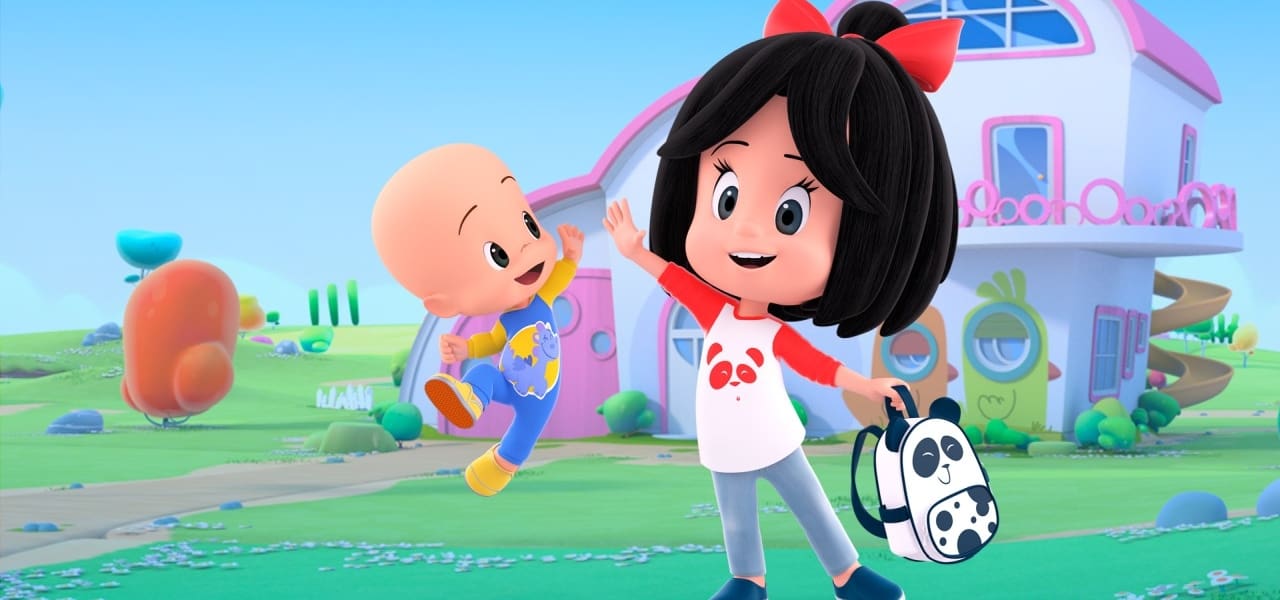
The investment is being funneled through ReDefine Originals, the dedicated animation-focused content division of DNEG. By integrating Anima Kitchent into its organizational structure, DNEG gains an immediate, highly skilled workforce of 170 professionals and a proven track record in children’s entertainment, most notably through the success of Cleo & Cuquín.
A Chronology of Growth: From Regional Player to Global Hub
The rise of the Canary Islands as a production powerhouse is a story of deliberate policy-making and long-term investment.
- Pre-2015: The Canary Islands began positioning themselves as a filming destination, initially focusing on live-action tax incentives.
- 2016–2020: Recognizing the scalability of animation, local authorities began tailoring fiscal policies to attract digital content creators. Studios began migrating from Madrid and Barcelona to the islands to take advantage of lower operational costs and specialized incentives.
- 2021–2024: The "Canary Islands Animation Cluster" began to take shape. During this period, the regional government refined its tax credit structure, offering up to 54% on the first €1 million of eligible spend.
- 2025: The sector saw record-breaking output, with animation workforce numbers in the region climbing to approximately 2,000 employees.
- June 2026: The DNEG acquisition marks the "coming of age" for the region, signaling that the Canary Islands have moved from a service-oriented hub to a primary destination for major Hollywood-backed intellectual property development.
Supporting Data: Why the Canary Islands?
The primary driver behind this move is the region’s hyper-competitive fiscal framework. The Canary Islands offer some of the most attractive production tax credits in the European Union. For studios, the ability to claim a 54% credit on the first €1 million and 45% thereafter—capped at €36 million per feature and €18 million per TV episode—provides a level of financial stability that is increasingly rare in the volatile global animation market.
Furthermore, the regional government’s commitment to talent development has created a self-sustaining ecosystem. With over 2,000 professionals currently working in the sector, the islands have successfully reversed the "brain drain" that once forced Spanish animators to seek work in London, Los Angeles, or Vancouver.
Official Responses and Strategic Intent
Industry analysts point to the involvement of SETT (Spain’s state-backed technology investment vehicle) as a key indicator of the deal’s national importance. The €24.9 million infusion is earmarked specifically to expand Anima Kitchent’s infrastructure.
"This is a transformative moment for the regional industry," notes a representative for the Canary Islands animation sector. "The partnership with DNEG brings us not only capital but the prestige of a studio that has set the gold standard for global VFX and animation. We are moving from a model of service provision to one of international co-production and original IP ownership."
For DNEG, the rationale is equally clear. As the demand for premium streaming content grows, the ability to scale production in a cost-efficient, tax-advantaged, and talent-rich environment is essential. By planting a flag in the Canary Islands, DNEG effectively creates a "European bridgehead" that allows them to bypass the inflationary pressures of North American production centers while maintaining the high-quality output required by major streamers like Netflix and Disney.
Implications: A New Era for European Animation
The acquisition of Anima Kitchent carries significant implications for the broader animation landscape:
1. The Shift to Original IP
Historically, the Canary Islands were viewed as a "work-for-hire" location—a place where major studios sent their overflow animation work to be completed at a lower cost. This acquisition signals a shift toward original IP. Anima Kitchent’s expertise in developing digital-native brands provides DNEG with a blueprint to create, own, and monetize its own intellectual property rather than relying solely on contract work.
.png)
2. Workforce Scaling
The most ambitious goal outlined in the post-acquisition strategy is the growth of Anima Kitchent. Regional officials have indicated that with the new capital, the studio is projected to scale its workforce from 170 to between 500 and 1,000 employees. This would make it one of the largest single animation employers in Southern Europe, creating a magnetic effect for top-tier talent from across the continent.
3. Increased Competition for Service Providers
DNEG’s presence in the region will undoubtedly put pressure on smaller, independent service providers in Spain. While the industry is growing, the dominance of a player as large as DNEG may lead to a consolidation of the market. Smaller studios may find it difficult to compete for top-tier talent if they cannot match the career growth and project prestige offered by a global entity like DNEG/ReDefine.
4. Setting a Benchmark for EU Production
The success of this deal will likely encourage other major players—such as Sony Pictures Imageworks or various Canadian studios—to reconsider their European footprints. If the DNEG-Anima Kitchent model proves successful in delivering high-budget, high-quality animation on time and under budget, the Canary Islands could soon find themselves competing for the top spot in the global animation hierarchy, rivaling the traditional dominance of France and Canada.
Conclusion
The acquisition of Anima Kitchent by DNEG is a landmark event that perfectly illustrates the current trajectory of the animation industry. It is a story of how smart fiscal policy, combined with a willingness to invest in local talent, can turn a remote region into a global powerhouse. As the animation industry continues to navigate the complexities of the streaming era, the marriage of DNEG’s technical prowess and Anima Kitchent’s creative agility in the Canary Islands sets a new, high-water mark for the business of animation.
As the integration process begins, the global animation community will be watching closely to see if this partnership can indeed deliver on its promise of scaling from a mid-sized studio to a powerhouse capable of employing nearly a thousand artists—and, more importantly, whether it can produce the next generation of global, cross-platform hits.









No comments yet. Be the first to join the conversation!