San Diego Comic-Con (SDCC) has long been the barometer for the entertainment industry. What began in 1970 as a modest gathering of comic book enthusiasts in a hotel basement has, over the decades, metastasized into the world’s preeminent pop-culture showcase. It is the "strange creature" of the industry: a place where grassroots fandom meets the cold, calculated machinery of global film and television studios.
However, the post-pandemic era has been unkind to the "mega-convention" model. Industry shifts—driven by the rise of streaming, the volatility of the box office, and the ripple effects of the 2023 WGA and SAG-AFTRA strikes—left SDCC feeling like a hollow shell of its former self in recent years. The once-inescapable gravitational pull of Hall H had faded, replaced by online digital events and studio-led PR campaigns that rendered the physical pilgrimage to San Diego optional, if not entirely redundant.
SDCC 2026, however, signals a distinct pivot. From the triumphant return of Marvel Studios to the high-stakes navigation of legacy franchises like Star Trek, this year’s event is poised to re-establish the convention as the primary engine for setting the cultural tone of the coming years.
The State of the Convention: A New Equilibrium
The skepticism surrounding the viability of physical conventions has been pervasive. In 2024 and 2025, many major players opted for localized "fan experiences" or strictly virtual presentations, leading to a palpable sense of drift in the industry. The "San Diego experience" was becoming a relic of a pre-streaming era.
Yet, 2026 tells a different story. The return of the "Big Two" studios, coupled with a renewed focus on prestige genre television from platforms like Apple TV+ and Prime Video, suggests that the industry has realized the irreplaceable value of live, concentrated hype. For the fans watching from home, this year’s schedule is not just a list of trailers; it is a masterclass in market signaling.
Chronology of Key Events: The 2026 Schedule
The following panels represent the most critical touchpoints for industry watchers and fans alike.
Thursday, July 23: The Animation Renaissance
- 11:00 AM PDT: Percy Jackson and the Olympians – Following a successful series debut, this panel is expected to focus on the expansion of the "Riordanverse" and potential spin-off development.
- 1:00 PM PDT: Avatar Aang: The Last Airbender – After a controversial but curiosity-piquing online leak, the official presentation of this animated feature is a crucial moment for Paramount. Billed as a "pre-sequel," the film serves as a bridge to The Legend of Korra. With a limited theatrical release planned for awards eligibility, the panel will focus on the artistic evolution of the franchise and the creative challenges of maintaining visual continuity across decades.
- 4:30 PM PDT: Hope (Neon) – A wild card in a schedule dominated by IP, this panel represents the critical "prestige" side of the convention, highlighting the continued importance of independent genre storytelling.
Friday, July 24: The Battle for Prime Real Estate
- 10:00 AM PDT: Blade Runner 2099 & The Lord of the Rings: The Rings of Power – Prime Video is taking a massive gamble by pairing its most expensive fantasy asset with a highly experimental science-fiction miniseries. While Rings of Power seeks to regain its footing in Season 3, Blade Runner 2099 is the true enigma. With zero footage released to date, the industry is waiting to see if this series can capture the neon-soaked melancholy of its predecessor or if it will be swallowed by its own massive budget.
- 12:30 PM PDT: The Vampire Lestat – A test of whether Anne Rice’s gothic universe can sustain long-term television interest in a crowded market.
- 1:30 PM PDT: Lanterns – James Gunn’s DC Universe (DCU) is under the microscope. Lanterns is being framed not as a standard superhero romp, but as a gritty, earthbound procedural reminiscent of True Detective. This panel will likely be a litmus test for whether audiences are ready for the "grounded" version of the DCU.
- 5:15 PM PDT: Pan’s Labyrinth 20th Anniversary – A moment of reflection on how Guillermo del Toro’s masterpiece redefined dark fantasy for the modern era.
Saturday, July 25: The Hall H Heavyweights
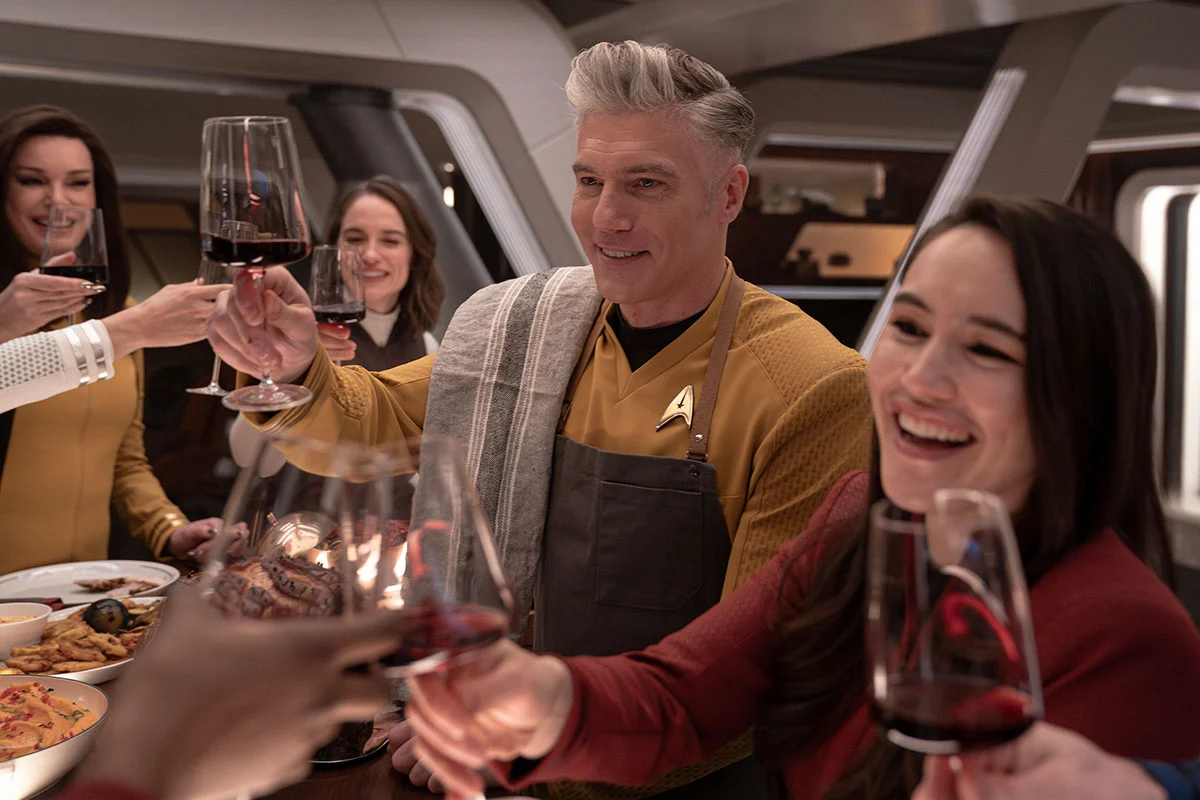
- 12:30 PM PDT: Star Trek Universe – Star Trek is currently in a state of managed transition. With Strange New Worlds concluding, the franchise is at a crossroads. Rumors abound regarding new film projects and the potential for a "rebooted" television slate. This panel will be the most chaotic of the weekend, as cast members and producers balance the celebration of a 60-year legacy against an uncertain future.
- 2:00 PM PDT: Apple TV+ Showcase – Apple has effectively cornered the market on "smart" genre fiction. With hits like Severance and Silo defining their brand, this showcase is expected to lean into the future of their science-fiction slate. The industry is currently buzzing over the potential for a Neuromancer teaser—a project that, if executed well, could be the next major tentpole for the streamer.
- 4:45 PM PDT: Carrie – A retrospective look at horror, serving as a palate cleanser before the main event.
- 5:30 PM PDT: Marvel Studios – The titan returns. Hall H is the home of Marvel, and after several years of creative turbulence, the studio is using this slot to pivot toward the Avengers: Doomsday era. Having already released a surprise trailer, the panel will likely focus on the "multiverse endgame," aiming to convince skeptical investors and fans alike that the MCU is once again the center of the cinematic universe.
Supporting Data: Why the Shift Matters
The data backing these studio decisions is clear: engagement with episodic, high-concept genre content has shifted from "discovery" to "curation." Platforms are no longer releasing content into the void; they are using events like SDCC to build "fandom moats."
The shift toward "pre-sequels" and "grounded" versions of existing lore—such as Avatar Aang and Lanterns—indicates a trend of risk mitigation. Studios are betting that the audience’s appetite for high-budget spectacle remains high, provided it is anchored in established IP that allows for lower marketing friction.
Official Responses and Industry Context
Executives from the participating studios have been tight-lipped, but industry analysts note a shift in messaging. "There is a move away from the ‘everything, everywhere’ approach," says media strategist Marcus Vane. "The studios at SDCC 2026 are focused on ‘eventization.’ They aren’t trying to sell 20 shows; they are trying to sell three, and they are trying to make sure those three shows dominate the cultural conversation for the next six months."
This is particularly evident with the Marvel and DC presentations. James Gunn’s approach to the DCU has been explicitly about "curated storytelling," while Kevin Feige’s return to Hall H is widely interpreted as a tactical move to reclaim the narrative after a period of intense public scrutiny regarding the quality of Marvel’s recent output.
Implications: The Future of the Mega-Convention
What are the long-term implications for SDCC? The most likely outcome is a return to a more specialized, high-impact convention model. The "everything for everyone" era of Comic-Con is likely over, replaced by a "summit" style event where only the most significant projects receive a platform.
If SDCC 2026 succeeds, it will prove that the physical convention remains the ultimate filter for the entertainment industry. It is the only place where the buzz is palpable, the leaks are controlled, and the stars are visible. For the casual fan, the internet offers trailers and interviews. For the industry, the convention offers something far more valuable: a concentrated, physical verification that their product still matters.
As the doors open in San Diego, the question isn’t just what movies are coming next; it’s whether the machine that fueled the last two decades of pop culture can successfully recalibrate for the next two. If the energy in Hall H is any indication, the answer is a resounding, if cautious, yes. The spectacle hasn’t died; it has simply evolved.