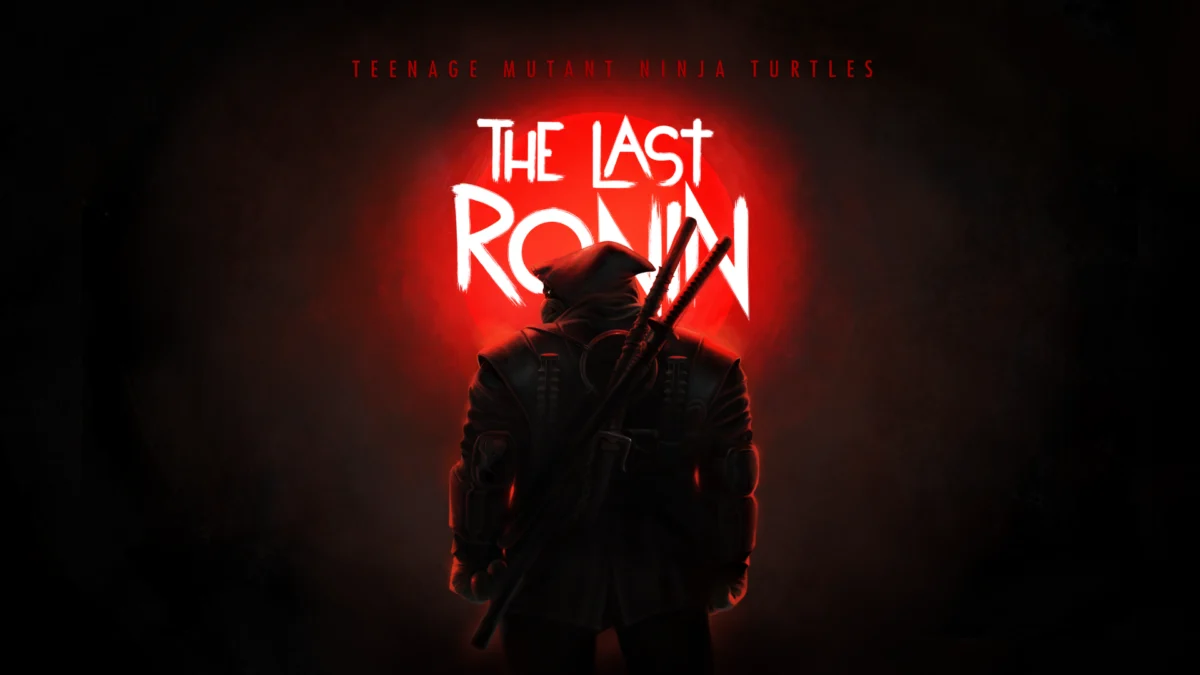
LOS ANGELES, CA – June X, 202X – The gaming world is abuzz following the confirmation at Summer Game Fest that PlatinumGames, acclaimed for its high-octane action titles, will be developing "Teenage Mutant Ninja Turtles: The Last Ronin." This highly anticipated adaptation of the beloved, darker TMNT comic series will be published by the newly re-announced Paramount Games Studio, a powerhouse forged from the recent merger between Paramount and Skydance. The move signals a robust strategic shift for Paramount, cementing its commitment to leveraging its vast intellectual property catalog within the interactive entertainment sphere.
Leading this revitalized venture is Dan Prigg, formerly head of Skydance Interactive, now serving as Executive Vice President, Head of Games for Paramount. Prigg revealed that the decision to partner with PlatinumGames was driven by the Japanese studio’s profound passion for the TMNT IP, a synergy that became undeniable in the wake of the Paramount-Skydance merger finalized in August 2025. This collaboration, along with the continued development of high-profile titles like "Marvel 1943: Rise of Hydra" and an untitled Star Wars game under the Skydance New Media banner, positions Paramount Games Studio as a significant new player in the AAA gaming landscape.
Main Facts
The announcement of "Teenage Mutant Ninja Turtles: The Last Ronin" developed by PlatinumGames stands as a cornerstone in Paramount’s ambitious new strategy for interactive entertainment. This revelation, made during the high-profile Summer Game Fest showcase, has ignited considerable excitement among both TMNT aficionados and fans of PlatinumGames’ distinctive action-oriented style. The game will be published by the newly formed Paramount Games Studio, a direct outcome of the strategic consolidation between entertainment giants Paramount and Skydance. This studio represents a significant retooling and expansion of Paramount’s previous, more nascent gaming efforts, now incorporating the seasoned expertise and development teams from Skydance Interactive and Skydance New Media.
At the helm of this invigorated gaming division is Dan Prigg, a veteran of the interactive entertainment industry. Prigg, who previously guided Skydance Interactive, now holds the crucial role of Executive Vice President, Head of Games for Paramount. His leadership underscores Paramount’s serious intent to establish a formidable presence in the competitive video game market. Prigg highlighted that PlatinumGames was chosen for "The Last Ronin" due to their deep-seated enthusiasm for the Teenage Mutant Ninja Turtles IP, describing the studio as "huge fans." This passion, combined with PlatinumGames’ proven track record in crafting critically acclaimed character action games, made them an ideal partner for adapting such a unique and beloved property. The merger between Paramount and Skydance, finalized in August 2025, served as the critical catalyst, providing the organizational structure and resources necessary to greenlight such high-profile projects and forge these strategic alliances. The new studio’s mandate extends beyond internal development, actively seeking external collaborations with top-tier studios like PlatinumGames to bring Paramount’s extensive library of intellectual properties to life in compelling interactive formats.
A New Era for Paramount Gaming: The Studio’s Rebirth
The emergence of Paramount Games Studio as a unified and strategically focused entity marks a pivotal moment for Paramount Global’s engagement with the multi-billion-dollar video game industry. This isn’t merely a rebranding; it’s a fundamental restructuring designed to harness the immense potential of Paramount’s vast intellectual property portfolio in a rapidly evolving entertainment landscape.
The Revitalized Paramount Games Studio
Prior to this significant re-announcement, Paramount’s involvement in gaming had been somewhat fragmented, primarily focused on licensing deals and smaller-scale projects, such as a "SpongeBob SquarePants" activation within Roblox. While these ventures served their purpose in brand extension, they lacked the strategic coherence and direct investment indicative of a major player in the AAA game development space. The new Paramount Games Studio represents a dramatic departure from this past approach. It consolidates the formidable talents and established projects of Skydance’s gaming divisions—Skydance Interactive and Skydance New Media—under a unified Paramount banner. This strategic integration provides an immediate foundation of experienced teams, active development pipelines, and a proven track record in game creation, propelling Paramount directly into the forefront of interactive entertainment production. The studio’s mission is now twofold: to nurture high-quality internal projects originating from the former Skydance teams and to strategically partner with best-in-class external developers to bring Paramount’s most iconic IPs to life.
Strategic Consolidation: Paramount and Skydance
The genesis of this revitalized gaming studio is intrinsically linked to the broader corporate maneuverings that saw Paramount and Skydance finalize their merger in August 2025. This large-scale corporate integration was not just about combining film and television assets; it was a comprehensive strategy to create a more resilient and diversified entertainment conglomerate capable of competing in a fiercely competitive global market. For the gaming sector, the merger proved transformative. Skydance, under the leadership of David Ellison, had already made significant inroads into the video game industry through Skydance Interactive, known for the critically acclaimed VR title "The Walking Dead: Saints & Sinners," and Skydance New Media, helmed by industry luminary Amy Hennig, with ambitious projects like "Marvel 1943: Rise of Hydra" and an untitled Star Wars game in development.
Before the merger, Paramount’s capacity to initiate and shepherd AAA game projects was limited by internal structures and investment priorities. The integration with Skydance brought not only financial backing but, crucially, established gaming infrastructure, experienced personnel, and a strategic vision for interactive content that Paramount had previously lacked. Dan Prigg emphasized this point, noting that a collaboration of the scale of "The Last Ronin" with PlatinumGames "wouldn’t have happened" pre-merger. The combined entity created an environment where such ambitious projects could be evaluated, championed, and ultimately greenlit, backed by a unified corporate strategy that recognized the critical role of gaming in modern entertainment. The August 2025 merger date marks the precise point at which the organizational pieces fell into place, allowing for the strategic decisions that are now coming to fruition.
Leadership and Vision: Dan Prigg at the Helm
The appointment of Dan Prigg as Executive Vice President, Head of Games for Paramount, is a clear signal of the company’s serious intentions. Prigg brings a wealth of experience from his tenure as head of Skydance Interactive, where he oversaw the development and success of titles like "The Walking Dead: Saints & Sinners." His expertise isn’t merely in project management but in understanding the intricate dynamics of game development, from creative vision to market execution. Prigg’s strategic vision for Paramount Games Studio is one of discerning curation and collaborative excellence. He articulates a desire to work with "triple-A studios that are passionate about [our] IP," underscoring a philosophy that prioritizes genuine enthusiasm and creative alignment over mere transactional licensing.
His background with Skydance equipped him with direct experience in building and managing high-quality game development teams, a skill set that is invaluable in scaling Paramount’s gaming ambitions. Prigg’s role now involves not only overseeing the existing Skydance projects but also identifying new opportunities to adapt Paramount’s extensive library of film and television properties into compelling interactive experiences. His ability to navigate the complexities of a major corporate merger and swiftly pivot to strategic game development speaks volumes about his leadership capabilities. Under Prigg, Paramount Games Studio aims to be a home for developers who can genuinely connect with and elevate the source material, ensuring that future titles are not just IP cash-ins but authentic and high-quality contributions to the respective franchises.
PlatinumGames and The Last Ronin: A Perfect Match?
The pairing of PlatinumGames with "Teenage Mutant Ninja Turtles: The Last Ronin" has been met with widespread acclaim, seen by many as a dream collaboration. This excitement stems from the unique nature of "The Last Ronin" IP and PlatinumGames’ distinctive pedigree in crafting immersive, action-packed experiences.
The Darker Side of TMNT: The Last Ronin IP
"The Last Ronin" is not your typical light-hearted Teenage Mutant Ninja Turtles adventure. Published by IDW Publishing, the comic series, conceptualized by Kevin Eastman and Peter Laird with Tom Waltz, is a gritty, dystopian narrative set in a bleak future New York City. It features a lone surviving Turtle, driven by vengeance, navigating a city controlled by the Foot Clan and Shredder’s grandson. This mature, emotionally charged story delves into themes of loss, survival, and the enduring legacy of family, offering a stark contrast to the often whimsical tone of previous TMNT iterations. Its darker aesthetic and more complex narrative appeal to an older, more discerning audience that grew up with the Turtles and is now seeking a more profound engagement with the franchise. The success of the comic series demonstrated a significant appetite for a TMNT story that isn’t afraid to explore mature themes and provide a visceral, impactful experience. Adapting such a story requires a developer capable of translating its intensity, its nuanced character moments, and its brutal combat into an interactive format without sanitizing its core essence.
PlatinumGames: Masters of Character Action
PlatinumGames stands as one of the most respected developers in the character action genre, renowned for their mastery of fluid combat, stylish presentation, and engaging boss battles. Their portfolio boasts a string of critical darlings, including "Bayonetta," "Vanquish," "Nier: Automata" (developed in collaboration with Square Enix), and "Astral Chain." What defines a PlatinumGames title is often its emphasis on precision-based, combo-heavy combat, often featuring intricate dodge mechanics, parries, and a flair for the dramatic. Their games challenge players to master complex systems while rewarding them with visually spectacular and deeply satisfying gameplay loops. This expertise makes them an incredibly compelling choice for "The Last Ronin." The comic’s premise, centered around a single, highly skilled Turtle engaging in intense, acrobatic combat against hordes of enemies, aligns perfectly with PlatinumGames’ strengths. Fans can anticipate a game that not only looks spectacular but feels incredibly responsive and empowering to play, capturing the ferocity and agility of the Last Ronin.
A Passionate Partnership
The synergy between Paramount Games Studio and PlatinumGames goes beyond mere technical capability; it is rooted in genuine enthusiasm. Dan Prigg’s statement that PlatinumGames were "huge fans" of the IP is crucial. This intrinsic passion is often the secret ingredient that elevates a good game to a great one. It means the developers are not just fulfilling a contract but are deeply invested in honoring the source material, understanding its nuances, and translating its spirit into the interactive medium. Prigg recounted how PlatinumGames had expressed interest in the IP even before the Paramount-Skydance merger, indicating an organic desire to work on "The Last Ronin."
Post-merger, when Paramount Games Studio was in a position to seriously consider such a project, the mutual excitement was palpable. "We kind of got wind of it, and this was right after the merger… this was one of those where it’s like, we have to make this. We have to do this game. How can we not do this game?" Prigg told GamesIndustry.biz. This anecdote highlights a rare alignment of creative vision and strategic opportunity. Meeting with PlatinumGames and witnessing their ideas solidified the partnership, with Prigg musing, "how has this never happened before yet?" This shared enthusiasm promises an adaptation that is not only technically proficient but also infused with the heart and soul that "The Last Ronin" deserves, offering fans an authentic and thrilling interactive experience.
Chronology: The Path to This Announcement
The journey to the announcement of "Teenage Mutant Ninja Turtles: The Last Ronin" and the re-establishment of Paramount Games Studio is a tapestry woven from corporate evolution, strategic acquisitions, and the persistent drive to innovate within the entertainment industry.
Paramount’s Historical Forays into Gaming
Paramount’s history with video games is not entirely new, but it has been characterized by intermittent ventures rather than a sustained, dedicated strategy. In the past, Paramount Global, through its various subsidiaries, primarily engaged in licensing its vast array of film and television IPs to third-party game developers and publishers. These ventures often resulted in titles of varying quality, with some achieving moderate success while others faded into obscurity. From movie tie-in games of the 1990s and early 2000s to more recent mobile applications and virtual reality experiences, Paramount’s approach was largely reactive, capitalizing on existing trends rather than proactively shaping its own interactive destiny. This decentralized model, while minimizing direct investment risk, often meant less creative control and inconsistent quality, preventing the establishment of a strong, unified gaming identity for the conglomerate. The previous iterations of "Paramount Games Studio" existed in various guises, often functioning more as a licensing and oversight department than a full-fledged development and publishing arm.
Skydance’s Gaming Ventures
In contrast to Paramount’s more cautious approach, Skydance Media, under the leadership of CEO David Ellison, made a deliberate and substantial push into the interactive entertainment space. This commitment manifested through two distinct, yet complementary, gaming divisions. Skydance Interactive was established to focus on virtual reality (VR) experiences, achieving critical and commercial success with "The Walking Dead: Saints & Sinners," a highly immersive and well-regarded title in the VR landscape. This demonstrated Skydance’s capability to develop and publish high-quality, technically demanding games. Simultaneously, Skydance New Media was formed, a star-studded studio led by industry veteran Amy Hennig, known for her groundbreaking work on the "Uncharted" series. Skydance New Media was explicitly tasked with developing narrative-driven AAA action-adventure games based on major IPs, quickly securing deals for "Marvel 1943: Rise of Hydra" and an untitled Star Wars project. These ventures showcased Skydance’s ambition to produce blockbuster interactive experiences that could stand alongside their film and television productions, building dedicated teams and intellectual property pipelines.
The Merger’s Genesis and Impact
The strategic rationale behind the merger between Paramount Global and Skydance Media, finalized in August 2025, was multifaceted. It aimed to create a more diversified and robust entertainment entity, capable of competing with media giants like Disney, Warner Bros. Discovery, and Comcast. For the gaming division, the merger was a game-changer. Paramount gained immediate access to Skydance’s established gaming infrastructure, its experienced development teams, and, crucially, the high-profile projects already underway with Marvel and Star Wars. This provided Paramount with a running start, transforming its fragmented gaming presence into a cohesive, well-resourced studio overnight. The August 2025 finalization date is critical, as it signifies the point at which the strategic assets, leadership, and vision could be fully integrated and operationalized, leading directly to the renewed mandate for the Paramount Games Studio. Without this merger, the resources and strategic alignment necessary for a project like "The Last Ronin" in collaboration with PlatinumGames might not have materialized.
From Concept to Summer Game Fest
Following the merger’s finalization, the newly consolidated Paramount Games Studio, under Dan Prigg’s leadership, swiftly moved to evaluate its expanded portfolio and strategic opportunities. Prigg’s team, enthusiastic about the potential of leveraging Paramount’s deep IP catalog, quickly identified "Teenage Mutant Ninja Turtles: The Last Ronin" as a prime candidate for a high-quality game adaptation. The comic’s popularity and its unique, mature themes presented an opportunity to create a standout title. Concurrently, PlatinumGames’ expressed interest in the IP, even before the merger, created a perfect alignment of developer passion and publisher ambition. The post-merger environment provided the framework to not only pursue this collaboration but also to champion it internally, securing the necessary approvals and resources. The subsequent engagement with PlatinumGames involved reviewing their concepts and understanding their vision for the game, a process Prigg described as incredibly exciting. The decision to unveil "The Last Ronin" at Summer Game Fest, one of the industry’s most prominent showcases, underscores the strategic importance Paramount places on this title and its revitalized gaming division, marking a clear and public declaration of its renewed commitment to interactive entertainment.
Supporting Data: The Broader Gaming and IP Landscape
The formation of Paramount Games Studio and its immediate high-profile projects occur within a dynamic and increasingly competitive entertainment landscape, where intellectual property reigns supreme and cross-media synergy is key.
The Thriving Licensed IP Market in Gaming
The video game industry has witnessed an undeniable surge in the success of licensed intellectual properties. From the consistent triumphs of Marvel and Star Wars games (like "Marvel’s Spider-Man" and "Star Wars Jedi: Fallen Order") to the resurgence of franchises like "Cyberpunk 2077" and "The Witcher" based on existing media, the market has proven incredibly receptive to well-executed adaptations. These successes are not coincidental; they reflect a sophisticated understanding of how to translate established narratives, characters, and worlds into compelling interactive experiences. Players are often drawn to games that allow them to inhabit beloved universes, offering a deeper, more personal connection to stories they already cherish. This trend minimizes the risk associated with launching entirely new IPs, as a built-in fanbase already exists, eager to engage with new iterations of their favorite franchises. Paramount’s move to capitalize on its own deep IP well is a direct response to this proven market appetite, positioning "The Last Ronin" within a lineage of highly anticipated licensed adaptations.
The Value of Established Fanbases
One of the most significant advantages of leveraging established intellectual property is the inherent value of an existing fanbase. Every TMNT fan, every Marvel enthusiast, and every Star Wars devotee represents a pre-qualified audience eager for new content. This reduces the immense marketing burden typically associated with launching a brand-new game. Instead of building awareness from scratch, publishers can tap into decades of brand recognition and loyalty. For "The Last Ronin," the mature and dedicated fanbase of the comic series, combined with the broader appeal of the Teenage Mutant Ninja Turtles, provides a robust platform for engagement. These fans are not just consumers; they are often active community members, critics, and evangelists who can amplify a game’s reach through word-of-mouth and social media. Paramount Games Studio’s strategy acknowledges that a well-loved IP, when treated with respect and developed with excellence, can unlock significant commercial and critical success.
Paramount’s Rich IP Portfolio
Beyond "Teenage Mutant Ninja Turtles," Paramount Global boasts an enviable array of intellectual properties that are ripe for video game adaptation. Franchises like "Star Trek," with its vast universe and complex lore, offer endless possibilities for exploration, strategy, and role-playing games. "Mission: Impossible" could translate into high-stakes espionage thrillers. "Transformers" provides a foundation for action-packed combat and exploration. Other properties like "SpongeBob SquarePants" (already tapped for Roblox) or even more niche film properties could find new life in various gaming genres. The existence of Skydance Interactive (with its VR expertise) and Skydance New Media (with its narrative AAA focus) provides a versatile internal capability to tackle a diverse range of these IPs, while the willingness to partner with external studios like PlatinumGames opens the door even wider. This strategic flexibility allows Paramount to assess each IP’s unique strengths and match it with the most suitable development talent and platform.
The "Triple-A Studio" Imperative
Dan Prigg’s emphasis on partnering with "a great triple-A studio that is passionate about [our] IP" highlights a critical aspect of Paramount’s new strategy: a commitment to quality. The market for licensed games has historically been hit-or-miss, with many quick cash-ins failing to meet fan expectations. Paramount’s approach under Prigg suggests a move away from this model towards a more discerning curation process. By seeking out developers with proven track records, technical prowess, and genuine enthusiasm for the source material, Paramount aims to ensure that its licensed games are not just good, but exceptional. PlatinumGames’ reputation for delivering high-quality, polished action experiences makes them a perfect embodiment of this "triple-A studio" imperative. This focus on excellence is crucial for building credibility in the gaming industry and for cultivating long-term trust with fanbases who are increasingly savvy and demand authentic, well-crafted interactive experiences.
Official Responses and Forward Momentum
The official communications surrounding the launch of Paramount Games Studio and its inaugural projects underscore a clear strategic vision and an palpable sense of excitement from all parties involved.
Dan Prigg’s Strategic Outlook
Dan Prigg’s public statements have consistently articulated a clear and ambitious vision for Paramount Games Studio. He positions the studio not merely as a publisher, but as a proactive developer and curator of high-quality interactive experiences that genuinely honor Paramount’s iconic IPs. His emphasis on the post-merger environment as the catalyst for securing a developer like PlatinumGames for "The Last Ronin" speaks volumes about the enhanced capabilities and strategic alignment within the new organization. Prigg’s dual approach—nurturing internal development through the Skydance teams while also actively seeking external partnerships with "great triple-A studios"—demonstrates a comprehensive strategy designed for both efficiency and creative excellence. He believes this flexibility allows Paramount to adapt its strategy to the unique needs of each IP, ensuring that every game is developed by the most passionate and capable hands. His anticipation for the upcoming full interview further suggests a detailed roadmap for the studio’s future, indicating a long-term commitment rather than a one-off venture.
PlatinumGames’ Enthusiasm
While direct quotes from PlatinumGames regarding "The Last Ronin" have yet to be widely published, Dan Prigg’s testimony about their "huge fans" status and their pre-merger interest in the IP serves as a powerful proxy. This implies a significant level of creative buy-in and a genuine desire to work on the project, which is invaluable for any game development. Developers who are passionate about their source material often go the extra mile, infusing their work with subtle details and deep understanding that only true fans can appreciate. Given PlatinumGames’ history of bringing unique stylistic flair and uncompromising action to their projects, their enthusiasm for "The Last Ronin" bodes well for a faithful yet creatively bold adaptation. It suggests that the game will not just be a competent action title but a loving homage to the comic, interpreted through PlatinumGames’ signature lens.
Confirmed Slate: Beyond The Last Ronin
"The Last Ronin" is not an isolated project but rather a key piece in a broader, ambitious portfolio. Paramount Games Studio inherits and continues the development of two other highly anticipated titles originating from Skydance New Media: "Marvel 1943: Rise of Hydra" and an untitled Star Wars game. "Marvel 1943: Rise of Hydra," led by the legendary Amy Hennig, promises a narrative-driven adventure set during World War II, featuring iconic Marvel characters. The untitled Star Wars game is similarly expected to deliver a rich, story-focused experience, leveraging Hennig’s expertise in cinematic storytelling. These projects, already well into development, provide a strong foundation for the new studio, showcasing its immediate capacity to deliver high-profile, quality content. Their continued progression under the Paramount Games Studio banner reinforces the idea that this is a serious and sustained push into the gaming market.
Anticipation for Future Announcements
The article concludes with a teaser of "more announcements expected shortly" and the promise of a full interview with Dan Prigg on Monday. This generates significant anticipation, suggesting that "The Last Ronin" is merely the first major reveal in a series of strategic moves by Paramount Games Studio. It implies a robust pipeline of future projects, potentially leveraging other beloved Paramount IPs or exploring new creative partnerships. This ongoing rollout of news is critical for maintaining industry and fan interest, signaling that Paramount is not just dipping its toes into the gaming waters but is diving in with a comprehensive, long-term strategy. The upcoming interview with Prigg is expected to shed more light on the studio’s broader plans, its operational structure, and its vision for expanding Paramount’s interactive footprint.
Implications: What This Means for the Industry and Fans
The re-emergence of Paramount Games Studio with such a strong initial slate carries significant implications for various stakeholders, from the wider entertainment industry to the dedicated fan communities.
Paramount’s Renewed Commitment to Gaming
This move unequivocally signals Paramount Global’s renewed and serious commitment to the video game sector. Unlike previous, more tentative forays, the creation of a unified, well-funded Paramount Games Studio, bolstered by the Skydance merger, indicates a strategic decision to treat interactive entertainment as a core pillar of its business. This commitment is crucial in today’s cross-media landscape, where games often serve as powerful brand extensions, revenue generators, and engagement platforms. By investing directly in development and partnering with top-tier studios, Paramount aims to secure its place in a market increasingly dominated by integrated media conglomerates. This could mean more consistent, higher-quality game adaptations of their IPs, shifting away from the historical perception of movie studios producing rushed tie-ins.
Potential for High-Quality IP Adaptations
The combination of strong, compelling intellectual property with proven, passionate developers like PlatinumGames and Skydance New Media’s Amy Hennig raises expectations for the quality of upcoming games. Fans of "The Last Ronin" can anticipate an action game that not only captures the visceral combat but also the emotional depth and gritty atmosphere of the comic. Similarly, Marvel and Star Wars fans can look forward to narrative-rich experiences from a studio known for its storytelling prowess. This focus on quality is paramount for success in a market where players are increasingly discerning and have access to an abundance of choice. High-quality adaptations build trust, foster loyalty, and can significantly enhance the value of the underlying IP across all media.
Competition in the Media Conglomerate Gaming Space
Paramount’s strategic pivot positions it as a more direct competitor to other media giants that have already established significant presences in gaming, such as Disney (through its licensing and ownership of major IPs like Marvel and Star Wars, often developed by external partners like Electronic Arts and Insomniac Games) and Warner Bros. Discovery (with its internal WB Games studios). This intensified competition is generally beneficial for consumers, as it incentivizes higher production values, greater innovation, and more diverse offerings. Paramount’s unique IP catalog and its chosen development partners will carve out its niche, potentially leading to distinctive interactive experiences that differentiate it from its rivals. The gaming industry is seeing a renewed battle for IP supremacy, and Paramount is now firmly in the ring.
Impact on PlatinumGames’ Portfolio
For PlatinumGames, partnering with Paramount on "The Last Ronin" represents a significant opportunity. While they have a dedicated fanbase for their original IPs, working on a globally recognized franchise like Teenage Mutant Ninja Turtles, especially in its darker "Last Ronin" incarnation, can significantly broaden their audience reach. This collaboration could introduce PlatinumGames’ signature action gameplay to a new segment of players who might not typically engage with their original titles. It also provides financial stability and potentially allows the studio to invest further in its own original projects down the line. Such high-profile licensed work can be a strategic move for independent developers, offering both creative challenges and commercial rewards.
The Future of Interactive Storytelling
Ultimately, the initiatives from Paramount Games Studio, particularly projects like "The Last Ronin" and the games from Skydance New Media, contribute to the evolving landscape of interactive storytelling. They push the boundaries of how established narratives can be translated and expanded within the video game medium. As games become increasingly sophisticated, they offer unique avenues for fan engagement and narrative immersion that complement traditional film and television. Paramount’s investment in this space signifies a recognition of games not just as ancillary products, but as powerful, standalone entertainment experiences that are central to a comprehensive media strategy.
In conclusion, the launch of Paramount Games Studio, with Dan Prigg at its helm and PlatinumGames developing "Teenage Mutant Ninja Turtles: The Last Ronin," marks a decisive and ambitious step for Paramount Global. Born from the strategic merger with Skydance, this revitalized gaming division is poised to become a significant force in the industry, leveraging its rich IP catalog and a commitment to high-quality development. As the gaming world eagerly awaits further announcements and the promised full interview with Prigg, it’s clear that a new and exciting chapter for Paramount in interactive entertainment has just begun.