Layla Zulfa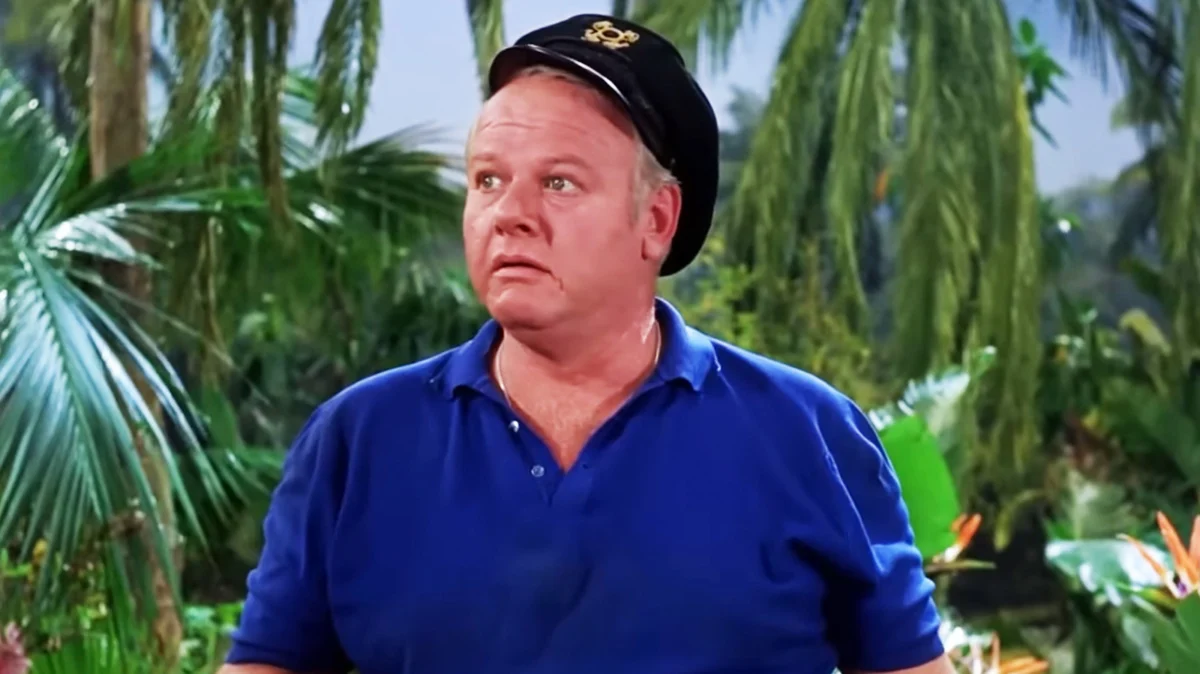
In the landscape of mid-century Hollywood, the contract player system was both a springboard to stardom and a gilded cage. For many actors, the path to prestige was paved with studio-mandated projects that ranged from visionary masterpieces to forgettable filler. Among the most infamous of these "filler" assignments in the career of legendary actor James Garner was the 1959 World War II submarine drama Up Periscope. While the film offered a significant role to a pre-Gilligan’s Island Alan Hale Jr., it served as a bitter point of contention for its lead, Garner, who later characterized the production as a low point in his illustrious career.
Main Facts: A Submarine Drama Under Fire
Up Periscope, directed by veteran filmmaker Gordon Douglas, was released during a period when the submarine thriller was a staple of the war genre. Based on the novel by Robb White and scripted by Richard H. Landau, the film follows Lieutenant Kenneth Braden, a Navy frogman portrayed by Garner, who is assigned a perilous mission to infiltrate the Japanese-held island of Kusaue. His objective: to secure a vital enemy code book.
The film’s central conflict is intended to be the friction between Braden and the ship’s commander, Paul Stevenson, played by the formidable Edmond O’Brien. As the crew grapples with the recent loss of a comrade, the psychological tension on board the submarine is supposed to drive the narrative toward the high-stakes climax. However, critics and the film’s own star would later argue that the drama failed to submerge the audience in genuine tension, resulting in a pacing that felt stagnant rather than suspenseful.
Chronology of a Career Milestone (and Misstep)
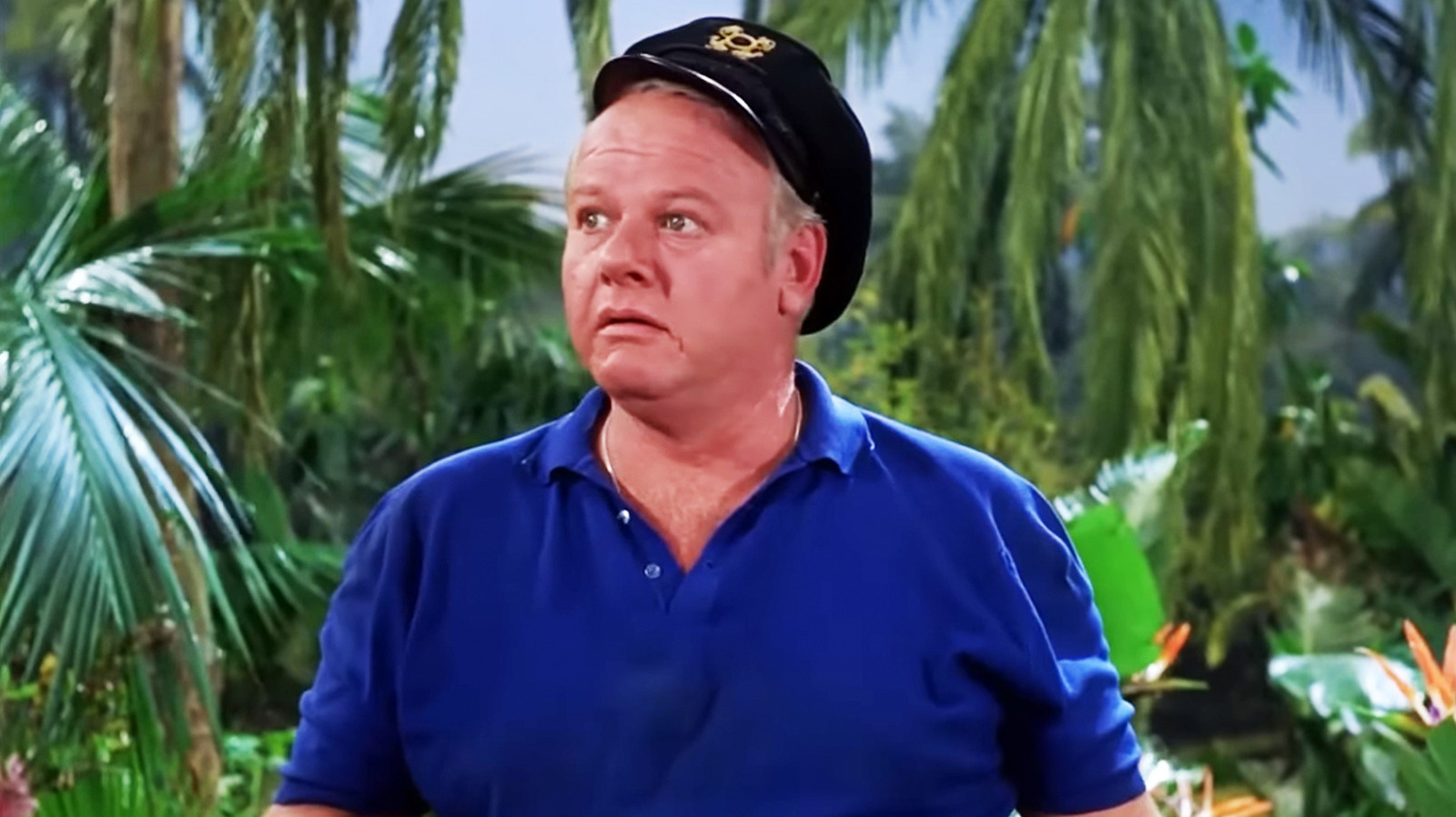
To understand why Up Periscope occupies such a strange place in Hollywood history, one must look at the trajectory of the men involved. By 1959, Alan Hale Jr. was a working actor of significant repute. Having already headlined his own Western series and appeared in films alongside icons like Audie Murphy and Kirk Douglas, Hale was a reliable presence in the studio system. His role as Pat Malone in Up Periscope was a minor part, yet it provided him with a platform to showcase the comedic timing that would eventually make him a household name as the Skipper on Gilligan’s Island just four years later.
Conversely, James Garner was at a different stage of his development. He had become a television sensation thanks to his role as Bret Maverick in Maverick. The transition from the small screen to the silver screen was rarely seamless in the 1950s, and for Garner, the Warner Bros. machine was quick to capitalize on his rising fame by casting him in projects that the studio deemed "bankable." Up Periscope was the result of this corporate calculation. While the film was meant to establish Garner as a leading man in action-heavy cinema, it instead became a tedious obligation that he felt forced to endure.
The Discrepancy in Perspectives
The critical reception of the era offers a nuanced look at the film’s shortcomings. A. H. Weiler, writing for The New York Times in March 1959, noted that the film followed a "familiar and somewhat undramatic course." While he stopped short of labeling the production a failure, noting that the cast and crew performed their duties adequately, he highlighted the lack of narrative drive.
Interestingly, Weiler pointed to Alan Hale Jr. as a saving grace, specifically praising the actor for providing "a modicum of levity" in a film that otherwise struggled to maintain a consistent tone. Hale seemed to embrace the material for what it was—a standard-issue war picture—whereas Garner viewed the project through the lens of a frustrated artist trapped by contractual obligations.
The contrast between Hale’s steady professional approach and Garner’s visceral distaste for the film highlights the varying levels of power and autonomy afforded to different tiers of actors in the studio era. For a character actor like Hale, the work was a craft; for a burgeoning star like Garner, the work was a career-defining hurdle.
Supporting Data: James Garner’s Candid Critique
The most damning evidence of the film’s quality—or lack thereof—comes from the star himself. In his 2011 memoir, The Garner Files, written in collaboration with Jon Winokur, Garner provided a retrospective, star-based rating system for every project he had ever undertaken. His assessment of Up Periscope was unequivocal.
Garner awarded the film a single star, effectively labeling it a failure. In the accompanying commentary, he wrote, "Another piece of crap that Warner Bros. stuck me in while I was under contract." This sentiment, echoed by the New York Post in their reporting on his memoir, underscores the powerlessness felt by many actors of the time. Garner’s frustration was not necessarily directed at his co-stars, but at the industrial machinery that viewed him as a commodity to be inserted into generic scripts rather than a talent to be nurtured.
Implications of the Studio System
The story of Up Periscope is, in many ways, a microcosm of the decline of the traditional studio system. By the late 1950s, the rigid structures that governed Hollywood were beginning to fracture. Actors were becoming increasingly aware of their value, and the "contract player" model was being challenged by those who wanted more creative control over their filmographies.
When a star of Garner’s caliber publicly disavows a film decades later, it forces a re-evaluation of the "golden age" of cinema. It reveals that behind the polished veneer of mid-century blockbusters, there was a profound amount of creative dissatisfaction. For the audience, Up Periscope remains a curious historical artifact—a film that captures two future icons of television history in a transitional moment, performing in a work that, for at least one of them, represented everything wrong with the business of moviemaking.
Conclusion: A Legacy Defined by Absence
While Up Periscope is rarely cited as a highlight in the submarine genre—a genre dominated by later, more technically proficient works like Das Boot or The Hunt for Red October—its legacy is sustained by the history of its production. It serves as a reminder that the history of film is not just about what appears on the screen, but about the friction that occurs behind the scenes.
Alan Hale Jr. went on to find immortality on a desert island, proving that his ability to bring lightheartedness to a role was his greatest asset. James Garner went on to become one of the most respected actors of his generation, largely by eventually breaking free from the studio shackles that forced him into projects like Up Periscope. The film remains a footnote, a minor entry in the expansive filmography of a Hollywood legend, and a stark example of a star’s deep, abiding hatred for a project that history has largely allowed to drift into obscurity.

 Jia Lissa
 Iffa Jayyana