Ammar Sabilarrohman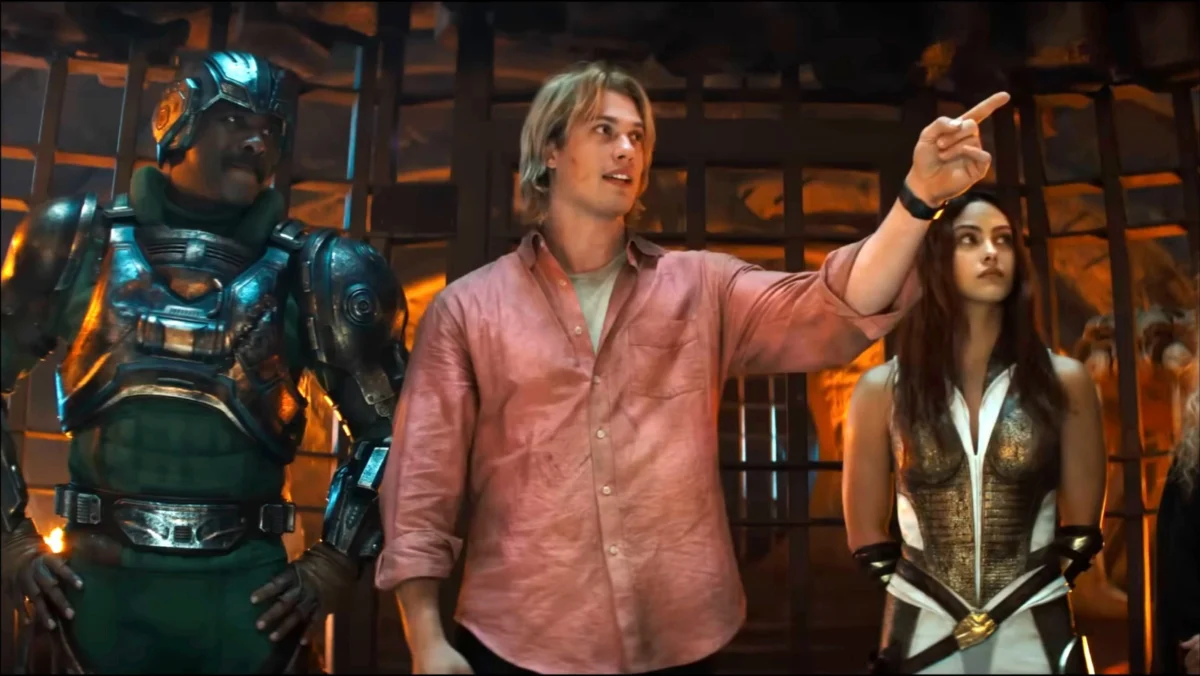
For over four decades, the He-Man and the Masters of the Universe franchise has stood as a monolith of 1980s pop culture, characterized as much by its muscular aesthetic and high-fantasy stakes as by its inherently ridiculous nomenclature. From the titular "He-Man"—a name that essentially functions as a blunt-force descriptor of the character’s physical form—to colorful supporting players like Ram-Man and Fisto, the series has long been a lightning rod for lighthearted mockery.
However, the 2026 live-action adaptation, directed by Travis Knight, has taken a bold, self-aware approach to this legacy. Rather than ignoring the campy nature of the source material, the creative team—led by screenwriters Chris Butler, the Nee brothers, and David Callaham—has woven these "silly" names directly into the narrative tapestry of the film. By grounding these monikers in the subjective perspective of a child, the film transforms what could have been a point of mockery into a touching, character-driven plot point.
The Narrative Foundation: A Child’s Perspective on War
The core conceit of the 2026 film centers on the early exile of Prince Adam. When the planet Eternia falls under the shadow of Skeletor (played with menacing gravitas by Jared Leto), a young Prince Adam is whisked away to Earth by his mother, Queen Marlena (Charlotte Riley), and The Sorceress (Morena Baccarin). The objective is clear: to keep the Sword of Power and the secrets of Grayskull hidden from the villain’s grasp.
Because Adam is only a child at the time of his departure, his connection to the warriors of his father’s court, King Randor (James Purefoy), is limited to fragmented, youthful memories. He remembers the heroic defenders of his home not through their formal titles or aristocratic lineages, but through the visceral, descriptive associations of a boy’s imagination. In the film, it is revealed that Adam spent his years on Earth chronicling these memories through drawings, assigning names to the warriors that perfectly—and often humorously—described their defining physical attributes.
Chronology of a Return: From Myth to Reality
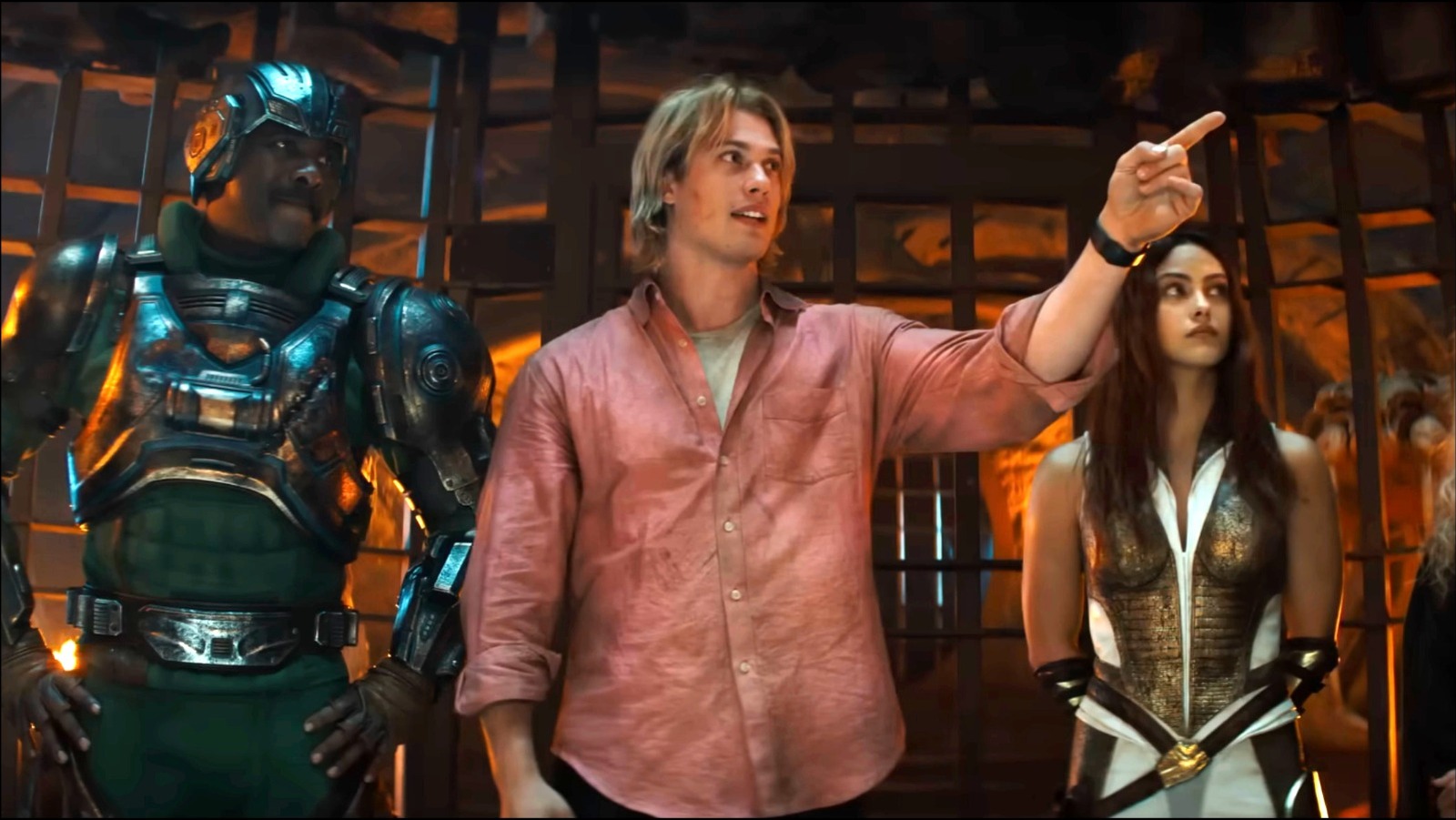
The film’s second act follows the adult Adam (now portrayed by Nicholas Galitzine) as he finally reconnects with his past. Having rediscovered the Sword of Power in a nondescript comic book shop after years of cosmic displacement, Adam finds himself pulled back to Eternia. Accompanied by his childhood friend, Teela (Camila Mendes), Adam enters a world that has been transformed by long-term conflict.
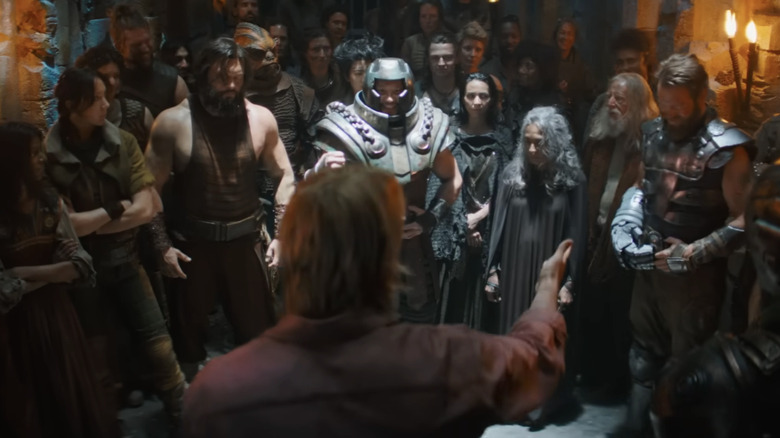
Upon his return, the narrative takes a turn toward the comedic. Adam discovers a secret resistance movement comprised of the very warriors he once knew. In a series of pivotal scenes, Adam’s "childhood naming" convention clashes with the reality of these hardened soldiers.
- The Ram-Man Encounter: Adam’s reunion with Ram-Man (Jon Xue Zhang) is a highlight of the film’s self-awareness. When Adam enthusiastically greets him by his descriptor-heavy name, the warrior is visibly baffled, only for Adam to explain that the name was derived from his habit of using his head as a battering ram.
- The Fisto and Mekaneck Reveal: The trend continues as Adam introduces Fisto (Jóhannes Haukur Jóhannesson) and Mekaneck (James Wilkinson) to the rest of the group using their "child-given" names. These moments are punctuated by the genuine, boisterous laughter of the soldiers, who are perplexed that their fearsome reputations have been reduced to literal, functional nicknames by their Prince.
- The Villainous Lexicon: Even the antagonists are not spared. The film illustrates that Adam’s naming convention extended to the battlefield. Trap-Jaw (Sam C. Wilson), a recurring henchman, receives his name from Adam’s observation of his metallic, trap-like mandibles during a skirmish witnessed by the young prince.
Supporting Data: The Evolution of Character Archetypes
The inclusion of these names serves a dual purpose: it acts as a meta-commentary on the franchise’s history while simultaneously humanizing Prince Adam. By framing the names as "Adam’s names," the writers provide a bridge between the 1980s cartoon’s simplicity and the grounded reality of a 2026 blockbuster.
Sociologically, this narrative choice mirrors the way children often categorize the world. To a child, a person is defined by what they do or what they look like. By retaining these names, the filmmakers aren’t just "keeping the IP intact"; they are characterizing Adam as someone who never truly grew out of his childhood wonder, even after being forced to mature into a warrior.
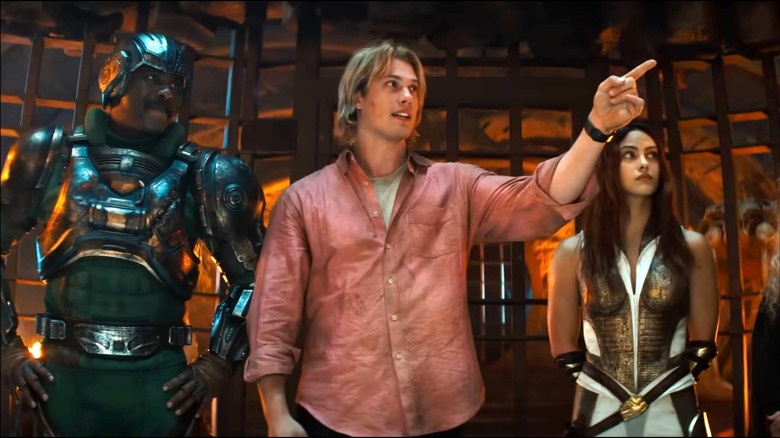
Furthermore, the film subtly touches on the "Princess of Power" lore. When Teela questions Adam about her own "secret" name—which he reveals to be "Warrior Goddess"—it highlights the depth of their childhood bond. This serves as a significant character beat, grounding the epic scale of the Masters of the Universe conflict in a deeply personal, relatable friendship.
Official Responses and Creative Intent
Director Travis Knight has been vocal about his desire to treat the source material with respect while acknowledging its inherent eccentricities. In recent press junkets, the creative team emphasized that they did not want to "fix" the source material by stripping it of its unique identity.
"We didn’t want to make a movie that apologized for being Masters of the Universe," noted one of the writers. "By making the names a part of Adam’s personal history, we weren’t just checking a box for fans—we were giving the audience a reason to smile with the characters rather than laughing at them."
Critics have largely responded favorably to this approach, noting that the self-awareness displayed by the cast helps bridge the gap between the film’s high-stakes action and its lighter, more whimsical moments. It is a balancing act that many modern franchises struggle to master, often leaning too far into either grim-dark seriousness or cynical parody.
Implications for Future Franchises
The success of this naming convention has significant implications for the future of the Masters of the Universe franchise. By establishing this lore-friendly explanation, the film has effectively opened the door for a wider universe of characters. If a sequel were to introduce characters like Man-E-Faces or Stinkor, the "Adam’s childhood imagination" excuse is already firmly established, providing a consistent, modular way to introduce increasingly bizarre characters without breaking the film’s internal logic.
Moreover, this approach demonstrates a maturing trend in how Hollywood handles legacy IP. Instead of rebooting a property by scrubbing away its quirks, modern filmmakers are finding success by embracing them and folding them into the canon. It acknowledges that the audience’s nostalgia is valid, while providing enough narrative weight to make the film a standalone success for newcomers.
Ultimately, Masters of the Universe serves as a case study in how to treat "silly" source material with intelligence. By focusing on the emotional resonance of a child’s memory, the film turns a roster of names that could have been a liability into a testament to the power of imagination. Whether you are a lifelong fan of the 1980s original or a newcomer to the planet Eternia, the 2026 film provides a refreshing, thoughtful, and thoroughly entertaining look at how we define our heroes.
The film is currently in theaters, and as early audience reactions suggest, the decision to lean into the absurdity has paid off in a big way, proving that sometimes the best way to handle a legacy is to own every single, ridiculous detail of it.

 Jia Lissa
 Iffa Jayyana