

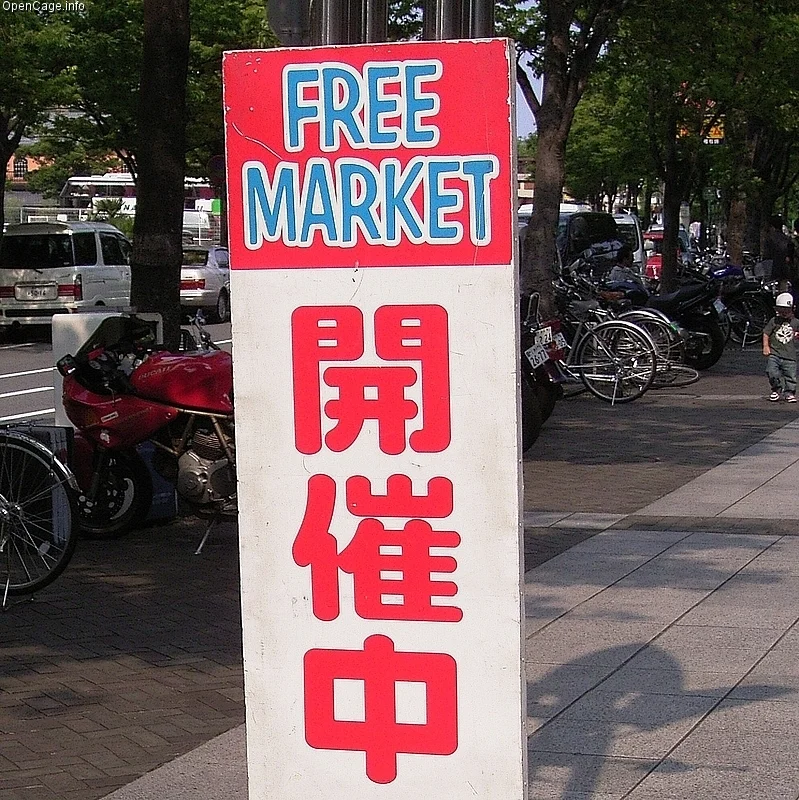
While the neon corridors of Tokyo’s Akihabara and the serene, moss-covered shrines of Kyoto dominate the standard Japanese tourism itinerary, a more grounded, tactile, and historically resonant experience awaits in the heart of Nagoya. Twice every month, the grounds of the Osu Kannon Temple undergo a metamorphosis. What is typically a tranquil, paved urban precinct becomes a sprawling, open-air bazaar, hosting one of Japan’s most significant—and often overlooked—antique markets.
The Osu Kannon Antique Market (大須観音骨董市, Ōsu Kannon Kottō-ichi) is a rare window into the material culture of Japan’s past, offering everything from Edo-period woodblock prints to the nostalgic remnants of the Showa era. For the discerning collector or the curious traveler, it provides a masterclass in the art of the hunt.
Main Facts: The Pulse of the Market
The Osu Kannon Antique Market is a recurring event held on the 18th and 28th of every month. Regardless of the season, provided the weather remains clear, the market sets up in the vast courtyard of the Osu Kannon Temple.
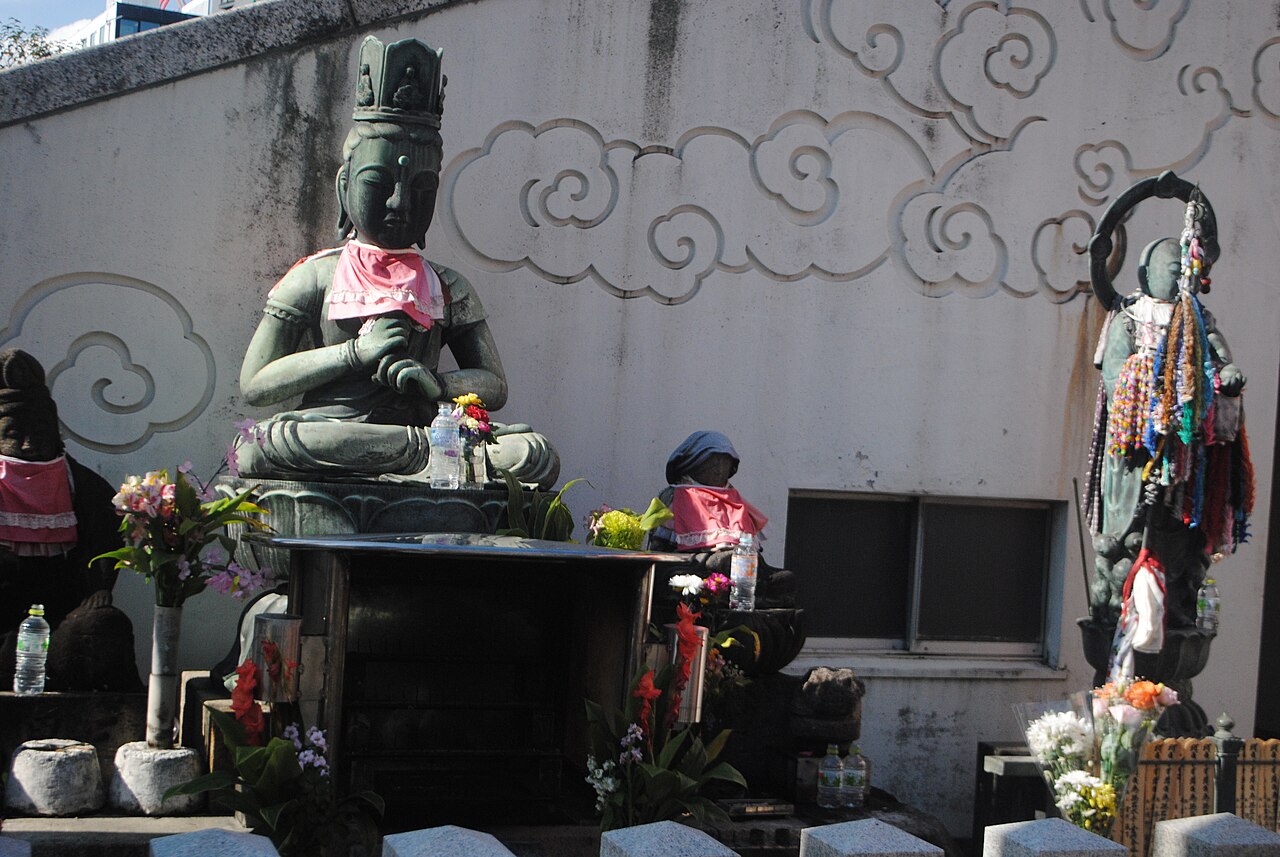
- Scale: A typical market day features approximately 80 stalls, though this number often swells to over 120 during weekends or favorable seasonal weather.
- Accessibility: Located in the Naka-ku district of Nagoya, the market is a short walk from the Osu Kannon Subway Station (Tsurumai Line).
- Pricing: The spectrum of commerce here is vast. Shoppers can find trinkets for as little as ¥500 or invest in high-end, museum-quality ceramics and samurai armor priced upwards of ¥500,000.
- The Vibe: Unlike the highly curated "tourist-trap" markets found in major capital hubs, this is a working venue for local dealers, scholars, and collectors. It is not uncommon for international visitors to find themselves the only non-Japanese individuals in the aisles.
Chronology: From Mino Province to Modern Nagoya
To understand the weight of the objects sold at the market, one must understand the site that hosts them. The Osu Kannon Temple is not merely a backdrop; it is a repository of history.
1333: The temple was originally founded in the Mino Province. It served as a spiritual anchor for the region during the turbulent Kamakura period.
1612: Under the direct orders of the Shogun Tokugawa Ieyasu, the temple was relocated to its current site in Nagoya. This was a strategic move by Ieyasu to centralize spiritual and commercial power in the newly established Nagoya castle-town.
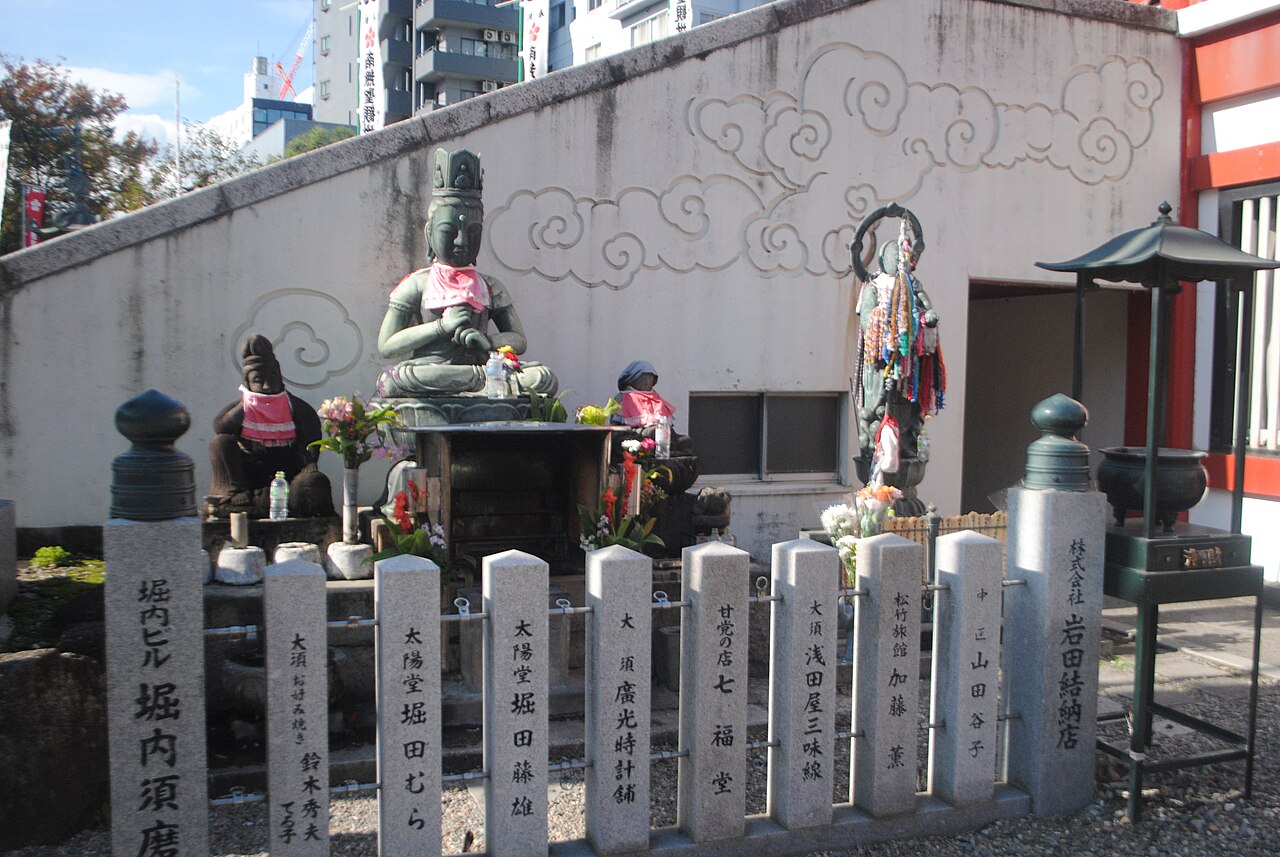
1945: The original structures, having stood for centuries, were tragically decimated during the air raids of World War II.
1970: The current main hall was reconstructed. While the architecture is modern in construction, the temple maintains a profound institutional continuity. It houses the Shinpukuji Bunko, a collection that includes one of Japan’s oldest surviving copies of the Kojiki (dated 1371), the foundational text of Japanese mythology and history.
The flea market, therefore, acts as a living extension of this history. When a vendor sells a Meiji-era kimono or a set of ceramics from the nearby Seto kilns, they are participating in a local tradition that has been nurtured by the temple’s presence for over 400 years.
Supporting Data: The Nagoya Flea Market Ecosystem
Nagoya’s antique culture is not limited to the Osu Kannon event. The city functions as a hub for a network of recurring markets, allowing travelers who time their visits correctly to experience an antique-hunting circuit.
| Market Name | Schedule | Specialization |
|---|---|---|
| Osu Kannon | 18th & 28th | General Antiques, Textiles, Vinyl |
| Wakamiya Hachimangu | 1st Saturday | Classical Japanese Antiques |
| Toyota Daihatsu | 8th | Retro Toys, Household Goods |
| Shinshoji Temple | 2nd Sunday | Seto/Tokoname Pottery |
| Heiwa Park | Every Sunday | General Second-hand/Handmade |
This density of markets makes Nagoya an underrated destination for "slow travel." Visitors can feasibly attend three or four distinct markets within a single week, offering a depth of access to local goods that is virtually impossible to replicate in the more crowded markets of Kyoto or Osaka.
Official Perspectives and Operational Reality
The Osu Kannon Temple administration views the market as a vital aspect of the temple’s community engagement. Because the temple is dedicated to Kannon, the Bodhisattva of Compassion, the market is viewed as a form of "circulating the old to support the new."
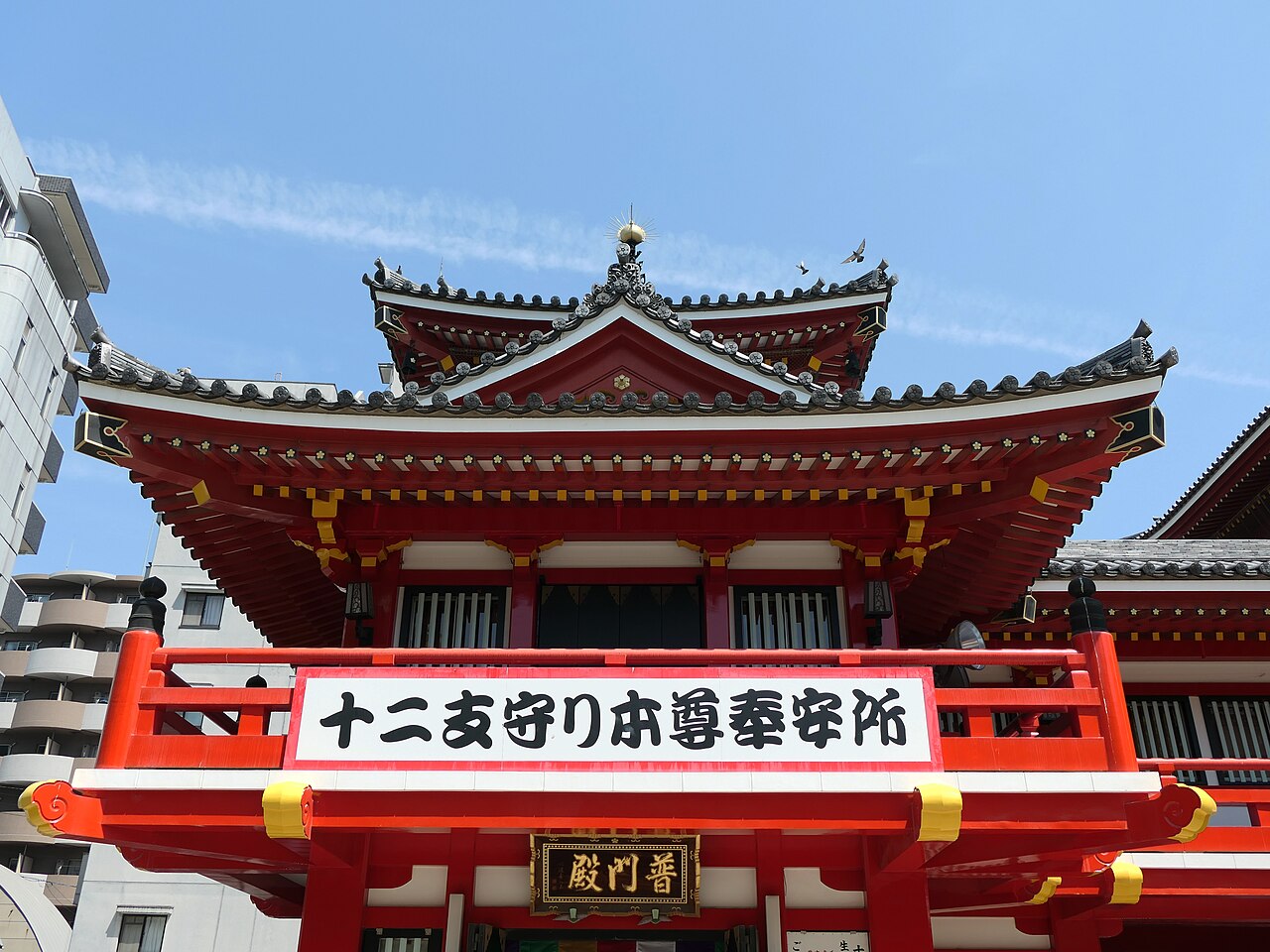
However, for the foreign visitor, the "operational reality" requires preparation. Official advice from local tourism boards and experienced dealers emphasizes the following:
1. The Etiquette of Haggling
While haggling is permitted, it is not a combative sport. A respectful 10–15% reduction is standard. Asking for 50% off is viewed as a sign of ignorance regarding the value of the craftsmanship. Use the phrase “Kore wa ikura desu ka?” (How much is this?) and negotiate politely for one or two rounds.
2. The Cash Economy
The market is almost entirely cash-based. While high-end dealers in the adjacent Osu shopping arcade may accept credit cards for large purchases, the stalls in the courtyard are cash-only. Visitors should carry ¥5,000 and ¥10,000 notes, but be prepared with smaller coins for bargain items.
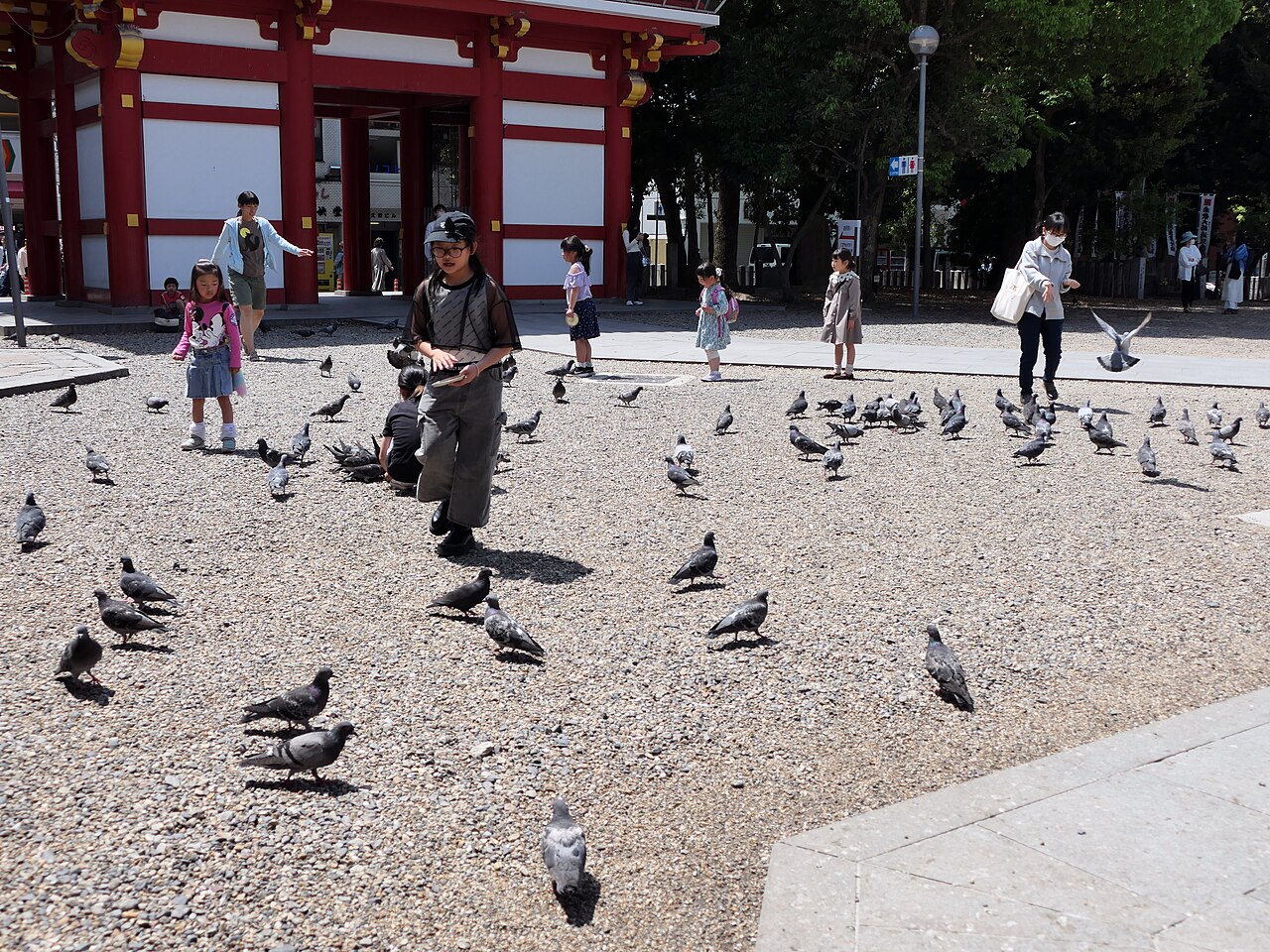
3. Authentication and "Caveat Emptor"
The market is not an authenticated auction house. There are no guarantees on the age of a piece. For items like ukiyo-e prints or antique ceramics, look for hakogaki (inscriptions on the storage box) or dealer certificates. If you are buying for investment, do your research beforehand; if you are buying for love, trust your eye.
Implications: The Intersection of Tradition and Subculture
The existence of the Osu Kannon Antique Market carries significant implications for the preservation of Japanese cultural heritage. In an era where "fast fashion" and mass-produced goods dominate the retail landscape, these markets serve as a vital lifeline for traditional craft.
The Role of the Osu Shopping District
The market does not exist in a vacuum. It is inextricably linked to the Osu Shopping District, a massive network of covered arcades. This area has evolved into a hub for "alternative" Japan—where youth subcultures, retro-gaming stores, and second-hand clothing shops sit side-by-side with traditional tea houses.
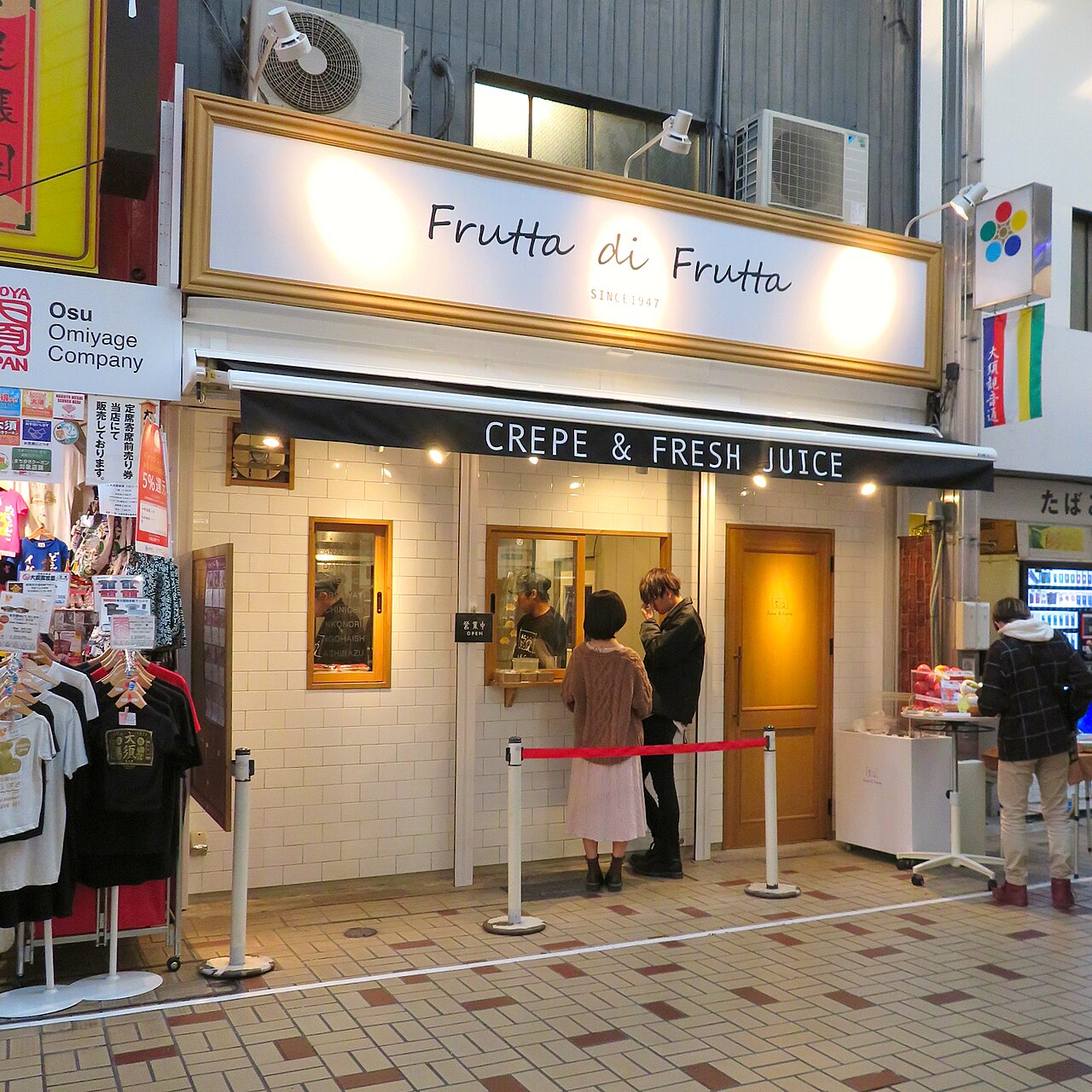
The implication here is one of synthesis. A visitor might purchase a 200-year-old tea bowl from the market in the morning, and spend their afternoon searching for a 1980s city-pop vinyl record in a nearby electronics shop. This juxtaposition is the defining character of modern Nagoya.
Export and Cultural Preservation
While most items purchased—such as kimono, books, or coins—require no special paperwork, the market also serves as a point of contact for high-value items. Professional dealers here are well-versed in the laws regarding "Cultural Property" (items predating 1925). If a visitor intends to purchase a sword or a registered national treasure, they must consult with licensed dealers who can facilitate export permits. This ensures that the market functions as a legal and responsible entry point for international collectors into the Japanese antique world.
Conclusion: Is It Worth the Trip?
For the dedicated collector, the Osu Kannon Antique Market is not just "worth a visit"—it is a destination. The pricing, which remains largely insulated from the hyper-inflated tourist markets of Tokyo, offers a rare opportunity to acquire authentic Edo and Meiji-period artifacts at a fraction of the cost found in capital cities.
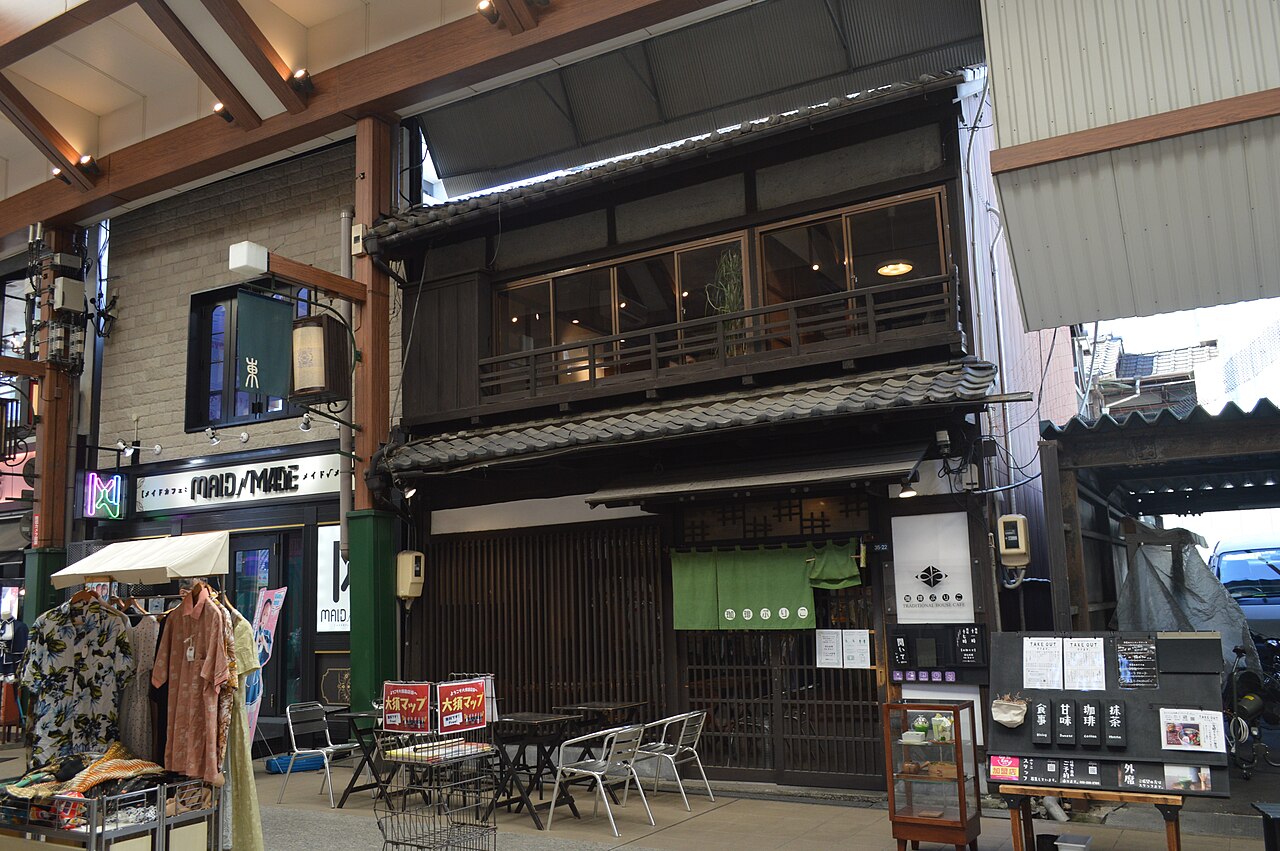
For the cultural traveler, it offers a day of genuine immersion. There is no stage-managed performance here; there is only the quiet shuffle of collectors, the scent of old paper and incense, and the thrill of finding a hidden gem nestled beneath a canopy in the heart of an ancient temple precinct. Whether you are hunting for a piece of history or simply seeking to witness the authentic rhythm of Nagoya life, the 18th and 28th of the month offer a doorway to a version of Japan that remains timeless, tangible, and profoundly rewarding.











