Laily UPN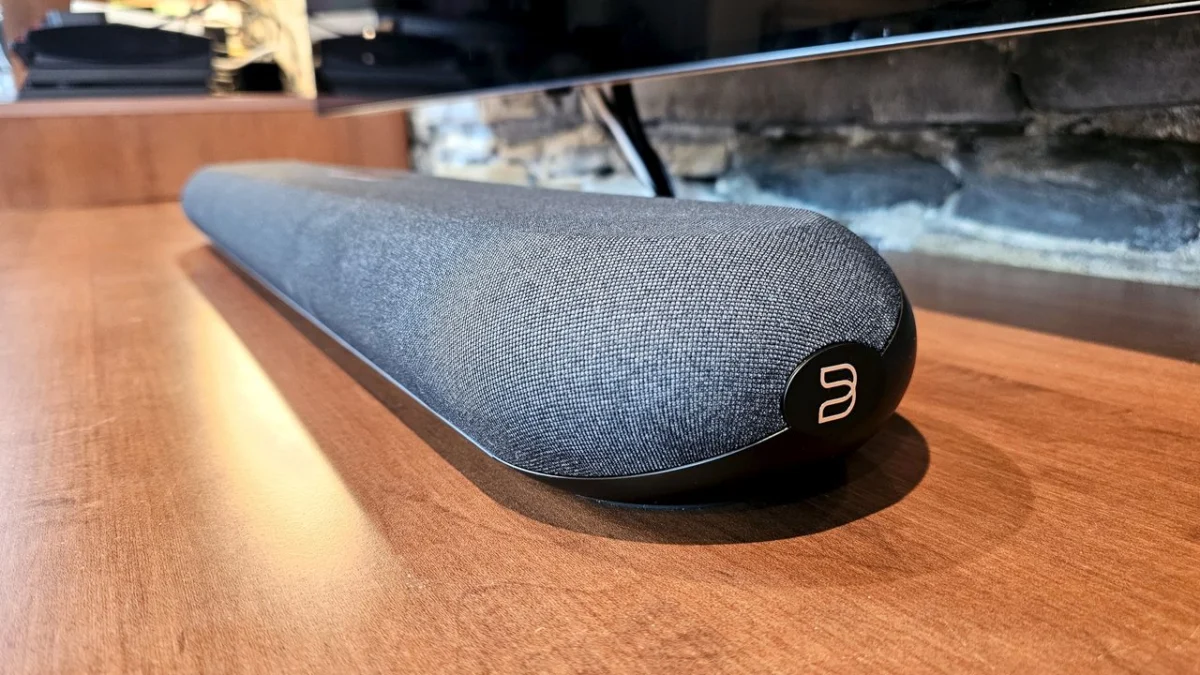
In the crowded market of compact soundbars, where the goal is usually to provide "good enough" audio for space-constrained apartments, Bluesound has taken a decidedly different, more ambitious route. The Bluesound Pulse Cinema Mini arrives as an outlier: a premium-priced, feature-rich, and physically dense soundbar that attempts to bridge the gap between casual TV viewing and serious audiophile-grade music listening. While it avoids the clinical, hollow sound of its predecessor, the Pulse Soundbar, it enters a volatile market where it faces stiff competition from established titans like Sonos and Bose.
Main Facts: The Anatomy of the Pulse Cinema Mini
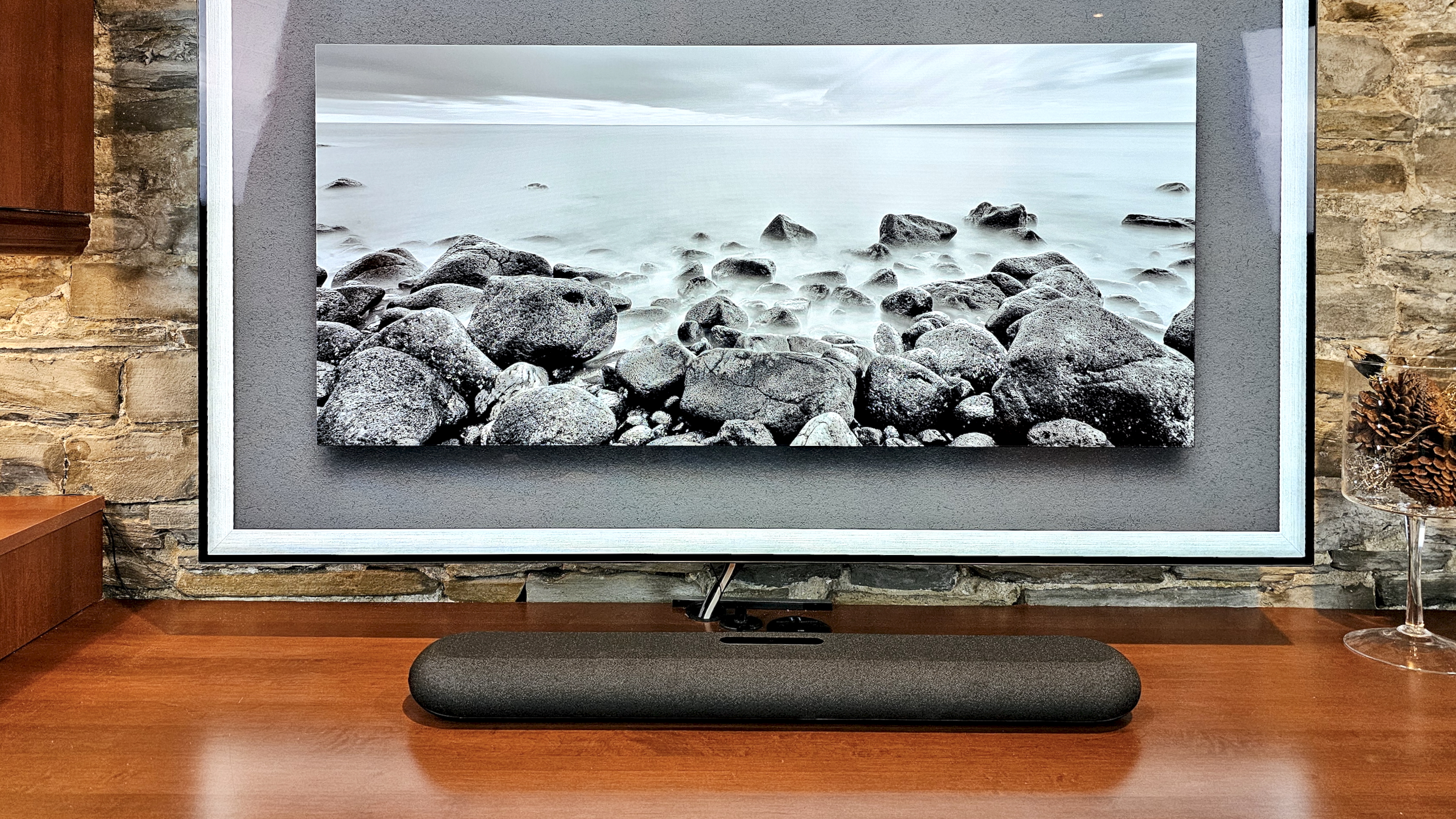
The Bluesound Pulse Cinema Mini is positioned as an "all-in-one" solution for the discerning listener who refuses to sacrifice audio fidelity for a small footprint. Retailing at $999 / £799, it is positioned well above the entry-level soundbar category.
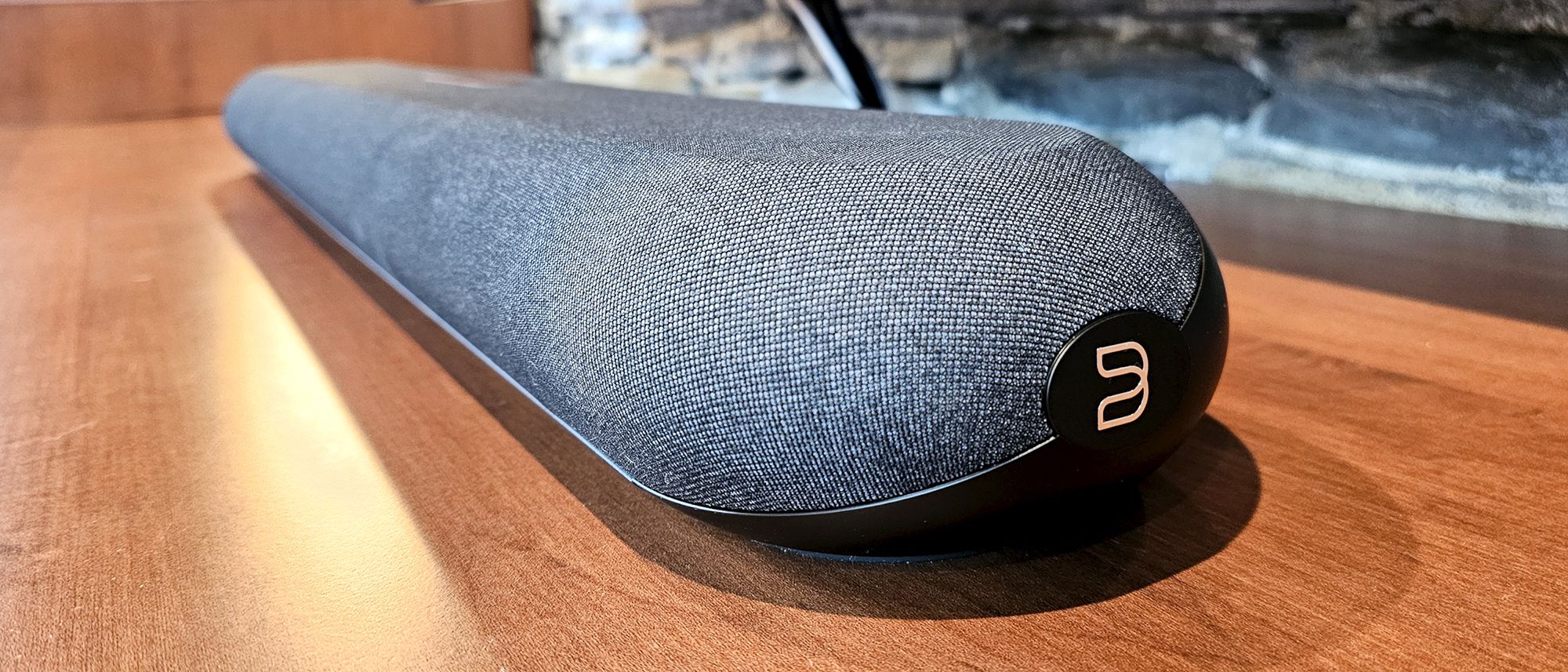
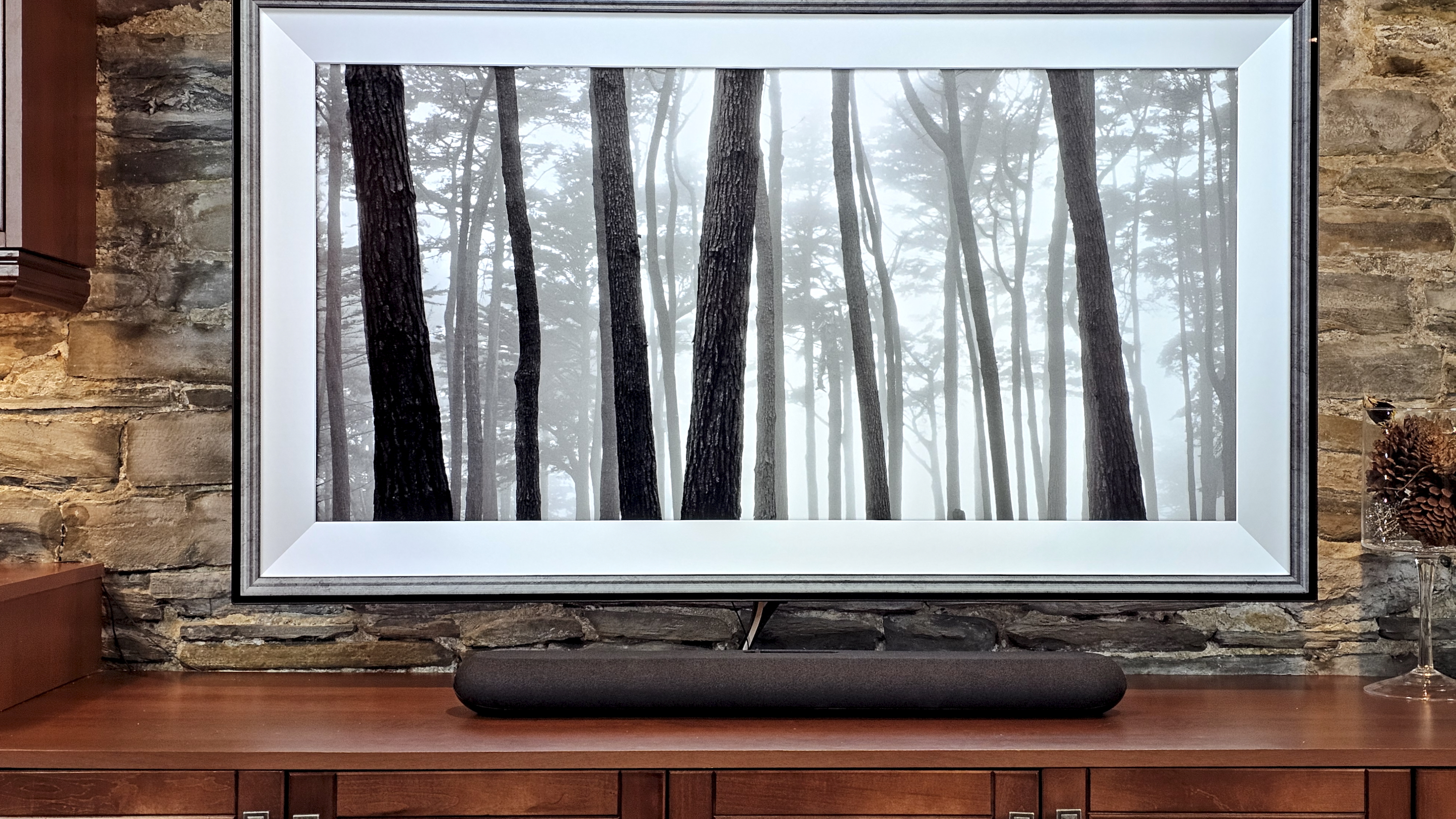
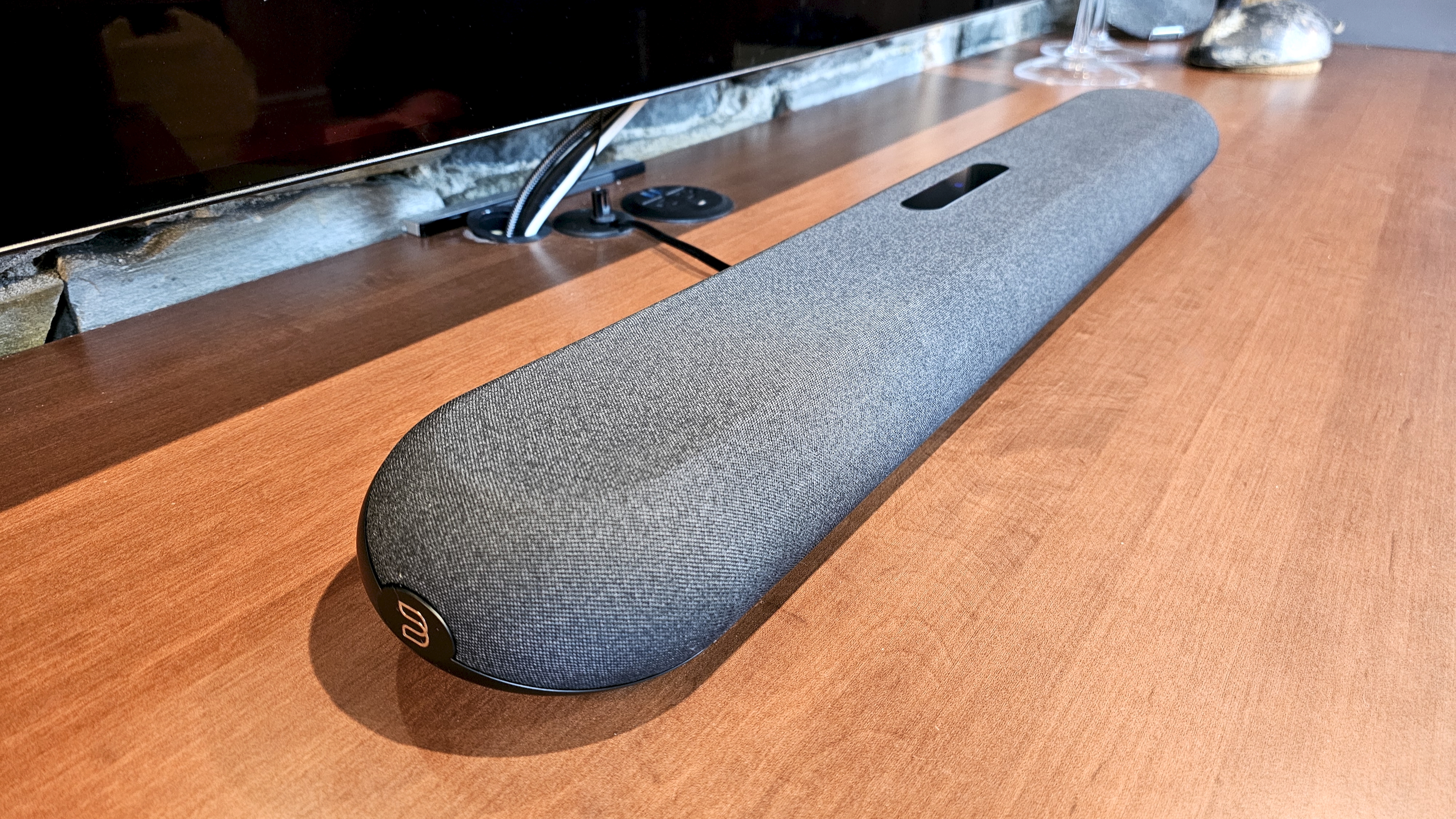
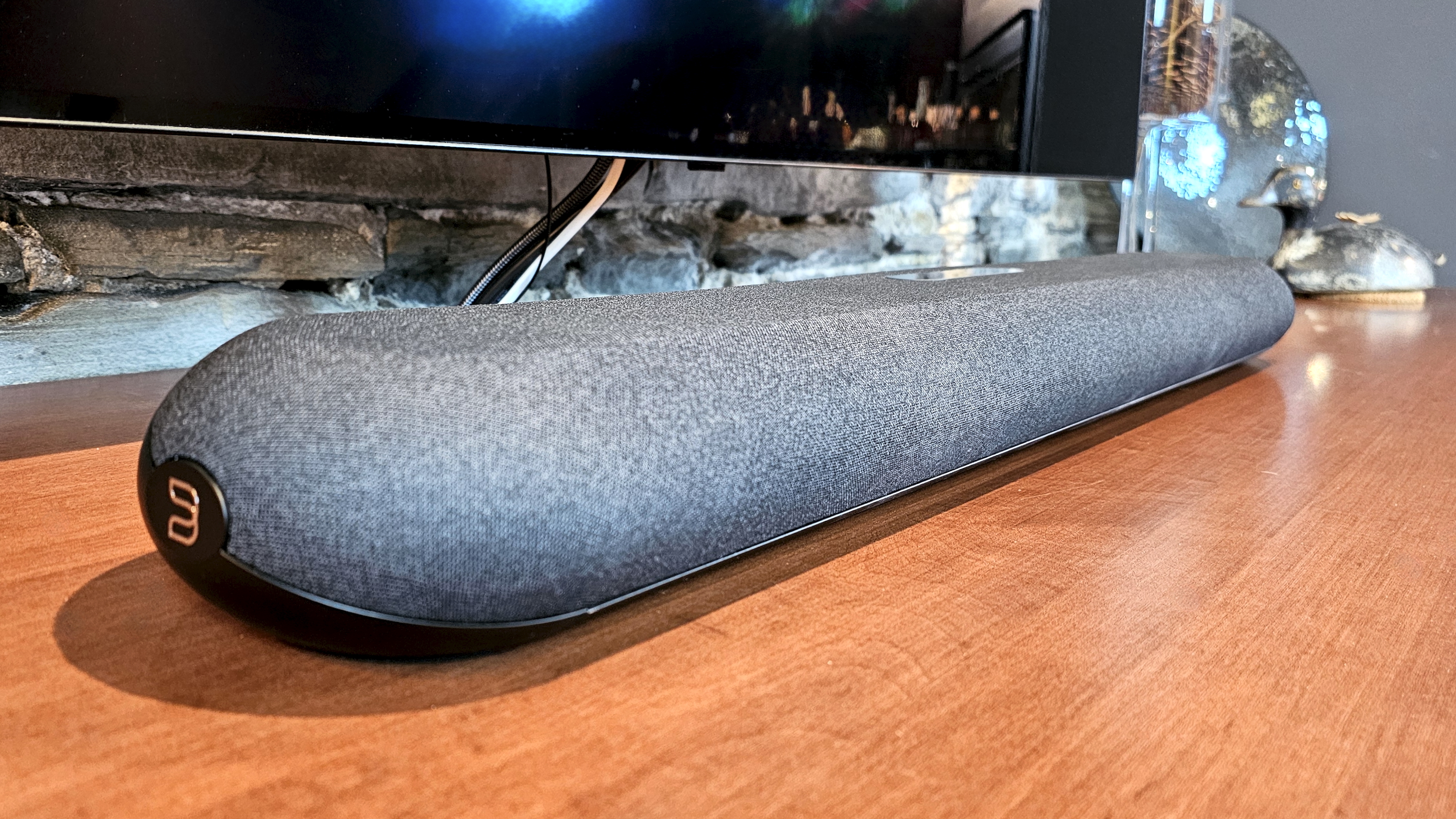
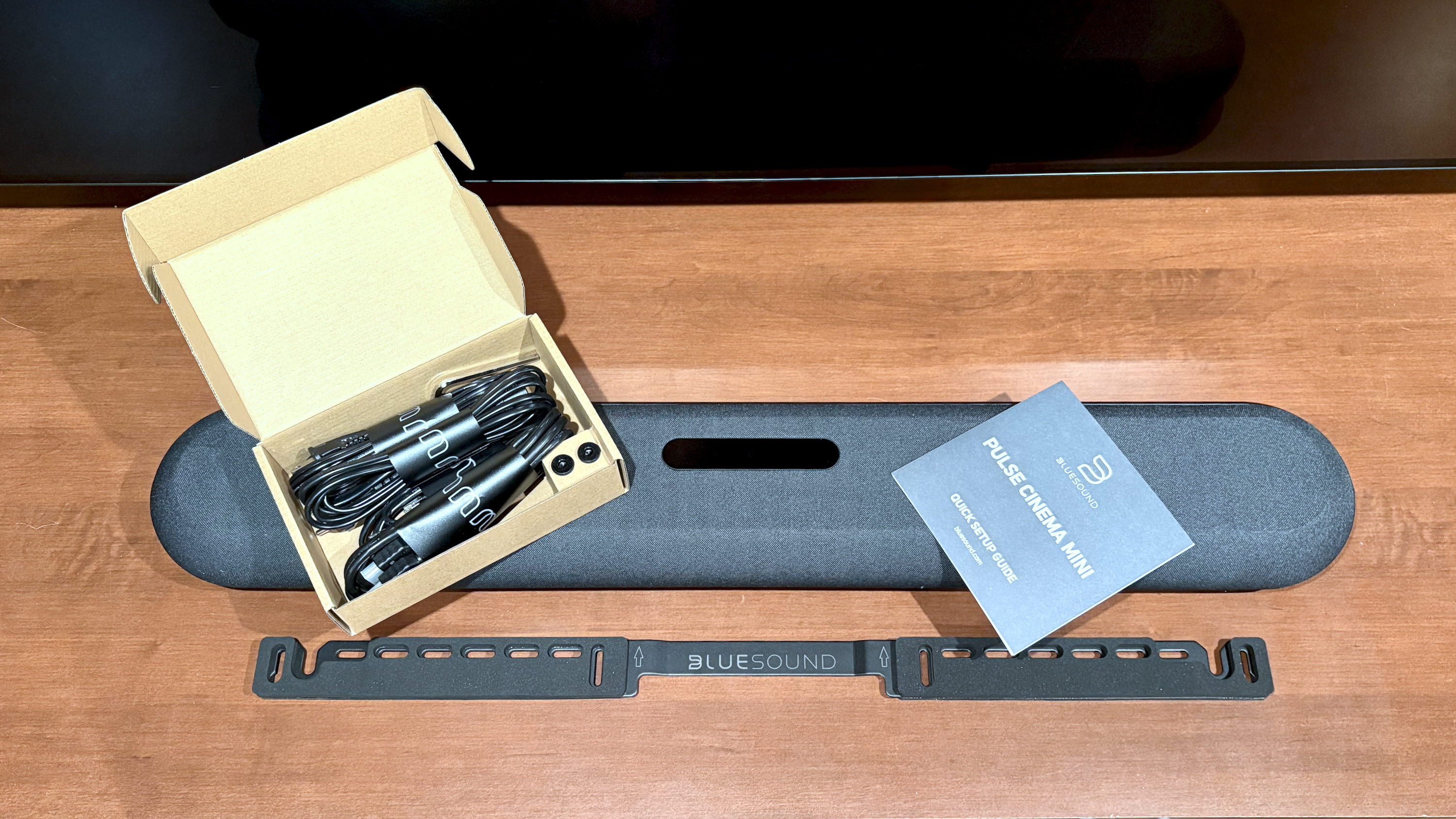
Physically, the unit defies the "mini" moniker. At 33.34 inches wide, it occupies a significant amount of real estate under a television, though its 2.91-inch height ensures it remains unobtrusive. Under its elegant, fabric-wrapped chassis, the internal engineering tells a story of intent: the soundbar utilizes an unconventional driver array. Instead of a traditional central tweeter or midrange driver for dialogue, the Pulse Cinema Mini places its midrange drivers and tweeters at the extreme ends, angled outward to maximize soundstage width. The central portion of the cabinet is reserved for two dedicated woofers and matching passive radiators, which are the primary drivers of the unit’s surprisingly deep low-end response.
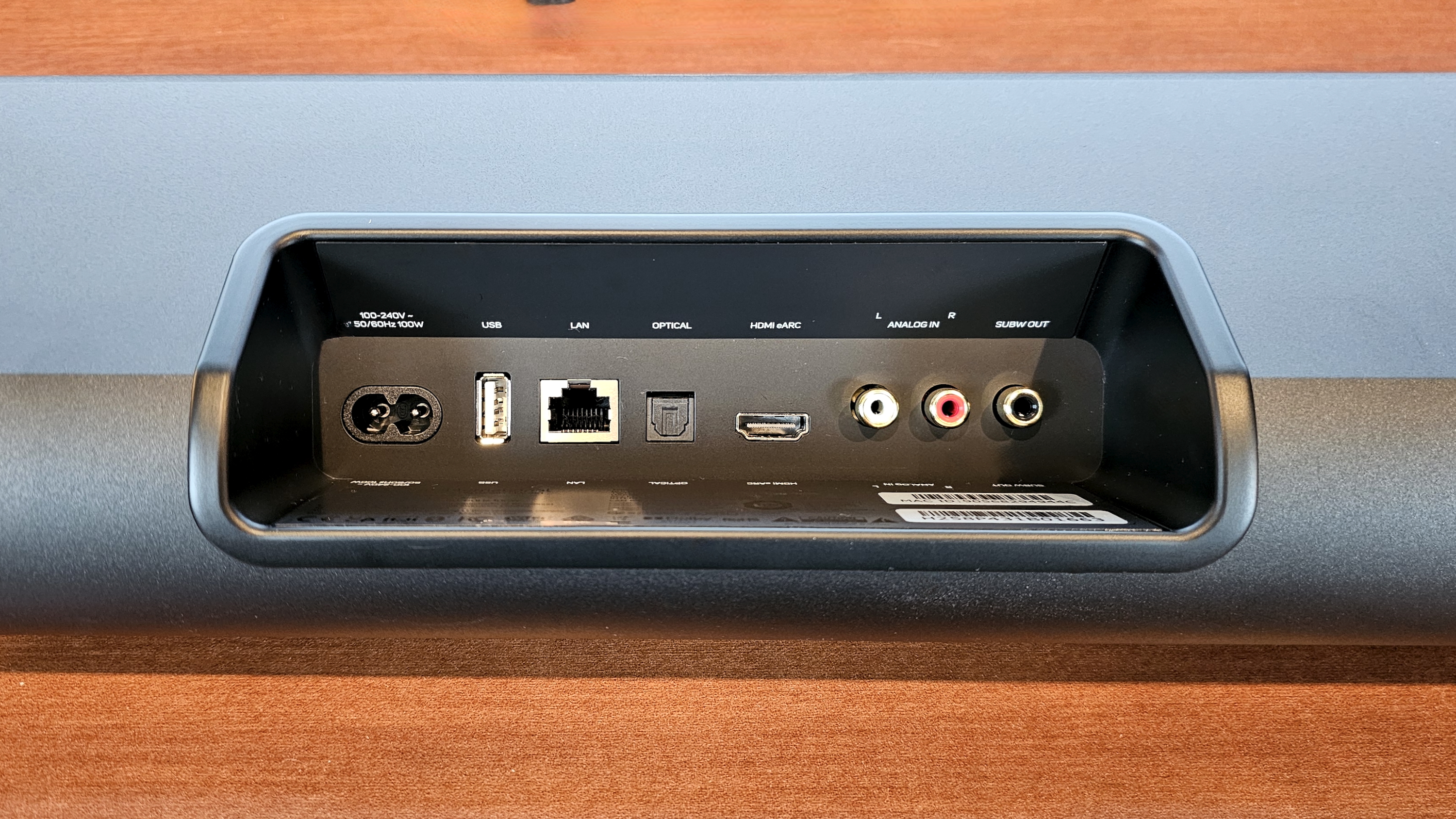
The connectivity suite is where the Pulse Cinema Mini justifies its price tag to a specific niche. Unlike the streamlined, often limited ports on a Sonos Beam or a Bose Smart Soundbar, the Bluesound unit features an analog input, optical digital input, a dedicated wired subwoofer output, and a USB-A port for external storage. Furthermore, it supports two-way Bluetooth with aptX Adaptive, allowing users to stream music to the soundbar or transmit audio from the soundbar to a pair of wireless headphones.
Chronology and Development: A Shift in Philosophy
The development of the Pulse Cinema Mini represents a clear pivot for Bluesound. The company’s original foray into the soundbar market was met with criticism for its "cold and clinical" sound profile and an industrial design that many found awkward. By contrast, the Cinema Mini feels like a refined, second-generation attempt to solve the "compact soundbar" dilemma.
During the testing phase, it became evident that Bluesound prioritized music performance over simple "virtual surround" gimmicks. While the unit carries a Dolby Atmos certification, its two-channel architecture means that height effects are largely simulated. However, the software-driven "Surround Upmixer" and "Virtualizer" within the BluOS app demonstrate a significant leap forward in Digital Signal Processing (DSP). The company has essentially traded the promise of a full-blown 5.1.2 home theater experience for a high-fidelity stereo experience that can be expanded over time.
Supporting Data: Performance Metrics and Comparison
When evaluating the Pulse Cinema Mini against its primary rivals—the Sonos Beam Gen 2 ($499), the Bose Smart Soundbar ($499), and the Sonos Arc Ultra ($999)—a clear performance hierarchy emerges.
The Bass Advantage
The most striking metric is the low-end performance. In testing, the Pulse Cinema Mini consistently outperformed compact competitors. By utilizing its larger cabinet volume to house dedicated woofers, it avoids the "tinny" quality common in sub-30-inch bars. It is a full-range system that remains composed at high volumes.
The Atmos Reality Check
Where the unit struggles, by its own technical constraints, is in the verticality of Dolby Atmos. In scenes like the high-speed chase in No Time To Die, the soundbar projects a remarkably wide soundstage, yet it fails to convince the ear that sound is coming from overhead. Compared to the Sonos Arc Ultra, which utilizes a massive array of drivers to manipulate sound in a 9.1.4 configuration, the Pulse Cinema Mini’s virtualized height effects are subtle at best.
Connectivity vs. Convenience
The data highlights a trade-off:
- Bluesound Pulse Cinema Mini: Offers superior connectivity (analog/sub-out/aptX) but lacks the "plug-and-play" simplicity of room correction found in the Sonos ecosystem.
- Sonos/Bose: Offer better integration with smart home assistants (Google/Amazon) and more streamlined setup processes, but lack the physical inputs that many audiophiles demand for turntables or legacy hardware.
Official Perspectives and Ecosystem Strategy
Bluesound is a company that caters to the "BluOS" loyalist. The BluOS app serves as the heart of the system, handling everything from multi-room synchronization to high-resolution audio streaming (FLAC, MQA, ALAC).
The company’s philosophy is built on the concept of "gradual expansion." The Pulse Cinema Mini is designed to be the anchor of a home theater system that can grow. A user might start with just the soundbar, then later add the Pulse Sub+ and a pair of Pulse M speakers for rear channels. While this creates a high-fidelity system, the total cost of ownership is significantly higher than a comparable ecosystem from Sonos.
Bluesound has not yet integrated native support for Google Assistant or advanced room correction algorithms, a choice that continues to divide users. For the purist, the lack of auto-correction prevents "DSP-bloat," allowing the raw drivers to shine. For the consumer, it is a missed opportunity for a seamless out-of-the-box experience.
Implications for the Consumer
The Bluesound Pulse Cinema Mini is not a product for the mass market; it is a product for the "informed enthusiast."
Who is it for?
If you are a music lover first and a movie watcher second, the Pulse Cinema Mini is arguably the best-sounding compact soundbar on the market. Its ability to render stereo imaging with such precision, coupled with its support for hi-res formats, makes it a legitimate contender for a living room music system. It is also an excellent choice for users who have a collection of physical media or legacy equipment (turntables, high-end CD players) they wish to integrate into their TV setup.
Who is it NOT for?
If your primary goal is to recreate a cinema-like experience in a small bedroom or apartment, there are better "bang-for-the-buck" options. If you prioritize Dolby Atmos immersion and want a soundbar that "just works" with your smart home ecosystem, the Sonos Beam Gen 2 or the Bose Smart Soundbar are more practical, cost-effective solutions.
The Value Proposition
At $999, the Bluesound Pulse Cinema Mini faces an identity crisis. It is priced in the same tier as the Sonos Arc Ultra—a full-sized, powerhouse soundbar. The consumer must ask themselves: "Do I value the physical inputs and the audiophile-tuned, wide-stage stereo performance of the Bluesound, or do I value the sheer cinematic power and software simplicity of a flagship bar?"
Final Thoughts: A Specialized Tool in a Generalist Market
The Bluesound Pulse Cinema Mini is an impressive, if polarizing, piece of hardware. It is beautifully designed, sonically superior in terms of balance and bass, and refreshingly versatile in its connectivity. However, it exists in a precarious position. By pricing itself at the level of industry flagships while maintaining a "mini" form factor and two-channel limitation, it asks the consumer to prioritize sound quality and ecosystem flexibility over raw surround-sound performance.
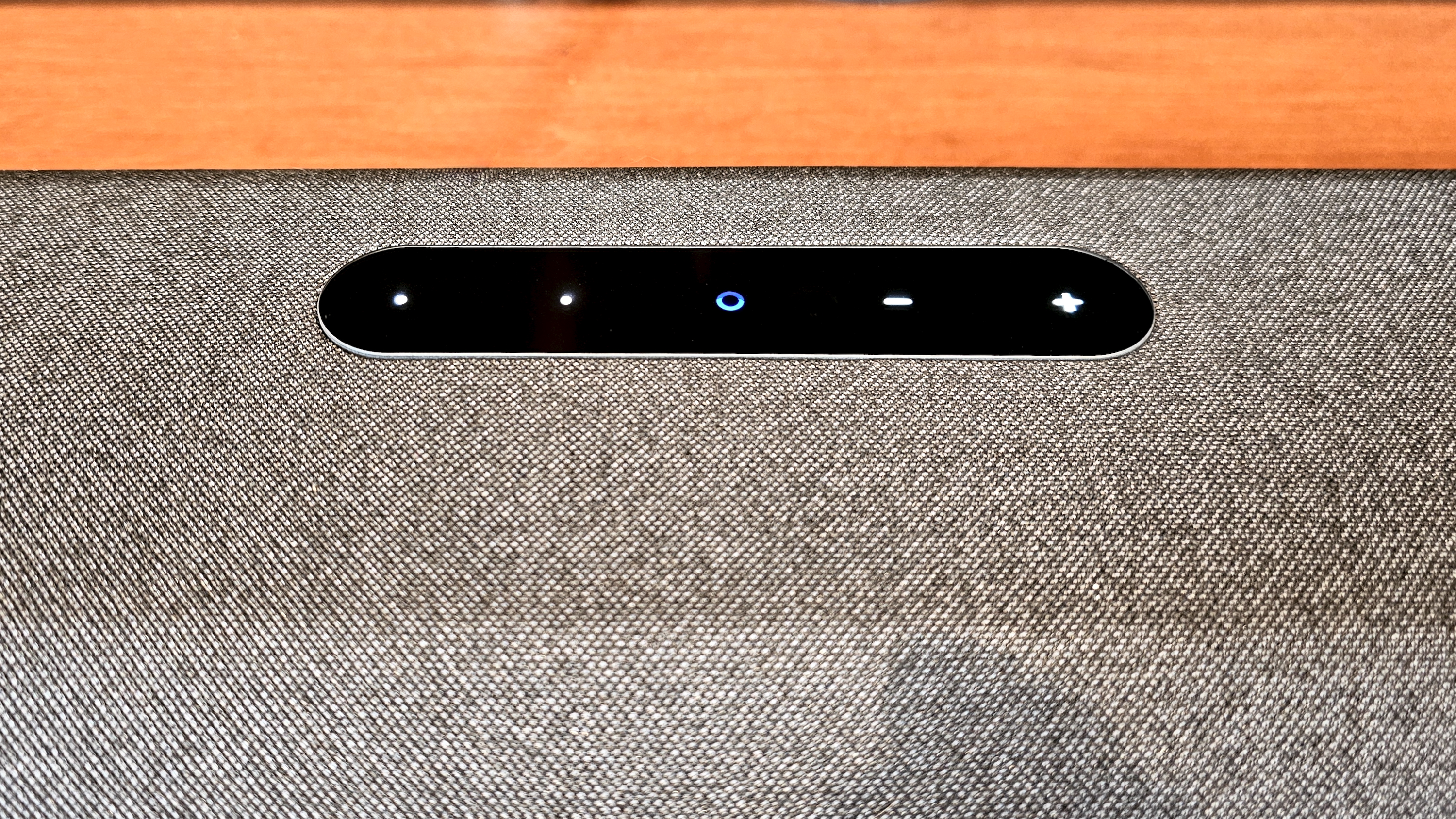
For the right user—the one who spends as much time listening to high-fidelity tracks as they do watching the latest blockbuster—the Pulse Cinema Mini is not just a soundbar; it is a long-term investment in a modular, high-quality audio system. For everyone else, it serves as a reminder that in the world of high-end audio, "mini" does not necessarily mean "affordable," and "great" is often a matter of what you are willing to trade away.

 Layla Zulfa
 Nana Muazin