

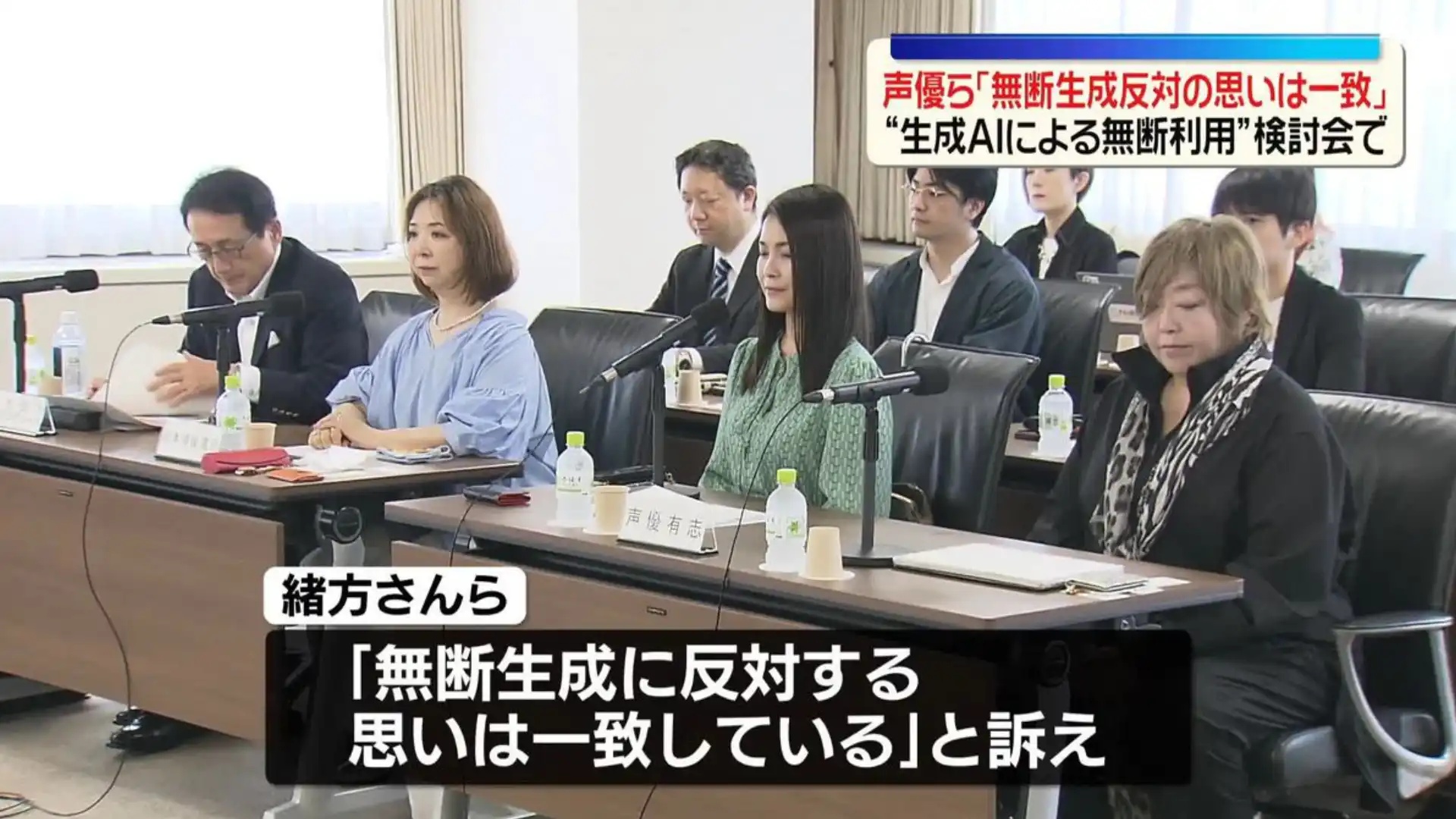
The landscape of the entertainment industry is undergoing a seismic shift as the rapid evolution of generative artificial intelligence collides with the deeply personal nature of human performance. This week, the Japanese Ministry of Justice (MOJ) took a significant step toward addressing these tensions, convening a specialized committee to deliberate on the legal frameworks surrounding the unauthorized use of human voices in AI-generated content.
As AI models become increasingly adept at cloning the unique vocal signatures of world-renowned voice actors—or seiyuu—the line between creative homage and intellectual property theft has blurred. The committee’s formation signals an urgent recognition by the Japanese government that current legal protections may be insufficient to guard against the predatory use of likeness and sound.
The Core Conflict: Human Expression vs. Synthetic Replication
At the heart of the debate is a fundamental question of rights: Does a person’s voice constitute a piece of personal property that can be commodified without their consent? For the Japanese voice acting community, the answer is a resounding "yes."
During this week’s hearings, the committee heard testimony from some of the most recognizable voices in global animation. Megumi Ogata (Neon Genesis Evangelion), Yuki Kaji (Attack on Titan), and Jun Fukuyama (Code Geass) presented a unified front, delivering a stark message to lawmakers: "We are united in our opposition to unauthorized generation."
The actors’ grievances center on the proliferation of AI-generated audio clips, often disseminated on social media platforms, that mimic their specific vocal timbres to read scripts they never recorded. In many instances, these synthetic audio files are not merely for private amusement; they are being monetized through ad-revenue-sharing programs or used to promote unauthorized products, effectively stealing the actors’ brand and professional identity.
A Chronology of Escalating Tensions
The formation of the MOJ committee did not occur in a vacuum. It is the culmination of years of mounting frustration and the recent, highly publicized legal battles that have brought the issue into the national spotlight.
The Pre-AI Era
For decades, the Japanese voice acting industry functioned on strict professional standards. Agencies managed the rights to their talents’ work, and a performance was inextricably linked to the person behind the microphone. This relationship relied on a "human-to-human" contract of employment.
The Rise of the "Cloning" Phenomenon (2023–2025)
As Large Language Models (LLMs) and voice-cloning software became accessible to the general public, the first wave of unauthorized content appeared. Initially dismissed as niche internet memes, these clips evolved into sophisticated recreations. By mid-2025, voice actors began noticing that their voices were being used to generate content that ranged from fan fiction to defamatory statements, all while the actors themselves had no oversight or control.
The Tsuda Precedent (May 2026)
The tension reached a breaking point earlier this month when Kenjiro Tsuda, a titan of the industry, filed a lawsuit against TikTok. The suit alleges that a user employed AI technology to synthesize Tsuda’s voice for a video, effectively misappropriating his likeness for content that was never authorized. This high-profile legal challenge served as a catalyst for the Ministry of Justice, proving that the status quo was no longer sustainable.
The Voices of Change: Expert Testimony and Advocacy
The committee’s session served as a platform for these professionals to articulate the specific harms caused by AI. Yuki Kaji, one of the most vocal advocates for reform, took to X (formerly Twitter) to clarify the industry’s stance. "There is no future in AI use without regulation," Kaji wrote. "Let’s aim for the day when we can truly coexist with AI."
Kaji’s sentiment reflects a nuance often lost in the "pro-AI vs. anti-AI" dichotomy. The actors are not necessarily demanding a total ban on AI technology; rather, they are demanding a framework of consent and compensation.

The Need for Systemic Legal Remedies
During the hearings, the voice actors highlighted several critical barriers to justice:
- Individual Burden of Proof: Currently, it falls on the individual actor to identify the source of a cloned voice and pursue legal action, which is both financially and emotionally draining.
- Agency Empowerment: The actors are calling for a system that allows their management agencies to act on their behalf to issue take-down notices and file litigation, effectively centralizing the enforcement of rights.
- Standardization of Criteria: There is currently no clear legal definition of when a synthetic voice crosses the line into "infringement." The committee is now tasked with defining these thresholds—specifically, whether a voice constitutes a "publicity right" similar to an image or likeness.
Implications for the Global Entertainment Industry
The discussions in Japan are being watched closely by international entities. Because Japan is a global hub for anime and video game production, the legal precedents established by the Ministry of Justice will likely ripple across the globe.
Impact on Media Production
If Japan implements strict regulations regarding the training of AI models on voice data, it could fundamentally alter how synthetic media is produced. Studios may be required to secure explicit licenses for the use of any AI-generated character voice, even if that voice is not based on a specific real-world actor. This would create a "licensed" ecosystem for synthetic voices, potentially creating new revenue streams for actors who choose to sell the rights to their vocal data.
Social Media and Platform Liability
The legal focus on platforms like TikTok and X is critical. If the Ministry of Justice determines that platforms can be held liable for hosting and monetizing content that violates an individual’s vocal rights, it could force these tech giants to implement robust, real-time audio fingerprinting technology to detect and block unauthorized clones before they gain traction.
The Future of "Coexistence"
The goal mentioned by Kaji—a "true coexistence" with AI—implies a future where AI acts as a tool for the performer rather than a replacement. In this scenario, an actor could license their voice to an AI engine, allowing them to take on more roles than their physical schedule would permit, all while maintaining control over how that voice is used and ensuring they are compensated for every project.
Looking Ahead: The Path to Reform
The deliberation committee is scheduled to reconvene next month, marking a critical phase in the legislative process. While the current sessions have been focused on identifying the scope of the problem, the next steps will involve drafting concrete proposals for government consideration.
Experts believe the committee will look toward creating a "right of publicity" specifically tailored for the digital age. This would involve amending existing copyright laws or creating new statutes that recognize an individual’s vocal identity as an extension of their personality.
The Role of Technology
Ironically, the solution to the AI problem may lie in further technological advancement. Discussions are underway regarding "watermarking" audio files and developing blockchain-based verification systems that prove a recording was made by a human, rather than an AI. These technological safeguards, paired with strong legal protections, could provide the shield the industry so desperately needs.
Conclusion
The Ministry of Justice’s intervention marks the end of the "Wild West" era for AI voice usage in Japan. By inviting the voices of those most affected to the table, the government is signaling that the sanctity of human expression is a priority in the technological age.
As the committee moves toward its next session, the eyes of the world remain fixed on Tokyo. The outcome of these deliberations will not only shape the future of the Japanese animation and gaming industries but will also provide a blueprint for how nations worldwide can protect the dignity and rights of performers in an era where their voices can be replicated with the click of a button.
For now, the message from the voice acting community is clear: technology should serve the artist, not silence them. The road to regulation will be long and complex, but the path toward a balanced, ethical future for AI in entertainment has finally been cleared.












No comments yet. Be the first to join the conversation!