Nana Muazin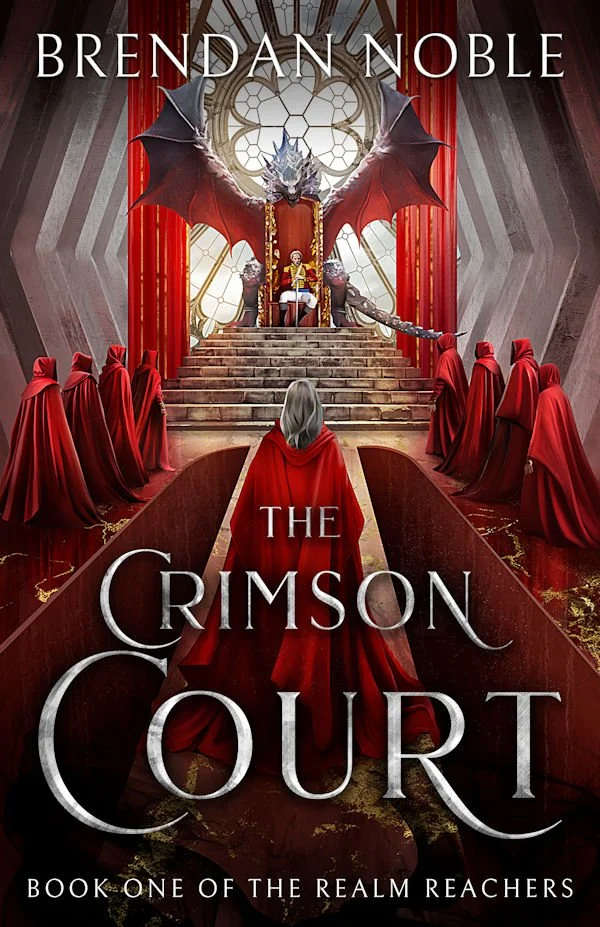
The annual Self-Published Fantasy Blog-Off (SPFBO), founded by acclaimed author Mark Lawrence, remains the definitive barometer for the indie fantasy scene. As the competition reaches its eleventh iteration, the stakes have never been higher for the 300 entrants vying for the crown. The judging panel at Fantasy-Faction has reached a pivotal juncture: the fifth installment of their "cut posts." With the final semi-finalists just weeks away from being announced, the team is methodically trimming their selection, shifting their focus toward the four titles that will ultimately represent their blog in the next phase of the contest.
The State of the Competition: A Methodology of Discovery
The SPFBO process is famously rigorous. Rather than relying on a rigid, ranked elimination structure, the Fantasy-Faction team approaches the reading process with a focus on qualitative discovery. Judges cycle through the assigned titles, treating each book as an independent entity until a clear cohort of semi-finalists emerges.
This phase of the competition is bittersweet. While the goal is to identify the most polished and compelling narratives, the team acknowledges the profound courage required for an independent author to submit their work to the scrutiny of public, professional critique. As the team moves closer to their four semi-finalists, they emphasize that subjectivity remains the cornerstone of their process. "What didn’t click for us might be exactly your kind of story," the editors noted, encouraging readers to explore the entries regardless of their standing in the competition.
Chronology of the Recent Cuts
In this latest round of evaluation, three distinct titles have been removed from the Fantasy-Faction pool. Each book presented a unique vision, yet each faced insurmountable hurdles regarding narrative focus, character development, or pacing.

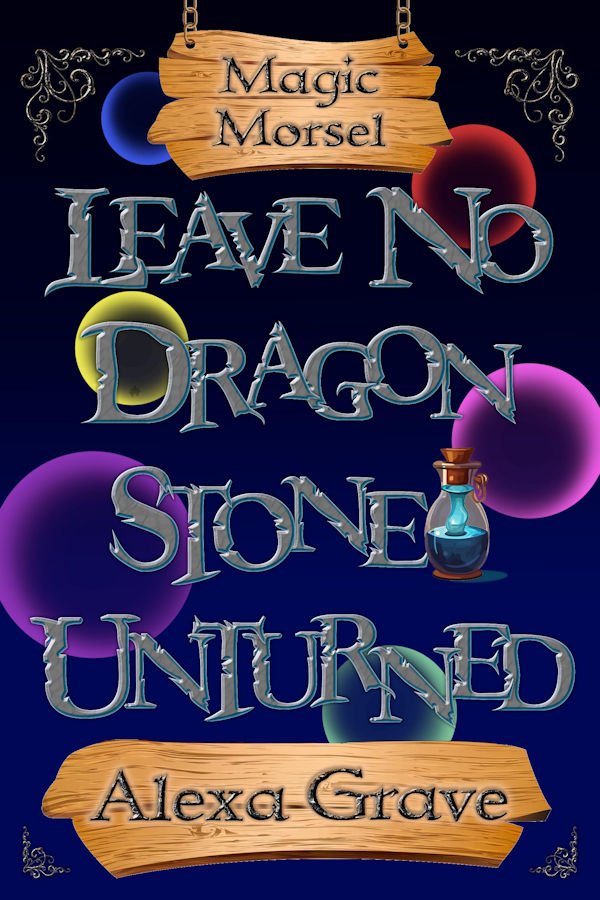
Leave No Dragon Stone Unturned by Alexa Grave
This urban fantasy effort introduced a refreshing premise: Lila, a tech-mage and owner of the "Magic Morsel," manages the only neutral ground in the volatile Triopolis. The narrative setup—a blend of modern tech and ancient magic—initially charmed the judges. The brisk pacing and the protagonist’s self-assured nature provided a strong entry point.
However, the consensus quickly fractured over the book’s tonal balance. While the world-building regarding the Ruins—a dangerous, lightning-streaked zone of wild magic—was praised, the persistent focus on the protagonist’s libido proved to be a polarizing element. Judges Kerry and Julia noted that the romantic subtext frequently overshadowed the plot, with the heavy reliance on "spice" and internal monologue regarding physical attraction distancing readers who preferred a stronger focus on the high-stakes magical conflict.
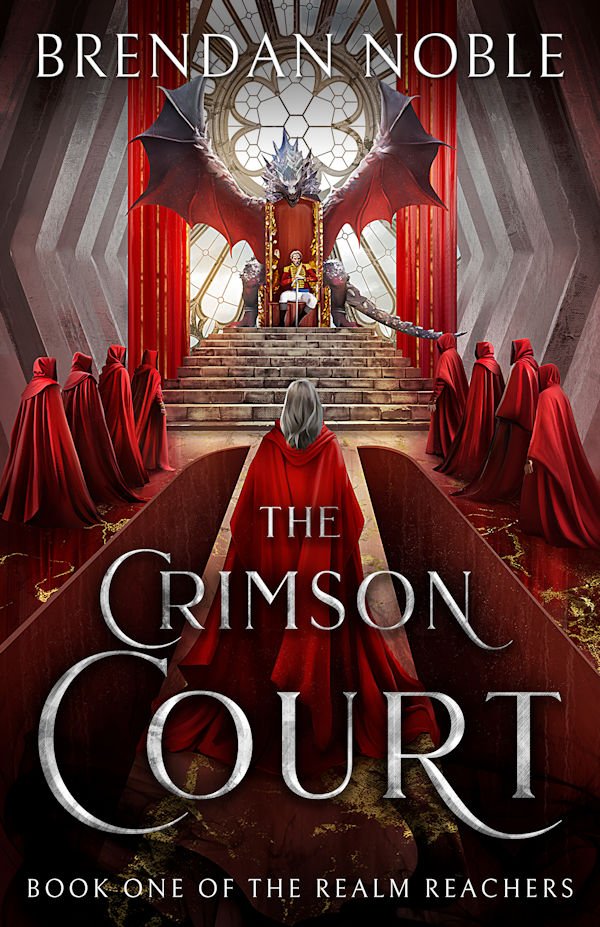
The Crimson Court by Brendan Noble
Brendan Noble’s The Crimson Court represented the most ambitious entry of this batch, boasting a sprawling 700-page narrative set within a gaslamp-inspired, Russian-Siberian landscape. The world-building, centered on fifteen distinct realms of magic and a complex spirit-based system, garnered significant praise from the panel.
Despite this strong foundation, the sheer scale of the novel became its primary liability. The panel noted that while the opening chapters were highly engaging, the pacing suffered as the story progressed. Judges struggled to connect with the characters on an emotional level, finding them to be functional plot-movers rather than fully realized individuals. Ultimately, while the inclusive cast and the inventive magic system were highlights, the execution required a more disciplined edit to maintain the momentum established in the first half.
Remnant by K. R. Solberg and C. R. Jacobson
The final cut of this round was Remnant, a story centered on a master of shadows and a family of sunrock smugglers caught in a hunt for the killer of an immortal. Despite a dramatic opening that successfully hooked several judges, the narrative lost its footing early. The primary criticism centered on an overwhelming cast of characters that lacked sufficient development, leaving the reader with a sense of detachment. The prose, described by the panel as "flat" and "sequential," struggled to bridge the gap between the premise and the reader’s engagement, leading to the decision to remove it from further consideration.
Supporting Data: Why These Titles Struggled
The evaluation of these three books highlights the specific challenges faced by self-published authors in the current market. The Fantasy-Faction team’s feedback reveals three recurring pain points that often derail otherwise promising manuscripts:
- Thematic Imbalance: In the case of Leave No Dragon Stone Unturned, the integration of romantic tropes and urban fantasy plot elements proved to be a double-edged sword. While it serves a specific audience, it alienated judges looking for a tighter focus on the "tech-mage" mystery.
- Structural Integrity: The Crimson Court underscores the "bloat" factor. In epic fantasy, length is often viewed as a sign of depth, but without consistent character-driven stakes, a 700-page count can become a barrier to reader immersion.
- Narrative Voice: For Remnant, the challenge was fundamental. A story’s prose must act as the bridge between the world and the reader; when the writing style becomes overly theatrical or lacks narrative drive, the technical "bones" of the world-building—no matter how creative—cannot save the reading experience.
Official Responses and Judge Perspectives
The Fantasy-Faction panel is comprised of a diverse group of readers, including Adawia Asad, Eva Geraghty, Evelyn Grimald, Julia Kitvaria Sarene, Karen Lucia, Kerry Smith, Kit Caelsto, Maureen Neuman, Robert Max Freeman, Sara Rosevear, Sherry Cammer, Stacey Markle, Tianna Twyman, and Yaniv Rosenfeld Cohen.
Their collective feedback serves as a masterclass in honest, constructive criticism. Regarding The Crimson Court, Judge Julia noted, "I never quite felt I was discovering these people so much as following them through the plot." This distinction between character discovery and plot-following is essential for authors aiming to elevate their craft. Similarly, Kerry’s critique of Leave No Dragon Stone Unturned provides a vital lesson in audience awareness: knowing when an element (like the romantic sub-plot) becomes a distraction rather than an enhancement is key to maintaining a broader readership.
Implications for the Future of Indie Fantasy
The removal of these three books is not a reflection of their lack of value, but rather a testament to the hyper-competitive nature of the SPFBO. As the contest enters its final stages, the remaining pool of books will be judged with even greater scrutiny.
For authors, the takeaway is clear: in a market flooded with content, the "hook" is only the beginning. Sustaining reader interest through the middle of a novel requires consistent character growth, a balanced pacing strategy, and prose that serves the story rather than masking its weaknesses.
The SPFBO continues to be a beacon for authors who choose the independent path. By providing a platform for visibility and professional feedback, the contest does more than crown a winner; it helps build a dialogue between the creators and the community. As the judges turn their full attention to the final four semi-finalists, the fantasy world watches with anticipation, waiting to see which hidden gem will rise to the top of the pile in this year’s rigorous selection process.
For those looking to track the remainder of the competition, the official SPFBO website and Mark Lawrence’s blog continue to provide real-time updates on the status of the 300 original entries, offering a comprehensive look at the state of contemporary self-published fantasy.


 Siti Muinah
 Ammar Sabilarrohman