Jia Lissa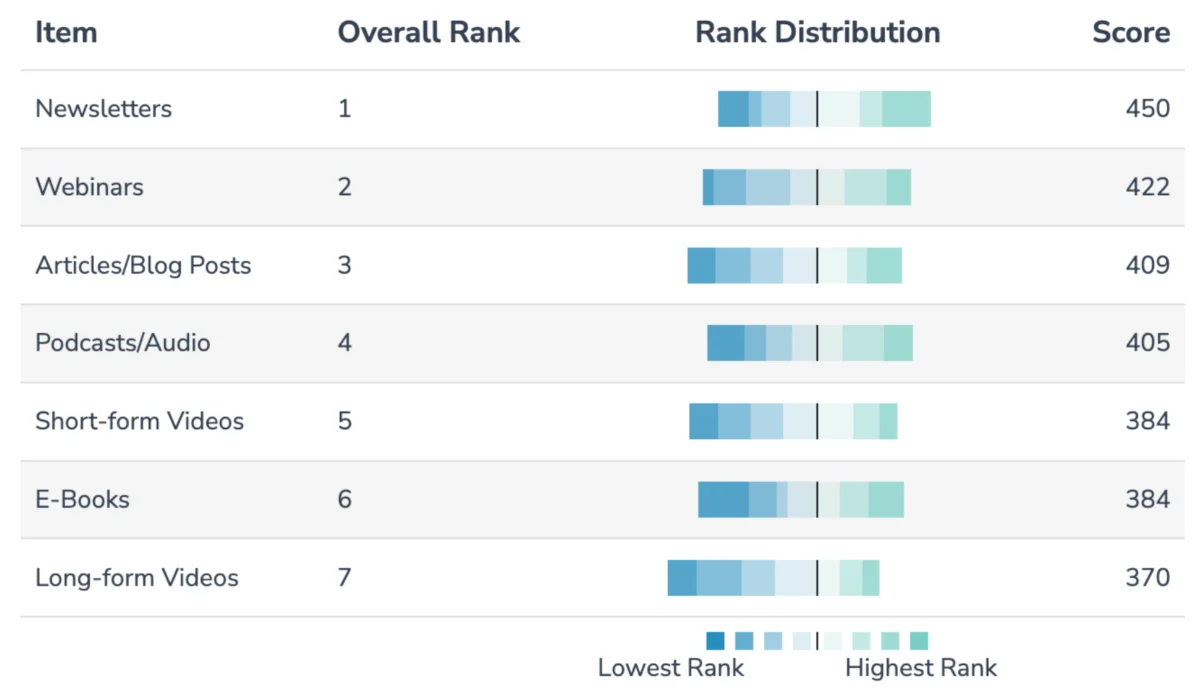
In an era defined by an unrelenting barrage of digital noise, the most valuable commodity for a marketing leader is no longer access to more information—it is the capacity to filter it. Every day, the typical CMO or marketing director is inundated with a deluge of industry reports, AI-generated frameworks, “thought leadership” on LinkedIn, and a never-ending cycle of podcasts.
The paradox of the modern information age is clear: as content production costs have plummeted, the quality of discourse has become increasingly fragmented. For the decision-makers tasked with steering multi-million dollar budgets and complex brand strategies, this saturation has created a "Content Fatigue" crisis. The solution, according to recent shifts in the industry, is not to consume more, but to consume better. This is why, despite the rise of short-form video and ephemeral social media, the humble newsletter is experiencing a profound renaissance.
The Shift: From Content Consumption to Strategic Curation
Marketing leaders are retreating from the open sea of the internet and into the harbor of high-signal, low-noise newsletters. Research conducted by Convince & Convert (C&C) confirms this shift: when asked to rank their preferred formats for learning about marketing trends, newsletters consistently outperformed podcasts, webinars, and long-form blogs.
For many brands, this signals a pivot in email marketing strategy. No longer can a newsletter simply be a glorified RSS feed of recent blog posts. Today’s audiences are demanding "smart summaries"—curated, synthesized insights that do the heavy lifting of interpretation for them. They do not just want to know what happened in the industry; they want to know why it matters and how it changes their strategic outlook.
Chronology of a Rebrand: The Evolution of "The Trendline"
The decision to move away from the traditional newsletter model is best illustrated by Convince & Convert’s recent transition from their legacy newsletter, ON, to their new flagship publication, The Trendline.
The evolution was not a whim; it was a data-driven response to audience feedback. For years, ON served as a hub for the firm’s vast content ecosystem—linking out to podcasts, original research, and training modules. While effective in its time, the firm identified a critical friction point: the reliance on click-throughs to deliver value.

Recognizing that modern professionals are time-starved, the team at C&C began a systematic audit of their content delivery. They realized that by forcing the reader to leave the email to understand the core insight, they were effectively taxing the reader’s attention. The new strategy, manifested in The Trendline, was built on a core philosophy: Deliver the value upfront.
Supporting Data: Why Newsletters Lead the Pack
The recent C&C audience survey provides a compelling empirical basis for the resurgence of email. When respondents were asked to rank seven different content formats—ranging from short-form video to webinars—newsletters were nearly twice as likely to be ranked in the top position.
This is not merely a preference for text over video; it is a preference for context.
- The "Thinking" Tax: Most content channels provide information, but few provide the strategic lens required to synthesize that information.
- The Retention Gap: Unlike social media feeds, which are algorithmically volatile, newsletters provide a stable, recurring touchpoint that allows brands to build long-term authority.
- Engagement Depth: The data suggests that when content is curated with a specific point of view, it triggers a higher level of intellectual engagement, often leading to reader feedback and actionable takeaways that are absent in passive consumption formats.
The Architecture of a Modern Newsletter
To succeed in this new landscape, brands must move beyond the "list of links" format. The Trendline serves as a case study in structural innovation. The team identified three major opportunities to improve their delivery:
- Strategic Synthesis: Moving from a chronological list of content to a thematic, editorialized debrief.
- Compact Consumption: Designing sections so that the primary insight is accessible within the body of the email, making the "click" an option for further exploration rather than a requirement for value.
- Interactive Feedback Loops: Incorporating elements like "Sound Off" polls to replace ambiguous metrics (like open rates) with intentional, participatory engagement data.
By organizing the newsletter into specific, purpose-driven sections—such as "The Big Idea," "Tactical Takeaways," and "Industry Shifts"—the publication functions less like a newsletter and more like a briefing paper for a corporate board.
Official Perspectives: The Philosophy of "Less, But Better"
"Marketing leaders don’t need more content in their inboxes," explains the leadership team at C&C. "We want to be entertained, inspired, and feel smarter."

The shift is fundamentally about acknowledging the dignity of the reader’s time. When brands treat their email list as a community rather than a distribution channel, the relationship dynamics change. The goal is to provide a "debrief"—a resource that allows a busy executive to read for five minutes and emerge with a clearer perspective on a specific market trend.
This approach requires more work from the content creators. It demands higher-level editorial judgment, the ability to write concisely, and the courage to strip away fluff. However, the return on investment—measured in trust and authority—is significantly higher than the standard "blast" marketing approach.
Implications for Future Email Marketing Strategies
The success of this transition offers a blueprint for any brand struggling with its owned media strategy. If your email marketing is failing to convert or retain readers, it is likely because it lacks a clear "value proposition" that respects the reader’s time.
Key Lessons for Marketing Leaders:
- Audit for Friction: Look at your current email performance. Are you asking your reader to work too hard to get to the "aha!" moment? If you have to click five links to find one useful insight, you are losing the battle for attention.
- Prioritize the "Why": Information is a commodity; interpretation is a premium service. Whether you are in B2B or B2C, your audience wants to know why a piece of information changes their day-to-day reality.
- Build for the Mobile Executive: Assume your reader is scrolling on a phone between meetings. Use formatting, bolding, and white space to make your insights skimmable, but ensure the depth is there for those who have time to linger.
- Embrace Qualitative Feedback: Metrics like open and click rates are "vanity" metrics if they don’t correlate to trust. Start asking your audience what they need, and use polls or direct outreach to iterate your format.
Conclusion: The New Standard of Authority
The transition to a highly curated, insight-led newsletter is more than a branding exercise; it is an acknowledgment of the current state of digital saturation. As the digital landscape becomes increasingly crowded with AI-generated generic content, the premium on human-led, strategically-curated intelligence will only rise.
For brands like Convince & Convert, the move to The Trendline represents a commitment to being a signal in the noise. For the broader marketing community, it serves as a wake-up call: the era of "more is better" is over. In the coming years, the winners in the content space will be those who master the art of the filter, providing their audience with the clarity they need to make better decisions in an increasingly complex world.
The strategy is simple, yet difficult to execute: Respect the reader, provide value upfront, and never forget that in an age of infinite content, the most powerful thing you can offer is a shortcut to wisdom.


 Nana Wu
 Nana
Nana