Layla Zulfa
In a globalized world, the concept of "outsourcing" is typically associated with manufacturing or IT support. However, in Japan, the outsourcing industry has taken a deeply personal, and occasionally surreal, turn. From hiring middle-aged men for companionship to commissioning professionals to tender an apology on your behalf, Japan is home to a burgeoning "proxy economy."
While these services may appear idiosyncratic to international observers, they are far from mere novelties. Instead, they serve as a diagnostic mirror, reflecting the profound shifts within Japanese society—a nation grappling with an aging population, extreme urbanization, strict social etiquette, and a rising tide of social isolation.
The Genesis of the Proxy Industry
The rise of these services is not a sudden phenomenon but a gradual response to decades of social transition. Japan’s post-war "miracle" economic growth necessitated a workforce that was mobile and dedicated, often at the expense of local community bonds. As the "Salaryman" culture solidified, the traditional multi-generational household—where elders were cared for and life events were celebrated in tight-knit groups—began to erode.
As rural populations flocked to megalopolises like Tokyo and Osaka, the social safety nets of the past vanished. In their place, a new ecosystem of professional proxies emerged to fill the void, offering a "solution-oriented" approach to social and emotional hurdles that once would have been managed by kin.

Five Pillars of the Japanese Proxy Market
1. Ossan Rental: The Rent-a-Middle-Aged-Man
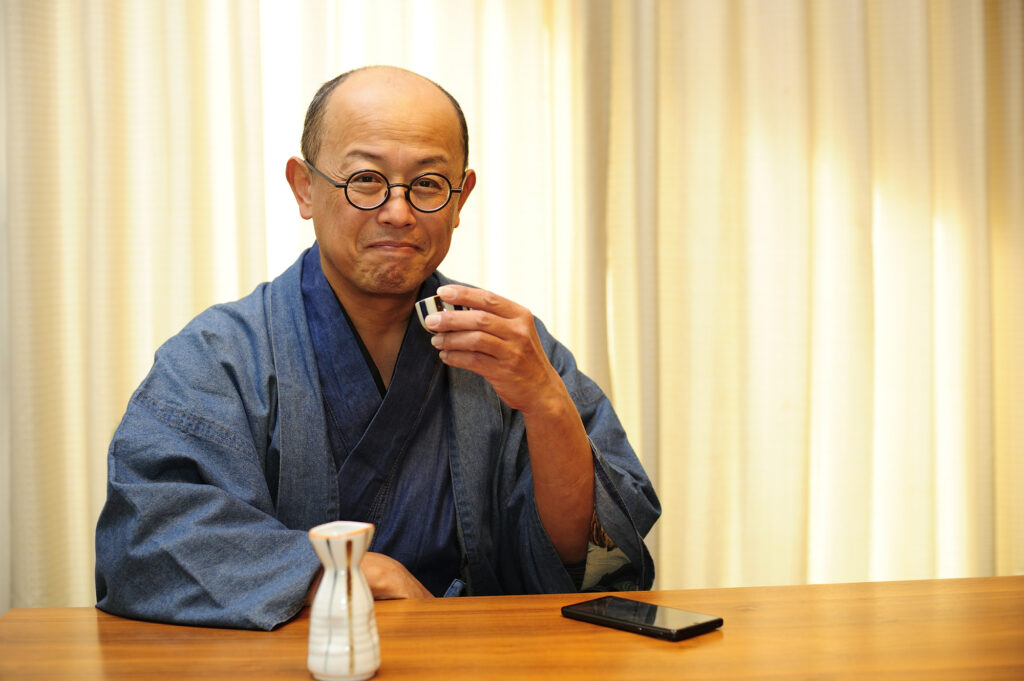
Perhaps the most famous of these services, Ossan Rental, allows users to rent a middle-aged man (an ossan) by the hour. The service is simple: you pay a fee, and a middle-aged man arrives to listen, offer advice, or accompany you to an event.
- The Social Context: Loneliness in Japan is not always about a lack of people, but a lack of non-judgmental spaces. Many individuals, particularly young adults and the elderly, feel they cannot burden their family or friends with their personal anxieties. An ossan, being a neutral third party, provides a "safe space" for venting without the emotional baggage of long-term personal relationships.
2. Wedding and Family Proxy Services
When a wedding guest list is too short or a family dynamic is too fractured to present a "proper" image, proxy companies provide actors to fill the seats. These professionals can masquerade as long-lost friends, supportive relatives, or even high-powered business colleagues.
- The Social Context: Japan places a high premium on tatemae (public facade) and honne (true feelings). During major life milestones, the pressure to conform to social expectations—such as having a "well-rounded" social circle—can be suffocating. These services alleviate the anxiety of social judgment, allowing individuals to navigate high-stakes life events without the fear of appearing "incomplete."
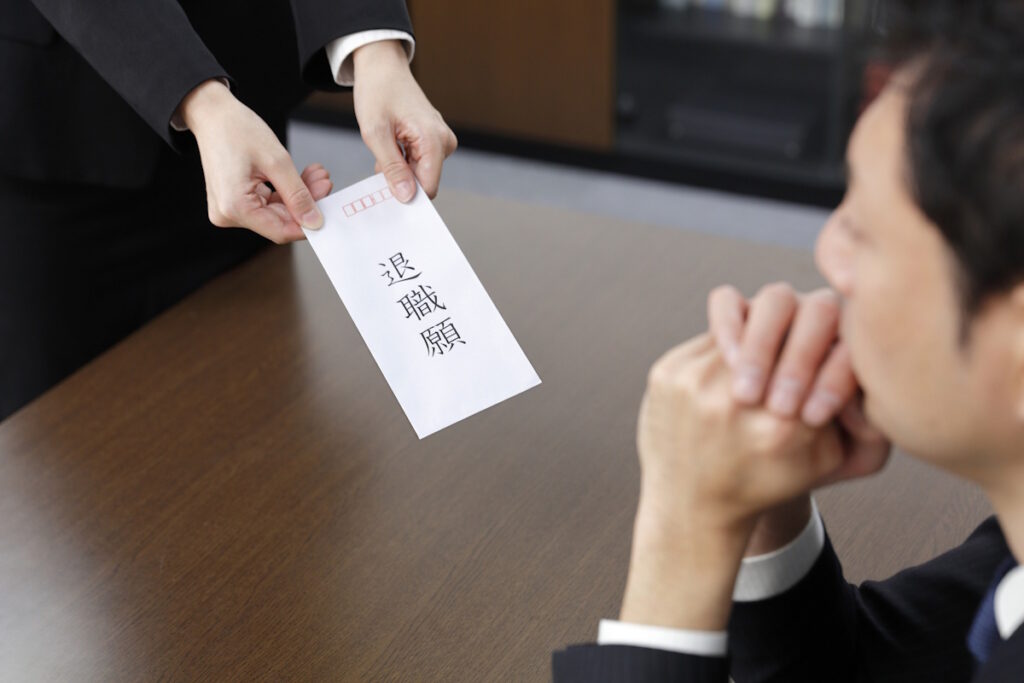
3. Resignation Proxy Services
Known as taishoku daiko, these firms handle the uncomfortable process of quitting a job. An employee simply hires a company to call their boss, deliver the resignation, and handle the paperwork.
- The Social Context: The Japanese workplace is defined by intense hierarchy and a culture of gaman (perseverance). Leaving a company is often viewed as a betrayal of the group. For many, the fear of confrontation or being "guilt-tripped" into staying is so paralyzing that they would rather pay a professional to end their employment than face their manager.
4. Apology Proxy Services
When a conflict occurs—be it a domestic squabble or a corporate blunder—professional "apology agents" can be hired to deliver a formal, heartfelt, and perfectly calibrated apology.
- The Social Context: The act of apologizing in Japan is a complex ritual. If done incorrectly, it can escalate a conflict; if done with sufficient gravitas, it can resolve it. These agencies use experts trained in social protocol to ensure that the apology hits the exact right notes of sincerity and contrition, preserving social harmony (wa).
5. Grave Visiting Proxy Services
As young people move to cities and ancestral homes in the countryside sit empty, many families can no longer maintain their family graves. Proxy services now offer "grave maintenance," including cleaning, incense burning, and digital photo reports.
- The Social Context: This service highlights the intersection of tradition and demographic reality. Despite secularization, the duty to one’s ancestors remains a cornerstone of Japanese identity. When distance and aging prevent the physical fulfillment of this duty, the proxy service acts as a bridge, allowing the tradition to survive in a modern, mobile society.
Supporting Data: Why Now?
The data behind these trends is stark. According to the Ministry of Health, Labour and Welfare, the number of single-person households in Japan is at an all-time high and continues to grow. Simultaneously, the country’s dependency ratio—the number of elderly citizens compared to the working-age population—is putting unprecedented strain on traditional care structures.
The "Proxy Economy" is a logical business response to this data. When the nuclear family is no longer present to offer support, the market creates a service to provide it. These companies are not merely "gimmicks"; they are essential service providers for a demographic that is increasingly living, working, and dying in isolation.
Official Responses and Corporate Perspectives
Government and corporate sectors have viewed these services with a mix of cautious observation and quiet necessity. While some traditionalists criticize these proxies as a further erosion of authentic human connection, labor unions have, in some instances, defended the Resignation Proxy services as a necessary tool to protect workers from "black companies" (exploitative employers).
The companies themselves argue that they provide a mental health service. By removing the stress of confrontation or the guilt of abandonment, these proxies are arguably preventing burnout and fostering individual autonomy.
Implications: The Future of "Human" Services
The implications for the rest of the world are profound. As other developed nations—particularly those in Europe and East Asia—face similar demographic curves, the "Japan model" of service-based social interaction may become a global template.
- Ethical Concerns: The commodification of human interaction raises significant ethical questions. If we can outsource a breakup, a resignation, or even a grave visit, what happens to the resilience that is built through navigating these difficult experiences personally?
- Social Isolation: While these services provide immediate relief, they do not solve the root causes of isolation. They are, in essence, a band-aid on a societal wound.
- The Normalization of Transactions: As these services grow more common, the barrier between "personal" and "transactional" relationships continues to blur. We are moving toward a society where "emotional labor" is increasingly priced and sold on the open market.
Conclusion: A Reflection of Modernity
The proxy services of Japan are, in their own way, a testament to the country’s adaptability. Rather than allowing societal structures to collapse under the weight of an aging, lonely population, the Japanese market has innovated a way to maintain the appearance and, in some cases, the function of traditional social ties.
Whether these services are a sign of a society in decline or a society in evolution remains a subject of intense debate. However, one thing is clear: the demand for these services shows no sign of waning. As long as humans have a need for connection, closure, and social harmony, and as long as they are unable to secure these through traditional channels, the "proxy economy" will continue to thrive, providing a fascinating—if slightly unsettling—glimpse into the future of human relationships.


 Neng Nana
 Asro
Asro