Reynand Wu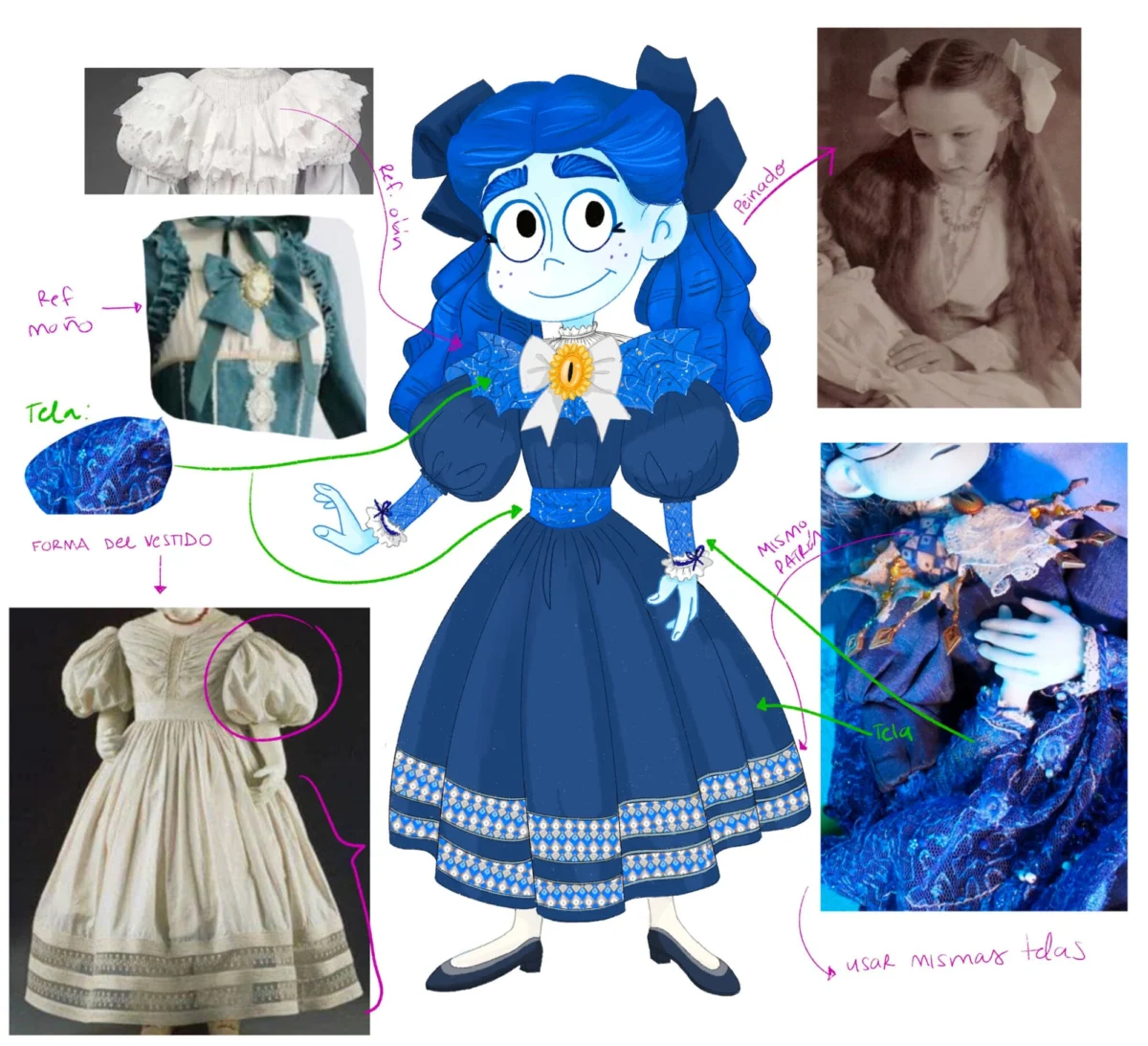
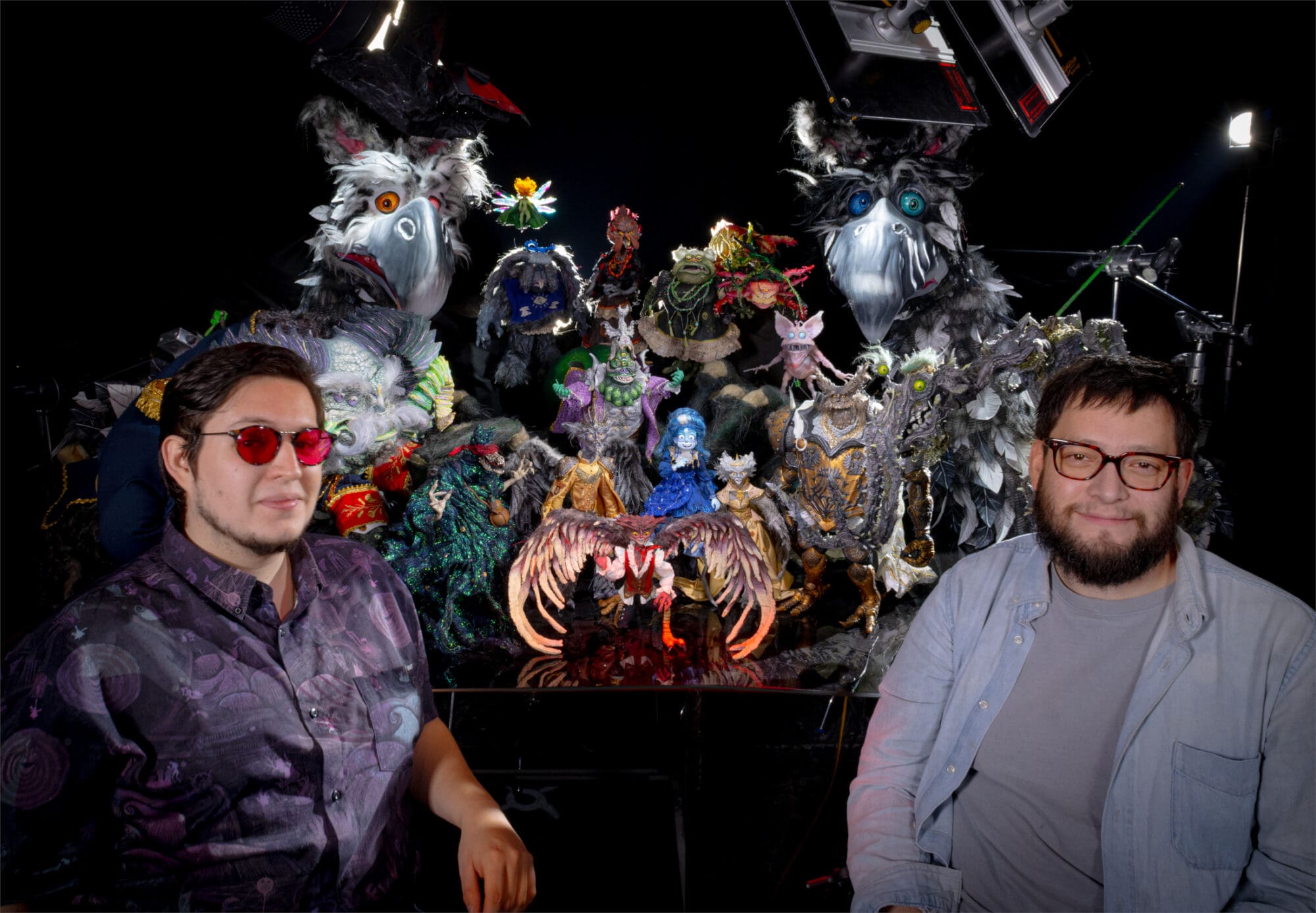
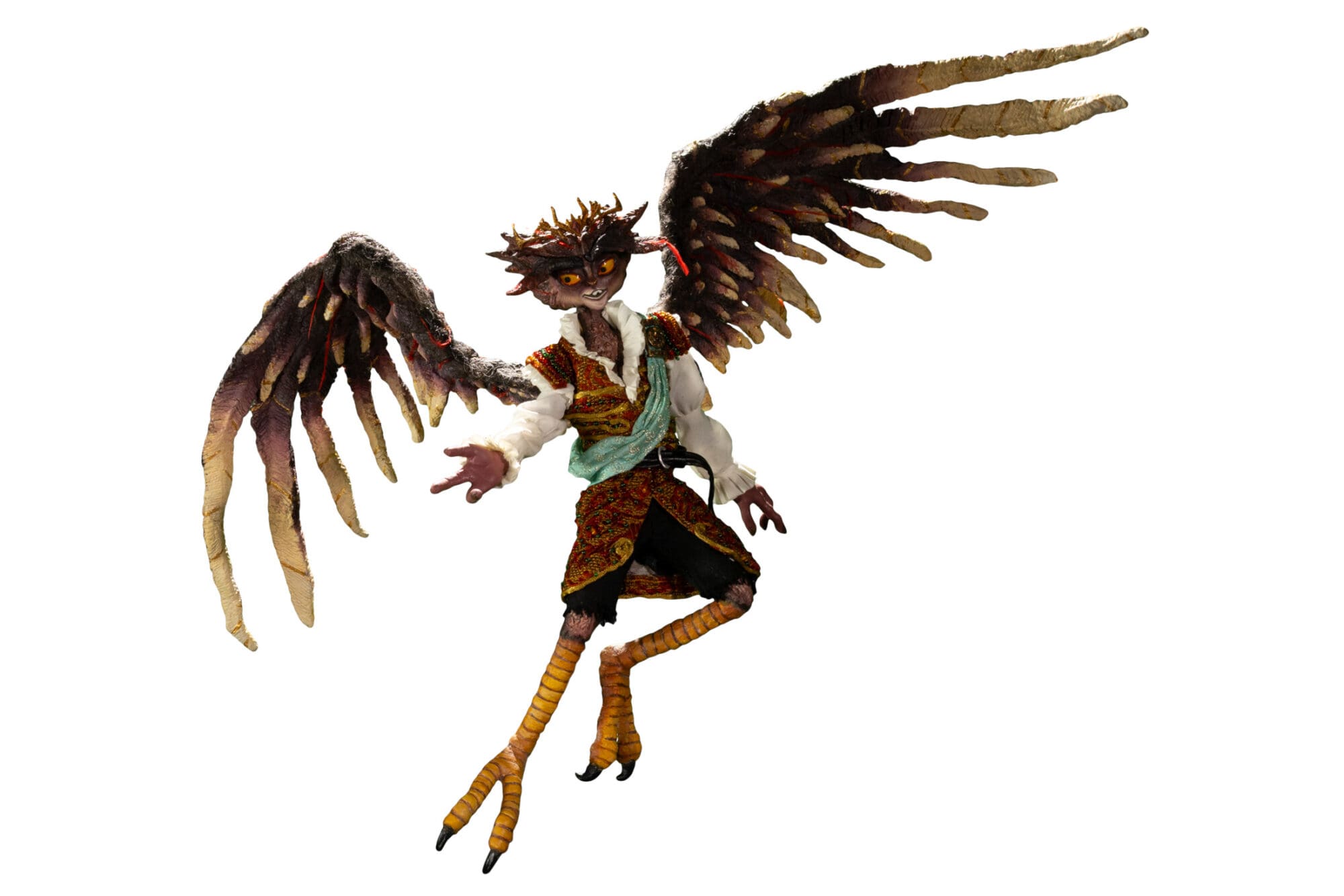
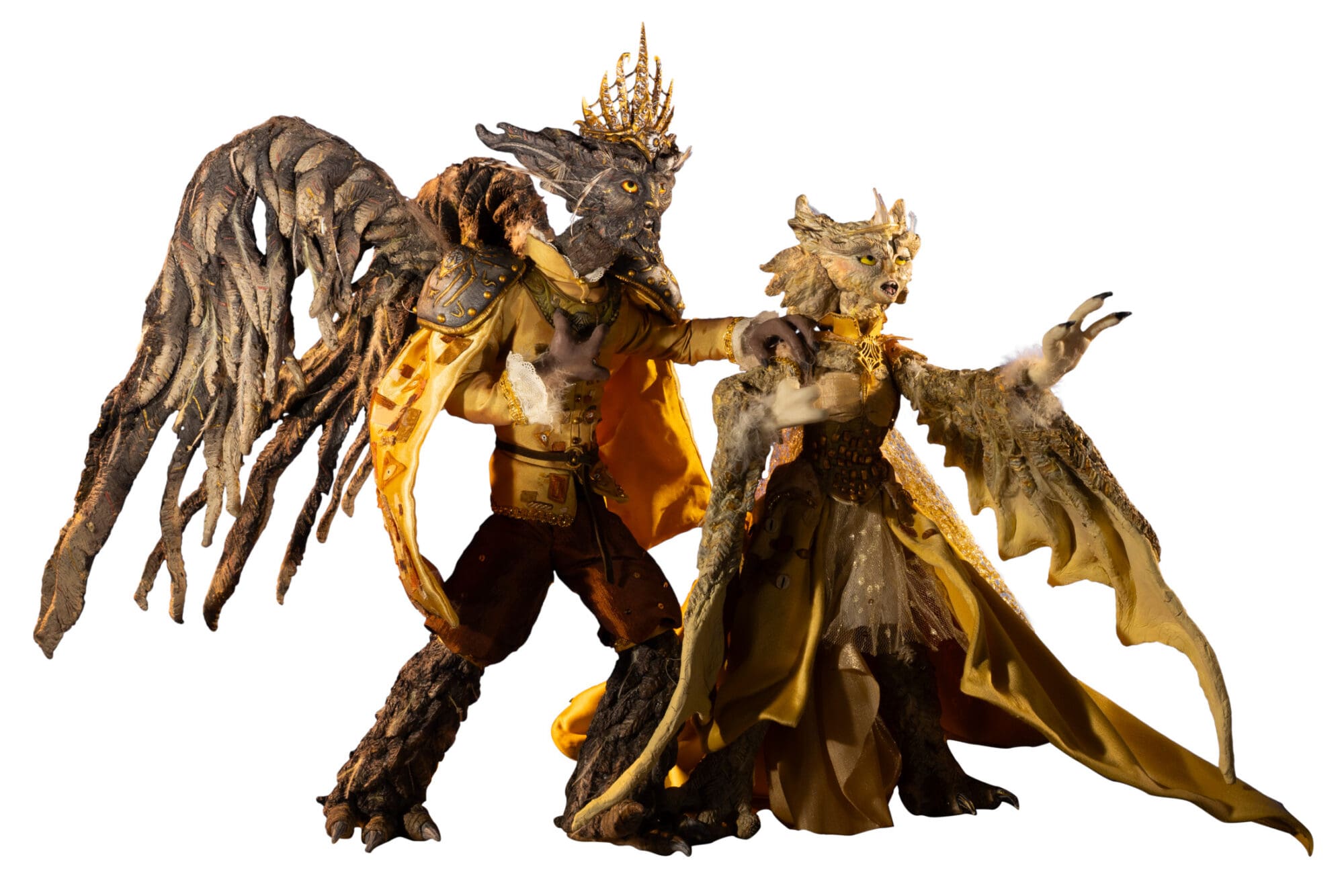
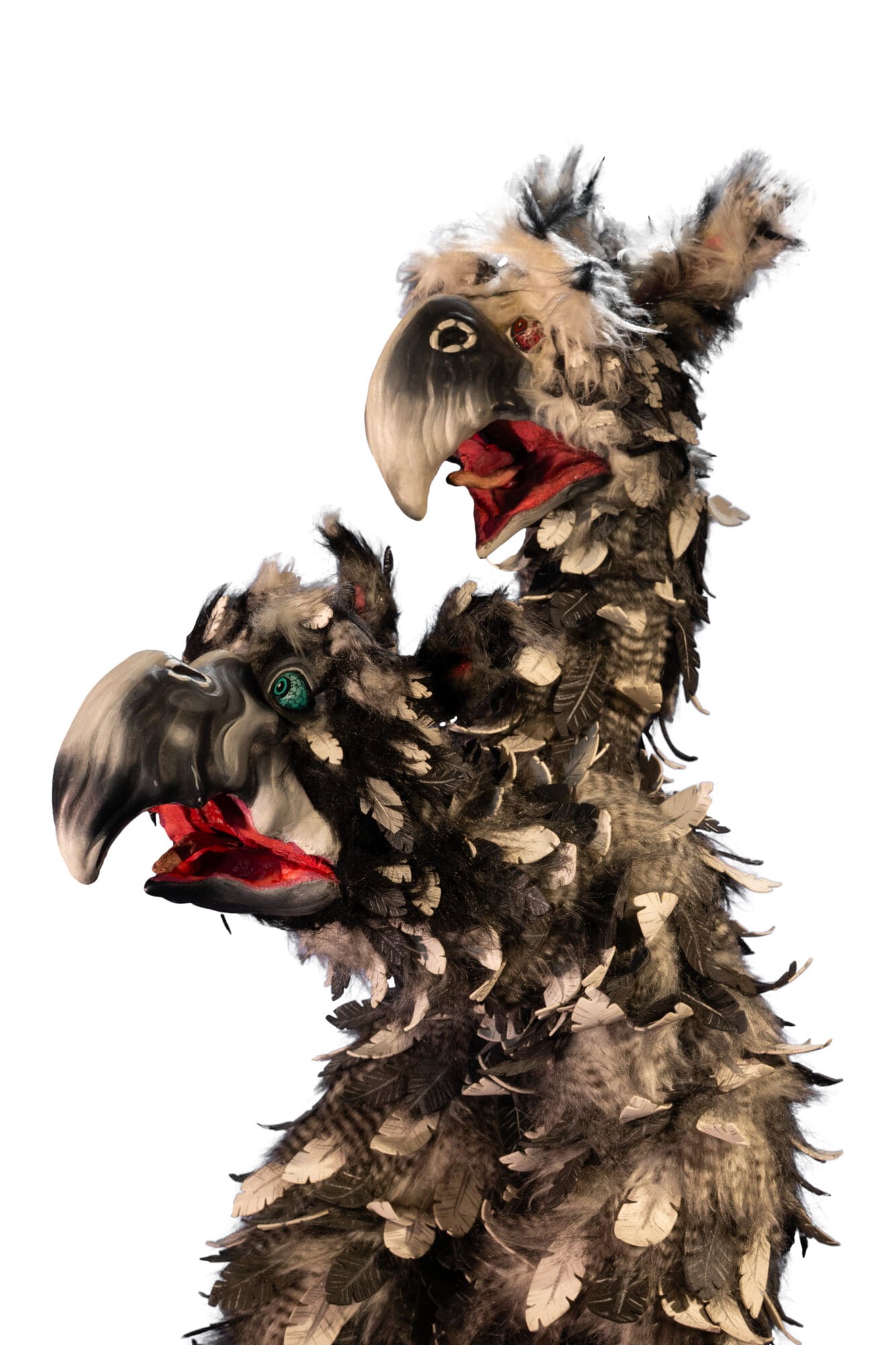
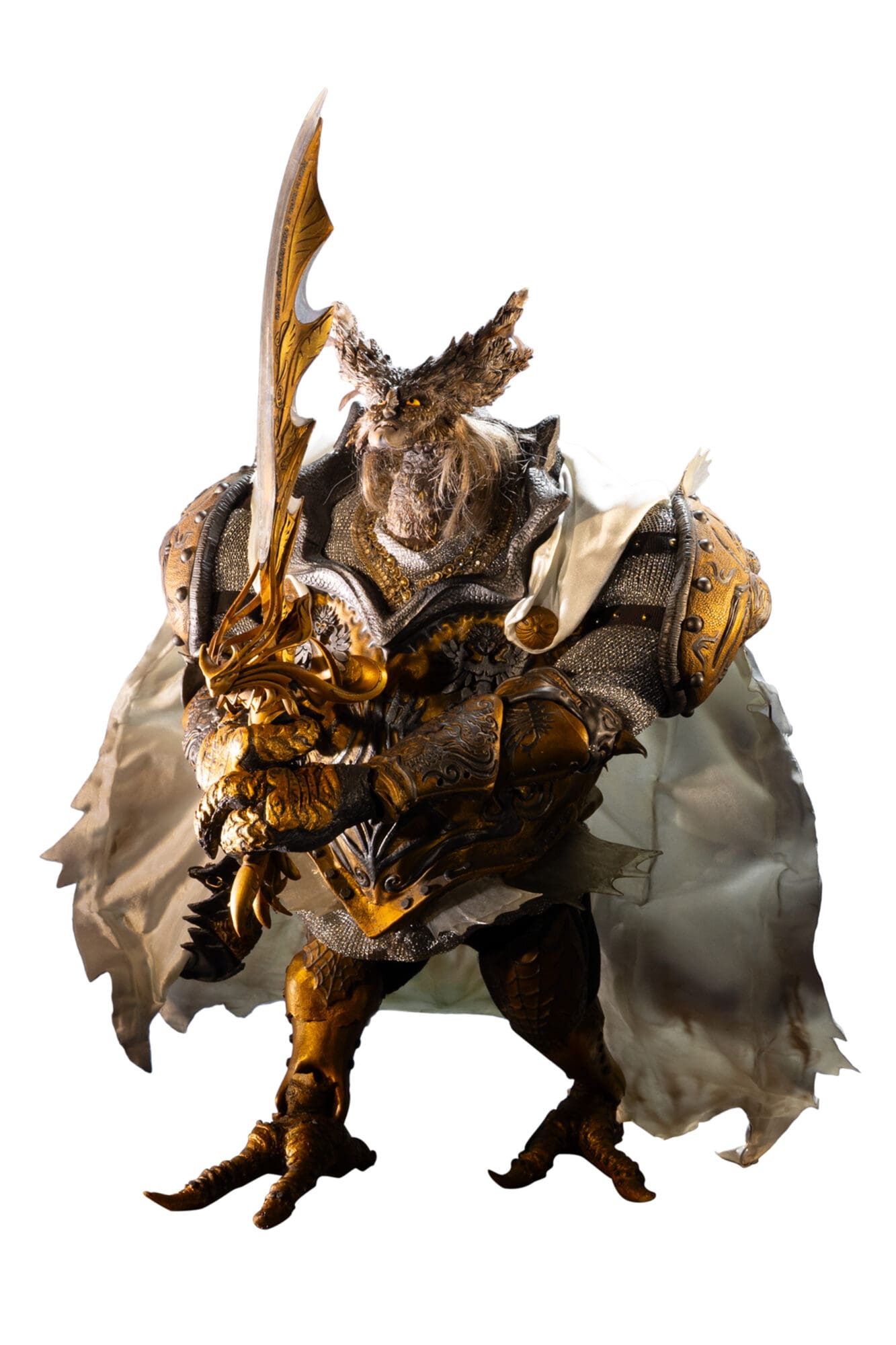
In the landscape of modern animation, where digital polish and algorithmic efficiency often dictate the bottom line, brothers Arturo and Roy Ambriz have carved a path defined by the tactile, the analog, and the defiant. Their studio, Cinema Fantasma, based in the heart of Mexico City, has spent 15 years proving that the "impossible" is simply a challenge yet to be met. With the international release of I Am Frankelda (Soy Frankelda) on Netflix, the siblings have cemented their status as pioneers, delivering the first-ever entirely Mexican feature-length stop-motion production.
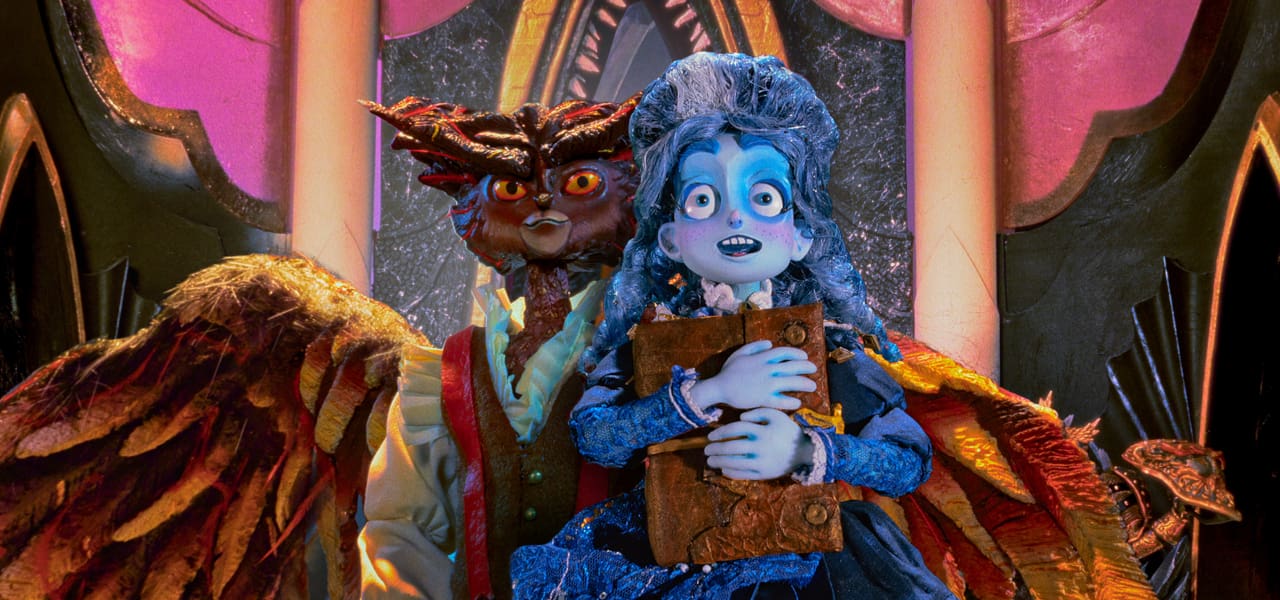
The film, a gothic fantasy musical set in the 19th century, follows the origin story of Francisca Imelda, an aspiring horror writer whose stories unlock a parallel dimension. While the project began as a modest special, the Ambriz brothers’ refusal to compromise their vision transformed it into a landmark of Latin American cinema.
A Chronology of Ambition: From Shorts to Feature
The trajectory of the Ambriz brothers is a masterclass in independent persistence.

- 2011–2019: The Foundation Years. Establishing Cinema Fantasma in Mexico City, the brothers dedicated their early years to refining the stop-motion craft, eventually catching the attention of Cartoon Network Latin America. This partnership provided the necessary infrastructure to produce segments and shorts for Adult Swim, proving their capacity to deliver high-quality work within the constraints of television.
- 2021: The Breakthrough. The release of Frankelda’s Book of Spooks on HBO Max Latin America introduced audiences to their distinct aesthetic, blending dark whimsy with profound emotional stakes. The series garnered significant acclaim, creating a hunger for more.
- 2024: The Pivotal Risk. When Warner Bros. Discovery commissioned a special, the brothers faced a crossroad. They possessed the funds for a half-hour project, but their vision demanded a feature. In an act of "survival instinct," the duo chose to self-fund the remaining budget, gambling their own resources to realize a full-length film.
- 2025: The Mexican Phenomenon. Mentored by cinematic legend Guillermo del Toro, the film premiered in Mexico, defying industry skepticism. It became the third highest-grossing film in the country that year, including live-action, and secured the title of the highest-grossing animated film since the pandemic.
- 2026: The International Stage. Following its domestic triumph, I Am Frankelda was acquired for global distribution by Netflix, marking a new chapter for the brothers and their studio.
The Economics of Independence
The financing of I Am Frankelda represents a stark departure from standard studio practices. In the Mexican film industry, where financial support for animation is notoriously scarce, the brothers were repeatedly told that a feature-length stop-motion film was not commercially viable.
"In Mexico, everybody told us that it was impossible," Roy Ambriz recalls. "They didn’t give us any grants… we said, ‘We have to prove that these projects can be done.’"
The brothers utilized an "agile production" method to manage the financial strain. Lacking the luxury of extensive pre-production, the team began animating just three weeks after the screenplay was finalized. This "messy but energetic" process involved writing, editing, and building simultaneously. The result is a film that feels remarkably alive, retaining a raw, kinetic energy that is often lost in more sterile, over-planned productions.
Mentorship and the Guillermo del Toro Effect
No discussion of the film’s success is complete without acknowledging the influence of Guillermo del Toro. For the Ambriz brothers, del Toro is more than a mentor; he is the architect of their professional growth.
"I decided to do filmmaking when I saw Pan’s Labyrinth," Roy notes. During the production of I Am Frankelda, del Toro provided invaluable guidance on everything from technical camera movements to the "emotional rights of characters."
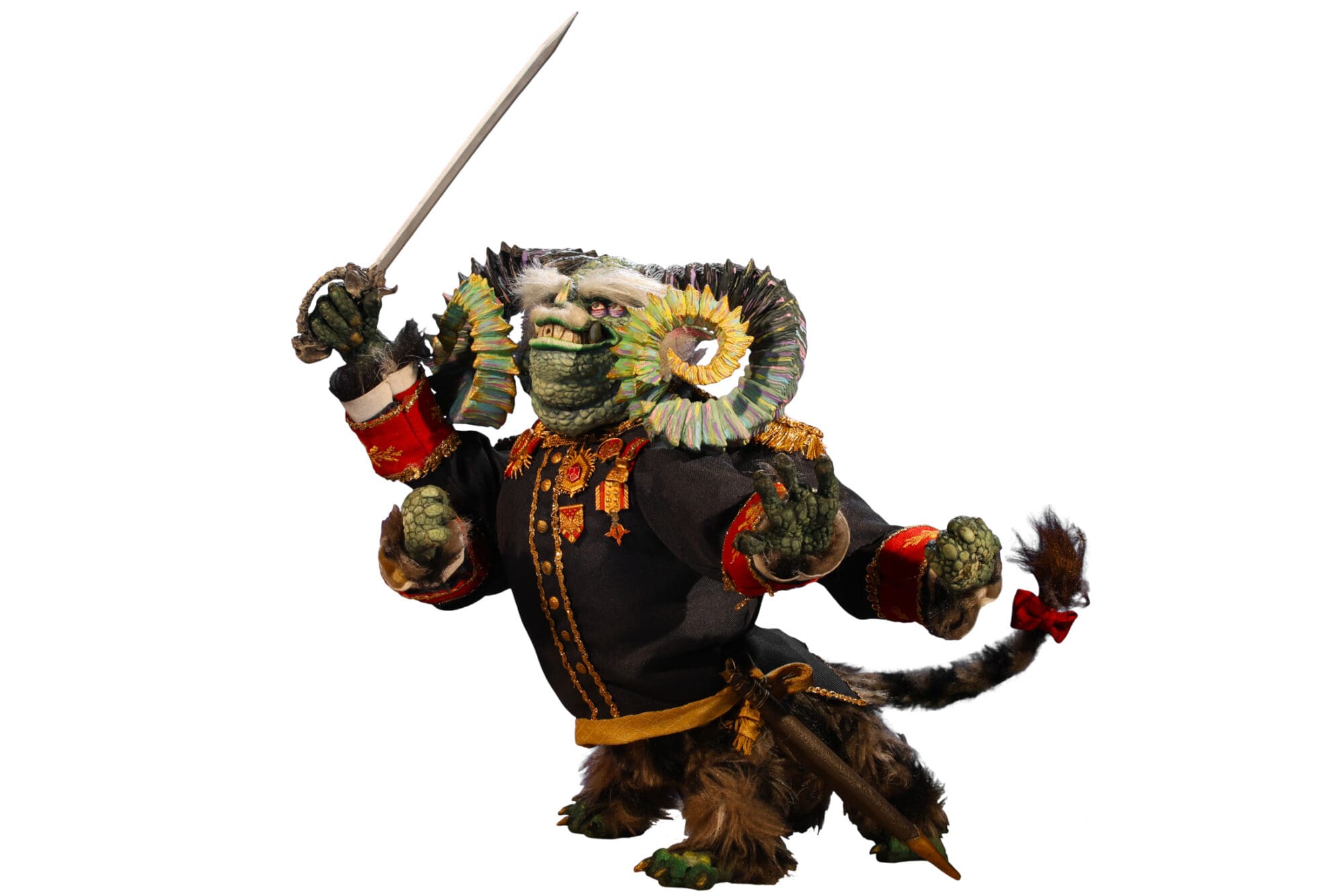
Perhaps most crucially, del Toro helped the brothers navigate the brutal reality of distribution. When the film initially struggled with pacing, del Toro assisted in trimming 15 minutes of footage, resulting in a more potent, focused narrative. Beyond the technical, the brothers emphasize that del Toro’s most enduring lesson is the importance of character—teaching them that emotional truth must always take precedence over logical plot progression.
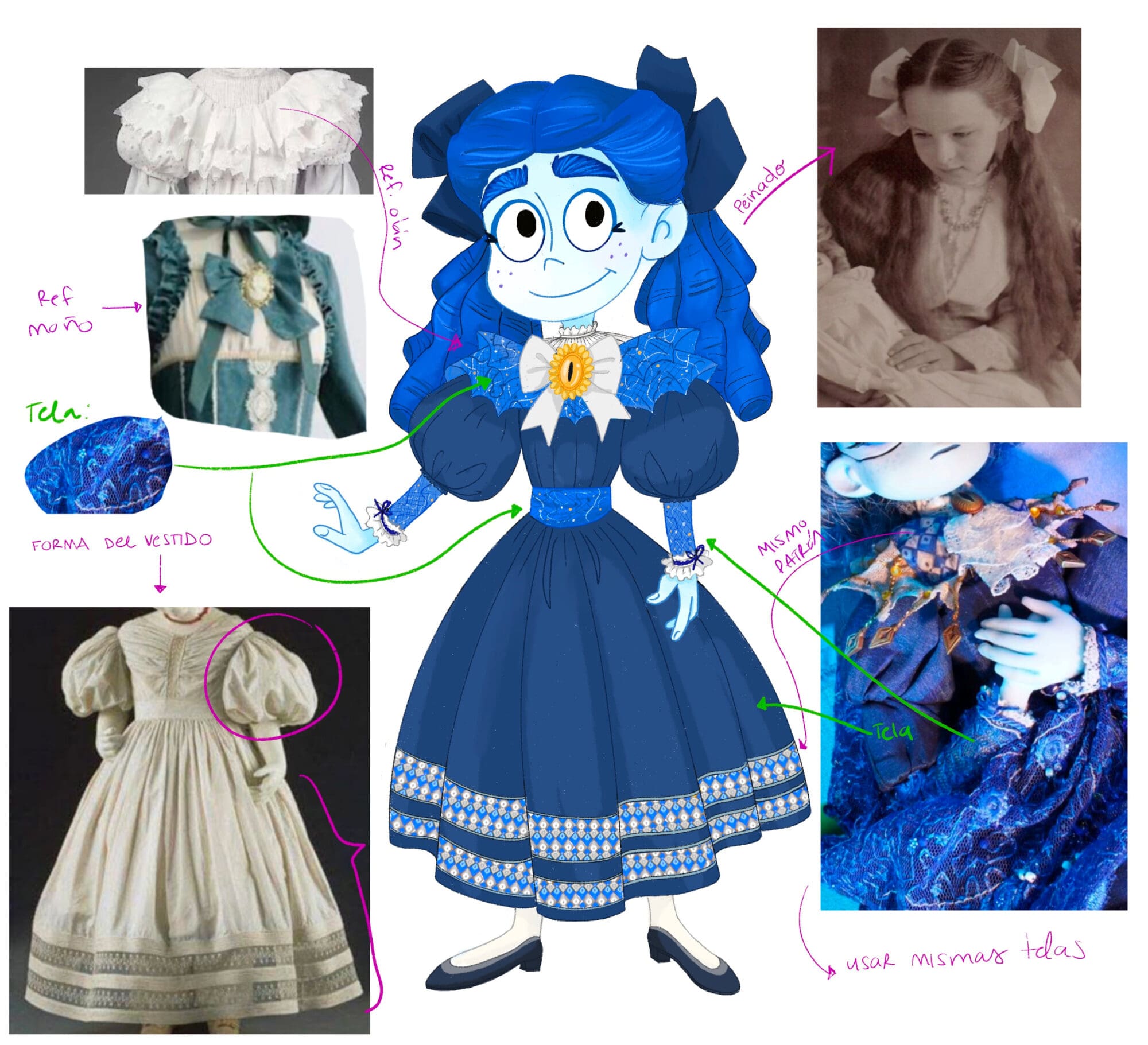
The Cultural Implications: A Hub for Stop-Motion
The success of I Am Frankelda is not merely a personal win for the Ambriz brothers; it is a signal of a burgeoning stop-motion movement in Mexico.
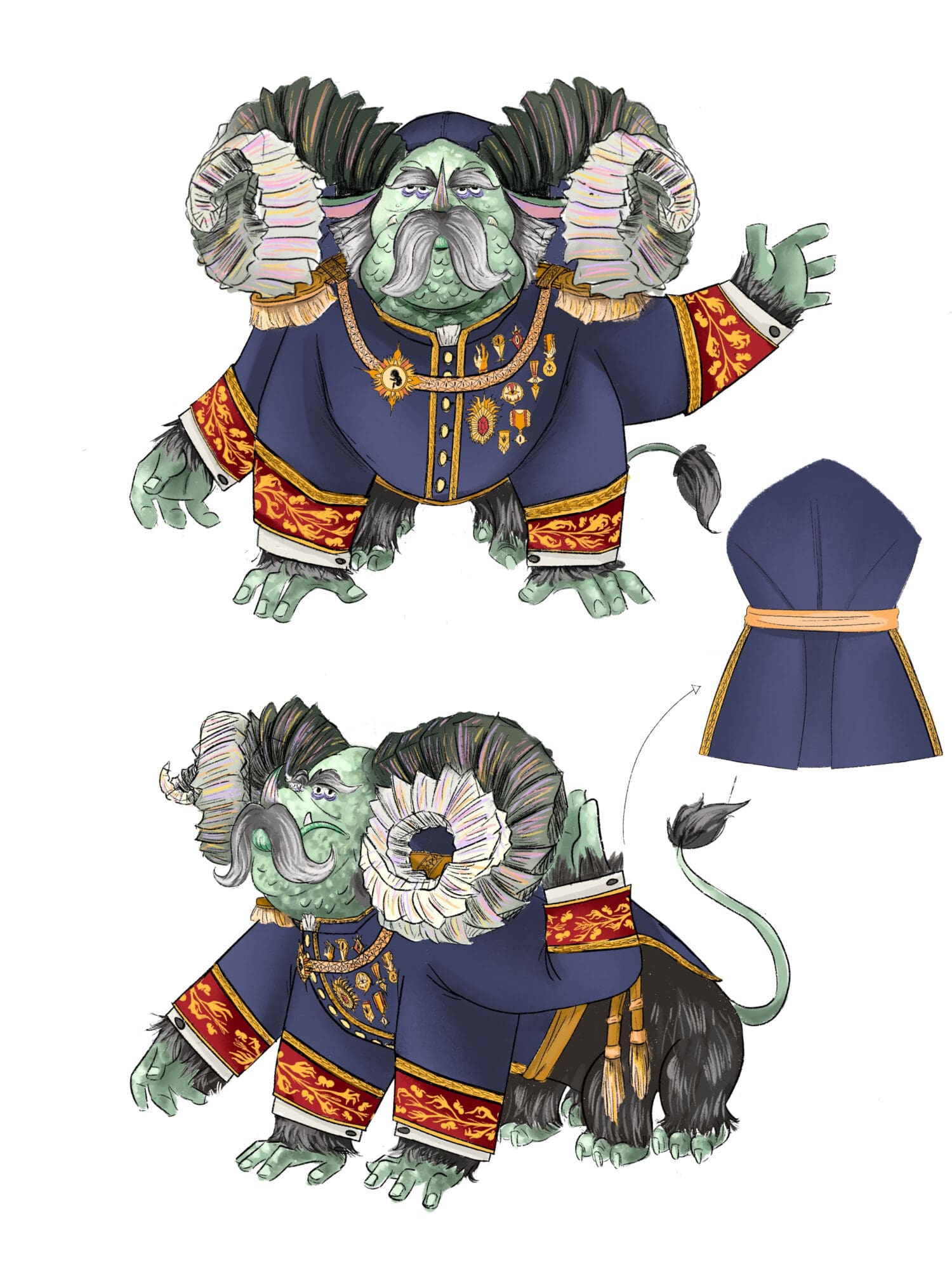
Arturo attributes this rise to the inherent cultural vibrancy of the region. "Mexico prides itself in the fact that there’s art everywhere," he explains. "There’s an element of improvisation and fixing things. Not always buying brand new things, but handing down an object… with modifications."
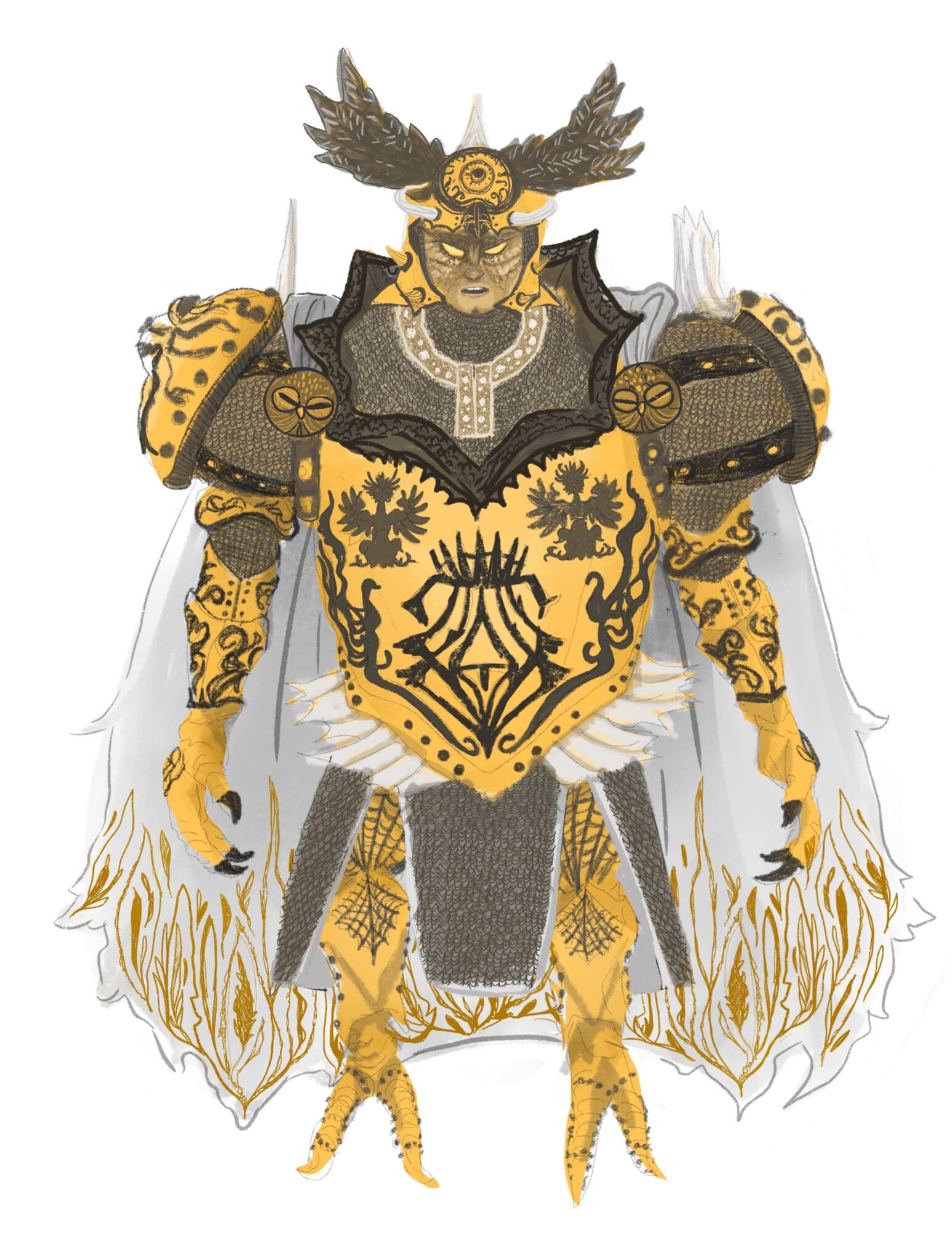
This ethos aligns perfectly with the nature of stop-motion, an art form that thrives on physical manipulation and the repurposing of materials. To foster this growth, Cinema Fantasma has launched "Cinema Fantasma Edu," an initiative to teach young Mexican artists the realities of the craft. Unlike many workshops that cater to the U.S. industry model, the brothers focus on how to thrive within the Mexican ecosystem—a market with different rules, challenges, and opportunities.
Artistic Philosophy: The Process as the Product
In an age of digital saturation, the brothers view their work as an analog rebellion. They frequently compare their craft to the resurgence of vinyl records—an appreciation for the tangible.
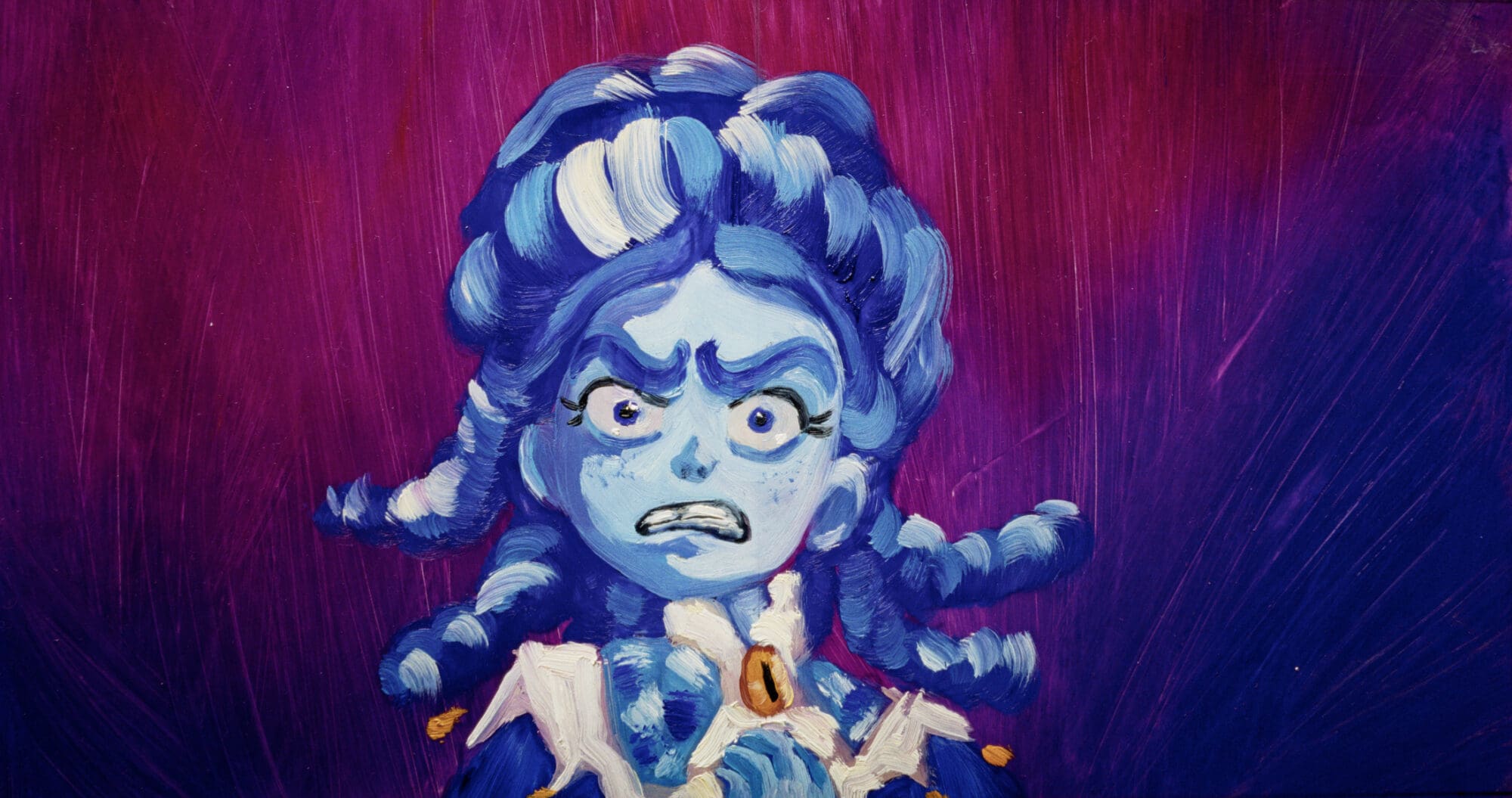
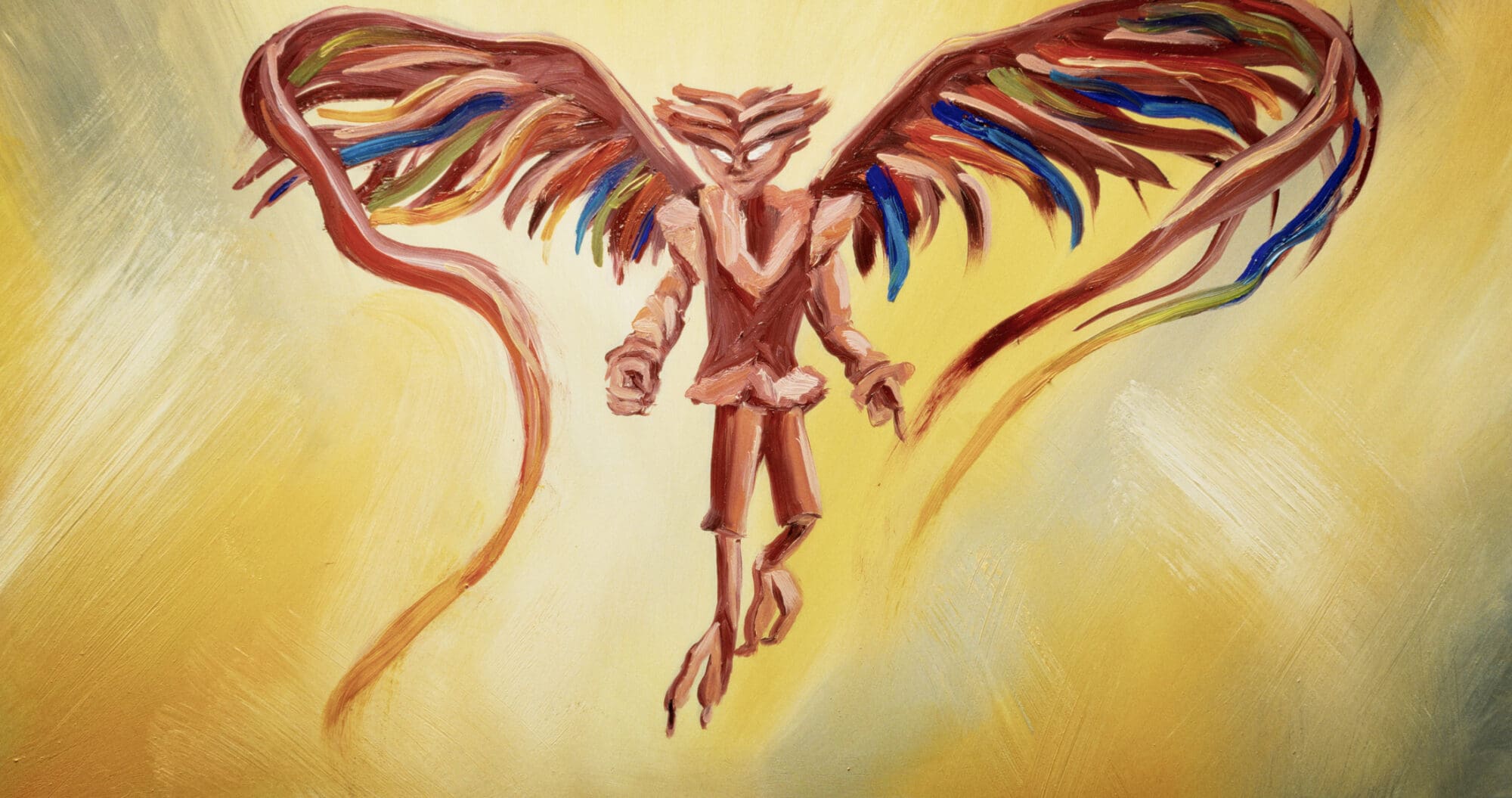
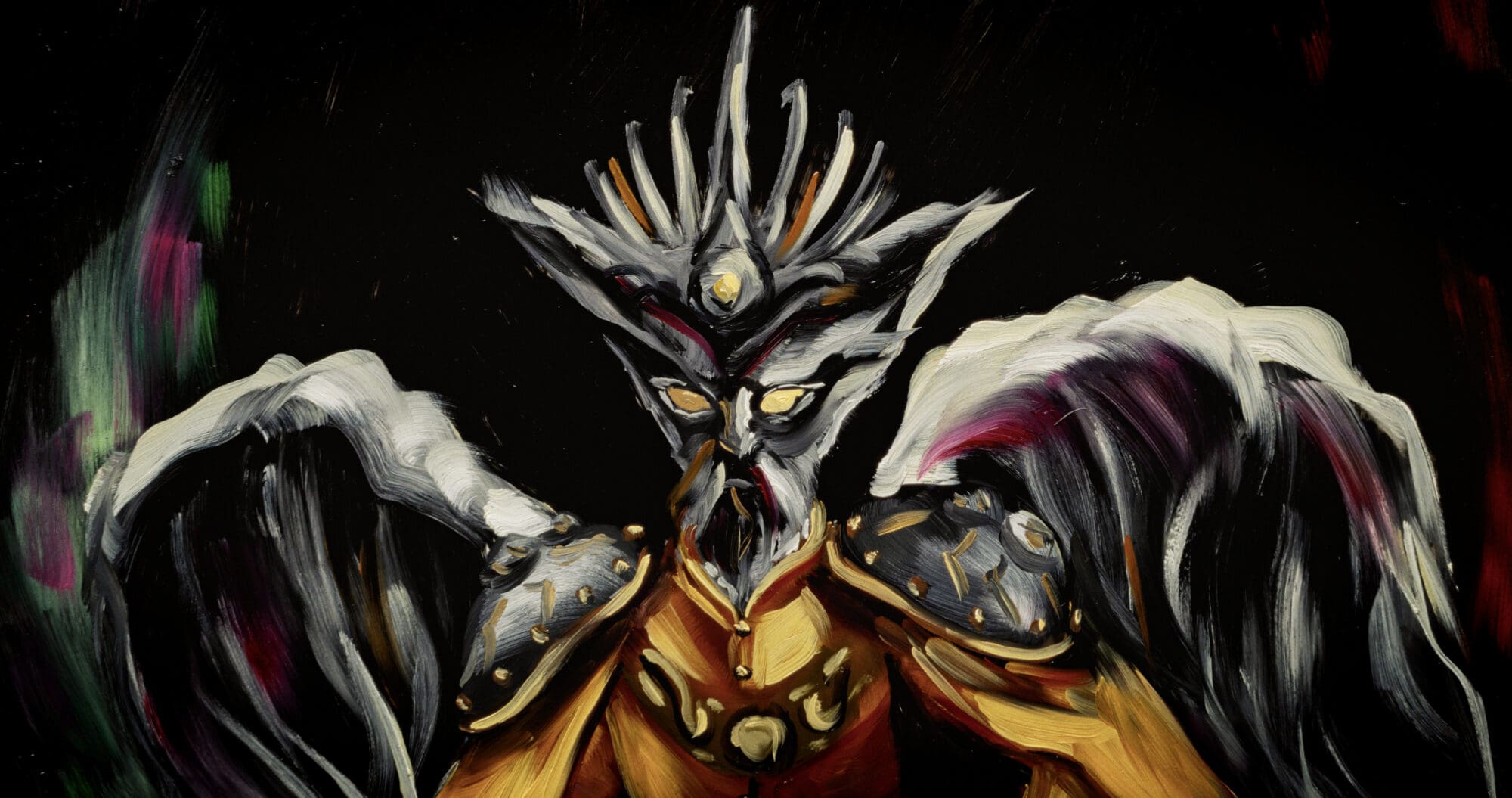
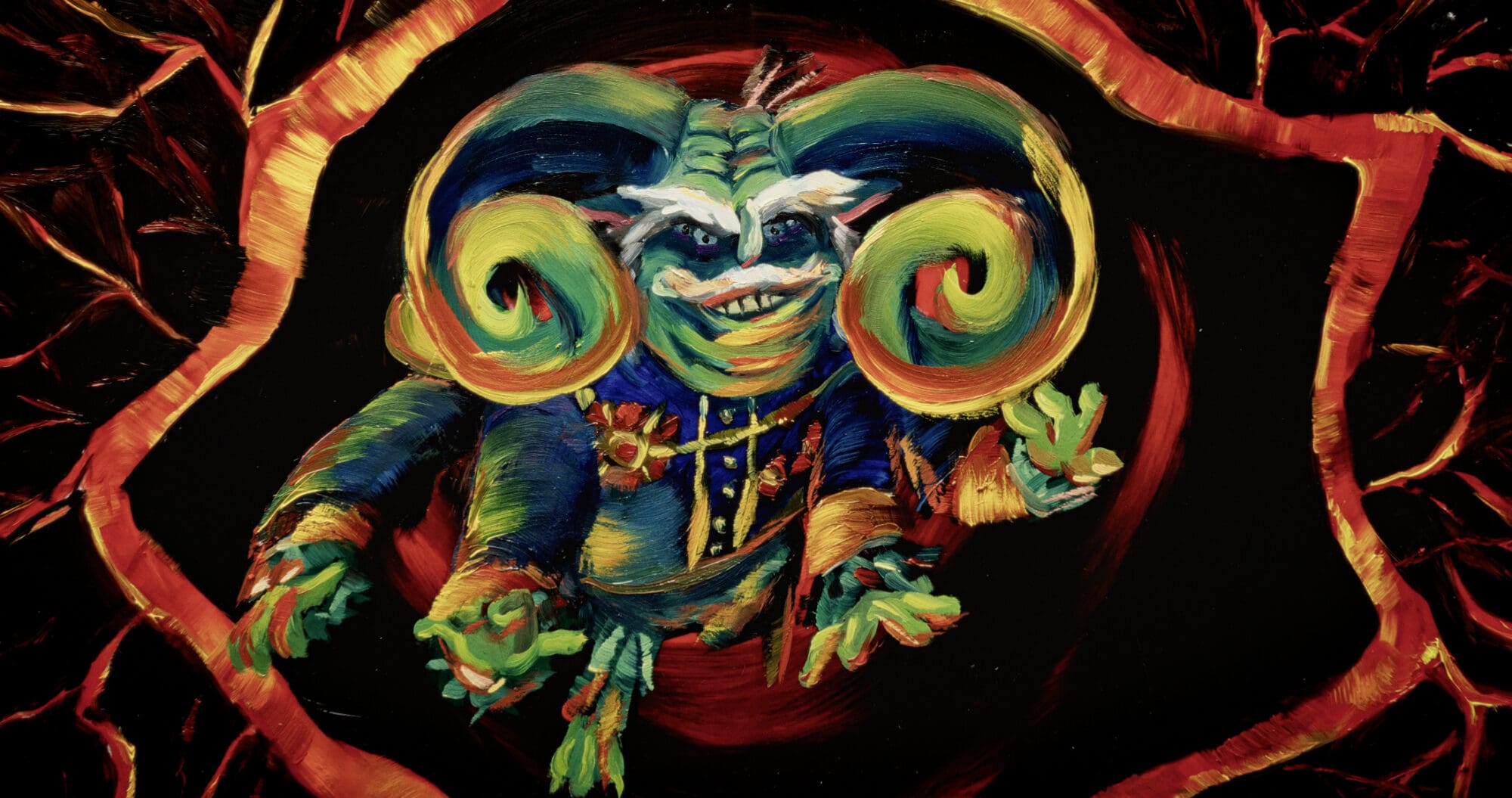
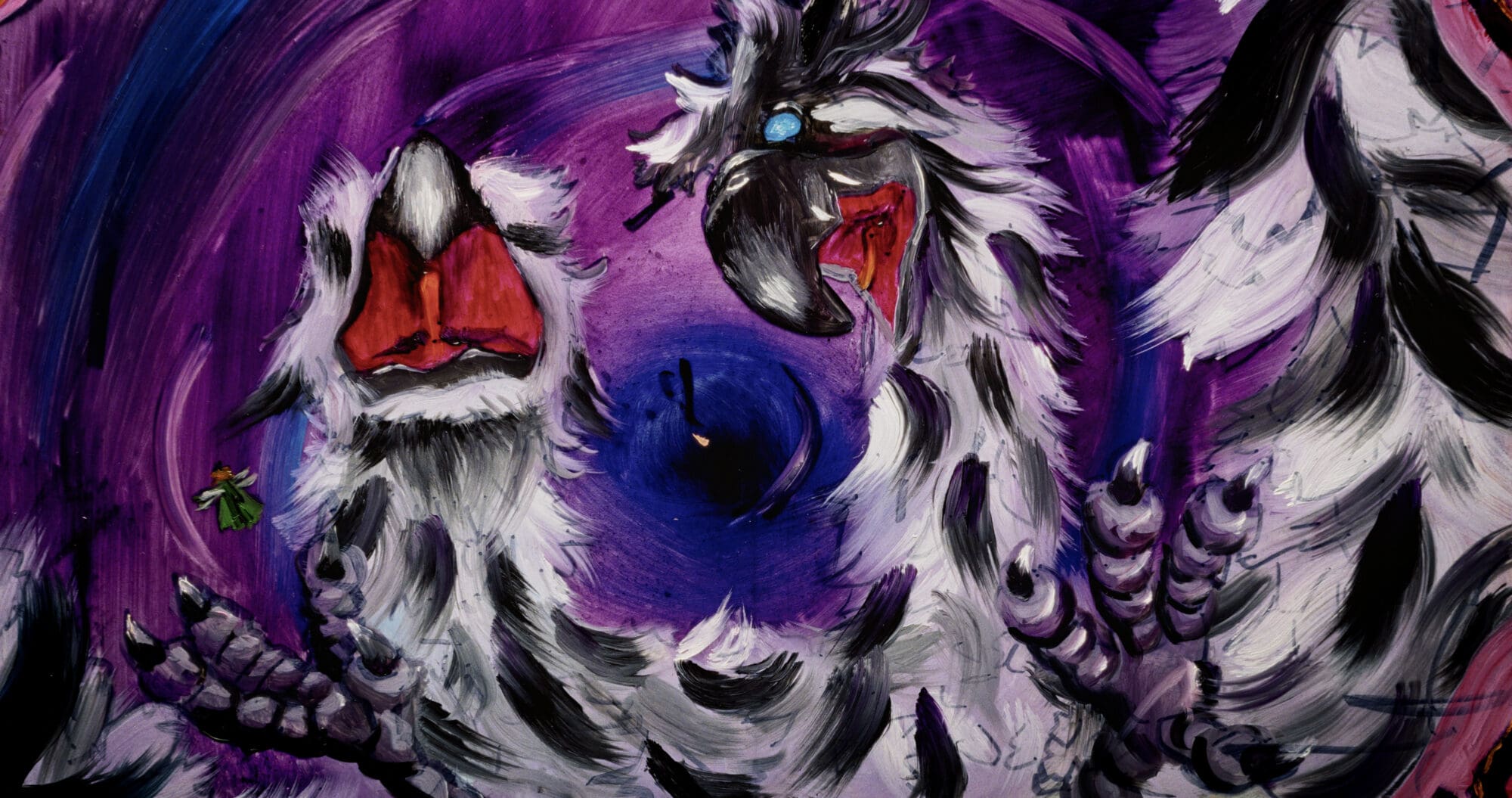
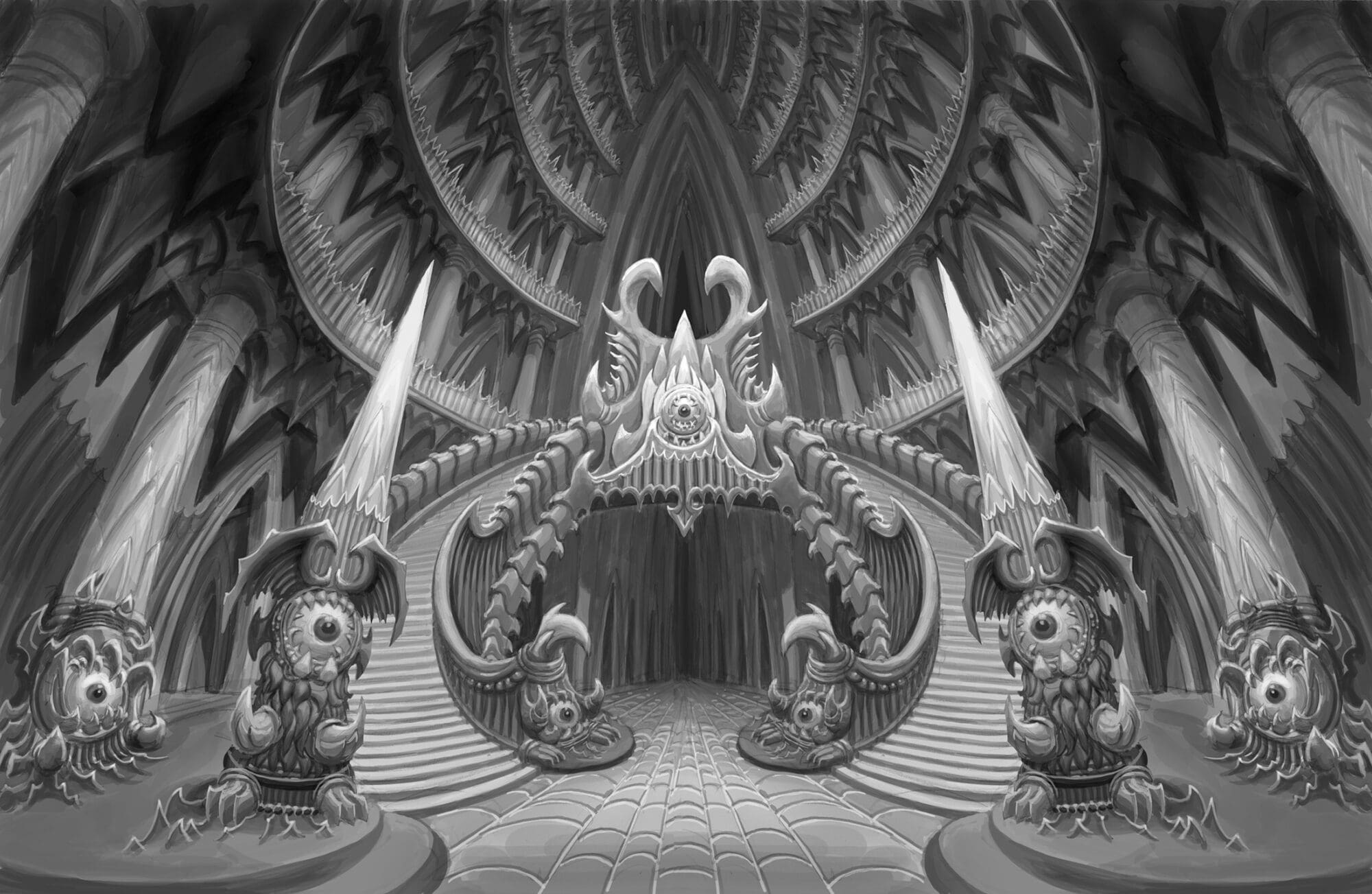
"The process is more important than the end result," Arturo asserts. "It’s never about the end result." This philosophy is reflected in the film’s most ambitious sequence: the song, "The Prince of the Reign of Terrors." To capture the visual grandeur of the scene, the studio created over 200 individual oil paintings. The brothers admit that this experimental sequence was the primary reason they felt compelled to make the film in the first place.
This dedication to the "long-form" craft has resonated deeply with their audience. The response in Mexico has been overwhelming, with fans producing a constant stream of piñatas, cakes, musical covers, and fan fiction. For the brothers, this engagement is the ultimate validation.
Future Outlook: Navigating Industry Flux
The global animation industry is currently experiencing a period of significant contraction, with many studios downsizing or canceling projects. However, the Ambriz brothers remain optimistic, viewing the instability as a familiar terrain.
"There has never been a clear path [in Mexico]," Roy says. "Now that the industry is shaking, it feels like home for us."
As they look toward their next project, a feature titled Battle of the Phoenix, the brothers are undeterred by the uncertainty of the market. They have already proven that their model—one rooted in extreme dedication, community mentorship, and a refusal to wait for permission—can yield a $50 million success story.
Whether I Am Frankelda remains a standalone miracle or serves as the catalyst for a new Mexican animation golden age remains to be seen. But one thing is certain: with the backing of a global platform like Netflix and the continued support of visionaries like del Toro, the Ambriz brothers have ensured that the world is finally paying attention to the wonders being crafted in Mexico City. As for the brothers, they are simply happy to be in the studio, bringing the impossible to life, one frame at a time.

 Sagoh
Sagoh
 Lina Irawan