

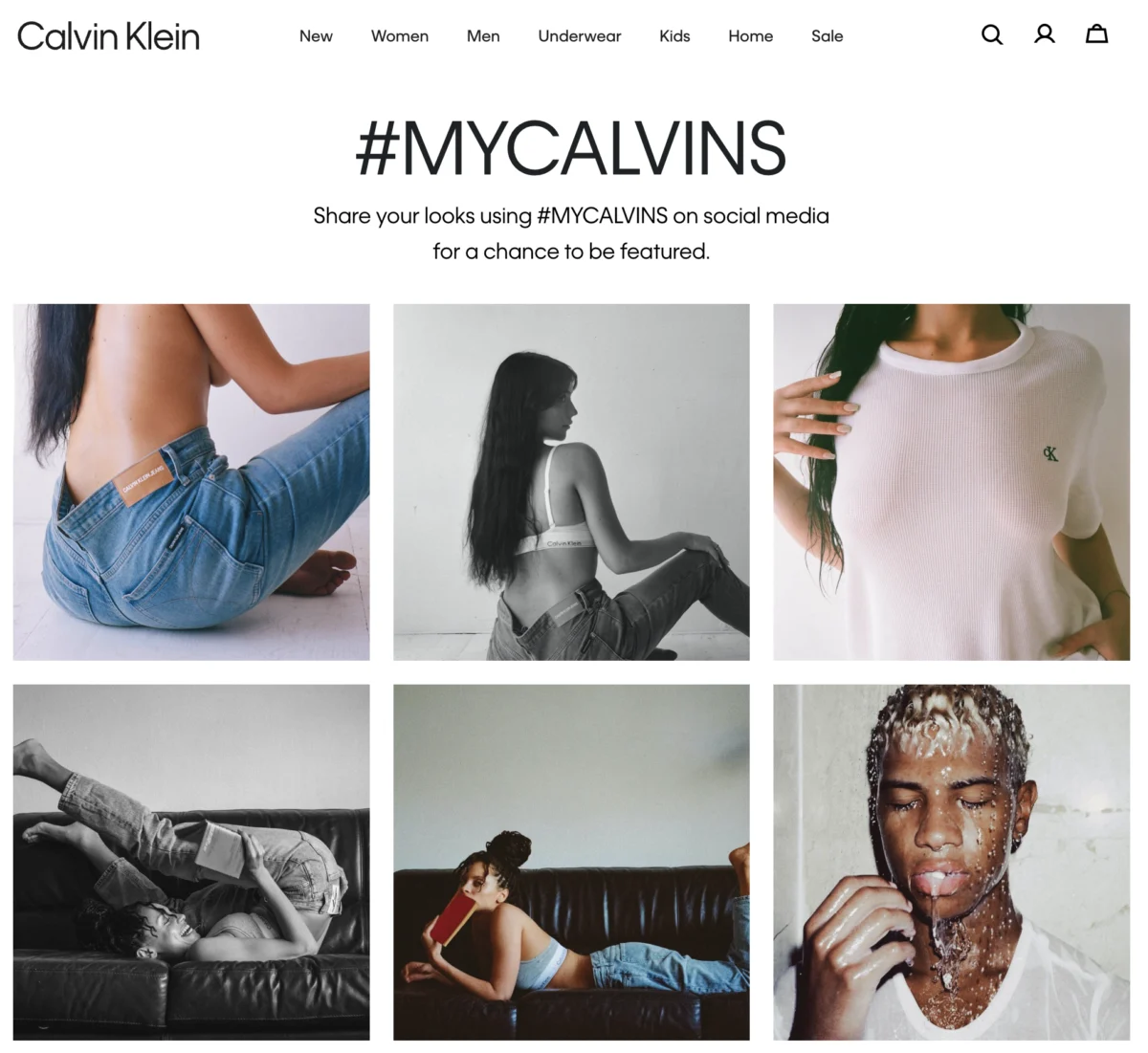
In the digital age, the traditional "megaphone" approach to advertising—where brands shout their value propositions at a passive audience—is rapidly losing its efficacy. As consumers become increasingly skeptical of highly produced, corporate-led messaging, a more potent, authentic force has taken center stage: User-Generated Content (UGC).

UGC refers to any form of content—be it text, videos, images, reviews, or podcasts—that is created by individual consumers rather than the brand itself. It is, effectively, the modern-day evolution of word-of-mouth marketing, amplified by the global reach of the internet. For businesses struggling to cut through the noise of a saturated digital marketplace, UGC is not just a content strategy; it is an essential trust-building mechanism.

The Anatomy of UGC: Defining the Landscape
User-generated content exists on a spectrum, generally categorized into two distinct buckets: organic and paid.

Organic UGC: The Holy Grail of Authenticity
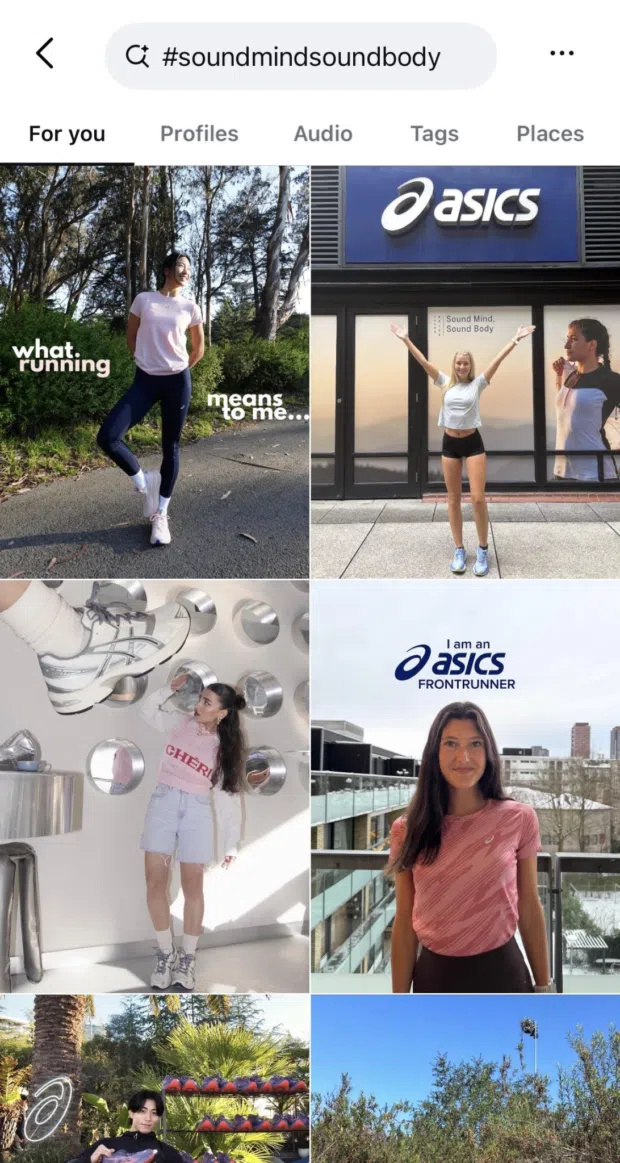
Organic UGC is the purest form of brand advocacy. It is content created by customers who are so passionate about a product or service that they choose to share their experience without being prompted, compensated, or coerced. Because this content is voluntary, it carries an inherent air of credibility. When a customer posts a photo of their new sneakers on Instagram or leaves a glowing, unsolicited review on a third-party site, they are providing the brand with a powerful endorsement that money cannot buy.

Paid UGC: Strategic Amplification
Paid UGC is a deliberate strategy wherein brands collaborate with specific creators to produce content that looks like organic customer experiences. Unlike influencer marketing—where the primary value is the influencer’s audience—UGC creators are hired primarily for their ability to craft high-quality, relatable, and authentic-looking assets that a brand can then repurpose across its own channels. This allows smaller brands or those without a robust community to "jump-start" their UGC library while building their own organic following.
The Chronology of Trust: Why UGC Won the Digital War
The rise of UGC is not an accident; it is a direct response to the "trust deficit" created by decades of intrusive advertising.
- The Early 2000s: The internet was primarily a place for static information. Brands controlled the narrative, and customer feedback was relegated to obscure forums.
- The Social Media Revolution (2010s): Platforms like Instagram, YouTube, and later TikTok gave every consumer a global stage. The power dynamic shifted; consumers began using these platforms to showcase their lifestyles, which naturally included the products they used.
- The "Authenticity" Shift (2020s–Present): With the proliferation of AI-generated content and hyper-polished advertisements, audiences have developed a heightened sense of discernment. Today’s consumers prioritize peer reviews over brand promises. Studies consistently show that shoppers are more likely to be swayed by a stranger’s TikTok unboxing video than by a high-budget commercial.
Supporting Data: The ROI of Real Voices
The business case for UGC is supported by overwhelming data. According to industry research, nearly half (47%) of shoppers identify user reviews on retailer websites as the single most influential factor when researching products online. In stark contrast, brand-generated social content influences only 11% of shoppers, and traditional influencer posts sit at approximately 10%.

Furthermore, social proof is a quantifiable driver of revenue. Products that secure even a small number of reviews (as few as five) are 270% more likely to be purchased than those with zero reviews. This phenomenon, known as the "social proof multiplier," suggests that even modest amounts of user-generated feedback can significantly reduce the friction inherent in online purchasing, where customers cannot touch or test the product in person.
Industry Case Studies: Leaders in UGC Strategy
Several major brands have successfully institutionalized UGC to drive business growth:

- GoPro: Perhaps the gold standard, GoPro has effectively offloaded its content production to its user base. By hosting daily photo challenges and an annual awards show, the company sources world-class, high-octane footage from its customers. Their top three most popular YouTube videos—all filmed by users—have accumulated over 429 million views, representing a massive library of high-value assets produced at zero production cost.
- Lululemon: Through the hashtag #thesweatlife, the brand turned its customers into a global community of ambassadors. This strategy allowed the company to showcase its apparel in real-world scenarios, fostering a sense of aspiration and belonging among its customer base.
- Edloe Finch: This furniture retailer solved the "risk" of online shopping by integrating customer-submitted photos directly onto their product pages. By showing how a couch looks in a real, lived-in living room rather than a sterile studio, they provided the necessary visual validation to convert browsers into buyers.
- Well Traveled: In the luxury travel space, this brand uses member-generated content to prove the quality of its exclusive properties. Their leadership notes that "no one tells our story better than our members," highlighting the retention power of community-focused marketing.
Implications for Future Strategy: Best Practices
For brands looking to integrate UGC into their marketing mix, success requires a shift in mindset from "creator" to "curator."

1. Consent is Non-Negotiable
The most common pitfall in UGC strategy is the unauthorized use of customer content. Always obtain explicit permission before resharing a user’s image or video. This not only protects the brand from copyright litigation but also builds goodwill with the creator. When a brand asks, "Can we share this?", it makes the customer feel valued, often turning a one-time purchaser into a long-term brand advocate.

2. Credit the Creator
Attribution is the currency of the social web. Always tag the original creator. This demonstrates to your audience that you are highlighting real experiences, and it signals to other potential creators that your brand is a respectful partner.

3. Provide Clear Guidance
UGC doesn’t have to be random. Brands should provide clear instructions on the types of content they are looking for. Whether it is a specific branded hashtag or a prompt for a contest, giving users a creative direction helps them produce content that aligns with the brand’s broader marketing goals.

4. Align with Business Objectives
Every piece of UGC should serve a purpose. Is your goal to educate customers on how to use a complex product? Is it to build brand awareness through viral challenges? Or is it to drive conversions on a specific product page? By mapping UGC initiatives to specific KPIs, marketing teams can prove the ROI of their efforts to stakeholders.

Conclusion: The Humanization of Business
In an era where technology is becoming increasingly automated, UGC offers a humanizing counter-balance. It reminds brands that their business is not just about transactions—it is about the people who use their products to solve problems, enhance their lives, and express their identities.

By embracing user-generated content, brands gain more than just free assets; they gain an authentic, defensible connection with their audience. As the digital landscape continues to evolve, the brands that win will be those that realize the most powerful marketing department they have isn’t in their headquarters—it’s in the hands of their customers.











No comments yet. Be the first to join the conversation!