Iffa Jayyana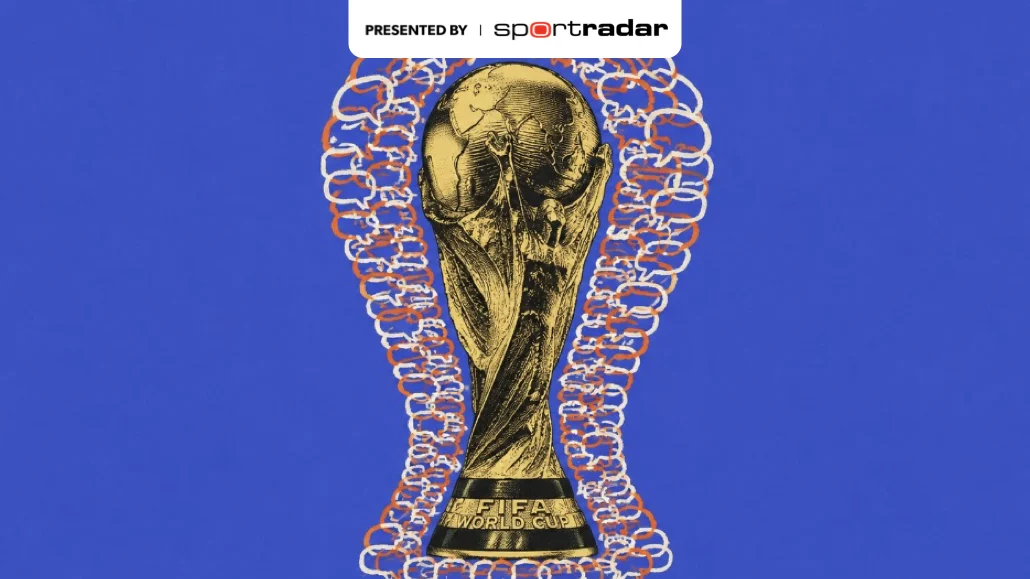
For decades, the world of professional sports marketing was a walled garden. It was a space reserved for "Blue Chip" titans—the Visas, the Toyotas, and the Microsofts of the world—who possessed the bottomless marketing coffers required to plaster their logos across stadiums and primetime broadcasts. For smaller, challenger brands, the barrier to entry was not just high; it was insurmountable.
However, a seismic shift is currently rippling through the sports sponsorship landscape. As media fragmentation accelerates and traditional advertising costs skyrocket, a new breed of marketer is bypassing the expensive "official partner" tier of legacy leagues. Instead, they are opting for agile, high-impact, and often irreverent strategies that allow them to punch well above their weight class. At the vanguard of this movement is DUDE Wipes, a brand that has effectively turned "being on the butt" into a multi-million dollar business strategy.
The "Official Backside" Revolution: Main Facts
The shift was perhaps best crystallized this past May when DUDE Wipes secured a unique partnership with the Premier Lacrosse League (PLL). The deal dubbed the brand the "official backside partner" of the league. While a standard sponsor might fight for real estate on the chest, sleeve, or upper back of a jersey, DUDE Wipes leaned into its product identity by securing the lower backside of every PLL jersey.
This isn’t merely a gag; it is a calculated marketing maneuver. By leaning into the humor and utility of their product, the brand has managed to secure high-visibility placement that a traditional, "brand-safe" corporate entity might avoid. Ryan Meegan, co-founder and CMO at DUDE Wipes, argues that this approach allows the company to own its space in a way that traditional, conservative advertising cannot. "There’s so much on the table to take advantage of," Meegan noted. "We could do a deal with the Cleveland Browns or the University of Auburn and just show up within their walls, but that’s not our goal. The goal is to be seen and take up space."
A Chronology of Disruption: From UFC to the PLL
The rise of DUDE Wipes is a case study in repeatable, scalable marketing. The brand’s strategy did not emerge overnight; it is the culmination of a decade-long evolution in unconventional sports partnerships.
- 2014: The brand makes its first foray into sports, sponsoring rising UFC star Tyron Woodley. The branding was placed directly on the back of Woodley’s fight trunks—a precursor to the PLL "backside" strategy. At the time, the company was in its infancy, reporting approximately $150,000 in annual sales.
- 2023: DUDE Wipes solidifies its presence in mainstream sports by becoming the official sponsor of the Philadelphia Eagles’ "Tush Push"—a clever, on-brand activation that included social content and product sampling during one of the most talked-about plays in the NFL.
- 2024: The brand expands its footprint with the PLL, moving beyond simple logo placement to include youth program apparel, on-site sampling, digital content creation, and an influencer program that embeds content creators directly into the fan experience at games.
- Present Day: The brand now generates "multi-nine figures" in annual sales. According to Meegan, the company expects more than 10% of U.S. households to be active users of their products, proving that the irreverent, grassroots-first approach is a viable path to mass-market dominance.
Shifting the Strategy in a Crowded Arena
The traditional sports marketing model is under siege. As the media landscape becomes increasingly fragmented, sports remain one of the few "monocultural" holdouts—events that still bring millions of people to their screens simultaneously. Consequently, the demand for this attention has driven costs to unsustainable heights.
According to WARC Media’s latest global advertising trends study, the FIFA World Cup is predicted to drive a staggering $10.5 billion surge in global ad spend. For many legacy brands, these costs have become a hurdle too high to clear. This inflation has led to a major reshuffling of the hierarchy; most notably, Visa ended its three-decade-long run as an NFL sponsor, citing the soaring costs of sports rights. Instead, Visa is shifting its strategy to favor more targeted partnerships with individual players, specific teams, and content creators—an approach that mirrors the agility of challenger brands.
"If you’re trying to compete with a Nike at the World Cup, it’s just not going to happen," explains Gregor Johnstone, creative director at Bulletproof, an independent design consultancy. Johnstone suggests that the era of "throwing money at the wall" to buy awareness is waning, replaced by a need for cultural relevance and strategic, high-value placement.
Supporting Data: The Rise of Niche Sports
As legacy sports become prohibitively expensive, brands are pivoting toward "emerging" or "niche" sports. These leagues offer a more direct, dedicated, and often younger audience that is more receptive to authentic brand integration.
Charlie Wade, global chief client officer at VML Live—the agency arm responsible for sports marketing and experiential events—points out that pickleball, flag football, and Formula 1 are becoming the new frontiers for marketing investment. These sports are not yet saturated with legacy corporate clutter, allowing brands to act as partners in growth rather than just sponsors.
A standout example is Ally Bank’s aggressive push into women’s sports. By partnering with the Professional Women’s Hockey League (PWHL) and Scripps Sports to facilitate the first-ever national broadcast of a women’s hockey game, Ally has achieved a level of cultural equity that a traditional "commercial spot" could never buy. "When you’re working with a rights holder, if the rights holder has as much need to grow their game or their brand as they do their revenue, then their ability or willingness to partner with you goes up significantly," Wade notes.
Official Responses and Strategic Philosophy
The success of brands like DUDE Wipes and Ally Bank suggests a shift in the definition of "brand safety." Where legacy brands once prioritized pristine, controversy-free environments, challenger brands are finding that "brand-adjacent" humor—or even irreverence—can foster deeper consumer loyalty.
Ryan Meegan maintains that as his company’s budget has grown, the strategy has not shifted to "buying more of the same," but rather "amplifying across more properties." Even while executing high-level deals with the PLL, DUDE Wipes continues to show up in unexpected, grassroots ways, such as handing out samples outside Madison Square Garden during New York Knicks games. This hybrid approach—balancing high-visibility league partnerships with street-level activations—is key to their sustained growth.
Implications: The New Marketing Playbook
The implications of this shift are profound for the sports marketing industry:
- Rights holders must become partners: Leagues that offer creative, flexible, and value-added opportunities will win over sponsors. Simply selling a "logo on a scoreboard" is no longer enough to satisfy a modern marketing budget.
- Cultural relevance trumps total reach: Brands are realizing that a highly engaged, niche audience is often more valuable than a massive, passive one. The "tush push" sponsorship of the Philadelphia Eagles is a prime example of a brand identifying a cultural moment and inserting itself into the conversation.
- Inflation is the mother of creativity: As rights costs rise, the "big budget" dominance of legacy brands will continue to erode. This creates a vacuum that agile, creative challenger brands are perfectly positioned to fill.
- Authenticity is a currency: Consumers—particularly younger generations—are increasingly allergic to traditional, sterile corporate advertising. When a brand like DUDE Wipes embraces its identity, even when it’s "butt-related," it signals an authenticity that resonates far more deeply than a generic television commercial.
In conclusion, the era of the "big budget" sports monopoly is evolving. While the titans of industry will always have a seat at the table, the field is becoming increasingly accessible to brands willing to take risks, embrace their own quirks, and treat the sports fan not as a demographic target, but as a community member. The lesson for marketers is clear: if you can’t outspend the competition, you must out-think them. And sometimes, that means being the brand that isn’t afraid to be the butt of the joke—or the butt of the jersey.

 Nana
Nana
 Jia Lissa