Rifan Muazin
The landscape of speculative fiction and fandom is undergoing a period of profound transition. As we move through the summer of 2026, the community finds itself grappling with the loss of legendary voices, the evolution of historical narratives, and a notable period of uncertainty for one of television’s most beloved institutions. From the glitz of upcoming Worldcon programming to the quiet, scholarly examination of the history of technology and consciousness, this report synthesizes the latest developments shaping the global speculative fiction discourse.
I. Main Facts: A Convergence of Community and Craft
The centerpiece of the current news cycle is the upcoming LAcon V, where the African Speculative Fiction Society (ASFS) is set to take center stage. By partnering with the convention, the ASFS aims to elevate the global profile of African speculative fiction through a series of panels and live announcements.
Simultaneously, the industry is reflecting on the passing of two titans: Jane Yolen, whose prolific output defined generations of fantasy literature, and Ronnie Schell, a character actor who brought a distinct comedic touch to science fiction television. Meanwhile, the academic and critical worlds are actively dissecting the nature of "the algorithm," the historical nuances of tie-in literature, and the philosophical implications of alien consciousness.
II. Chronology of Developments
- Early 20th Century: The rise of movie tie-in novels, exemplified by The Adventures of Kathlyn, creates a cross-media marketing synergy between newspapers and cinema.
- 1930s-1950s: The emergence of figures like Margaret Kerry, who would later serve as the live-action model for Tinker Bell, and the early works of Irwin Allen.
- 1960s-1970s: The golden era of Irwin Allen’s television ventures, including Voyage to the Bottom of the Sea and Lost in Space.
- May 2026: Pope Leo XIV releases an encyclical addressing the ethical implications of artificial intelligence and the role of the "algorithm."
- June 2026: A series of major announcements regarding the Doctor Who hiatus, the death of Ronnie Schell, and the awarding of the Walter Scott Prize for Historical Fiction.
- August 2026: The scheduled release of the full virtual program for LAcon V.
III. Supporting Data: Highlights from the Industry
The ASFS and the Nommo Awards
The African Speculative Fiction Society (ASFS) has confirmed its partnership for LAcon V, promising to shine a spotlight on African writers across the continent and the diaspora. The live announcement of the Nommo Awards shortlist represents a key moment for the society, as it intends to host discussions not only on the current state of the genre but also on the evolution of African SF’s global footprint.
Literary Recognition: The Walter Scott Prize
Alice Jolly’s The Matchbox Girl has been awarded the 2026 Walter Scott Prize for Historical Fiction. The novel, which explores the life of a mute autistic patient under Dr. Hans Asperger in 1930s Vienna, was praised by judges for its "honesty, power, and storytelling dexterity." The win highlights an industry trend toward rigorous, research-based historical fiction that challenges contemporary understandings of complex medical and social histories.
Podcast Culture: Eating the Fantastic
In Episode 284 of his Hugo-nominated podcast, Eating the Fantastic, Scott Edelman sat down with John Coxon and Alison Scott of Octothorpe. The conversation, recorded over peri-peri chicken at a Nando’s in Birmingham, serves as a masterclass in the evolution of fan-based media. The discussion covered the sustainability of podcasting, the importance of "letters of comment" (LOCs) in modern fandom, and the strategic decisions involved in keeping a niche show alive in a saturated market.
IV. Official Responses and Critical Analysis
The "Wilderness Years 2.0": The Doctor Who Hiatus
The New York Times and various cultural commentators have addressed the indefinite hiatus of Doctor Who. With the production company Bad Wolf and showrunner Russell T. Davies departing the franchise, fans have begun referring to this era as "The Wilderness Years 2.0."
Charlie Jane Anders, writing for Happy Dancing, has suggested that this period of instability offers a unique opportunity for reinvention. Anders argues that the show needs to move away from companions who serve as "MacGuffins" and return to characters who possess deep, internal motivations—citing the revenge-driven archetype of Inigo Montoya as a template for a more compelling narrative arc.

Philosophical Inquiry: Substrate Flexibility
In a recent paper published via Phys.org, philosophers Eric Schwitzgebel and Jeremy Pober have challenged the "carbon-chauvinist" view of consciousness. By invoking the rock-like, five-limbed alien from the film Project Hail Mary, they argue that consciousness is likely not unique to Earthlings. This scholarly work pushes the boundaries of science fiction theory, suggesting that our definition of "life" must be expanded to accommodate potential non-biological sentience.
V. Implications: The State of the Genre
The Ethics of Language and Technology
The etymological journey of the word "algorithm"—from the 9th-century Persian mathematician al-Khwarizmi to its current status as a term laden with societal dread—is a testament to how quickly technology outpaces our cultural frameworks. With the Vatican’s recent focus on the dangers of AI and the general public’s anxiety regarding "echo chambers," the discourse surrounding algorithms has become a central pillar of contemporary intellectual life.
The Preservation of Physical Fandom
The plea for support regarding The Soapbox, a community print shop and zine library in Philadelphia, highlights a recurring tension in the modern era: the push toward digitalization versus the need for physical, community-centric spaces. Zine culture remains a vital, tactile component of the speculative fiction community, providing a platform for voices that are often ignored by larger publishing houses. The financial struggle of The Soapbox serves as a microcosm for the precarious nature of independent, community-driven arts in 2026.
Mourning and Memory
The recent passings of Jane Yolen, Ronnie Schell, and Margaret Kerry have forced a collective reckoning with the history of the genre.

- Jane Yolen remains a benchmark for productivity and poetic prose, with colleagues like Michael Swanwick noting her unparalleled commitment to the "craft" of writing, even in children’s literature.
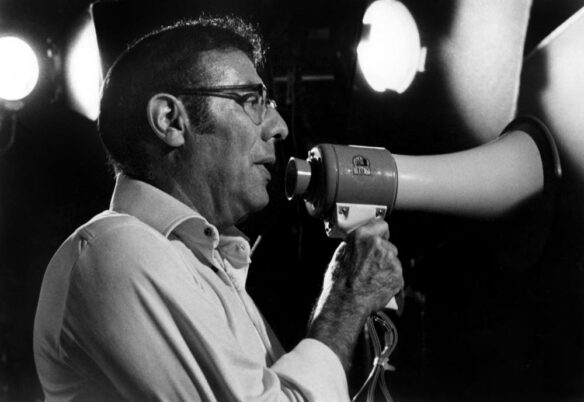
- Ronnie Schell represented the bridge between mid-century sitcoms and the emerging genre-television boom, having left an indelible mark on shows like Mork & Mindy and Phil of the Future.
- Margaret Kerry’s legacy—not only as the model for Tinker Bell but as a pioneer in early voice-acting technologies like the Syncro-Vox system—reminds us that the "magic" of early cinema was often the result of rigorous, unglamorous physical work.
Conclusion
As we look toward the later months of 2026, the speculative fiction community remains in a state of high activity. The excitement surrounding the Nommo Awards and LAcon V provides a necessary momentum, even as fans and creators navigate the uncertainties of the "Wilderness Years 2.0" for Doctor Who and the ongoing loss of the icons who built the genre.
The common thread linking these disparate events is a commitment to the "how" and "why" of the stories we tell. Whether it is a philosopher questioning the biology of consciousness, an author dissecting the moral failures of historical figures, or a podcaster exploring the culture of British Nando’s, the community continues to demonstrate a robust desire to understand its own foundations. The next few months, culminating in the release of the LAcon V schedule in August, will likely prove to be a defining period for how we curate, critique, and preserve the future of the fantastic.

 Raul Delapena Setiawan
 Nila Kartika Wati