Nana
Nana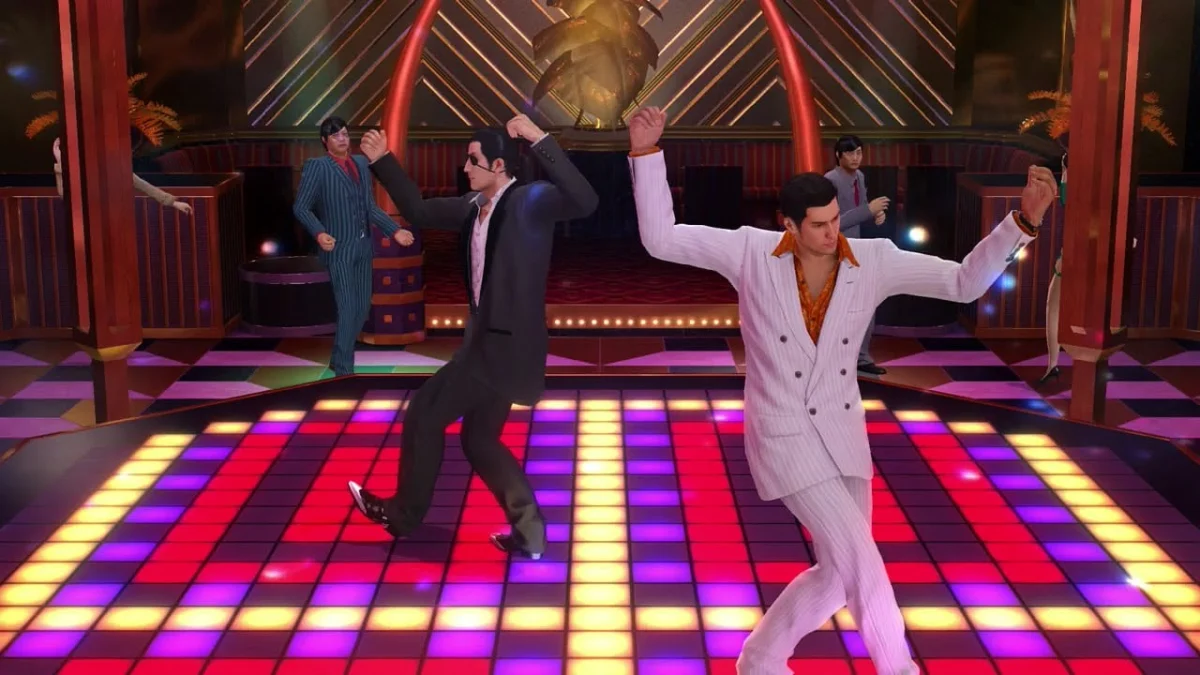
The world of Kamurocho is defined as much by its rain-slicked streets and brutal brawls as it is by its iconic auditory landscape. For years, fans of the long-running Yakuza (now Like a Dragon) series have relied on fragmented YouTube uploads and obscure fan-compiled playlists to relive the adrenaline-pumping boss themes and melancholic piano melodies that underscore Kazuma Kiryu’s journey. That era of uncertainty has finally ended.
In a significant move for video game music preservation and accessibility, the Sega Sound Team has officially released an extensive collection of Yakuza soundtracks on Spotify. This development allows listeners to stream the scores of nearly every major entry in the franchise, from the gritty beginnings of the series to its more experimental spin-offs, providing a high-fidelity experience for fans across the globe.
The Main Facts: A Digital Archive for the Dragon of Dojima
As of the latest update, 14 distinct albums have been uploaded to the Sega Sound Team’s official Spotify artist page. This release covers a massive breadth of the franchise’s history, encompassing iconic titles such as Yakuza 0, Yakuza Kiwami, and the original numbered sequels, alongside the more niche, Japan-exclusive titles like Yakuza Ishin and Yakuza Kenzan.
The collection is available to all users, including those on Spotify’s free ad-supported tier. While the track titles and album metadata are primarily displayed in Japanese, the universal language of the Yakuza sound—ranging from J-Rock anthems to smooth jazz club background tracks—remains perfectly intact. For fans residing in the United States and the United Kingdom, these albums are now readily available in the platform’s search index under the "Sega Sound Team" profile, though direct links have been provided by the community to ensure ease of navigation for those who might find the search algorithm slightly inconsistent during the initial rollout.
A Chronological Journey Through Kamurocho
The Yakuza franchise is a sprawling epic that spans decades of internal Japanese history, both in its modern-day setting and its historical spin-offs. By making these soundtracks available in their entirety, Sega is allowing players to experience the chronological evolution of the series’ musical identity.
The Modern Saga (Yakuza 0 through 5)
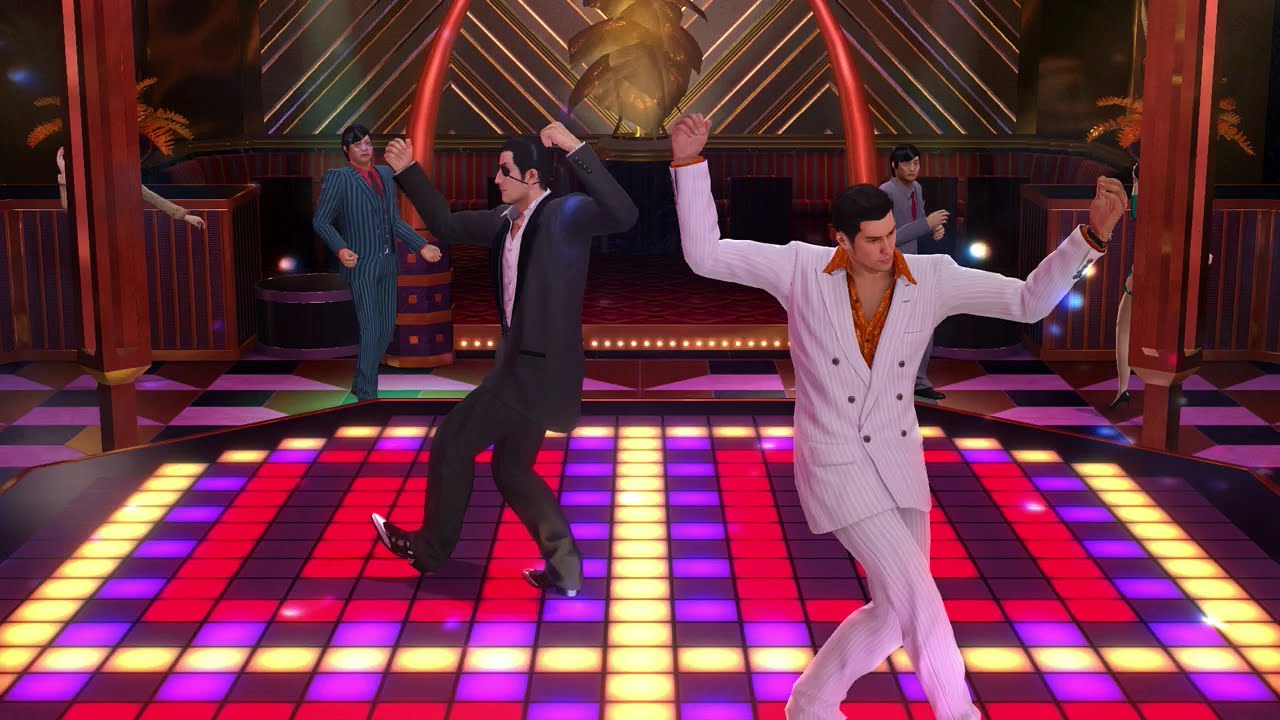
The inclusion of Yakuza 0 is perhaps the most celebrated addition. With its bubble-era 1980s aesthetic, the soundtrack is a masterclass in synth-pop, disco-inspired tracks, and high-octane rock. It stands in stark contrast to the heavier, more orchestral, and blues-influenced scores found in Yakuza 3, 4, and 5. Listening to these albums in sequence reveals the maturation of the Sega Sound Team’s composition style, moving from the localized "street" sound of the early 2000s to the cinematic, sprawling scores that characterize the later entries.
The Historical Spin-offs: Ishin and Kenzan
Perhaps the most intriguing additions for Western audiences are the soundtracks for Yakuza Kenzan and Yakuza Ishin. Because these two titles never received a traditional Western localization during their initial lifespans, many fans outside of Japan have only ever heard these tracks through incidental gameplay clips.
- Yakuza Kenzan: Set in the Edo period, this score blends traditional Japanese instrumentation—such as the shamisen and shakuhachi flute—with the driving rock elements that define the series.
- Yakuza Ishin: Serving as a dramatic retelling of the Bakumatsu era, this soundtrack carries a sense of grand historical weight, utilizing strings and percussion to mirror the political tension of the Shinsengumi’s rise.
Supporting Data: Understanding the Scale of the Release
To understand the sheer volume of content now available, one must look at the density of these albums. The Yakuza series is famous for its high track counts, often exceeding 50 to 100 tracks per game due to the abundance of ambient music, substory themes, and character-specific motifs.
| Game Title | Status | Primary Musical Genre |
|---|---|---|
| Yakuza 0 | Released | 80s Synth/Rock/Funk |
| Yakuza Kiwami | Released | Hard Rock/Metal |
| Yakuza 3 | Released | Orchestral/Rock |
| Yakuza 4 | Released | Jazz/Fusion/Rock |
| Yakuza 5 | Released | Eclectic/High-Energy |
| Yakuza: Dead Souls | Released | Industrial/Horror |
| Yakuza Kenzan | Released | Traditional/Rock Hybrid |
| Yakuza Ishin | Released | Orchestral/Historical |
The release includes a staggering number of tracks, totaling well into the hundreds. For the average listener, this represents thousands of hours of gameplay distilled into a digestible, high-quality audio format.
Official Responses and Community Impact
The response from the gaming community was immediate. The initial tip-off, credited to prominent community tracker @Tracker_TD, served as the catalyst for widespread excitement. On platforms like Reddit and Twitter, fans have lauded Sega for finally bridging the gap between Japanese releases and global availability.
While Sega has not issued a formal press release explaining the strategic reasoning behind this drop, industry analysts suggest that this is part of a larger trend of video game companies recognizing the value of their intellectual property’s music. With the resurgence of the Like a Dragon brand in the West—fueled by the success of Yakuza: Like a Dragon and the Judgment series—Sega has clearly identified a desire for "lifestyle" consumption of their games’ audio. By placing these albums on Spotify, they are effectively turning the Yakuza soundscape into a consumable product that stays with the player long after they have put the controller down.
Implications: The Future of Game Music Preservation
The availability of these soundtracks has profound implications for the gaming industry and the preservation of digital culture.
Accessibility vs. Obsolescence
Historically, Japanese game music has been notoriously difficult to acquire outside of Japan. Often, soundtracks were limited to physical CD imports, which could cost upwards of $50 per set. By utilizing a global streaming platform like Spotify, Sega has democratized access to this art form. This removes the barrier of entry for fans who do not have the financial means to import physical media, while simultaneously fighting the prevalence of low-quality, unauthorized rips on YouTube.
The "Soundtrack as Marketing" Model
There is a strategic marketing element at play here as well. By making the music of the older titles available, Sega keeps the legacy games in the public consciousness. A user listening to the Yakuza 0 soundtrack might be prompted to revisit the game, or perhaps purchase a newer title in the franchise. The music acts as a persistent advertisement, keeping the "Dragon of Dojima" relevant in the daily lives of consumers.
The Standardization of Global Releases
This release sets a precedent for other publishers. It demonstrates that there is a viable, high-demand market for legacy game soundtracks in the West. We are likely to see more Japanese publishers follow suit, potentially leading to a "Golden Age" of official game music streaming. As cloud-based gaming and subscription services continue to dominate, the ability to stream a game’s score will become as essential as the ability to stream the game itself.
Final Thoughts: Why It Matters
The Yakuza series is more than just a sequence of violent encounters; it is a cultural touchstone that explores themes of brotherhood, honor, and the struggle for redemption. The music—from the haunting melodies of "Receive You" to the intense, fast-paced percussion of the boss themes—is the heartbeat of that narrative.
For the newcomer, these Spotify albums offer a gateway into a world of incredible composition. For the veteran, they offer a way to reconnect with memories of Kamurocho, whether it was the first time they played Yakuza 1 on the PlayStation 2 or their late-night sessions with Yakuza 5.
Sega’s decision to open the vault and share this music with the world is a gesture of goodwill toward its fan base. It acknowledges that the legacy of Kazuma Kiryu is defined by its music just as much as its gameplay. So, whether you are looking for the perfect soundtrack for a workout, a study session, or a trip down memory lane, the streets of Kamurocho are now open for business. Grab your headphones, hit play, and dance the night away with the Dragon of Dojima.


 Iffa Jayyana
 Sagoh
Sagoh