Muslim
For centuries, the soul of Japan has been carved from its forests. Unlike civilizations that gravitated toward stone or brick, the Japanese aesthetic and structural philosophy have remained anchored in wood. This is not merely a matter of historical convenience; it is a profound cultural identity that blends the fragility of nature with the ingenuity of craftsmanship. From the ancient, incense-scented halls of Nara to the cutting-edge, sustainable pavilions of the 2025 Osaka Expo, wood remains the heartbeat of Japanese life.
Main Facts: The Material of a Nation
Japan is a country defined by its timber. Approximately two-thirds of the nation’s landmass is cloaked in forest, providing a diverse bounty of coniferous and broadleaf species. The most prominent among these—Sugi (Japanese cedar) and Hinoki (Japanese cypress)—have dictated the evolution of Japanese architecture and daily utility.

The versatility of this material is unmatched. In the kitchen, it transcends the role of a simple vessel. Because wood is a natural insulator, it prevents the rapid transfer of heat, keeping soups warm while remaining comfortable to the touch. In architecture, wood serves as the skeleton of the nation, providing a structural flexibility that allows buildings to sway rather than crack during Japan’s frequent seismic activity.
A Chronological Journey: From Ancient Resilience to Modern Innovation
The history of Japanese wood is a timeline of technological mastery.
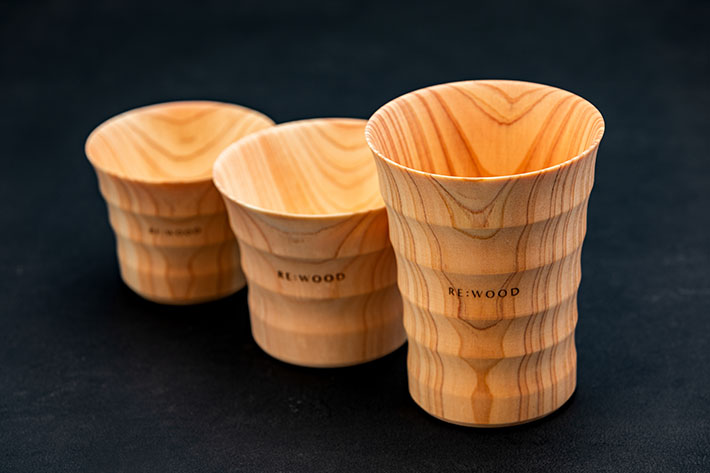
- 7th Century (The Era of Hōryū-ji): The construction of Hōryū-ji in Nara Prefecture remains the definitive benchmark for timber durability. Standing for over 1,300 years, it is the world’s oldest wooden building. Its survival is a testament to the properties of Hinoki, which naturally resists decay and insect infestation, essentially "curing" and hardening over the centuries.
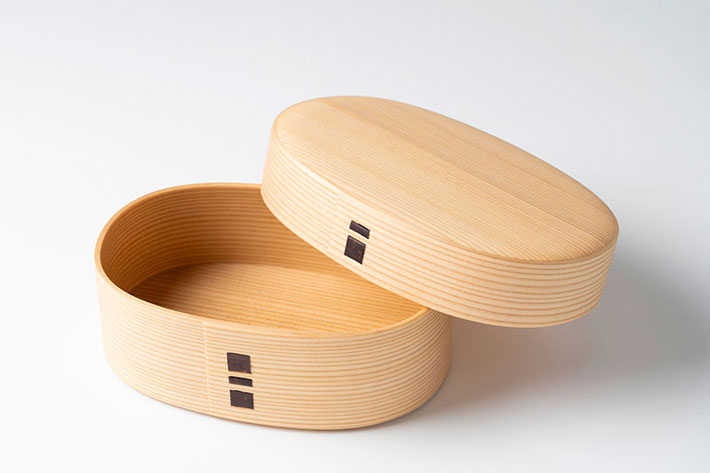
- The Edo Period (1603–1868): This era saw the perfection of magewappa—the art of bending thin, fresh wooden planks to create storage containers. By leveraging the natural pliability of Sugi, artisans created airtight, moisture-regulating lunchboxes that kept food fresh, a principle that remains highly prized today.
- 20th Century: Japan successfully industrialized its forestry, managing vast plantations of Karamatsu (Japanese larch) and Todomatsu (fir), ensuring a sustainable domestic supply chain that could support rapid post-war urban development.
- 2024 (The Global Milestone): In a historic shift for the timber industry, the American Lumber Standards Committee officially certified Japanese Hinoki for use in the "two-by-four" construction method. This recognition marks the transition of Japanese timber from a domestic specialty to a recognized global commodity.
Supporting Data: The Science of Sustainability
The modern appreciation for wood is not purely nostalgic; it is backed by empirical data regarding environmental impact and structural longevity.
The Power of S-Tech Treatment
One of the most significant advancements in recent years is the S-Tech (nitrogen heat treatment) process. By subjecting wood to temperatures exceeding 200°C (392°F) in a nitrogen-rich environment, manufacturers can decompose the hemicellulose that typically attracts rot and insects.
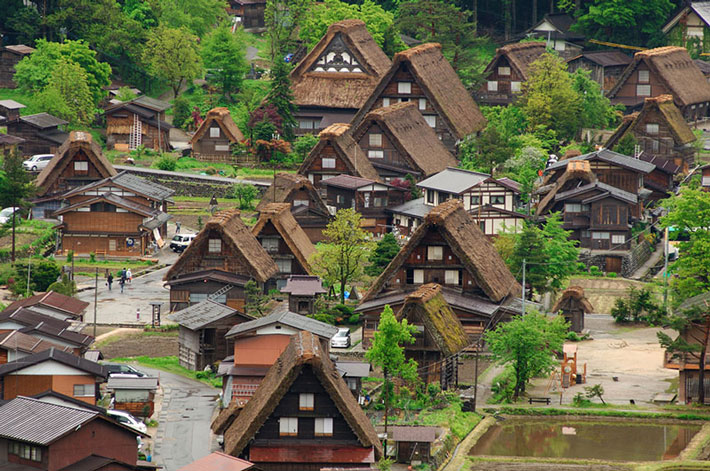
- Performance: Boardwalks treated with S-Tech have shown zero degradation after two decades of exposure to the elements.
- Environmental Impact: Because this process is chemical-free, it creates a non-toxic, sustainable alternative to pressure-treated lumber, aligning perfectly with global Sustainable Development Goals (SDGs).
Humidity Regulation
Sugi timber possesses a unique cellular structure that allows it to act as a natural hygrometer. It absorbs moisture when the air is humid and releases it when the air is dry. This "breathing" property is why traditional wooden Japanese homes maintain a comfortable climate throughout the year, even in the country’s notoriously humid summers.
Official Perspectives and Industry Standards
The Japan Wood Products Export Association (JWPEA) has been instrumental in bridging the gap between traditional craftsmanship and international standards. Their mission is to demonstrate that "old" does not mean "outdated."
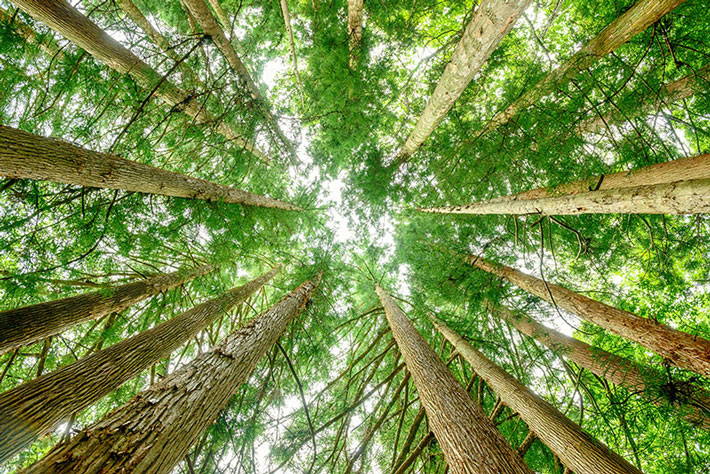
According to the association, the demand for "preservative and termite-proof plywood" is reaching an inflection point. By infusing structural-grade plywood with deep-seated preservatives, Japan is creating a new class of materials designed to last for generations rather than decades. This is vital for areas prone to high moisture, such as subflooring and external cladding, where traditional wood might otherwise fail.
Industry leaders emphasize that the transition to these high-tech wood products is not just an aesthetic choice; it is a strategy for carbon sequestration. By creating buildings that last longer, the need for new timber is reduced, and the carbon stored within the wood remains locked away for the lifespan of the structure.
Implications: The Future of Global Construction
The implications of these developments extend far beyond the borders of Japan. As the global construction industry faces pressure to reduce its reliance on carbon-heavy materials like steel and concrete, Japan’s "wood-first" model offers a roadmap for the future.
The Hinoki Export Opportunity
The certification of Hinoki as a "two-by-four" structural lumber is a game-changer. For decades, the high cost of Japanese timber limited its use to luxury domestic architecture. However, as international markets prioritize sustainable, high-performance building materials, the durability and fragrance of Hinoki are finding a new audience in North America and Europe. This shift promises to invigorate rural Japanese forestry communities, ensuring that the ancient craft of woodsmanship remains an economically viable career for future generations.
The Role of Technology in Tradition
The marriage of traditional joinery (such as kigumi, which uses no nails) with modern, computer-aided design (CAD) and heat-treatment technologies represents a new frontier. Modern architects are now able to design wooden structures that are as complex and large as the pavilion of Expo 2025, while maintaining the structural integrity that ancient temple builders once relied upon.
Conclusion: A Living Legacy
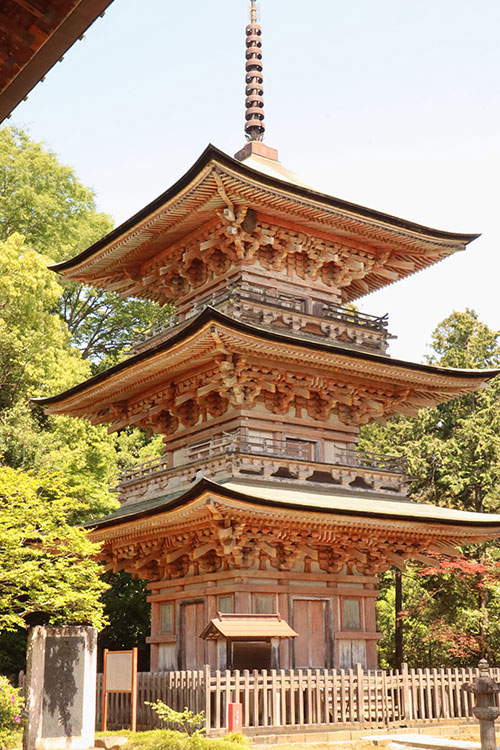
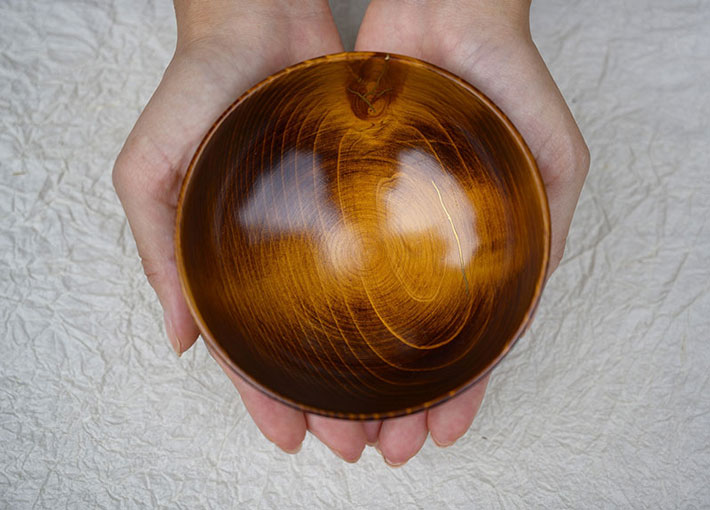
Wood in Japan is more than a material; it is a philosophy of impermanence managed with eternal care. Whether it is the subtle, fragrant grain of a Hinoki bowl or the massive, load-bearing pillars of a World Heritage pagoda, wood connects the Japanese people to their history and their natural landscape.
As the world turns toward sustainable development, Japan’s commitment to wood serves as a poignant reminder. By treating forests as a renewable resource and timber as a high-tech material, Japan is proving that the oldest building material known to humanity might also be the most important one for our future. Through innovation, preservation, and a deep-rooted cultural respect, the story of Japanese wood is only beginning its next chapter on the global stage.
For those interested in the future of timber and the potential for international collaboration, the Japanese Wood Export Portal provides comprehensive resources, technical documentation, and connections to the artisans and manufacturers leading this transformation. Visit their site at j-wood.org to learn more.


 Neng Nana
 Asro
Asro