Sagoh
Sagoh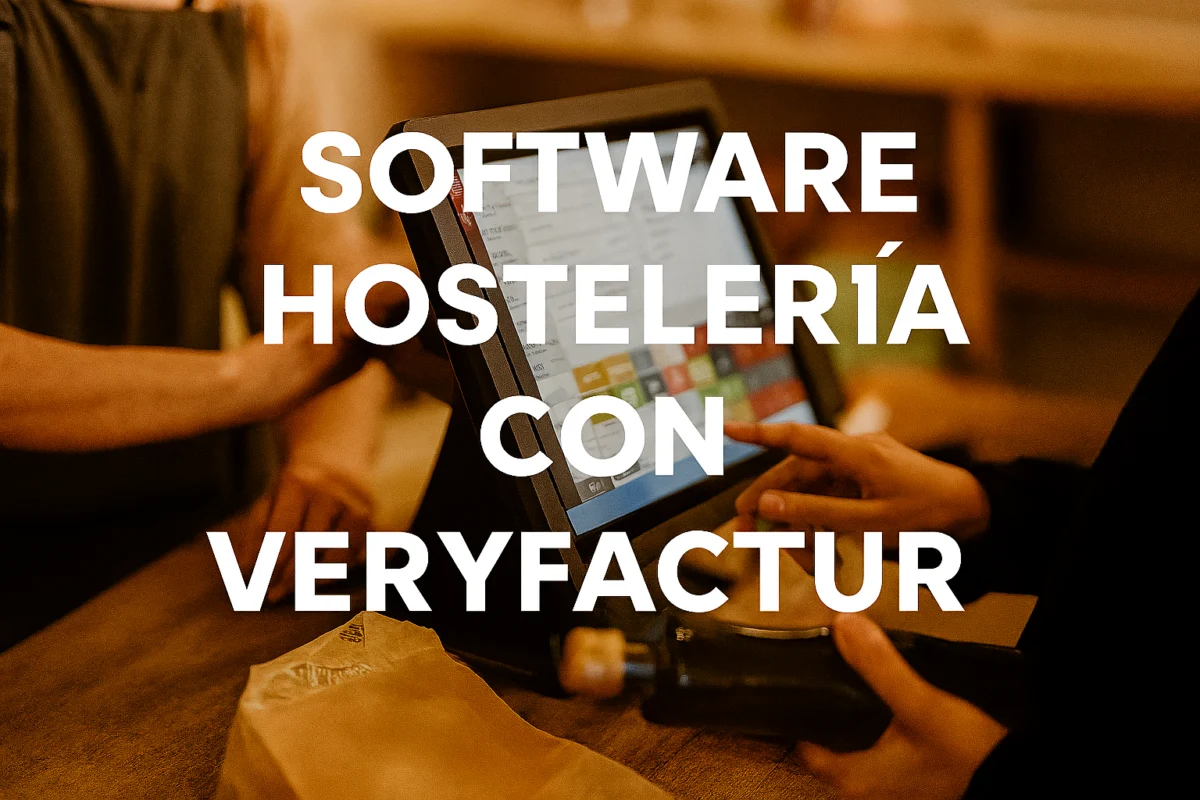
In the fast-paced world of contemporary hospitality, the shift from traditional management to digital ecosystems has transitioned from a competitive advantage to a fundamental survival requirement. For restaurant owners, café managers, and culinary entrepreneurs, the reliance on handwritten notes, fragmented spreadsheets, and manual memory-based coordination is rapidly becoming a relic of the past. Today, the integration of specialized software—ranging from Point of Sale (POS) systems to automated fiscal compliance tools like Veryfactur—is fundamentally reshaping how establishments operate, serve, and thrive.
This article explores the seismic shift in hospitality operations, analyzing the technological pillars that allow modern businesses to reduce friction, eliminate human error, and prioritize the guest experience.
1. The Paradigm Shift: From Analog to Algorithmic
For decades, the restaurant industry relied on a decentralized and manual workflow. Waitstaff would scribe orders on pads, kitchen staff would interpret handwriting under pressure, and managers would reconcile sales at the end of the night with a calculator and a stack of paper receipts. This "analog" approach was inherently prone to high friction and significant margins of error.
The modern paradigm replaces this fragility with centralized, automated systems. By deploying a comprehensive POS system for restaurants, owners can now unify sales, front-of-house operations, and inventory management into a single "source of truth." This technological transition provides more than just speed; it provides agility. During peak demand, a digital ecosystem ensures that the business can scale its service levels without scaling its errors.
2. Chronology of a Digital Transformation
The adoption of technology in a restaurant typically follows a predictable, successful lifecycle:
- Phase 1: The Foundational Layer (POS Integration): The restaurant replaces legacy registers with a cloud-based POS system. This allows for real-time sales tracking, digital payment processing, and basic menu management.
- Phase 2: Operational Synchronization: The kitchen is brought into the fold through digital comanderos (order-taking systems). Tablets and kitchen display systems (KDS) eliminate the "lost ticket" syndrome and improve communication between the dining room and the chef.
- Phase 3: Administrative Automation: The final piece of the puzzle is the integration of fiscal management tools like Veryfactur. Here, the data generated by the POS is automatically translated into invoices, tax filings, and accounting entries, effectively closing the loop from guest order to tax compliance.
- Phase 4: Data-Driven Optimization: With the infrastructure in place, the establishment begins to use historical data to forecast staffing needs, optimize ingredient purchasing, and refine menu engineering.
3. Supporting Data: The Impact on Bottom-Line Profitability
The case for digital transformation is not merely aesthetic or convenience-driven; it is deeply financial. Industry data suggests that establishments utilizing integrated software see marked improvements across three key performance indicators (KPIs):
Reduction in Operational Waste
Manual inventory tracking is notoriously inaccurate, often leading to over-purchasing or stockouts. By integrating inventory with sales data, restaurants can track the "cost of goods sold" (COGS) in real-time. Automated alerts when ingredients reach a minimum threshold reduce food waste (mermas) by approximately 15–20% on average, as purchasing becomes predictive rather than reactive.
Labor Efficiency
Labor is the single largest controllable cost in a restaurant. Digital scheduling and time-tracking tools allow managers to align staff coverage with historical traffic patterns. By analyzing hourly sales data, owners can avoid overstaffing during "lull" periods and ensure adequate coverage during rushes, effectively reducing unnecessary overtime expenditure by as much as 10% annually.
Error Mitigation
The "human factor" in manual order-taking accounts for a significant percentage of voided checks and comped meals. Digitizing the flow—from the server’s mobile device directly to the kitchen screen—minimizes misinterpretations of handwriting, omissions of allergens, and duplicate entries.
4. Official Perspectives: The Role of Compliance and Integration
Industry experts and fiscal authorities alike are increasingly emphasizing the necessity of digital integration. Tools like Veryfactur serve as a critical bridge between the operational side of a restaurant and its regulatory obligations.
"The integration of billing with the broader restaurant ecosystem is no longer a luxury," notes a consultant specializing in hospitality tech. "It is a safeguard against administrative burden and a shield against non-compliance penalties." By automating the accounting process, establishments gain:
- Real-time Fiscal Visibility: Instant reconciliation of cash and card payments.
- Audit-Ready Documentation: Electronic records that satisfy local tax authorities without the need for manual archiving.
- Seamless Integration with Accounting Firms: By providing accountants with clean, digitized data, restaurants can reduce their administrative fees and ensure that tax filings are both timely and accurate.
5. Implications: The "Ecosystem" Approach
When we speak of a "digital ecosystem," we are referring to the seamless communication between different software modules. A TPV (POS) system that does not talk to the accounting software creates "data silos"—isolated pockets of information that require manual intervention to merge.
By creating a unified workflow, a restaurant owner can achieve:
- Reduced Duplicity: Data is entered once (at the point of sale) and flows automatically to inventory, payroll, and tax reports.
- Accuracy: Since the system captures the transaction in real-time, the discrepancy between the physical cash in the drawer and the software’s ledger is virtually eliminated.
- Speed of Service: Front-of-house staff spend less time on administration and more time on hospitality, as the software handles the complexity of split bills, modifier application, and table management.
6. Enhancing the Guest Experience: The Ultimate Goal
While the back-office efficiency is vital, the true success of digital transformation is felt by the customer. A faster, more accurate service loop directly impacts the customer experience.
- Personalization: With CRM features integrated into the POS, staff can view guest preferences or past orders, allowing for a personalized service that fosters loyalty.
- Reduced Wait Times: When the kitchen receives orders instantly, the time between order placement and plate delivery is shortened, increasing table turnover rates during peak hours.
- Professionalism: A seamless checkout process, where digital receipts are sent instantly and payments are processed without delay, leaves the guest with a lasting impression of efficiency and professionalism.
7. Overcoming the Digital Divide: Implementation Strategies
Despite the obvious advantages, many restaurateurs remain hesitant, citing cost, complexity, or staff resistance as barriers. However, these challenges are easily managed through a phased implementation strategy:
- Phase 1: The Pilot: Start with the core POS system. Train only the key staff members first to create internal "champions" who can assist others.
- Phase 2: Gradual Integration: Once the team is comfortable with the POS, integrate the kitchen display systems, followed by the inventory and, finally, the automated fiscal tools.
- Phase 3: Ongoing Training: Technology is only as effective as the people who use it. Regular workshops and the creation of simple "cheat sheets" for staff are essential to maintaining adoption rates.
8. Conclusion: Investing in the Future of Hospitality
The digital transformation of the hospitality sector is not an end in itself; it is a catalyst for higher quality, better profitability, and a more sustainable business model. By replacing outdated manual processes with an integrated suite of POS, kitchen communication, and automated fiscal software, restaurant owners are doing more than just "modernizing." They are building a resilient foundation capable of withstanding the pressures of an increasingly competitive market.
For those ready to transition, the path is clear: start with the essentials, prioritize systems that communicate with one another, and leverage the power of data to make informed decisions. In doing so, the focus of the restaurant can return to what truly matters—the artistry of the kitchen and the satisfaction of the guest. The future of hospitality is digital, and those who embrace this evolution today are the ones who will define the culinary landscapes of tomorrow.

 Lina Hope
 Asro
Asro