Asro
Asro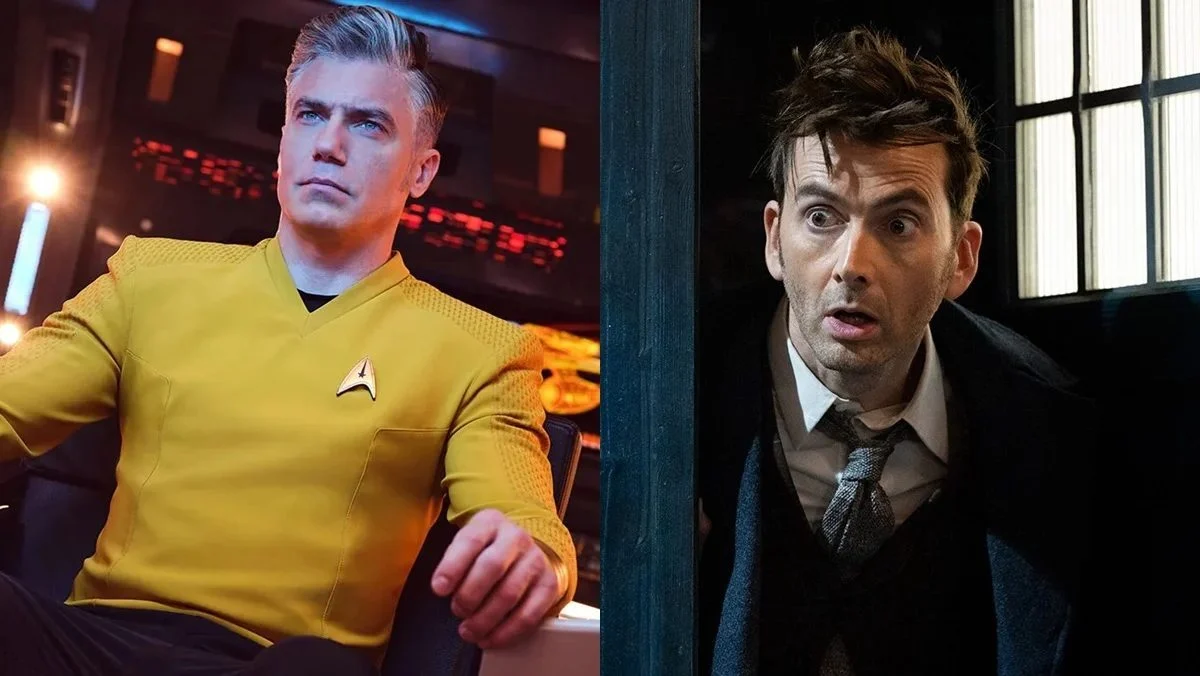
If the landscape of television science fiction feels suddenly cavernous—a vast, echoing void where the hum of warp drives and the wheezing groan of the TARDIS once stood—you aren’t imagining it. For the first time in over six decades, the two pillars of speculative fiction, Star Trek and Doctor Who, have simultaneously entered a state of total production dormancy.
This is not merely a seasonal break or a routine scheduling gap; it is a cultural inflection point. As of 2026, the global production landscape for these two titans has gone dark, marking the first time since 1963 that neither franchise is actively filming new content. It is a milestone that brings a sudden, sobering stillness to the heart of geek culture.
The Unprecedented Dual Hiatus: A Historical Overview
To understand the magnitude of this silence, one must look at the math. Doctor Who premiered on the BBC on November 23, 1963. Star Trek followed shortly thereafter, debuting in the United States on September 8, 1966. Since those inaugural broadcasts, these two franchises have functioned as the twin engines of televised science fiction, frequently overlapping to ensure that, regardless of the political or cultural climate, there was always a frontier to explore or a time-traveling mystery to solve.
Earlier this year, the industry received the definitive word that all Star Trek series production had ceased, with no new projects greenlit to fill the gap. Now, news from the BBC confirms that Doctor Who has been placed on an extended production block, with reports suggesting that the cameras will not roll again until at least 2028.
This "one-two punch" has relegated 2026 to a dubious honor: it is the first calendar year in 63 years where neither franchise is in active production. To put this in perspective, this streak survived the cancellation of the original Star Trek in 1969, the “wilderness years” of Doctor Who following its 1989 cancellation, and the myriad of industry shifts that have reshaped television since the mid-20th century.
A Chronology of Continuity
The resilience of these franchises has historically been defined by their ability to "hand off the baton." When one was struggling, the other was usually in its prime.
The Doctor’s Journey
Doctor Who maintained a constant presence on British television for 26 seasons before the BBC quietly shelved the show in December 1989. While the 1996 television movie attempted to bridge the gap, the franchise largely remained dormant until its triumphant revival on March 26, 2005. Since then, the show has enjoyed two decades of uninterrupted production, evolving from a cult classic into a global juggernaut.
The Trek Through the Stars
Star Trek’s history is defined by its evolution from a three-season broadcast experiment into a sprawling multimedia empire. After the original series concluded in 1969, the franchise survived through the underrated Animated Series (1973–1974) and a string of six feature films between 1979 and 1991.
However, the real "Golden Age" of Trek began in 1987 with The Next Generation. This ushered in an era of unprecedented overlap: Deep Space Nine (1993–1999), Voyager (1995–2001), and Enterprise (2001–2005) ensured that a Trek show was always on the air. When the franchise returned in 2017 with Discovery, it signaled the start of a "Paramount+ era" that prioritized quantity and diversity of content. Now, with the final seasons of Strange New Worlds wrapped, that era has officially come to a close.
Supporting Data: The Great Overlap
Historically, these two giants have shared an uncanny symbiotic relationship. Throughout the 1980s and 90s, Star Trek’s various incarnations provided the necessary sci-fi oxygen while Doctor Who was off the air. Conversely, the 2005 revival of Doctor Who occurred just months before the final installment of the Enterprise era, ensuring that the void was filled almost instantly.
This pattern of "perennial existence" is what makes the current state of affairs so jarring. For the first time since the early 1960s, both franchises are in a holding pattern. We are witnessing the end of an era where fans could rely on the comfort of a weekly dose of the unknown.
Official Responses and Industry Context
While studio executives at Paramount and the BBC have remained tight-lipped regarding the long-term future of these intellectual properties, the current hiatus is widely attributed to a combination of market correction and creative fatigue.
The "Peak TV" era, which saw an explosion in the number of streaming services and a corresponding demand for content, has given way to a period of consolidation. Both franchises were arguably stretched thin. For Star Trek, the sheer volume of series production—ranging from Discovery and Picard to Lower Decks and Strange New Worlds—led to concerns regarding brand dilution. For Doctor Who, the departure of showrunner Russell T. Davies and the shifting priorities of the BBC suggest a desire to recalibrate the show’s identity before returning to production.
Sources close to the studios indicate that these hiatuses are not permanent cancellations, but rather a strategic pause to allow for "creative regeneration." In an industry obsessed with short-term metrics, the executives are likely betting that a period of absence will make the heart grow fonder, eventually allowing for more impactful, high-budget revivals in the late 2020s.
The Implications: What Happens When the Stars Go Out?
The silence of 2026 carries significant cultural implications.
The Vacuum of Escapism
Science fiction serves as the modern world’s mythology. It provides a framework through which we process technology, social progress, and our place in the cosmos. With Star Trek and Doctor Who sidelined, the "Big Three" of televised sci-fi has been reduced to one: Star Wars. While the galaxy far, far away remains active, the loss of Trek and Who leaves a massive hole in the genre’s discourse. Star Wars operates on a different thematic wavelength, leaning more toward fantasy and mythic archetypes, whereas Trek and Who have historically provided the optimism and intellectual curiosity that define "harder" or more philosophical science fiction.
The Fan Experience
For fans, this hiatus is a period of transition. The community, which has spent years debating canon, theory-crafting, and celebrating weekly drops, must now turn to nostalgia and archival consumption. The social fabric of these fandoms will undoubtedly change; without new content to discuss, the "watercooler" conversation will shift from "What happens next?" to "What did we learn from the past?"
The Future of Genre TV
The pause also forces a reckoning within the industry. If the two most durable franchises in history cannot maintain a continuous production schedule, what does that say about the sustainability of the streaming model? It suggests that the relentless churn of content may be reaching a breaking point.
Conclusion: A Temporary Darkness
While it is undeniably devastating to realize that we have no new stories being forged in these universes at this moment, it is important to maintain perspective. Star Trek and Doctor Who have both survived near-death experiences before. They are not merely TV shows; they are institutional pillars of culture that have embedded themselves into the collective consciousness of millions.
We will undoubtedly see the TARDIS materialize on our screens again, and we will surely hear the familiar chime of the bridge doors opening on a new starship. But until then, we are living through a unique chapter in history. For the first time in 63 years, the screens are dark, the universe is quiet, and the fans are waiting. In the silence, perhaps there is room for the next great idea to take root, ensuring that when these giants return, they are stronger and more vital than ever.
Until 2028—or whenever the next signal arrives—we look to the stars and the depths of time, waiting for the return of our favorite travelers.

 Siti Muinah
 Azzam Bilal Chamdy