Ali Ikhwan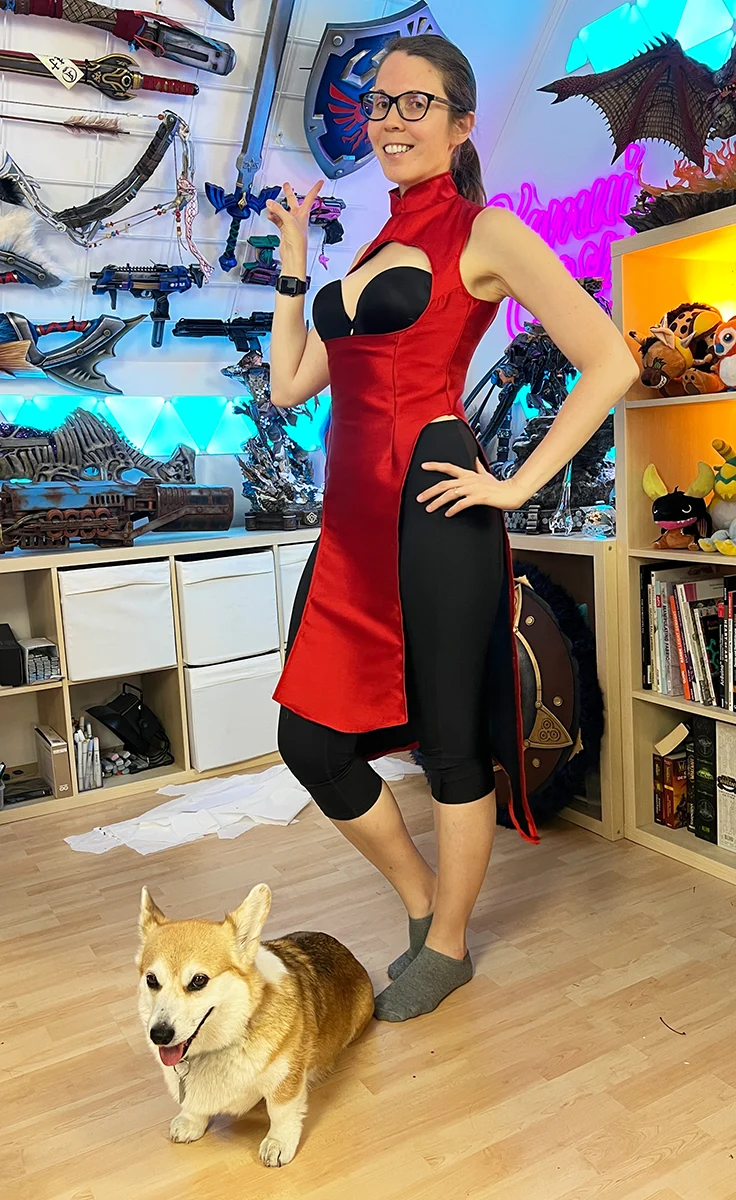
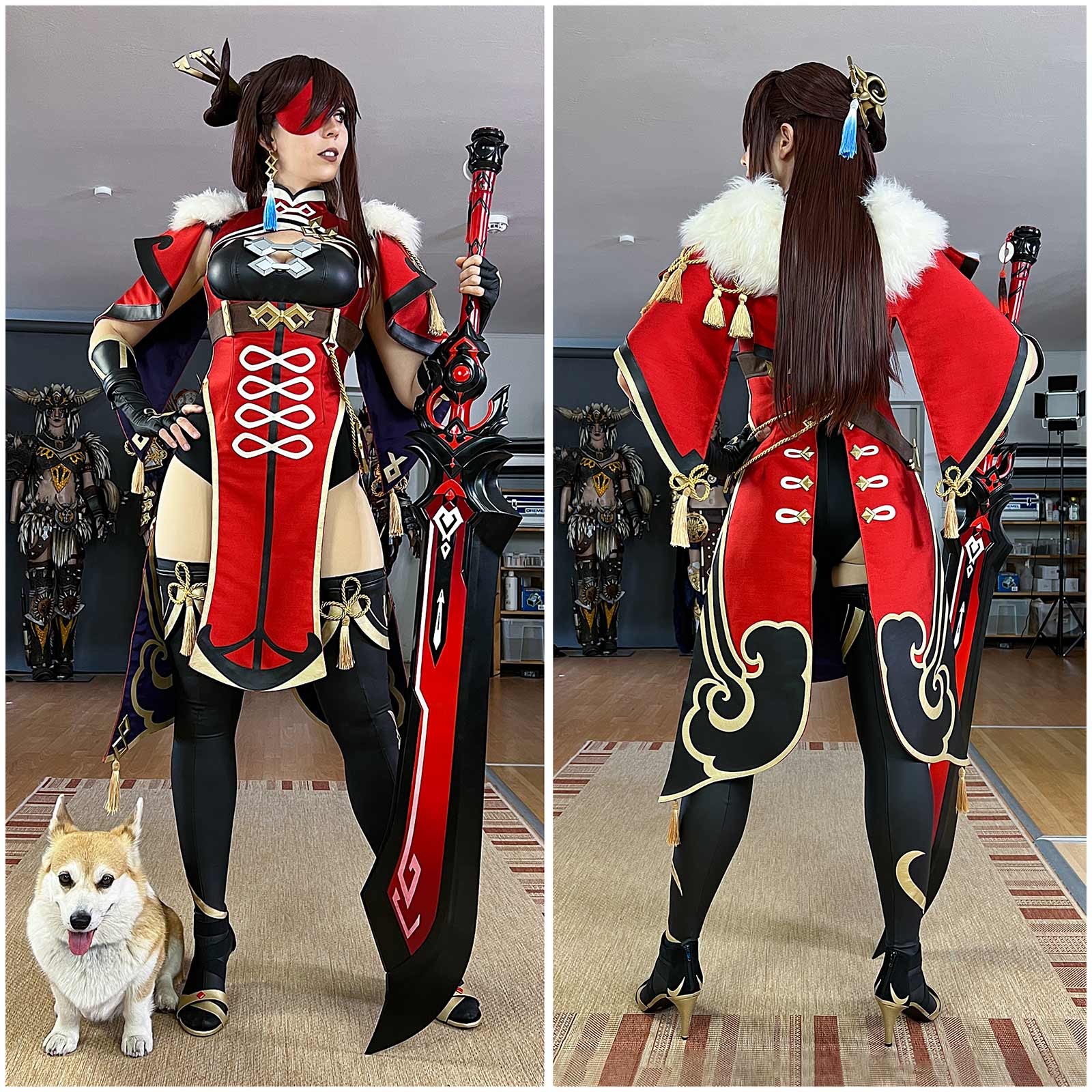
In the vibrant world of Genshin Impact, few characters command the same level of respect and awe as Captain Beidou, the formidable leader of the Crux Fleet. Known for her indomitable spirit, her massive claymore, and her status as the protector of Liyue, she has become an icon within the gaming community. Recently, professional cosplayer and industry veteran Kamui Cosplay took on the monumental challenge of bringing this maritime warrior to life. Commissioned by HoYoverse, this project was not merely an act of fandom, but a deep dive into the technical intricacies of modern high-end cosplay construction.

The Genesis of a Captain
Since 2021, the creator has been an avid player of Genshin Impact. Her journey with the game began with a fortuitous pull, securing both Diluc and Beidou early on. The connection was instantaneous. Drawn to Beidou’s commanding presence and intricate design, the creator found herself uniquely positioned when the developers approached her to embody the character.
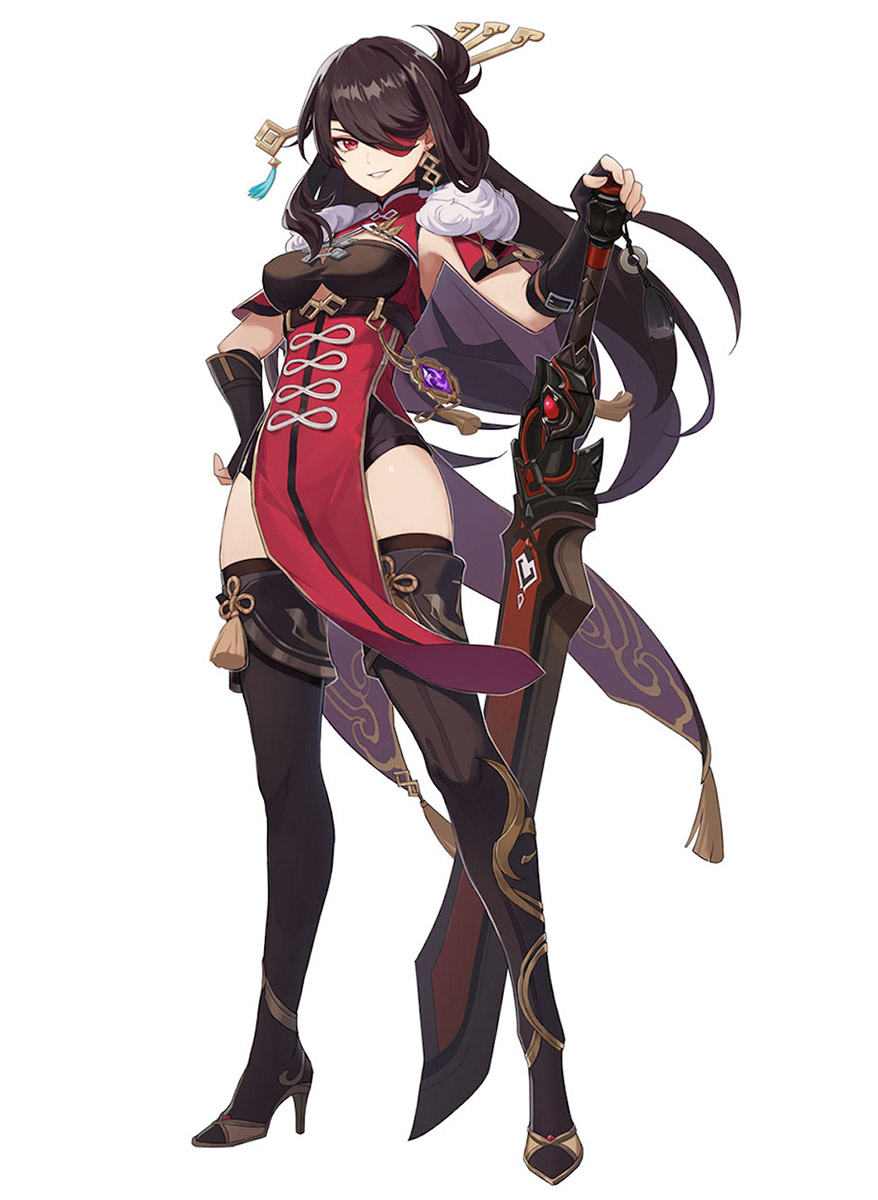
What might appear as a simple ensemble in the game world is, in reality, a complex puzzle of layers, textures, and structural engineering. Moving beyond the readily available mass-produced costumes found in online stores, the project sought to achieve a level of screen-accurate detail that can only be reached through bespoke craftsmanship. To ensure total accuracy, the project relied heavily on the Games Fashion Archive, utilizing 3D models to decode the layered complexities of Beidou’s outfit.
Chronology of Construction: An Eight-Week Odyssey
The transformation of fabric and raw materials into a heroic mantle took eight weeks of intensive labor. The timeline of this project serves as a masterclass in modern fabrication.
Phase 1: Patterning and Structural Integrity
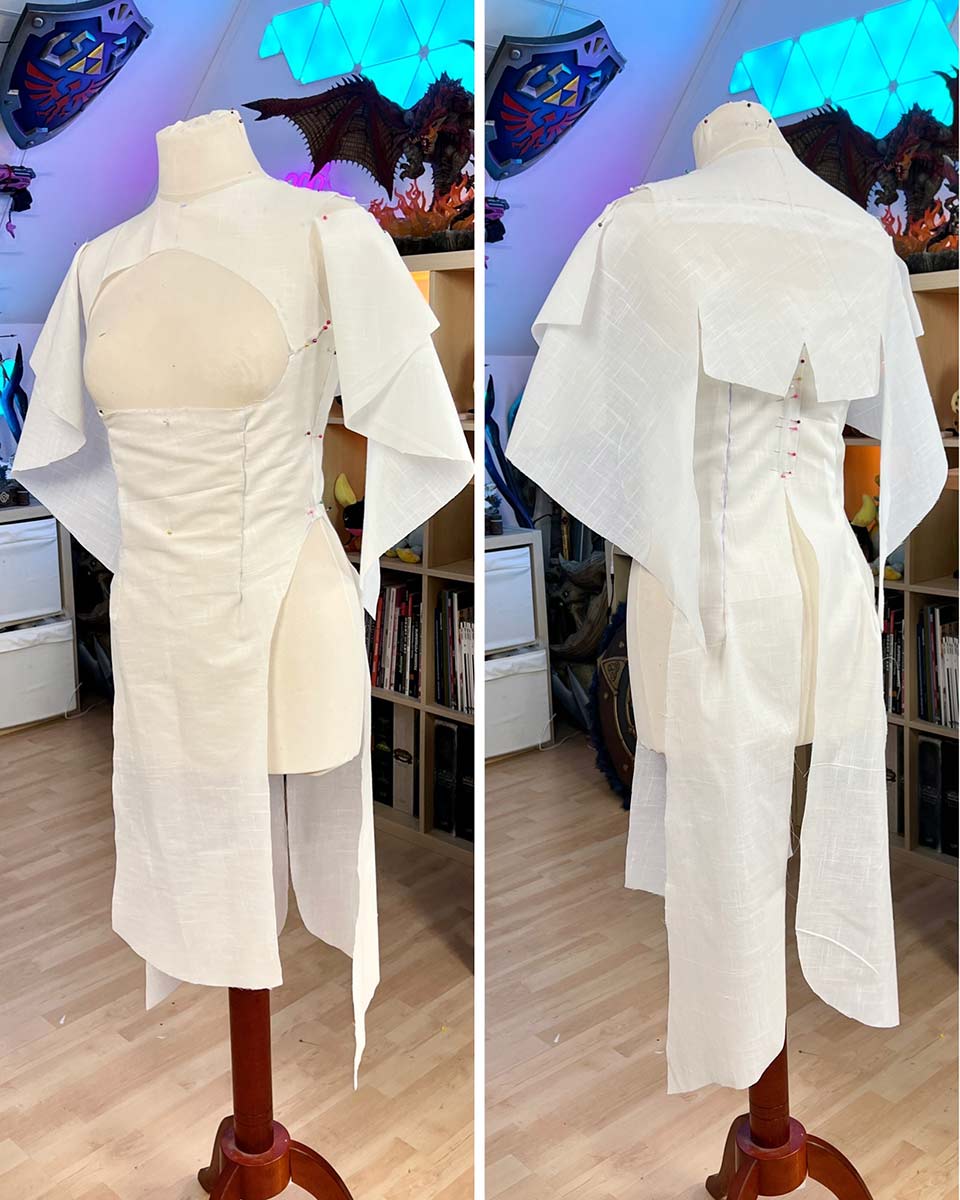
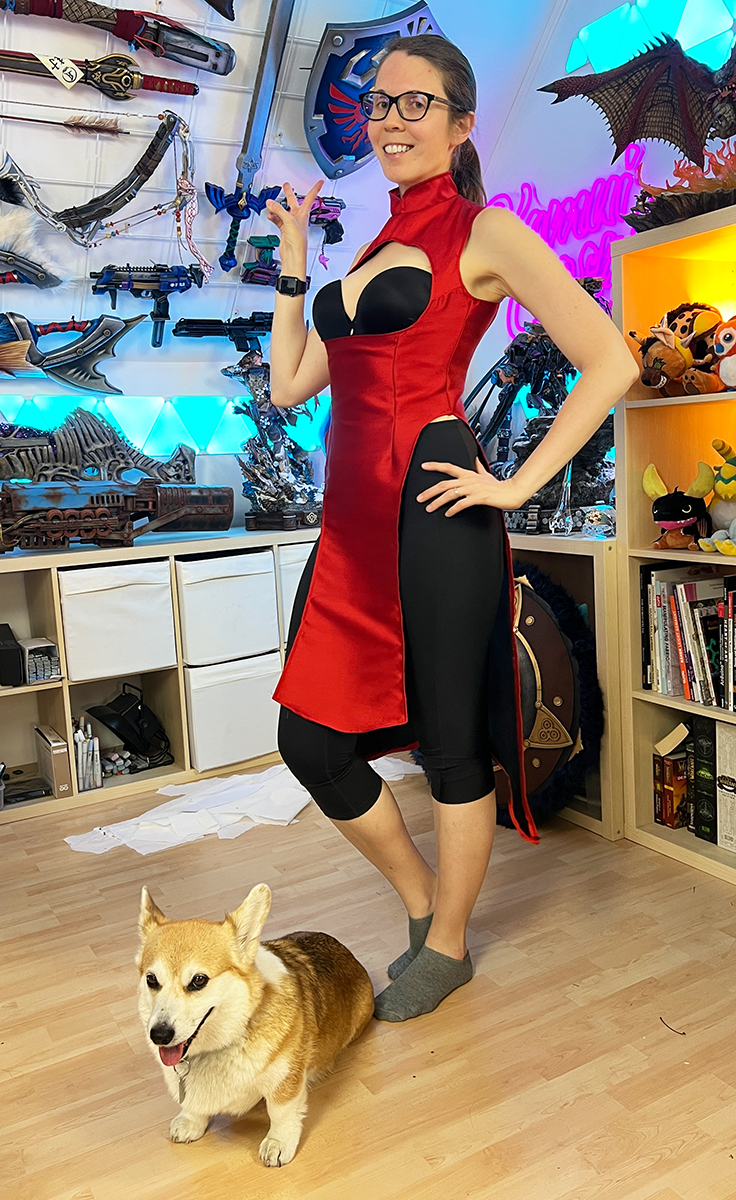
The process began with the "duct tape pattern technique." By wrapping the torso in duct tape and sketching the desired shapes directly onto the form, the team created a precise, custom-fitted base. This method bypassed the trial-and-error nature of traditional paper patterns, allowing for an immediate, high-precision fit. Once the templates were transferred to linen, the ensemble was tested on a professional-grade dress form.
Phase 2: Material Sourcing and Tailoring
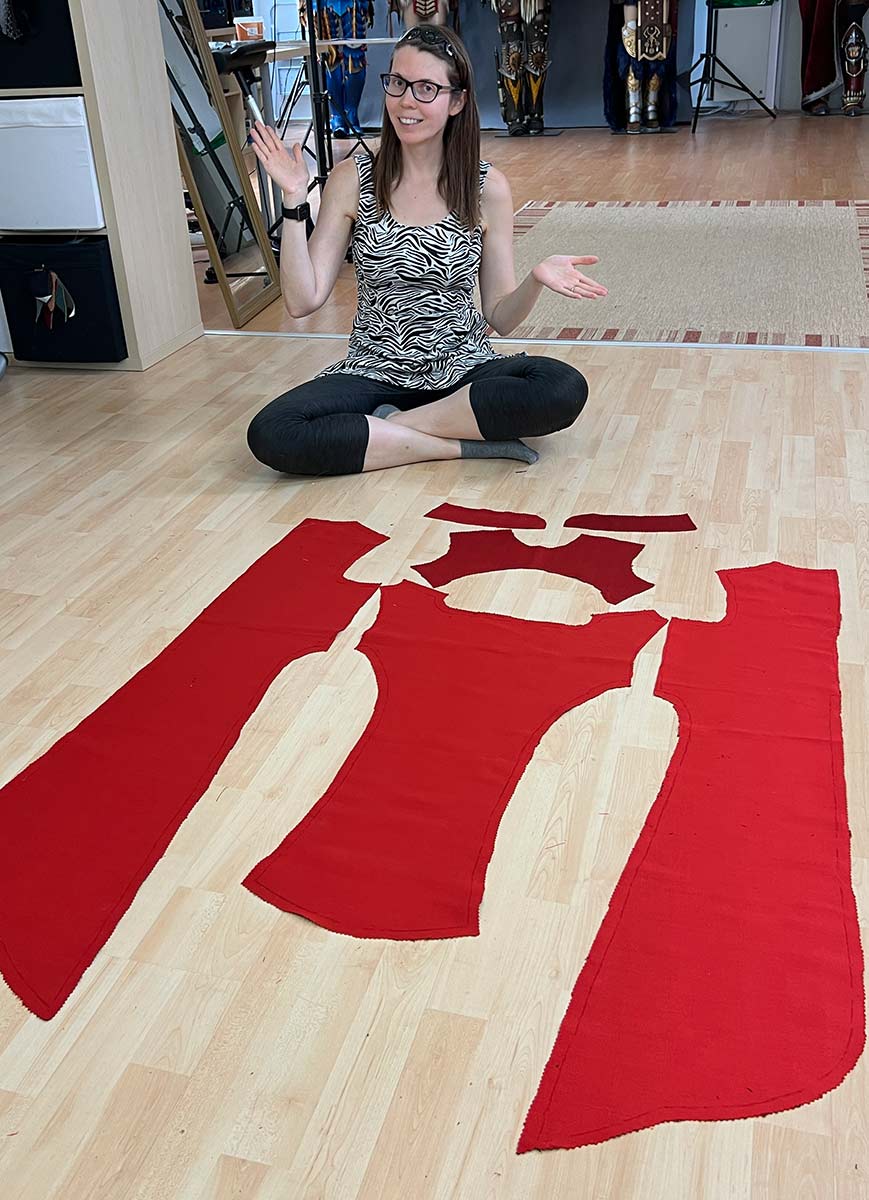
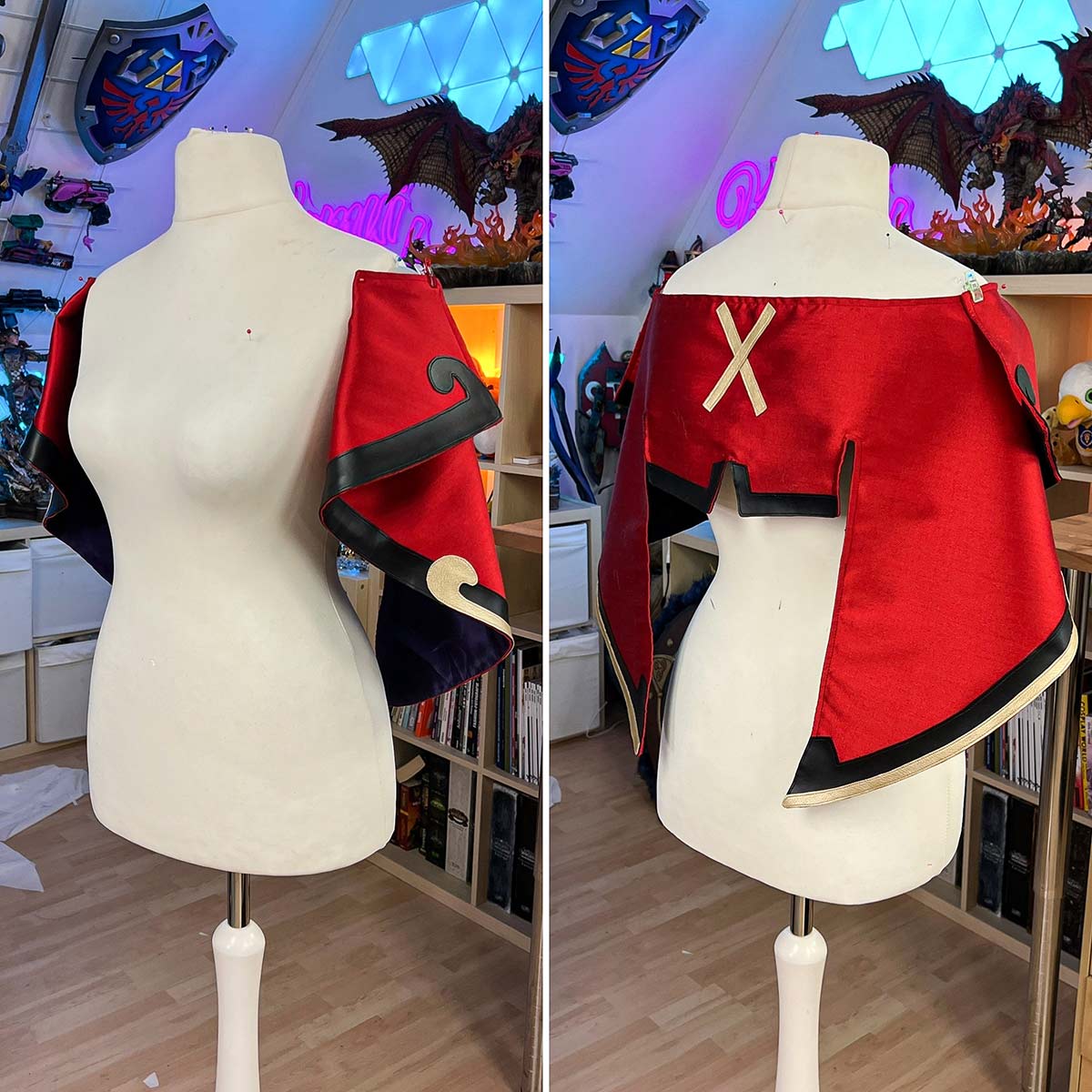
Choosing the right fabric is critical for character recognition. While many opt for standard polyester, the team sought out high-quality, shimmering heavy silk from a local boutique in Düsseldorf. By supporting local vendors, the project maintained a tactile connection to the materials. Sewing was handled by two industrial-standard machines, though the creator notes that the secret lies not in the machine, but in the precision of the cut.
Phase 3: The Details and Laser Precision
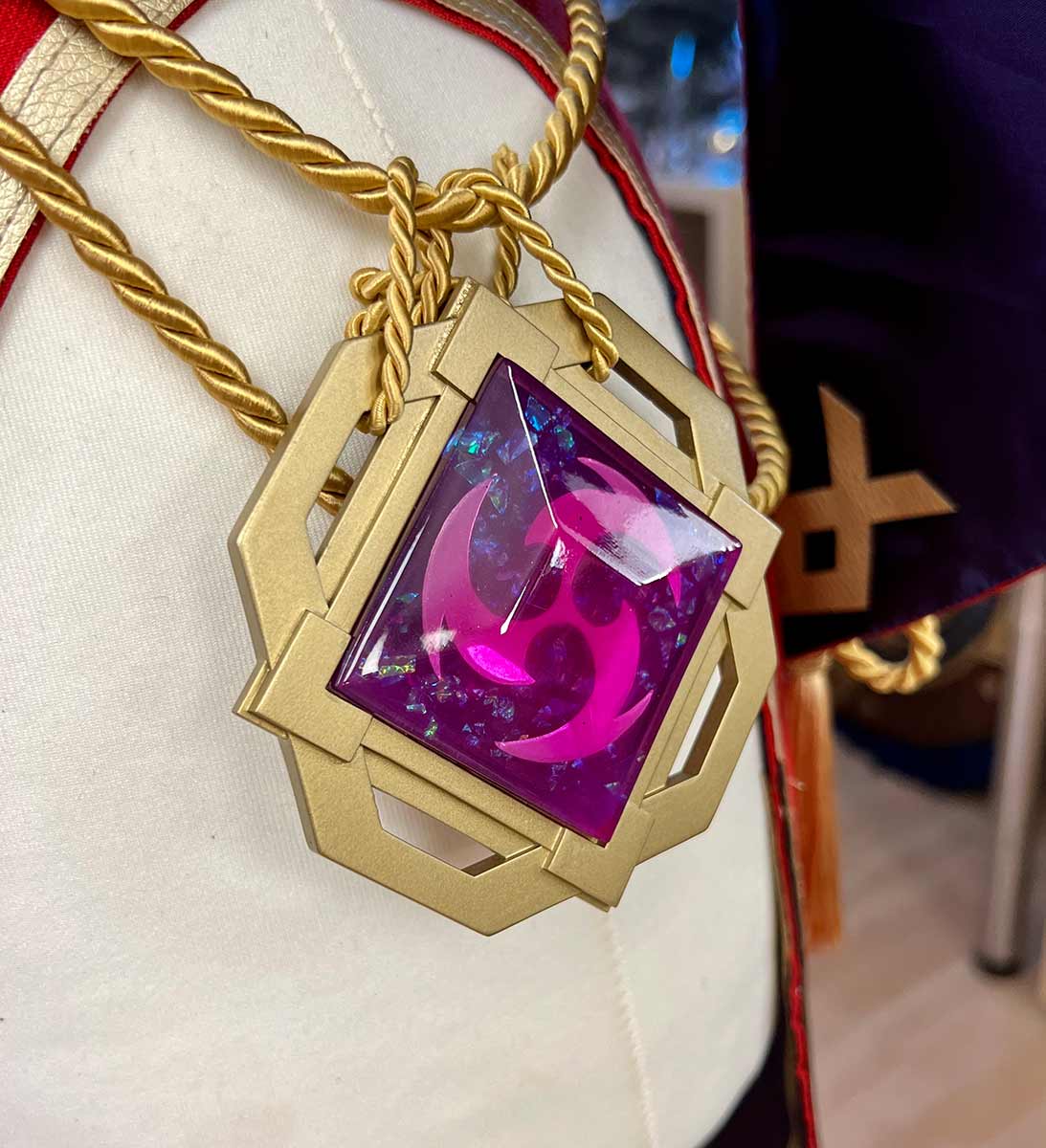
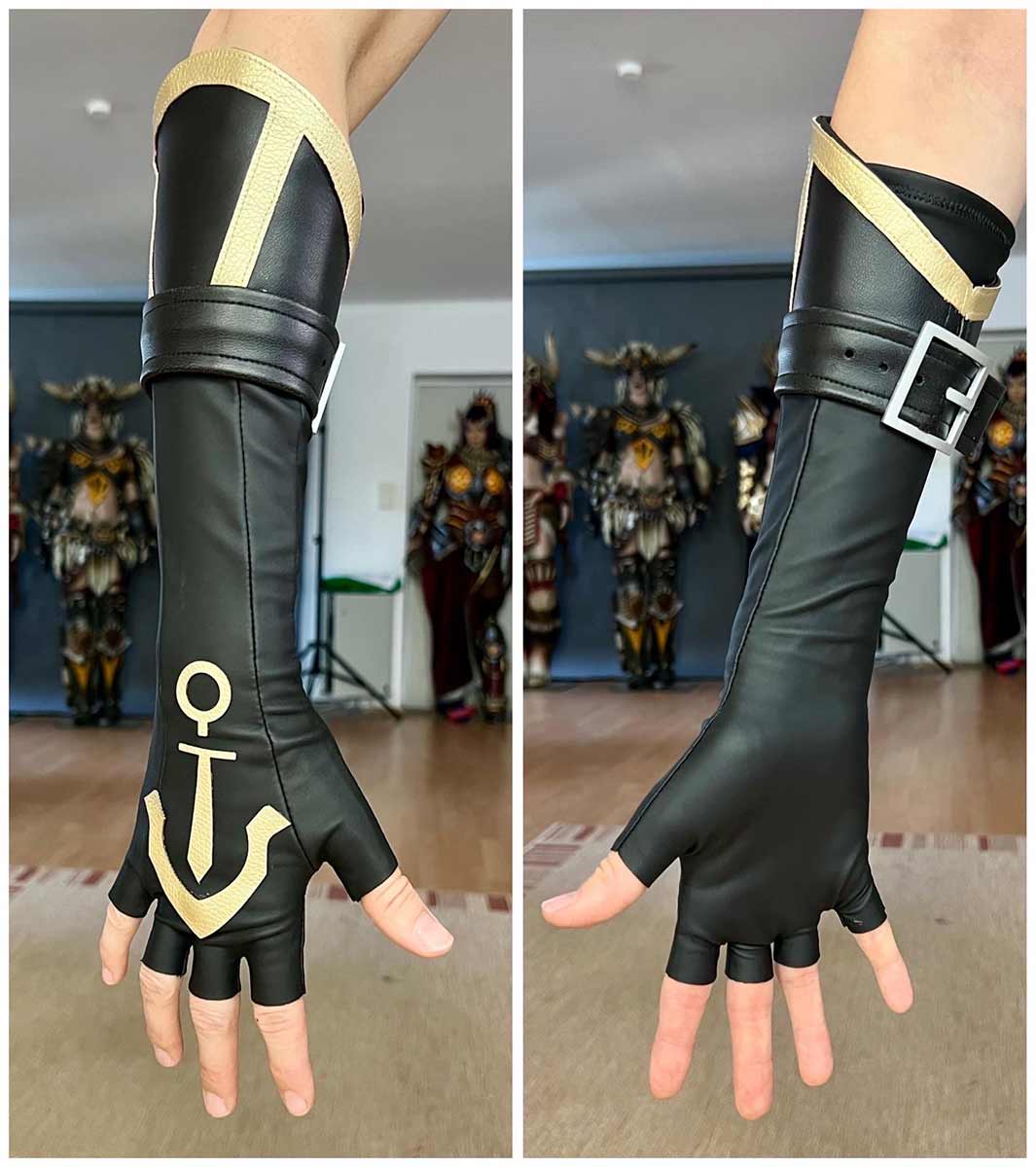
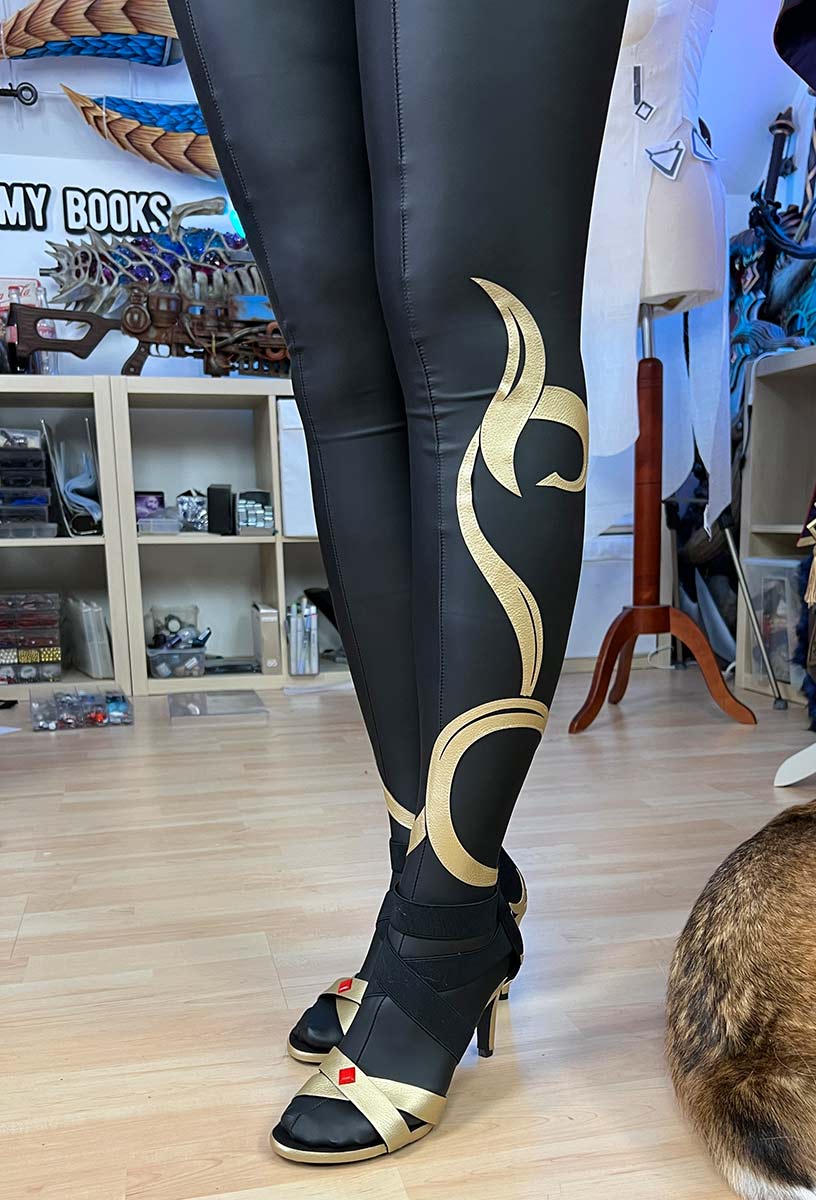
The cape, characterized by its deep, vibrant red hue, required careful draping and hand-stitched purple lining. To manage the intricate gold and black patterns across the costume, the team utilized a Flux laser cutter. This automated process allowed for the rapid production of complex vector-based designs, ensuring that every edge was clean and every symbol was placed with mathematical accuracy.
Phase 4: Wig Styling and Accessibility Modifications
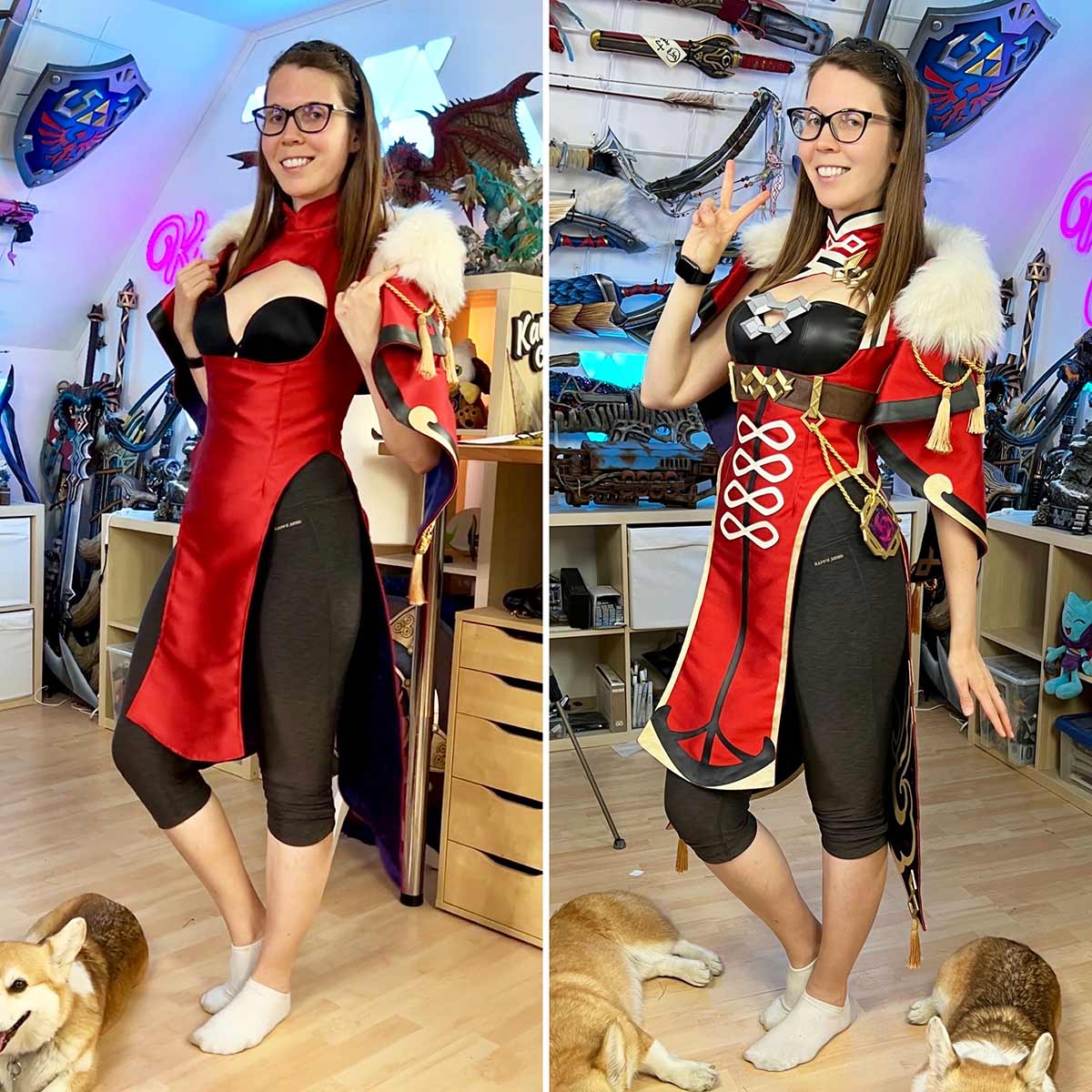
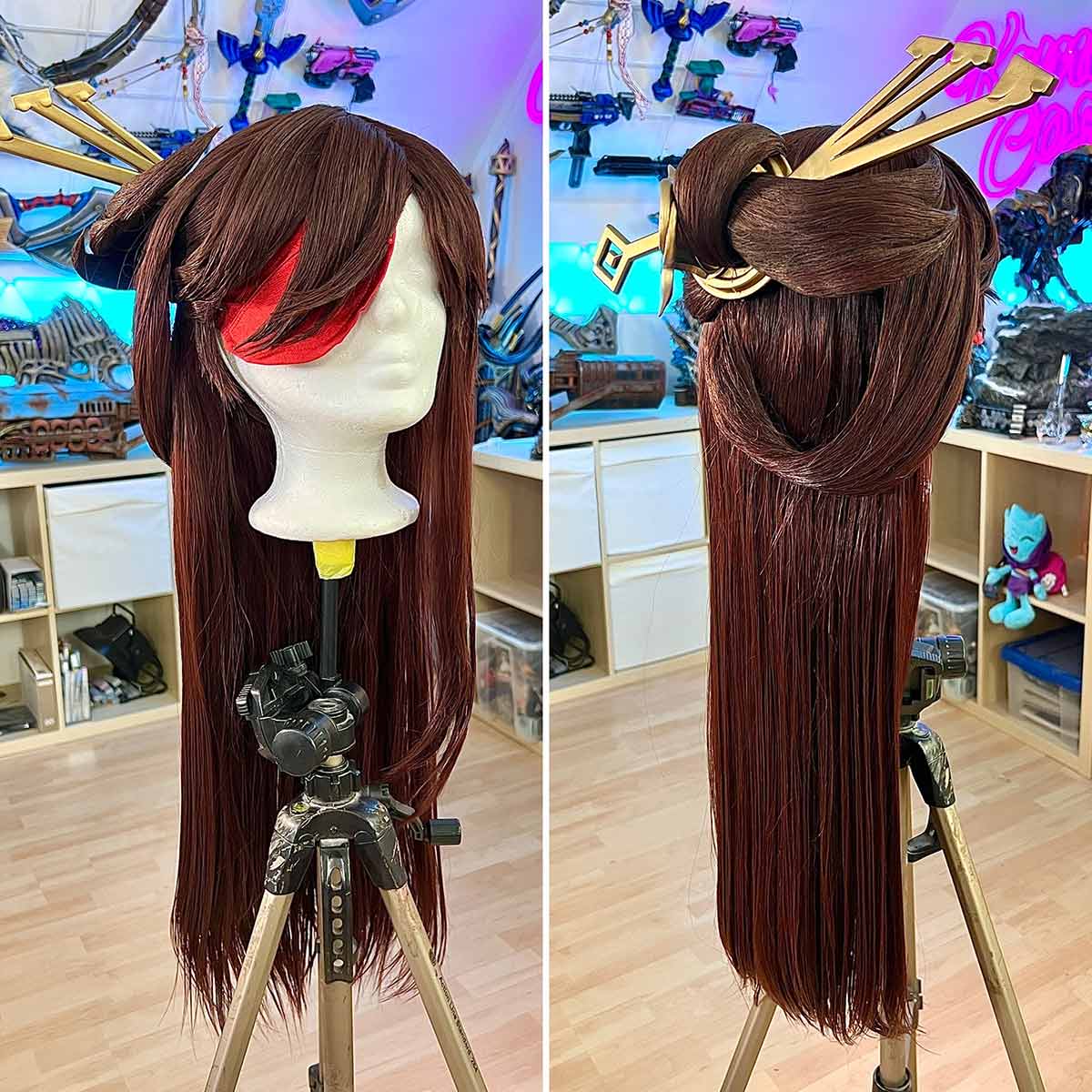
One of the most significant challenges involved the wig and accessories. Because the creator faces visibility limitations in her right eye, wearing an eyepatch in the traditional, character-accurate position was physically impossible for extended periods. In a rare display of flexibility, HoYoverse approved a "mirrored" design for the character, allowing the eyepatch, accessories, and hairstyle to be flipped. This modification allowed for safety and comfort on the busy floor of gaming conventions like Gamescom.
Phase 5: The Blackcliff Slasher
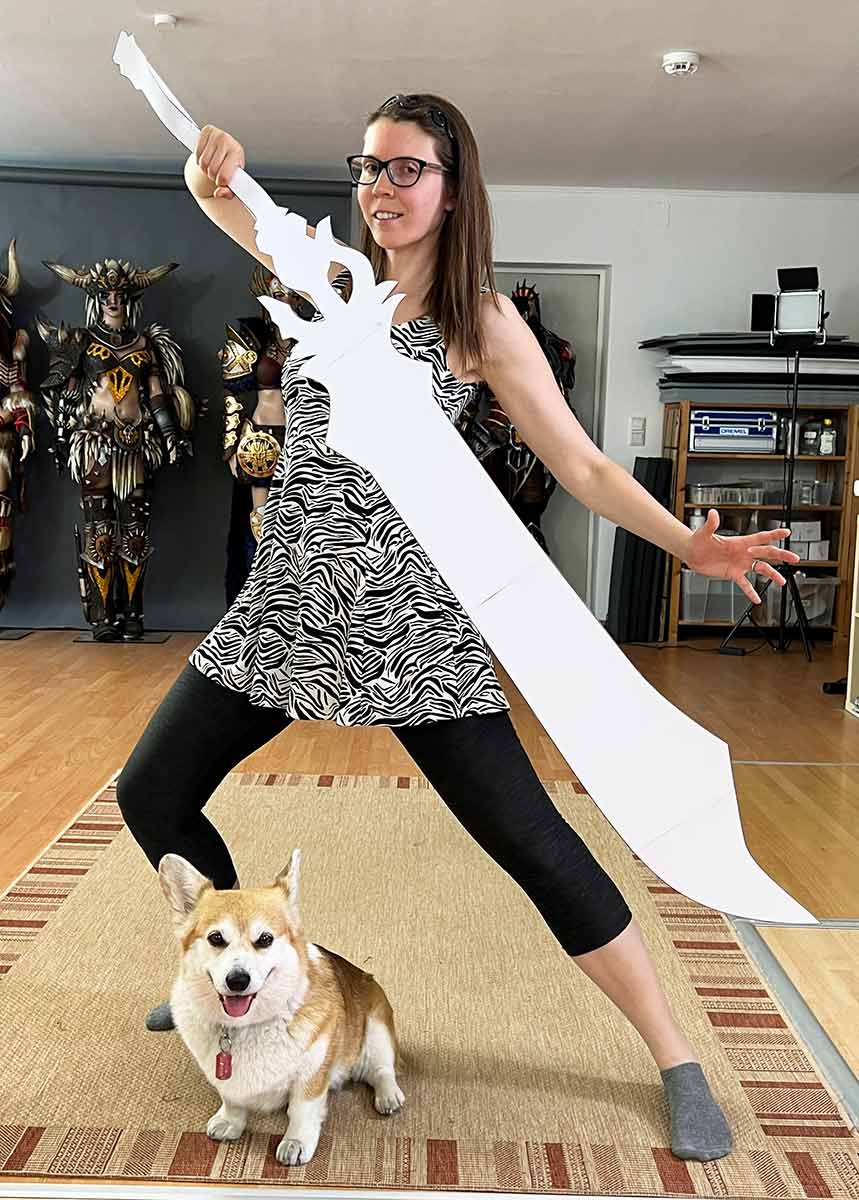
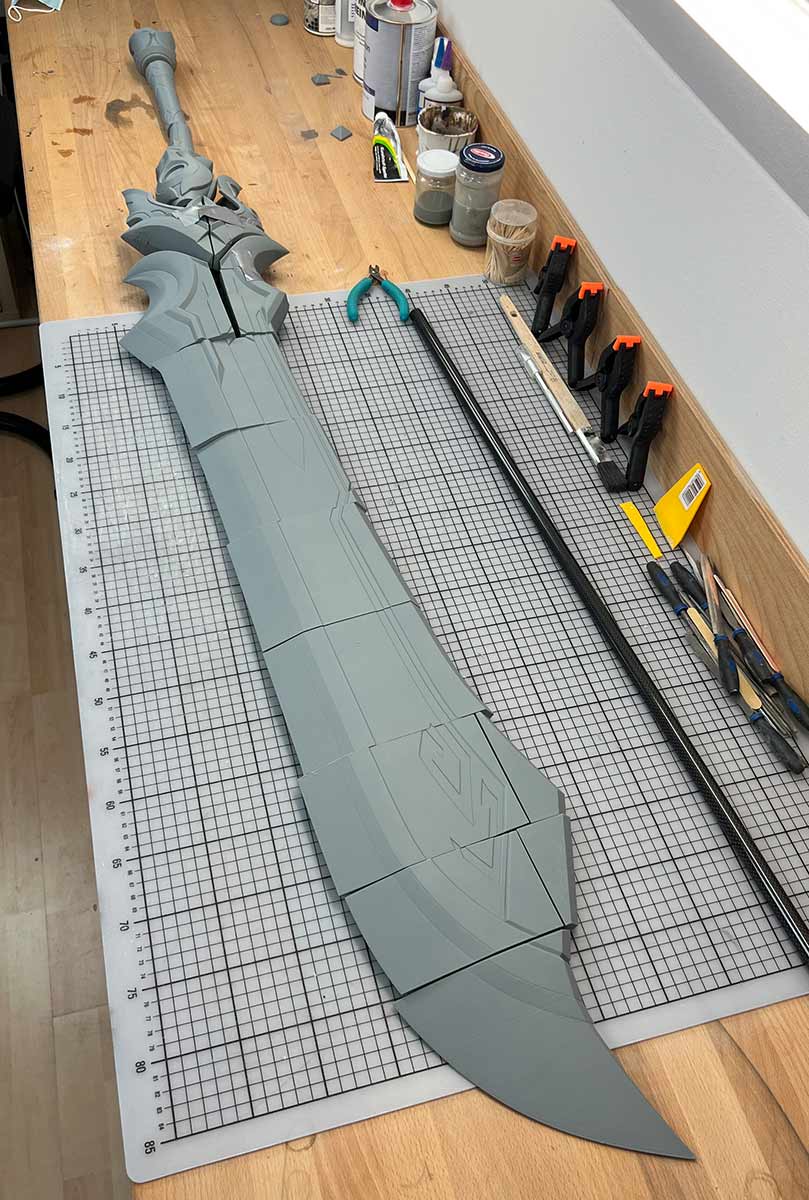
No Beidou cosplay is complete without her signature claymore. The construction of the Blackcliff Slasher was a technical feat in itself. The team utilized 3D printing, running two Zortrax M200 printers for two weeks straight. Once the pieces were printed, they underwent a rigorous three-week finishing process involving assembly, priming, sanding, and professional airbrush painting.
Technical Specifications and Supporting Data
The production of this costume relied on a diverse range of modern manufacturing tools. Below are the key technological pillars used during the project:
- Additive Manufacturing: Two Zortrax M200 printers were used for the heavy-duty components of the claymore. For those looking to replicate this at home, the industry standard has shifted toward 8K resin printers (like the Anycubic Photon series) for small details and FDM machines (like the Elegoo Saturn) for large-scale props.
- Fabrication Tools: The use of Guetermann HT2 fabric glue proved essential, a staple in the creator’s arsenal for over a decade. It allows for the seamless bonding of fabric to foam and synthetic leather.
- Digital Integration: The photoshoot phase utilized a hybrid of real-world photography and Unreal Engine digital environments. By capturing the cosplayer in front of a green screen, the team was able to render a digital version of Liyue in post-production, merging the physical costume with the game’s aesthetic world-building.
Implications for the Cosplay Industry
The success of this project highlights the ongoing evolution of the cosplay community. It is no longer enough to simply "look" like a character; the expectation—both from fans and corporate partners—has shifted toward high-fidelity replication.
The Professional-Fan Divide
This project demonstrates the "professionalization" of cosplay. The collaboration between a creator and a game developer signifies that cosplay has moved beyond a hobbyist pursuit and into a legitimate promotional vehicle for the gaming industry. It serves as a symbiotic relationship: the company gains high-quality, authentic promotion, and the creator gains access to official assets and the freedom to push their craft to new limits.
The Value of "DIY" vs. Retail
One of the most frequently asked questions in the community is whether the effort of building from scratch is worth the time, given the rise of cheap, mass-produced replicas. The creator argues that the value is found in the "soul" of the project. A handmade, custom-fitted, and engineered costume possesses a level of detail and structural integrity that a factory-produced item cannot emulate. Furthermore, the act of creation provides a level of intimacy with the character that is absent when purchasing a pre-made garment.
Conclusion: A Testament to Passion
The project was not without its struggles—tight deadlines, the logistical nightmare of printing parts for weeks, and the constant need for problem-solving. However, the final result stands as a testament to the dedication required to elevate cosplay into an art form. By blending traditional tailoring, advanced laser-cutting, 3D printing, and digital rendering, the creator successfully translated a digital character into a physical reality.
As Genshin Impact continues to expand its roster and lore, the standard for such character-inspired creations will undoubtedly rise. For those inspired by this project, the message is clear: success is found not in the most expensive machine or the rarest fabric, but in the patience to pattern correctly, the willingness to adapt to one’s physical needs, and the pursuit of a vision that honors both the character and the craft.

 Siti Muinah
 Azzam Bilal Chamdy