Nana Wu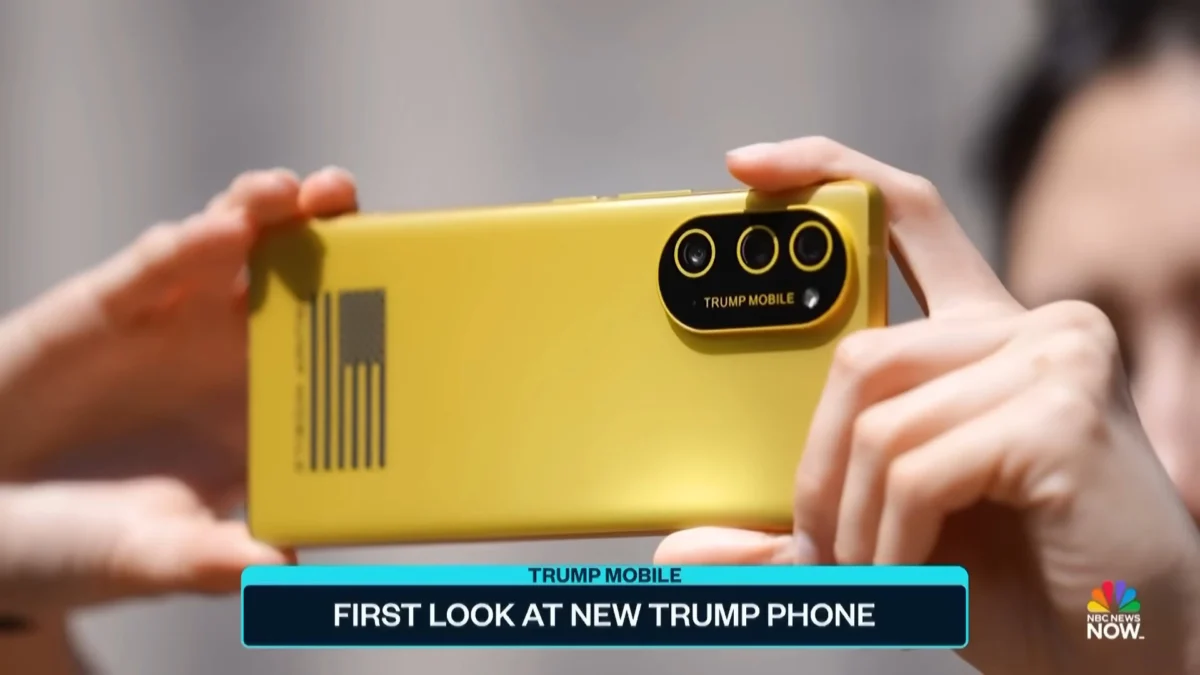
The smartphone industry is no stranger to ambitious startups, ambitious marketing, and the occasional hardware scandal. However, the saga of the Trump Mobile T1—a device that promised to redefine the landscape of secure, domestically-produced communication—has evolved into one of the most chaotic tech narratives of the decade. What began with bold promises of American manufacturing and high-end security has spiraled into a cautionary tale regarding supply chain transparency, corporate communication, and the limits of public relations.
The latest development in this unfolding drama is the formal separation between Trump Mobile and its PR firm, the Poplar Group. This parting of ways signals a potential turning point for a venture that has, thus far, struggled to reconcile its marketing narrative with the realities of its hardware.
The Core Controversy: What is the T1?
The T1 phone was marketed with a specific set of expectations: it was to be a bastion of privacy, a device reflecting American ingenuity, and a premium hardware experience. However, the gap between these marketing promises and the physical product delivered to the market has become the central point of contention.
The Hardware Reality
Perhaps the most damaging revelation for the brand came following a detailed teardown conducted by industry experts. The investigation concluded that the T1 is, in essence, a gold-plated, modified iteration of the HTC U24 Pro. While "rebadging" or "white-labeling" is not inherently illegal in the consumer electronics space, it stands in direct opposition to the brand’s messaging regarding proprietary American design and manufacturing.
For the average consumer, this realization was the first major blow to the brand’s credibility. When a premium product is touted as a bespoke, homegrown device but is revealed to be a rebranded mid-range international handset, the perceived value proposition collapses.
A Chronology of a Tumultuous Rollout
To understand the current state of the T1, one must trace the timeline of its public-facing existence. The journey has been marked by skepticism from the tech community and a series of public missteps.
1. The Hype Phase
The announcement of the T1 was met with intense media scrutiny. The marketing emphasized security, sovereignty, and, most importantly, "Made in America" status. This claim was the primary hook for its target demographic, who were promised a device that circumvented the supply chain vulnerabilities of traditional tech giants.
2. The Security Breach
Before the device could even solidify its reputation, it faced a severe data leak that affected thousands of users. This incident was critical; for a phone marketed on the promise of superior security and privacy, a public data leak acts as an existential threat. The breach left many questioning the technical infrastructure supporting the T1’s ecosystem.
3. The "Made in America" Debacle
Chris Walker, a founding partner of the Poplar Group—the PR firm previously representing Trump Mobile—stated definitively to USA Today that the T1 phones were manufactured in the United States. This statement became the cornerstone of the brand’s patriotic appeal. However, subsequent investigative journalism dismantled this claim. Trump Mobile has since been forced to walk back this narrative, admitting that the assertion of domestic manufacturing was, in fact, false.
4. The PR Divorce
The most recent chapter in this timeline is the departure of the Poplar Group. In a brief statement to The Verge, Walker confirmed that his firm is "not assisting Trump Mobile any further." This development leaves the company in a precarious position, lacking the professional apparatus needed to manage the fallout from the teardown revelations and the ongoing skepticism regarding their manufacturing claims.
Supporting Data and Industry Context
The failure of the T1 to gain traction as a "premium, secure, American device" is indicative of a broader trend in the smartphone market: the "authenticity gap."
- Manufacturing Transparency: In an era of global supply chains, claiming "Made in America" requires rigorous certification and a verifiable assembly line. The T1’s failure to provide this documentation—coupled with the undeniable similarity to the HTC U24 Pro—has led to a total loss of trust among hardware enthusiasts.
- The Cost of Rebadging: The T1 is positioned as a luxury device. However, by using a chassis and internal components that were already available in the global market, the company faced inevitable comparisons to its base model. When a consumer pays a premium for a "Trump" device, they expect a bespoke OS, unique hardware modifications, or specialized security hardware. The teardown suggested none of these were present to a degree that would justify the price hike over the standard HTC model.
Official Responses and Corporate Silence
The vacuum left by the Poplar Group has resulted in a period of relative silence from Trump Mobile. As of this report, there has been no official communication regarding a new PR firm or a revised marketing strategy.
The lack of a transparent response to the teardown findings is particularly notable. In the tech industry, when a product is revealed to be a "rebadged" device, companies typically pivot toward emphasizing their software optimizations or security protocols. Trump Mobile, however, has remained largely reactive, issuing corrections only after being forced to by investigative reports.
When The Verge attempted to ascertain if a new agency had been retained, they were met with uncertainty. This silence suggests that the company may be in a state of organizational flux, struggling to find a narrative that can survive the mounting evidence of its hardware’s origins.
Implications for the Future of Trump Mobile
The future of the T1 and the Trump Mobile brand remains highly uncertain. Several long-term implications have emerged:
1. The Death of Trust
Once a brand is caught in a verifiable lie regarding its manufacturing origins, recovering its reputation is an uphill battle. The "Made in America" claim was not just a marketing slogan; it was the product’s core identity. Without it, the T1 is simply an overpriced, gold-plated version of a standard smartphone.
2. Legal and Regulatory Risks
The admission that the T1 was not made in America, following a direct claim to the contrary, may open the company to scrutiny from consumer protection agencies. False advertising regarding the origin of goods can lead to significant fines and class-action litigation.
3. Sustainability of the Business Model
Can Trump Mobile survive as a niche player? The current model—rebranding existing hardware—is common in the tech world but usually requires transparency to maintain consumer loyalty. If the company continues to obscure the origins of its devices while charging premium prices, it risks alienating its core base entirely.
4. The PR Challenge
Without the Poplar Group or a successor, the company is effectively rudderless in the media. In the digital age, a brand that cannot control its narrative is quickly defined by its detractors. The T1 has become a meme in tech circles, a symbol of everything that can go wrong when marketing outpaces engineering.
Conclusion
The story of the Trump Mobile T1 is, at its heart, a lesson in the dangers of the modern "lifestyle brand" approach to hardware. By attempting to sell a vision of a device—patriotic, secure, and bespoke—without having the underlying engineering or manufacturing to support it, the brand set itself up for a public reckoning.
As the Poplar Group steps away, the T1 project finds itself at a crossroads. It can either pivot toward radical transparency, admitting the limitations of its manufacturing and focusing on whatever genuine value-add its software provides, or it can continue to drift, likely facing further obsolescence as the initial novelty fades.
For the consumer, the T1 serves as a stark reminder: in the world of high-tech hardware, the specifications, the teardowns, and the supply chain documentation are the only truths that matter. Marketing, no matter how loud or confident, cannot override the physical reality of what is inside the chassis. The T1 saga is far from over, but for now, it remains one of the most prominent examples of how a brand can effectively collapse under the weight of its own narrative.

 Ali Ikhwan
 Rifan Muazin