Ali Ikhwan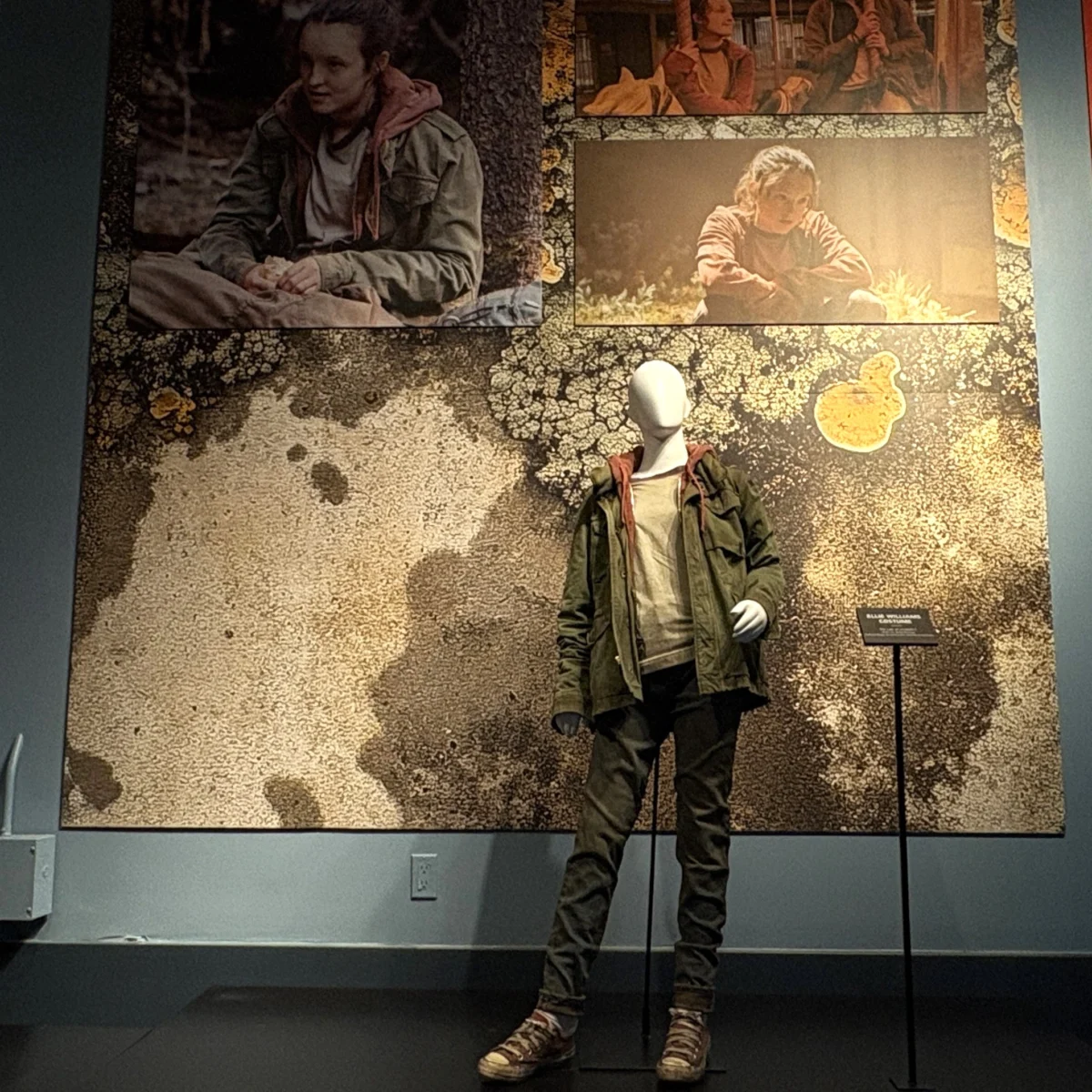
In a vibrant celebration of storytelling, identity, and the transformative power of film and television, the Warner Bros. Studio Tour Hollywood has officially unveiled a new, specially curated exhibit dedicated to LGBTQ+ representation. As the world celebrates Pride Month, this immersive installation invites visitors to step behind the curtain of some of the most influential media franchises in history, highlighting the resilience, brilliance, and cultural impact of queer characters and the actors who have brought them to life.
Located within the iconic “Stage 48: Script to Screen” experience—the interactive hub of the studio tour—this exhibit serves as more than just a display of costumes and props; it is a testament to the evolving landscape of representation in Hollywood.
The Main Facts: A Curated Journey Through Representation
The new exhibit is a centerpiece of the studio’s ongoing commitment to fostering diversity in its archives. By pulling items directly from the Warner Bros. vault, the tour curators have created a tangible link between the fictional characters that have resonated with millions and the real-world impact of their visibility.
Visitors walking through Stage 48 will encounter a selection of artifacts that span various genres, from post-apocalyptic drama and supernatural horror to period comedy. The collection specifically highlights characters whose journeys have contributed to the normalization and celebration of LGBTQ+ narratives in mainstream media. Among the standout items are costumes and props from acclaimed productions such as HBO’s The Last of Us, the IT film franchise, and the beloved pirate comedy Our Flag Means Death.
This exhibit is not merely a static showcase; it is designed to provoke reflection on how media influences societal perceptions. By placing these items in a physical space, the tour allows fans to engage with the materiality of the performances that have helped define modern queer storytelling.

Chronology: The Evolution of Visibility at Warner Bros.
To understand the significance of this exhibit, one must look at the timeline of representation within the Warner Bros. ecosystem. For decades, the studio—and Hollywood at large—often relegated LGBTQ+ themes to subtext or secondary roles. However, the trajectory shifted significantly over the last fifteen years as audience demand for authentic representation grew.
- Early 2000s–2010s: The shift began with subtle inclusions and characters who navigated their identities within broader ensemble casts. Warner Bros. began experimenting with nuanced character development, moving away from stereotypes toward more humanized portrayals.
- Late 2010s: A pivotal era where major studio productions began prioritizing queer-coded characters, and eventually, explicitly LGBTQ+ protagonists. This era saw a marked increase in the diversity of voices in the writers’ rooms, leading to more authentic arcs.
- 2020–Present: The current era, represented by the exhibit, demonstrates a commitment to bold, central queer narratives. The inclusion of titles like The Last of Us and Our Flag Means Death underscores a modern era where LGBTQ+ characters are not just "added" to a story—they are the heart of the story.
This exhibit acts as a longitudinal study of that progress, showing how the industry has moved from hesitant inclusion to celebratory, essential storytelling.
Supporting Data: Why Representation Matters
The importance of this exhibit is backed by a growing body of data regarding the impact of media on LGBTQ+ youth and the general public. According to recent reports from organizations like GLAAD and various media research institutes, representation in film and television is one of the most effective tools for increasing empathy and understanding.
- Normalization and Awareness: Studies show that audiences who watch content featuring LGBTQ+ characters are statistically more likely to support equal rights and demonstrate lower levels of prejudice.
- The "Last of Us" Phenomenon: HBO’s The Last of Us, a Warner Bros. Discovery distributed title, received critical acclaim for its depiction of queer relationships, particularly the "Long, Long Time" episode. Data from social media engagement and viewer retention metrics showed that audiences were not only accepting of these storylines but were emotionally invested in them, proving that diversity is a commercial and critical success.
- Audience Demographics: The demographic shift in the streaming era has made it clear that a diverse audience expects to see themselves reflected on screen. The Warner Bros. Studio Tour’s decision to dedicate physical floor space to this exhibit is a direct response to this demand, acknowledging that today’s fans visit the studio to see their own identities validated.
Official Perspectives: The Studio’s Vision
The decision to launch this exhibit during Pride Month was a deliberate move by Warner Bros. Studio Tour Hollywood to align the physical experience with the broader cultural conversation.
"We believe that the stories we tell should be as diverse as the audiences who consume them," said a spokesperson for the Studio Tour. "By highlighting these specific props and costumes, we are honoring the actors, writers, and creators who have used their platform to tell stories of resilience and authenticity. This exhibit is a celebration of the progress we have made, while also acknowledging the work still to be done to ensure that all voices have a place in the pantheon of cinema."

The curators behind the exhibit emphasized that the process of selecting items involved extensive collaboration with production teams. "We wanted to choose pieces that carried the weight of the story," one curator noted. "It wasn’t just about finding a costume; it was about finding the costume that represents a turning point for a character or a cultural moment that shifted how audiences felt about LGBTQ+ representation."
Implications: The Future of Hollywood Archives
The introduction of this LGBTQ+ exhibit carries significant implications for the future of studio archives and tourism. It signals that legacy media companies are shifting their approach to their own history—moving from a model that focuses solely on the "biggest blockbusters" to one that prioritizes cultural impact and social progress.
1. Curatorial Activism
The exhibit serves as a form of "curatorial activism." By selecting specific pieces to display, the studio is making a statement about what it values. It forces the industry to confront its history and encourages other studios to follow suit by acknowledging the contributions of marginalized communities within their own vaults.
2. Enhancing the Guest Experience
For the millions of fans who visit the Warner Bros. lot annually, the exhibit provides a more inclusive experience. It transforms the tour from a traditional look at "movie magic" into a more personal journey where guests can see their own lived experiences reflected in the props of their favorite films.
3. A Call to Continued Growth
Perhaps most importantly, the exhibit serves as a benchmark. By documenting the progress made to date, it invites fans and critics alike to hold the studio accountable for future output. It creates an expectation that the "Script to Screen" experience will continue to evolve as the industry itself evolves.

Visiting the Exhibit
The LGBTQ+ exhibit is now open to the public as part of the standard Warner Bros. Studio Tour Hollywood admission. The tour, which provides a deep dive into the history of the studio’s 100-plus years of production, is currently running daily with departures from 9:00 AM to 3:30 PM.
Fans interested in seeing the costumes and props firsthand are encouraged to book their tickets well in advance, as the summer months—particularly during Pride—tend to draw high volume. Comprehensive details regarding ticket availability, safety protocols, and the specific route of the tour can be found on the official website at www.wbstudiotour.com.
As visitors walk through the halls of Stage 48, they are encouraged to look beyond the fabric and the props. They are invited to see the stories of humanity, the struggle for identity, and the triumph of visibility that defines this new chapter in Hollywood history. In a world that is increasingly interconnected, the Warner Bros. Studio Tour Hollywood has ensured that the history of film remains a mirror—not just for the few, but for everyone.


 Evan Lee Salim
 Nana Wu