By the Graphic Policy Editorial Team
June 28, 2026
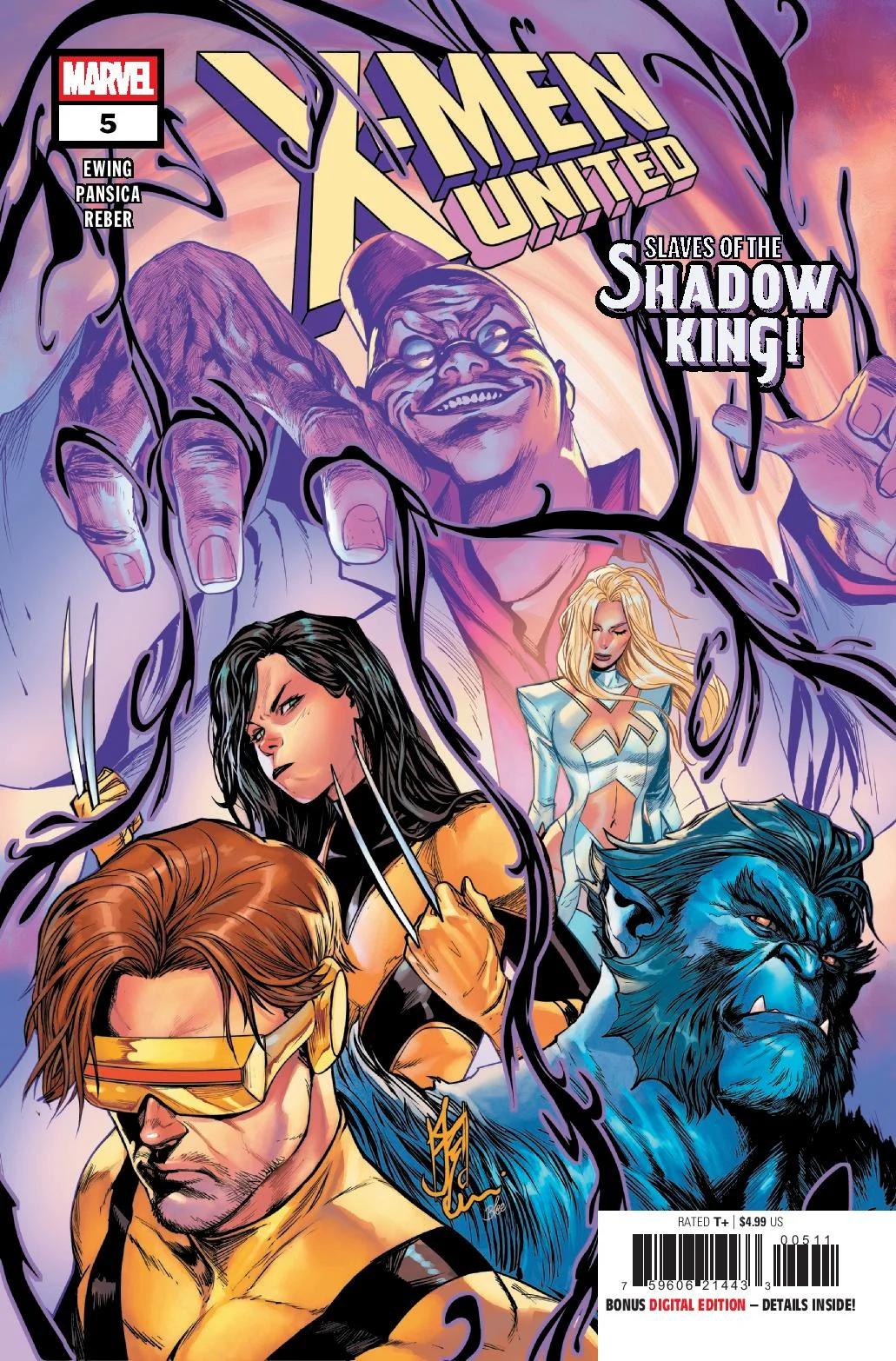
The stakes have never been higher for the mutant population, and as the latest installment of Marvel’s flagship title, X-Men United #5, hits shelves this week, fans are reeling from a narrative shift that threatens to dismantle the fragile stability of Graymatter Lane. Written by the critically acclaimed Eve L. Ewing and featuring the dynamic, high-stakes pencils of Eduardo Pansica, this issue marks a pivotal turning point in the current arc. What began as a hopeful gesture of unity has spiraled into a tactical nightmare, leaving the X-Men vulnerable, isolated, and facing threats from both the known and the mysterious.
Main Facts: A Dream Deferred
At the heart of X-Men United #5 is a simple, perhaps naive, desire for connection. Iceman, long a staple of the X-Men roster and a character known for his emotional resonance, attempted to orchestrate a moment of respite. His dream was to bring the disparate members of the X-Men together for a period of "fun times and fellowship." In the high-pressure environment of contemporary mutant politics, such a request for levity was intended to serve as a morale booster—a rare opportunity for the team to recalibrate before the next inevitable crisis.

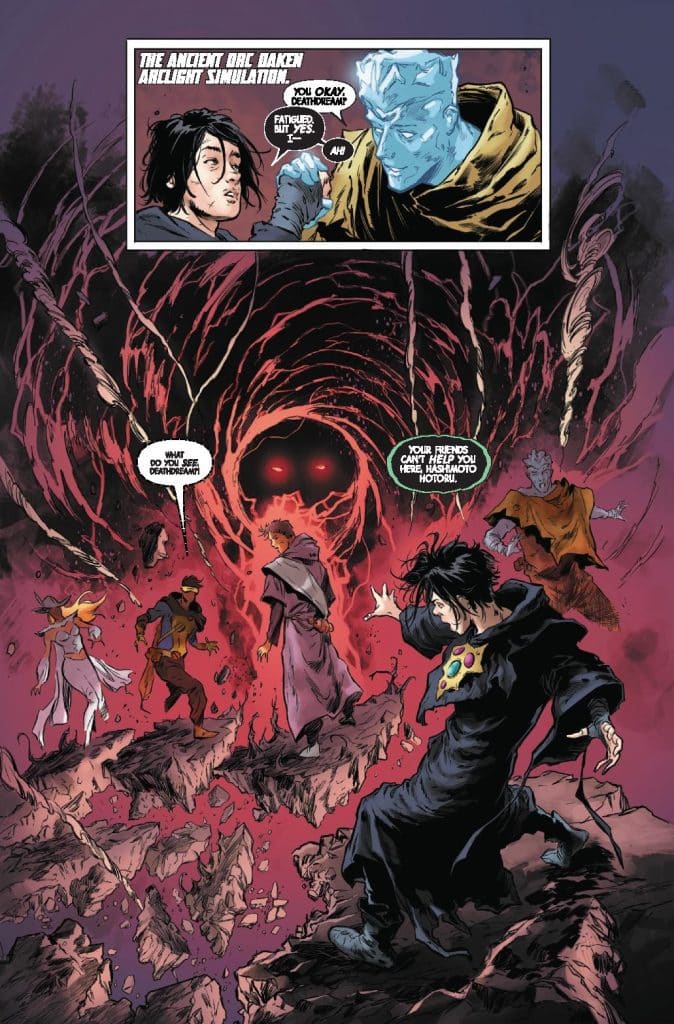
However, as is often the case in the Marvel Universe, good intentions paved the way for disaster. The attempt to foster unity backfired spectacularly, resulting in the core teaching staff of the X-Men being displaced from their home base at Graymatter Lane. They find themselves trapped on a distant plane of existence, severed from their primary communications and defensive systems. This creates an immediate power vacuum at the school, leaving the campus exposed to external threats at the worst possible moment.
Chronology of the Crisis
The events of the issue unfold with a rapid, claustrophobic intensity that highlights the precarious position of the team.
- The Gathering: The issue opens with the final preparations for Iceman’s assembly. The atmosphere is optimistic, contrasting sharply with the somber tone of previous issues.
- The Displacement: Within the first few pages, the "fellowship" gathering is interrupted by a catastrophic dimensional rift. The teaching corps, including the most experienced strategists, are forcibly transported to an extra-dimensional plane, effectively neutralizing them.
- The Vulnerability: With the mentors gone, the narrative shifts to the security of Graymatter Lane. The school is left in a state of high alert, managed by those who were not part of the initial gathering.
- The Siege: As the dust settles on the empty halls of the school, two distinct threats materialize. On one side, we see the calculated arrival of Lourdes Chantal, whose motives remain shrouded in ambiguity but whose presence is undeniably hostile. On the other, a "shadowy figure" is introduced—a character whose identity remains the primary hook of the issue’s cliffhanger.
- The Mystery: The issue concludes with the introduction of a new, enigmatic character: Justina LaGuardia. Her arrival on the scene is framed as the ultimate complication, leaving readers to question whether she is an ally, an antagonist, or a wild card in an already volatile situation.
Supporting Data and Character Dynamics
The brilliance of Eve L. Ewing’s writing in this issue lies in the character work. By isolating the teaching corps, Ewing forces the younger or less experienced mutants to step into leadership roles. This is a classic X-Men trope, but it feels fresh here due to the specific characterizations provided by Pansica’s art.

Pansica’s visual storytelling excels in the action sequences, particularly during the transition to the alternate plane. His ability to convey scale and disorientation adds a visceral layer to the script. The character designs, especially for the new addition, Justina LaGuardia, suggest a level of sophistication and complexity that hints at a larger, potentially cosmic, role for the character in future issues.
Furthermore, the tension between the characters left behind is palpable. The "bad timing" mentioned in the official solicitations is an understatement; the X-Men are currently navigating a period of political scrutiny that makes them particularly susceptible to internal and external subversion.
Official Responses and Editorial Context
While Marvel Comics has kept the specific plot details of the X-Men United arc under tight wraps, the editorial team has hinted that this issue acts as a catalyst for a much larger, event-level conflict.

In a brief statement regarding the issue’s direction, the creative team noted, "We wanted to explore what happens when the safety net is pulled out from under the X-Men. We often see them as an invincible force, but this issue strips them of their numbers and their home, forcing them to confront who they are when they are truly alone."
The inclusion of characters like Lourdes Chantal—a character with a complex history and a penchant for shifting loyalties—indicates that Ewing is pulling from deep within the X-Men’s lore to challenge the current status quo. Fans have already taken to social media to speculate on the nature of Justina LaGuardia, with theories ranging from her being a product of the dimensional rift to a long-lost operative from a hidden branch of the mutant community.
Implications: A New Era of Uncertainty
The fallout from X-Men United #5 is set to ripple across the entire line. The most significant implication is the total loss of the "teaching corps" as a functioning unit. Without their mentors, the students at Graymatter Lane must adapt or perish. This shift in the power dynamic could lead to a fracture within the mutant community, as different factions might view the school’s vulnerability as an opportunity to push their own agendas.

Furthermore, the introduction of the "shadowy figure" and the mysterious LaGuardia suggests that the threat to the X-Men is no longer just physical; it is structural and ideological. If the X-Men cannot secure their home base, their credibility as a protective force for mutant-kind will diminish significantly.
The political ramifications are equally concerning. In an era where mutant rights and safety are subject to intense public and government debate, an exposed and compromised school is a gift to those who seek to dismantle the X-Men’s influence.
What to Expect Next
As we look ahead to issue #6 and beyond, the focus will undoubtedly be on the struggle of the mentors to return from their extra-dimensional exile. Will they be able to bridge the gap between their current reality and Graymatter Lane before the school is overrun? And what role will Justina LaGuardia play in the unfolding drama?
The pacing of this issue suggests that the "fun times" Iceman envisioned are permanently off the table. Instead, the X-Men are entering a phase of survival that will define the rest of the year. For fans of deep-cut character development and high-stakes political intrigue, X-Men United #5 is a mandatory read. It is a masterclass in how to dismantle a status quo and rebuild it with higher stakes and more questions than ever before.
X-Men United #5 is available now at your local comic shop and through digital platforms. Make sure to stay tuned to Graphic Policy for our full review and ongoing coverage of the X-Men’s struggle to regain their footing in a world that is increasingly hostile to their very existence.