Neng Nana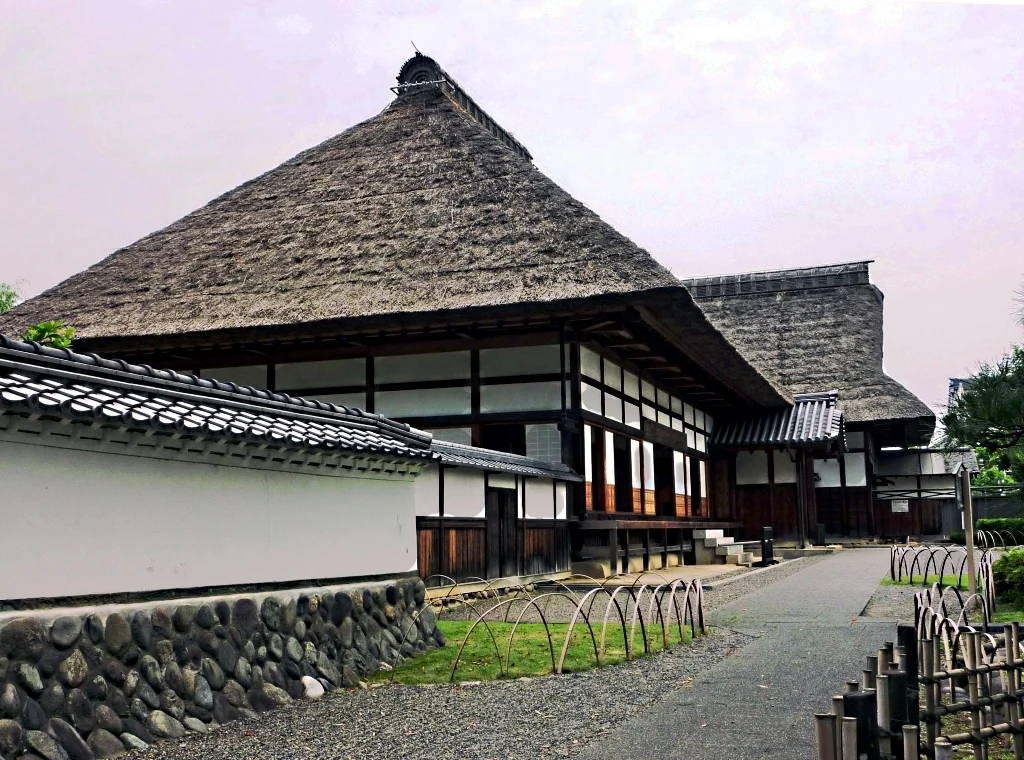
Deep within the Tochigi Prefecture, hidden away from the frenetic neon pulse of Tokyo and the well-trodden tourist circuits of Nikko, lies a site of profound historical gravity. Ashikaga Gakko (足利学校) stands not merely as a collection of restored wooden halls and manicured rock gardens, but as a testament to the endurance of the human intellect. As the oldest standing academic institution in Japan, with roots that reach back over a millennium, it serves as a bridge between the medieval scholarly traditions of East Asia and the modern Japanese educational identity.
Main Facts: An Institutional Titan
Ashikaga Gakko is an anomaly in the world of heritage tourism. While the site is officially recognized as a National Historic Site, it is often overlooked by the casual foreign traveler. Yet, for those who seek the bedrock of Japanese intellectual culture, it is non-negotiable.
The site, located in the quiet city of Ashikaga (population 145,000), has been in continuous educational use since at least the 9th century. Documentary evidence points to a founding date between 839 and 842 CE. To put this into perspective, Ashikaga Gakko predates the University of Bologna (1088), Oxford (c. 1096), and Cambridge (1209). By the time European universities were beginning to solidify their institutional structures, Ashikaga Gakko was already a well-established center for Confucian scholarship.
At its zenith in the mid-16th century, the academy hosted 3,000 students. Its library, a treasure trove of Confucian classics, was the most comprehensive in the country, earning it a legendary reputation that reached the ears of the Jesuit missionary Francis Xavier. In a 1549 letter to Rome, Xavier famously described the academy as "the largest and most famous academy in Eastern Japan."
A 1,200-Year Chronology of Intellectual Heritage
The history of Ashikaga Gakko is a saga of rise, decline, and meticulous preservation. While scholars debate whether the school was originally founded by Ono no Takamura (802-853) or Prince Shimotsuke, the consensus on its 9th-century origins remains firm.
The Medieval Revival (1432)
After a period of decline during the late Heian and early Kamakura eras, the school underwent a transformative revival in 1432. Uesugi Norizane, the influential lord of Shimotsuke Province, recognized the academy’s potential as a bastion of civilization. He invited renowned Zen scholar-monks from the Engaku-ji temple in Kamakura to lead the institution. Norizane also donated his personal library, which included rare Song Dynasty Confucian texts. This influx of resources shifted the curriculum toward rigorous Confucian and classical philosophy, establishing the academic rigor that would define the school for the next four centuries.
The Hojo Peak and Institutional Identity
The school’s golden age occurred under the patronage of the Hojo clan of Odawara. During this period, the curriculum was strictly defined. While the instructors were Zen monks, the school was staunchly secular in its focus. Students were immersed in the "Four Books and Five Classics," the I Ching for practical divination, Chinese medicine, and military strategy. Crucially, Buddhist theology was explicitly excluded from the classroom—a unique distinction that separated the school’s academic mission from the monastic training occurring in neighboring temples.
The Meiji Transition and Modern Restoration
The arrival of the Meiji Restoration in 1868 brought the school’s long tradition to an abrupt halt. The new government’s modernization efforts marginalized the Confucian academic system, and Ashikaga Gakko was shuttered. The library was dispersed, and parts of the site were repurposed for local elementary education.
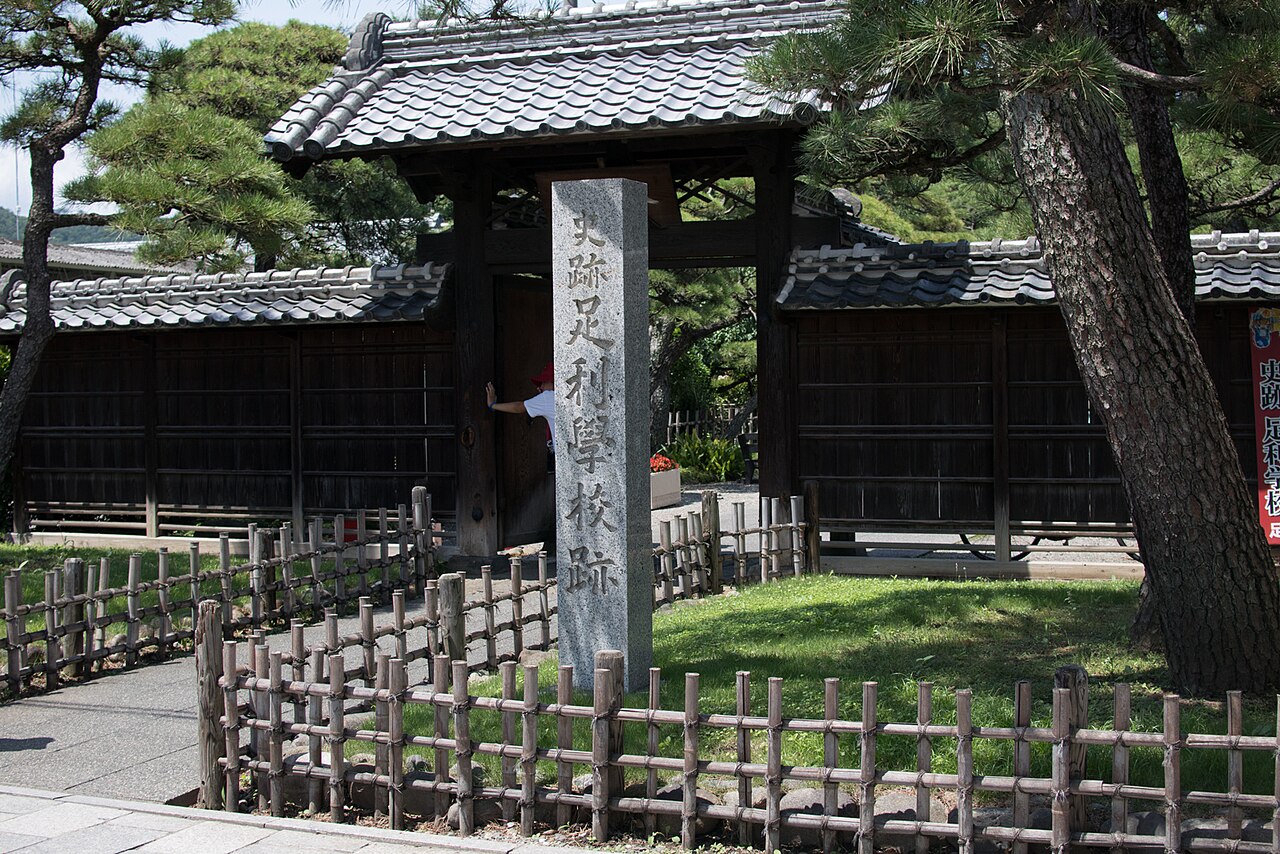
It was not until 1928 that the site received formal protection as a National Historic Site. The current physical incarnation—a stunning restoration of the Edo-period layout—was completed in 1990. This massive undertaking relied on decade-long archaeological excavations and a deep-dive into historical textual records to ensure that every beam, tatami mat, and garden stone reflected the school’s appearance between 1660 and 1680.
Supporting Data: The Anatomy of the Campus
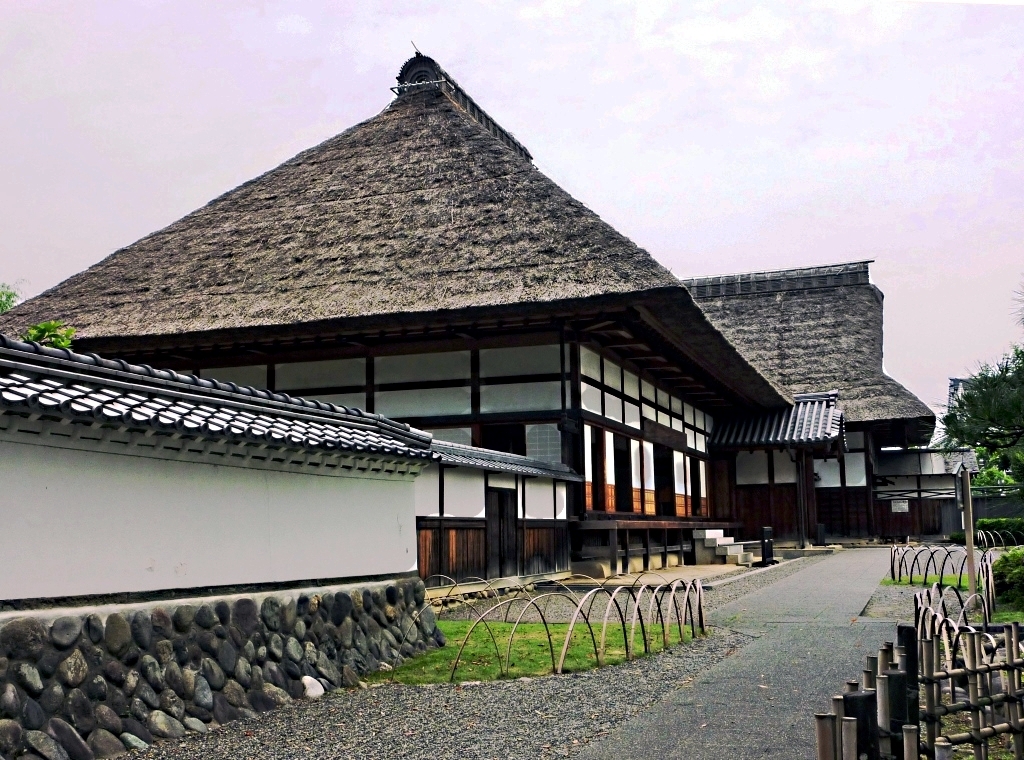
A visit to the modern site offers an immersive look at a 17th-century learning environment. The compound, covering 8,000 square meters, is designed as a sequence of experiences:
- The Nyutoku-mon Gate: Known as the "Entering Virtue Gate," this is where students once bowed to signify their commitment to their studies.
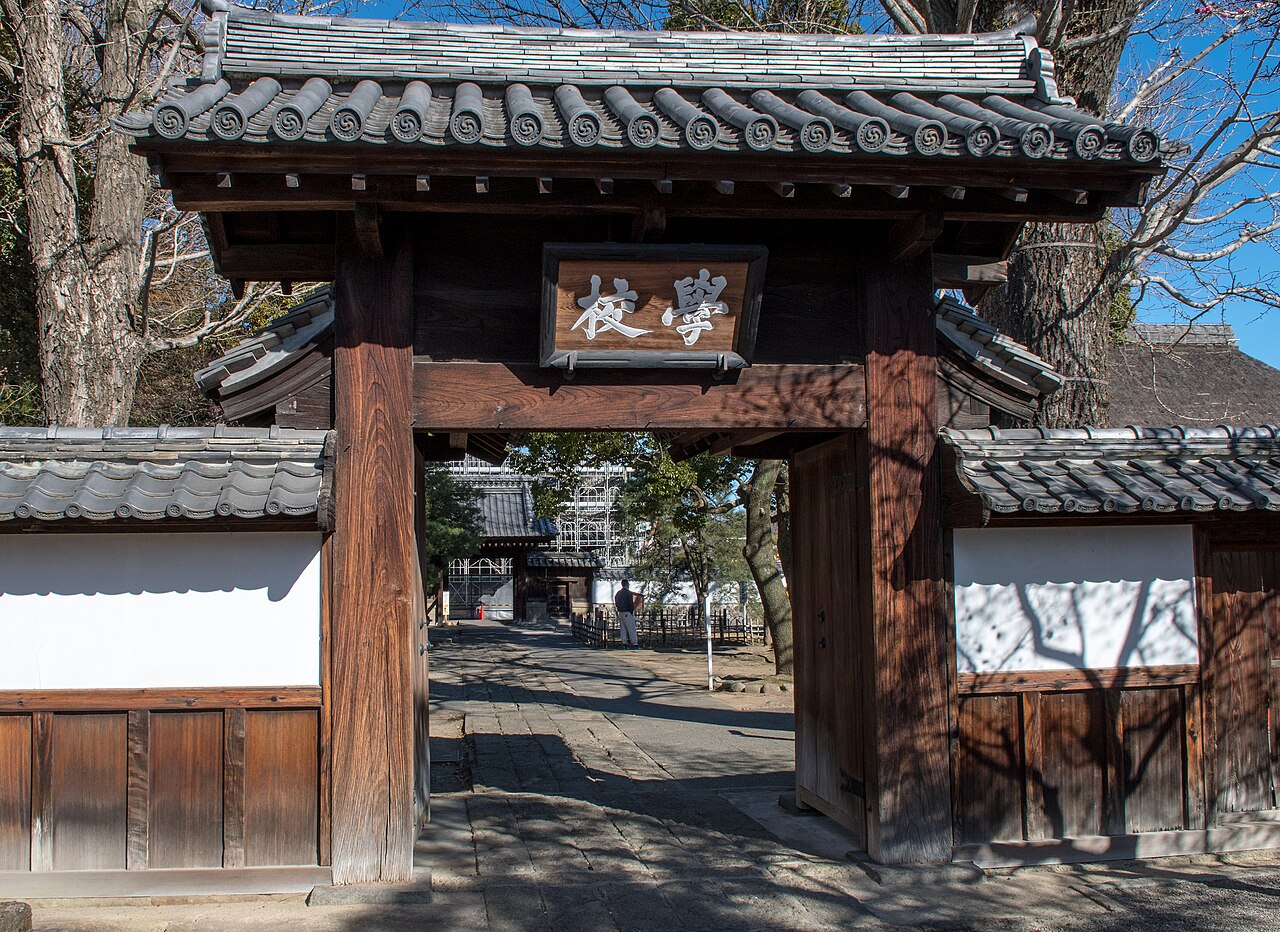
- The Gakko-mon Gate: The site’s most iconic feature, incorporating 17th-century original stone plinths with 1990 reconstructed woodwork.
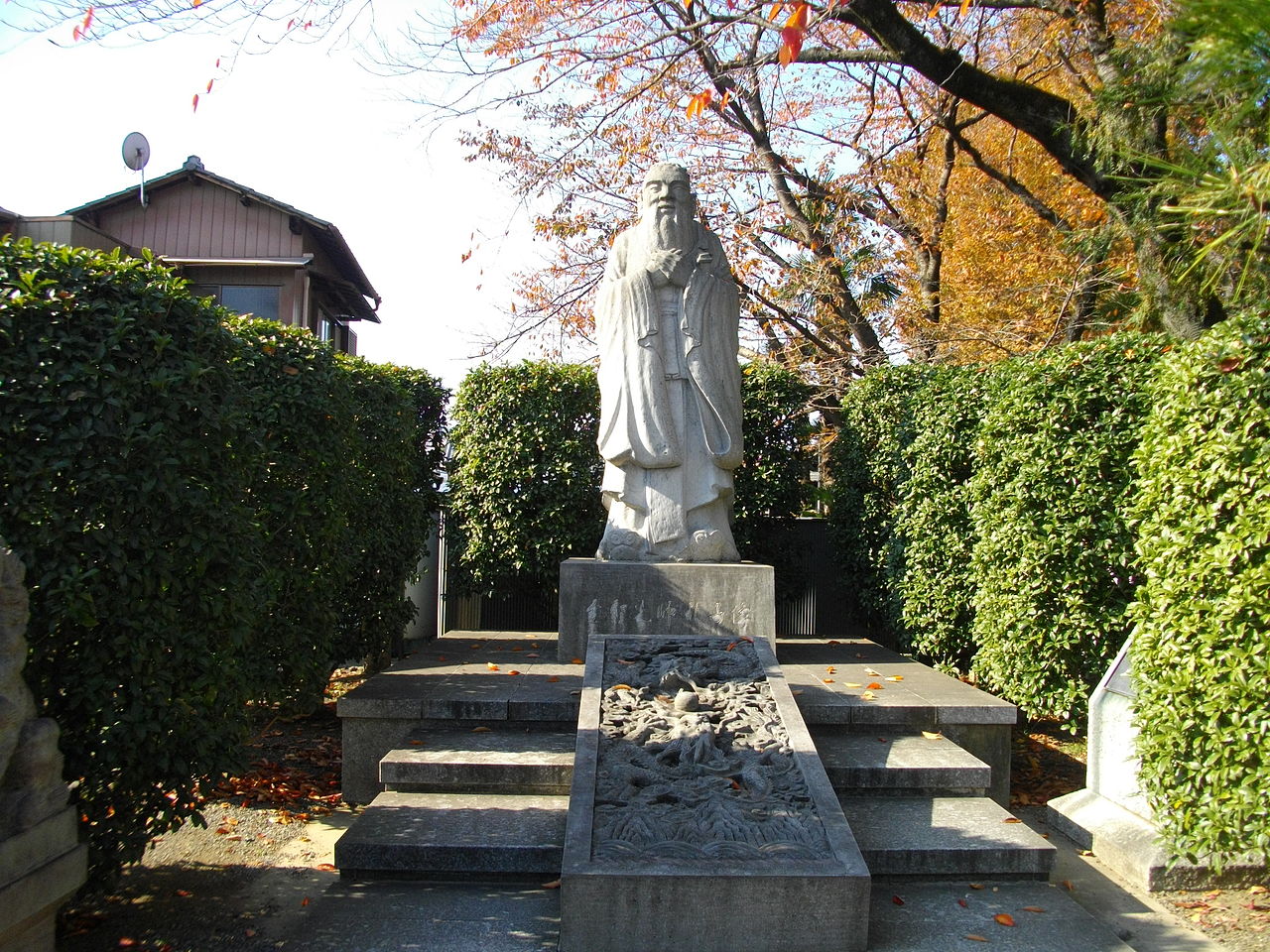
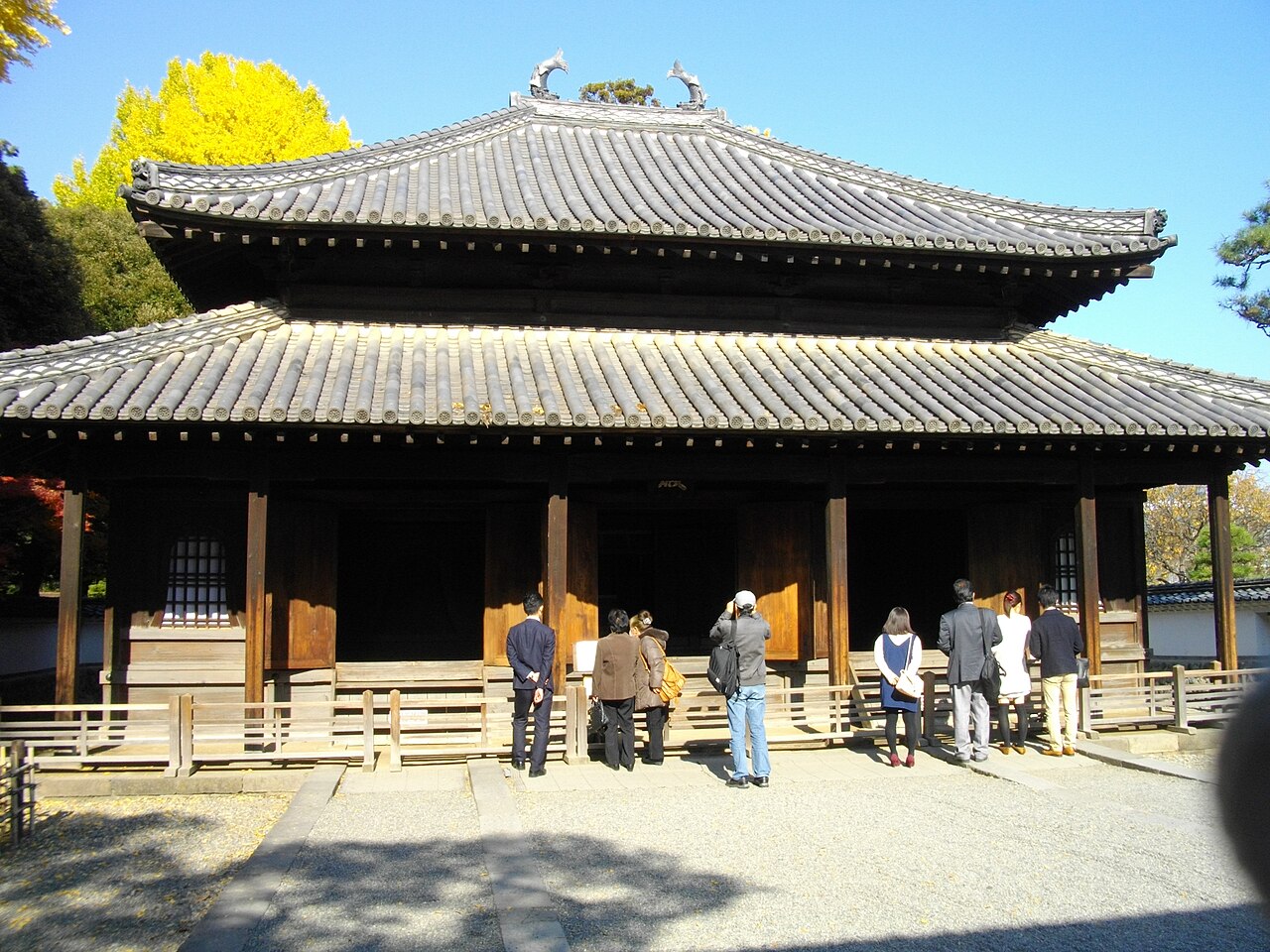
- The Koshibyo (Confucian Temple): The spiritual heart of the school. It houses a 16th-century Confucius statue, one of the oldest in Japan, and remains the only site in the country where the original sekiten rites—a solemn, ancient Confucian ceremony—are still performed annually.
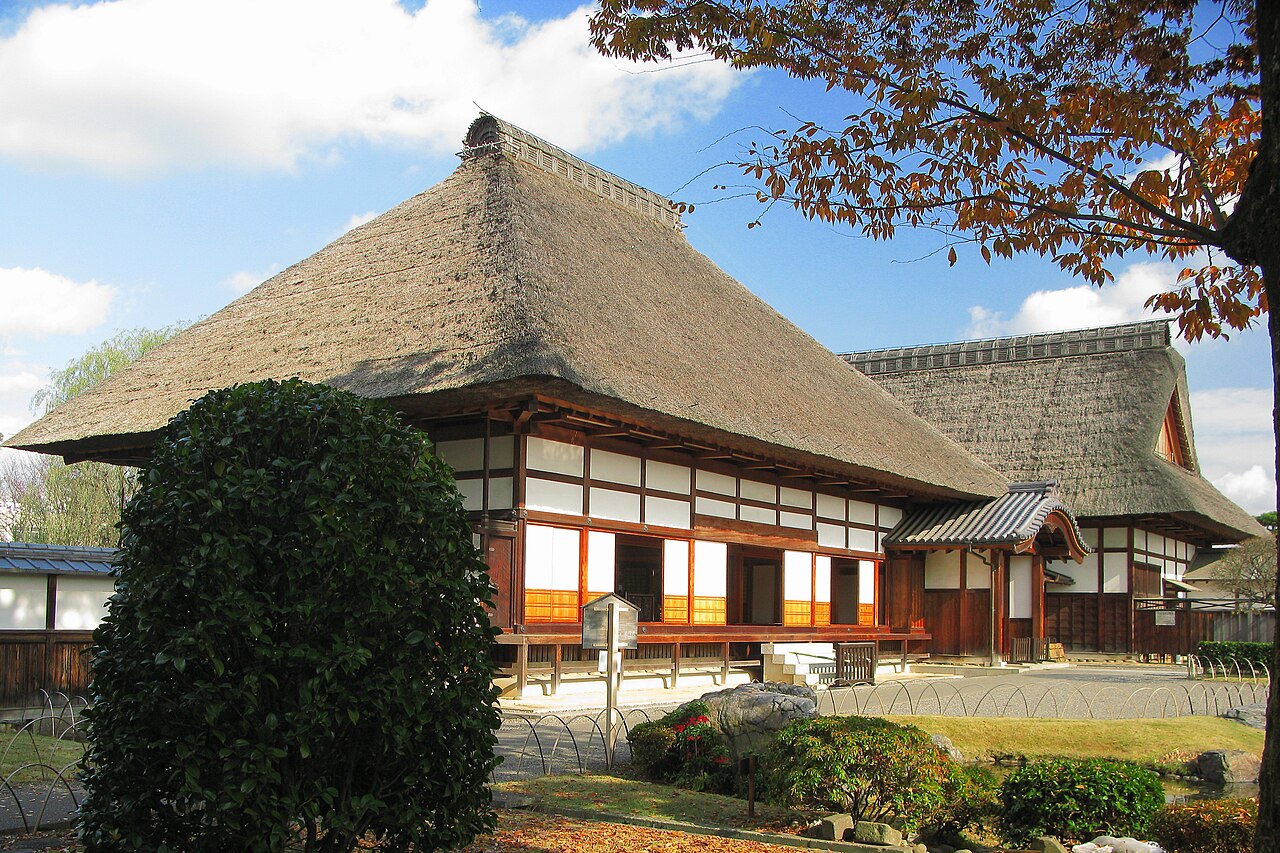
- The Hojo (Main Hall): This served as the primary residence and teaching hall. Visitors can walk through these rooms to visualize the environment where the shoshi (head teacher) lived and instructed his students.
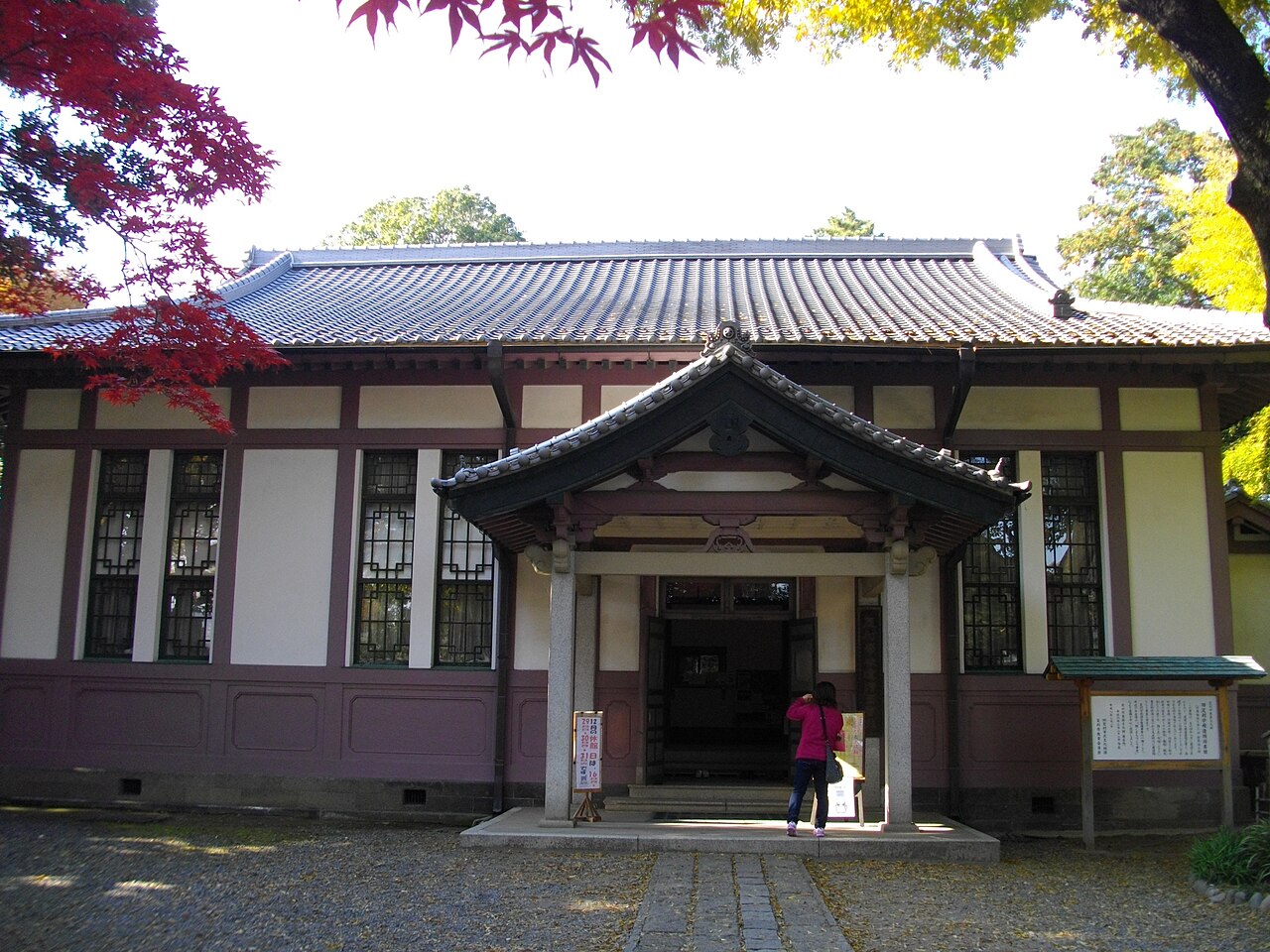
- The Library Wing: While the original manuscripts reside in the Tokyo National Museum, the library wing displays exquisite facsimiles that highlight the school’s historical role as the primary repository of Chinese classics in Japan.
Official Responses and Preservation Philosophy
The Japanese academic and cultural community treats Ashikaga Gakko with a reverence that borders on the sacred. Unlike some cultural sites that are treated as mere tourist attractions, the administration of Ashikaga Gakko emphasizes "living history."
The persistence of the sekiten rituals—conducted with traditional white robes, classical music, and rice-wine offerings—is a point of pride for local authorities. These rituals are not staged performances; they are continuity markers. Furthermore, the weekly "Analects Read-Aloud" sessions offered from spring to autumn demonstrate a commitment to keeping the school’s pedagogical spirit alive. By inviting members of the public to learn classical Chinese pronunciation and recite the Analects, the school preserves the methodology of the past rather than just its architecture.
Implications for Modern Cultural Tourism
What does the existence of Ashikaga Gakko mean for the traveler today? Its implications are three-fold:
1. A Counter-Narrative to the "Tokyo-Kyoto" Axis
Most international visitors limit their Japanese experience to the high-speed rail corridor between Tokyo and Kyoto. Ashikaga Gakko provides a necessary deviation. It allows for a deeper understanding of the "Provincial Intellectual Powerhouse"—the idea that important centers of learning existed far from the imperial capital, fostering a regional pride and intellectual depth that defined the Edo period.
2. The Value of "Slow Travel"
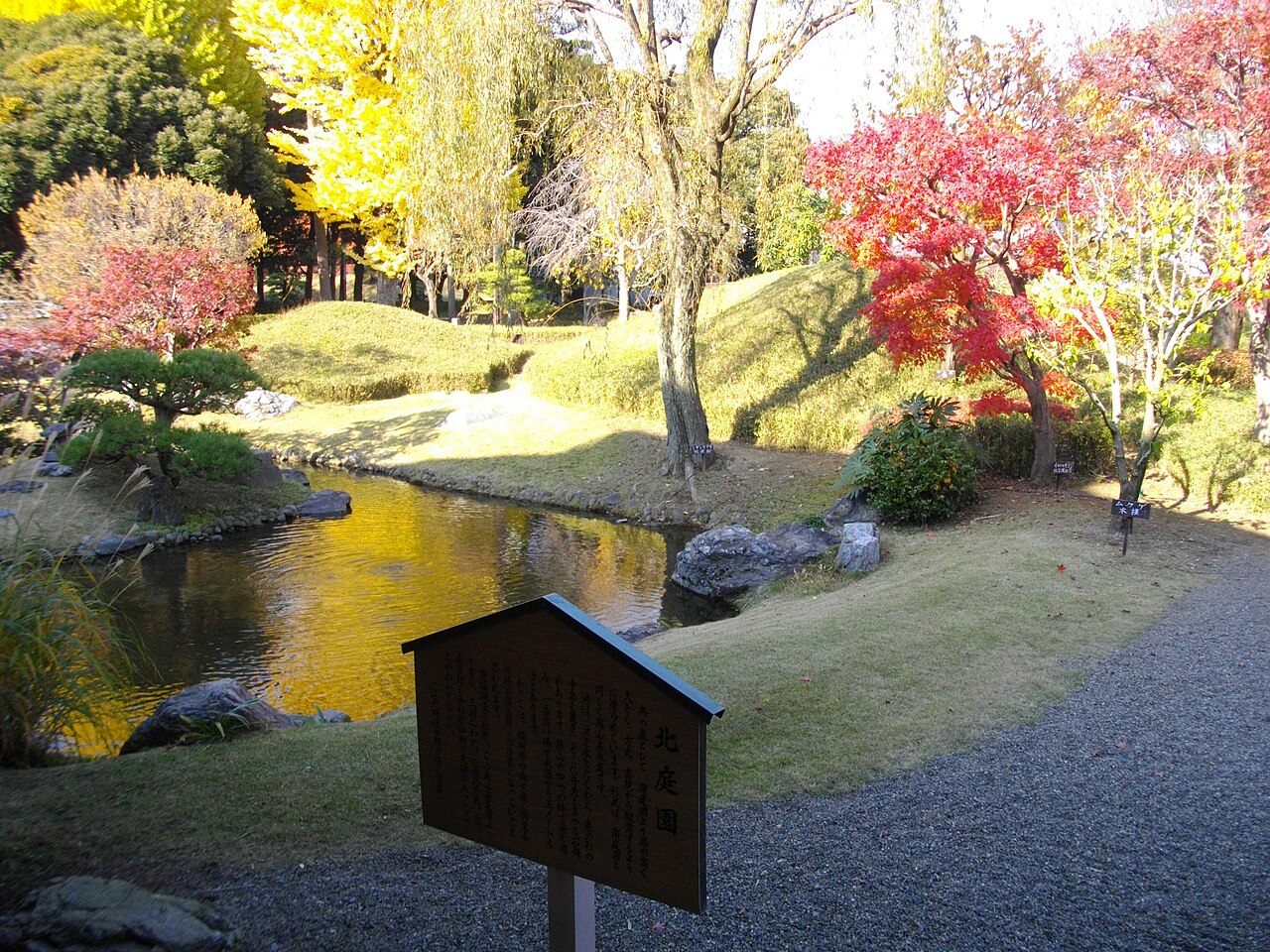
In an era of over-tourism, where iconic sites are often packed with crowds, Ashikaga Gakko offers the luxury of silence. A weekday morning spent in the Northern Garden—a masterclass in dry-stone Zen aesthetics—provides a meditative experience that is increasingly rare in major Japanese cities.
3. A Pilgrimage for the Humanities
For educators, historians, and students of philosophy, this is a pilgrimage site. Seeing the physical space where generations of Japanese scholars grappled with the same texts that define East Asian political and social thought for centuries offers a visceral connection to the past that a textbook cannot replicate.
Conclusion: Is It Worth the Trip?
For the general traveler, Ashikaga Gakko is best experienced as part of a wider cultural circuit. Combining the school with the nearby Banna-ji temple, the Orihime Shrine, and the seasonal splendor of the Ashikaga Flower Park creates a perfect, high-impact day trip from Tokyo.
However, for those who value the intersection of architecture, philosophy, and history, the school is essential. It is not just a building; it is a monument to the human desire to learn, categorize, and preserve knowledge against the eroding tides of time. Whether you are observing the red maples of the Northern Garden in November or listening to the rhythmic, ancient cadence of the Analects being read aloud in the Hojo, Ashikaga Gakko reminds us that some institutions are truly built to last.
Quick Reference for the Prospective Visitor
- Access: Approximately 75–90 minutes from Tokyo. The Tobu Line to Tobu-Ashikagashi Station is the most efficient, followed by an 8-minute walk.
- Best Time to Visit: Mid-October to early November for the autumn foliage, or the second Saturday of April/October to witness the sekiten rites.
- Time Allocation: Plan for 60 to 90 minutes. Do not miss the English audio guide available at the entrance—it is an invaluable tool for navigating the historical context of the library and the Hojo hall.



 Asro
Asro