Asro
Asro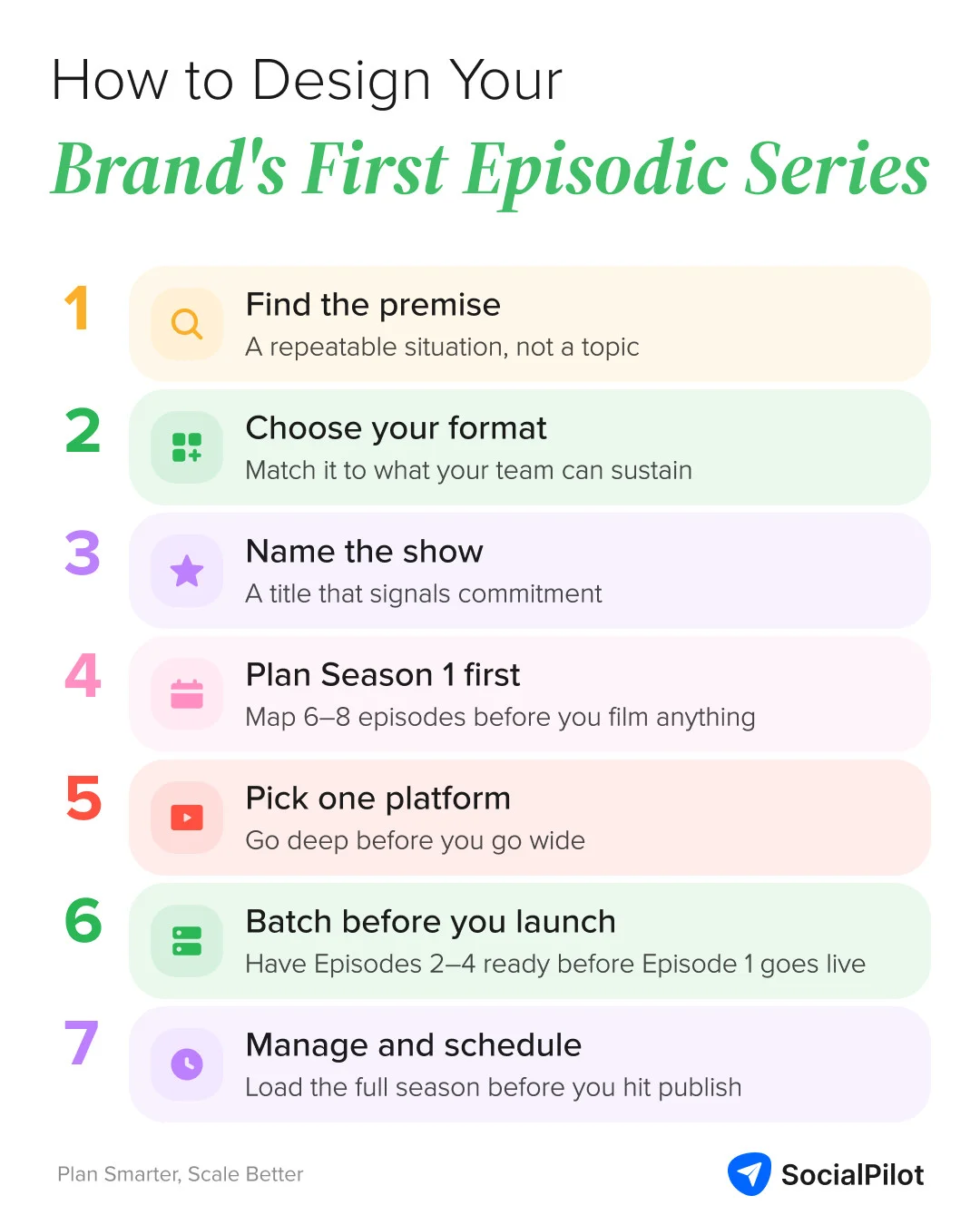
For years, the mandate for social media managers was clear: consistency is king. If you posted three times a day, utilized high-quality visuals, and adopted a conversational tone, the algorithm would reward you with reach. But for many brands, that strategy is hitting a wall. Despite meticulous content calendars and flawless brand aesthetics, engagement is stagnating.
The data suggests a shift in user behavior. According to the Social Media Benchmark Report 2026, while average engagement rates on Instagram and LinkedIn rose by 12% and 14% respectively, the "spray and pray" approach is failing. Audiences are not tuning out of social media; they are becoming increasingly selective. In 2026, the primary challenge for brands is no longer just "posting"—it is giving users a compelling reason to return.
The Death of "Random Acts of Content"
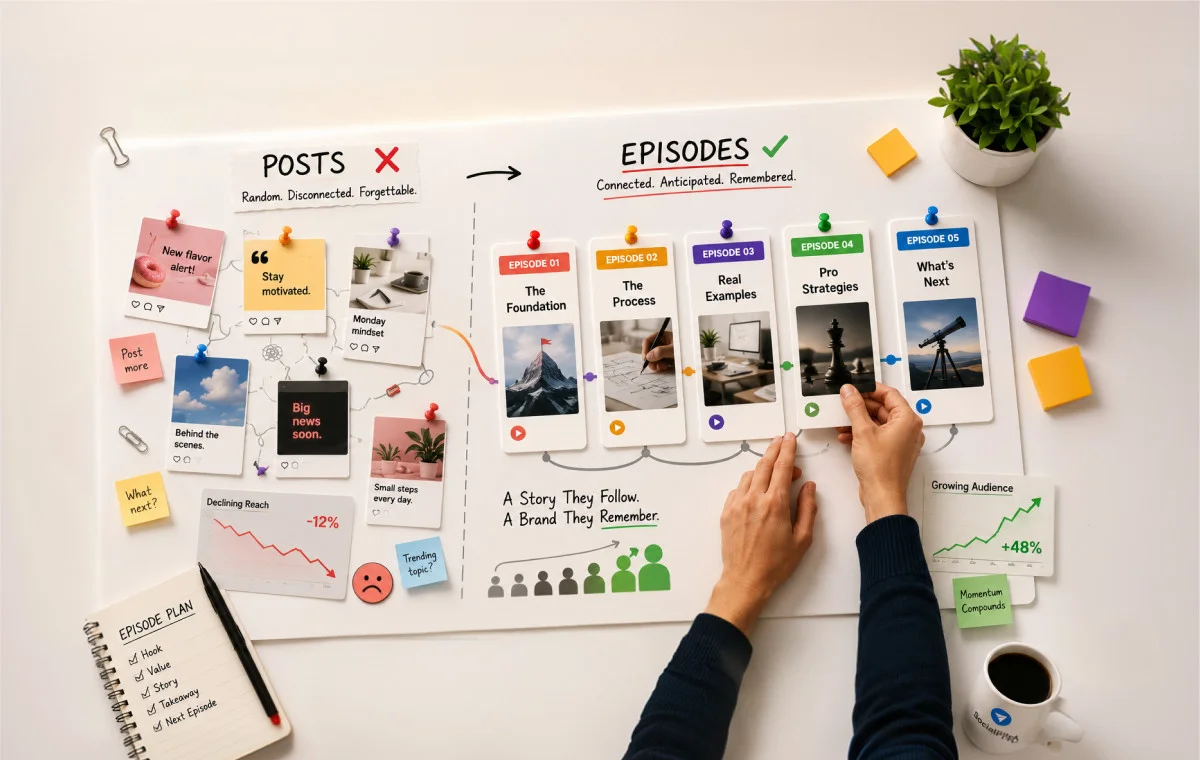
The frustration felt by many social media professionals—the feeling that you are shouting into a void despite hitting your publishing quotas—is not a failure of effort. It is a failure of format. When every post is a standalone, one-off execution, the brand resets its equity to zero every time a new image or video goes live. There is no through-line, no narrative, and ultimately, no "tune-in" value.
Brand strategist Allie Wassum aptly describes this as "random acts of content." These are posts that may perform well in isolation but fail to build a cohesive identity or a loyal audience. In contrast, episodic content—a serialized, recurring format with a consistent premise—is designed to compound interest over time. Instead of relying on the algorithm to find new people for every post, you are building a habit-forming show that audiences actively seek out.
Chronology of the Shift: From Reach to Retention
For the better part of a decade, social media algorithms were optimized for raw impressions. The goal was to cast the widest net possible. However, 2026 marks a turning point where platforms are prioritizing retention.
The Evolution of Algorithm Logic
- 2020–2023: The "Reach Era." Frequency was the primary driver of success. The more you posted, the more visibility you secured.
- 2024–2025: The "Engagement Era." Likes, comments, and shares became the currency of the realm, forcing brands to pivot toward more interactive, albeit often shallow, content.
- 2026–Present: The "Retention Era." Metrics like completion rates, replay counts, saves, and return visits are the new benchmarks. Platforms are now rewarding accounts that keep users on their app longer by delivering high-value, serialized content.
According to the Sprout Social Content Strategy Report 2026, 70% of marketers now view episodic content as the single most important lever for brand differentiation. This realization has triggered a scramble to move away from disjointed posts toward structured shows.
Supporting Data: Why Episodic Content Wins
The shift toward episodic storytelling is not merely a creative trend; it is a response to cold, hard data.
Case Studies in Serialized Success
The success stories of the past year provide a blueprint for small teams with limited resources:
- The Anti-Recidivism Coalition (ARC): With a lean team of four and zero professional studio equipment, ARC launched "The Formerly Incarcerated Office." By utilizing a recognizable mockumentary format—a style the audience already understood—they bypassed the need for lengthy introductions and generated over 200,000 views.
- The National Gallery of Art: By focusing on a recurring character, 77-year-old curator Alison Luchs, the museum turned simple, unscripted segments into a 9-million-view phenomenon. This proved that a consistent "voice" and "character" are more powerful than high-budget production.
- Bilt’s "Roomies": The fintech brand used a scripted, short-form series to depict the lives of roommates in New York City. The series functioned as a natural conversion mechanism for their product, generating over 8 million organic views and earning a Webby Award. Crucially, the product was integrated into the narrative, not force-fed to the viewer.
These examples underscore a vital reality: the barrier to entry is not budget—it is the willingness to commit to a format.
The Strategic Anatomy of a Series
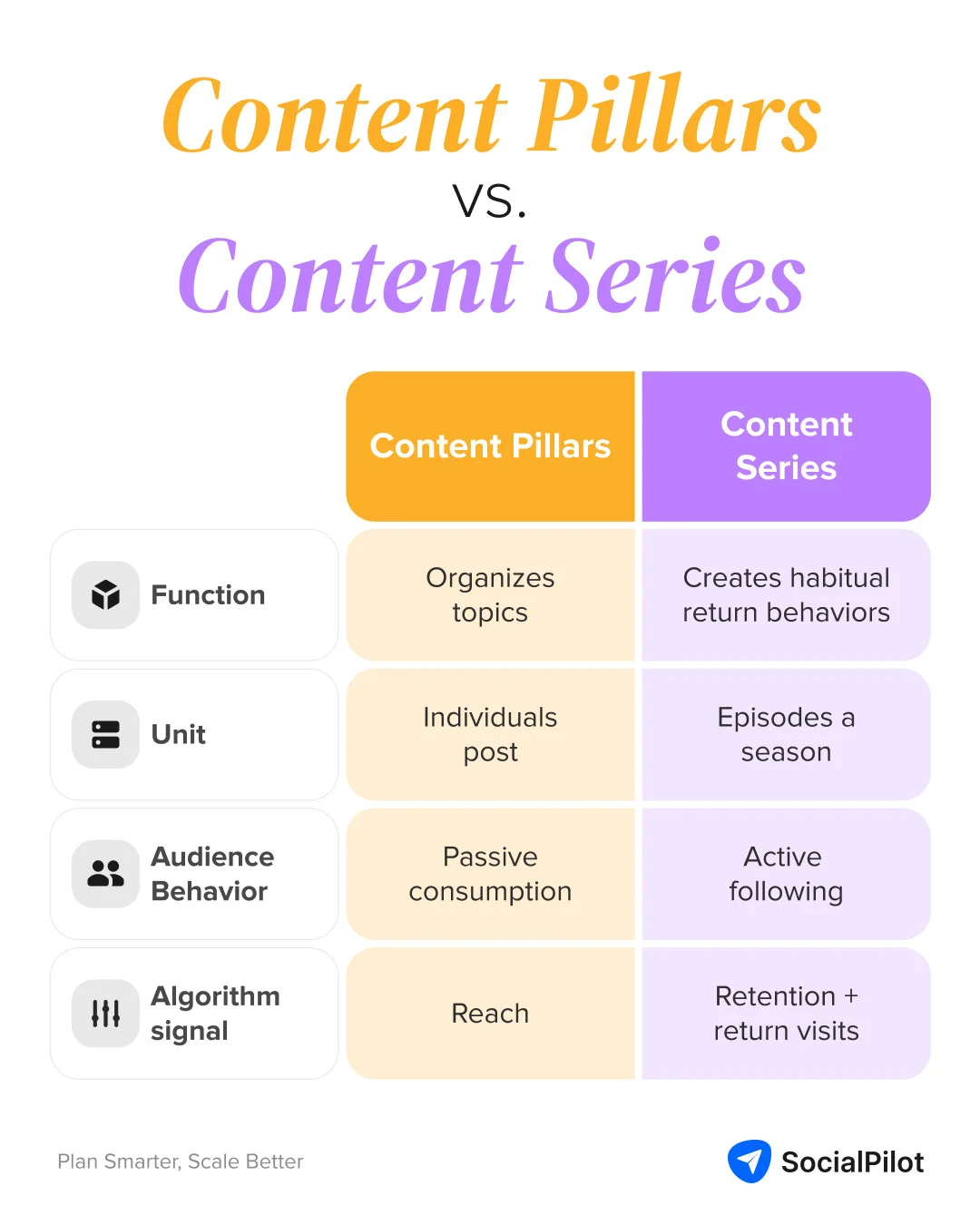
Many brands attempt to build a series but fail because they confuse "content pillars" with "episodic shows." A content pillar is a topic (e.g., "Industry News"), whereas a show is a format (e.g., "Five Minutes of News You Actually Need").
To be successful, a series must incorporate three foundational elements:
- Recurring Premise: A consistent situation or question. The content inside the episode can change, but the "hook" must remain constant.
- Consistent Anchor: A host, a character, or a specific point of view that the audience can bond with over time.
- Predictable Cadence: Reliability is the bedrock of habit formation. If your audience doesn’t know when the next episode drops, they won’t build the ritual of tuning in.
Tactical Implementation: Resource-Level Matrix
| Format | Resource Requirement | Key Benefit |
|---|---|---|
| Interview/Talk Show | Host, Camera, Backdrop | High authority building |
| Documentary | Access, Smartphone | High emotional resonance |
| Mockumentary | Script, Acting commitment | High virality/Shareability |
| UGC-Led | Community management | Cost-efficient, high trust |
| Challenge/Test | Creative premise | High curiosity factor |
Implications for the Modern Marketing Team
The move toward episodic content has profound implications for how marketing teams are structured and how they measure success.
Rethinking Metrics
If you measure an episode using the same KPIs as a standard social post, you will likely conclude that it is underperforming. Standard posts are designed for discovery; episodes are designed for loyalty. Instead of obsessing over raw "Reach," brands should focus on:
- Return Viewers: How many people watched Episode 2 after Episode 1?
- Completion Rate: Are viewers staying until the end?
- Community Sentiment: Is the audience discussing the series in the comments?
- Series-Wide Engagement: Is the overall channel engagement trending upward over the course of the season?
The "Season" Philosophy
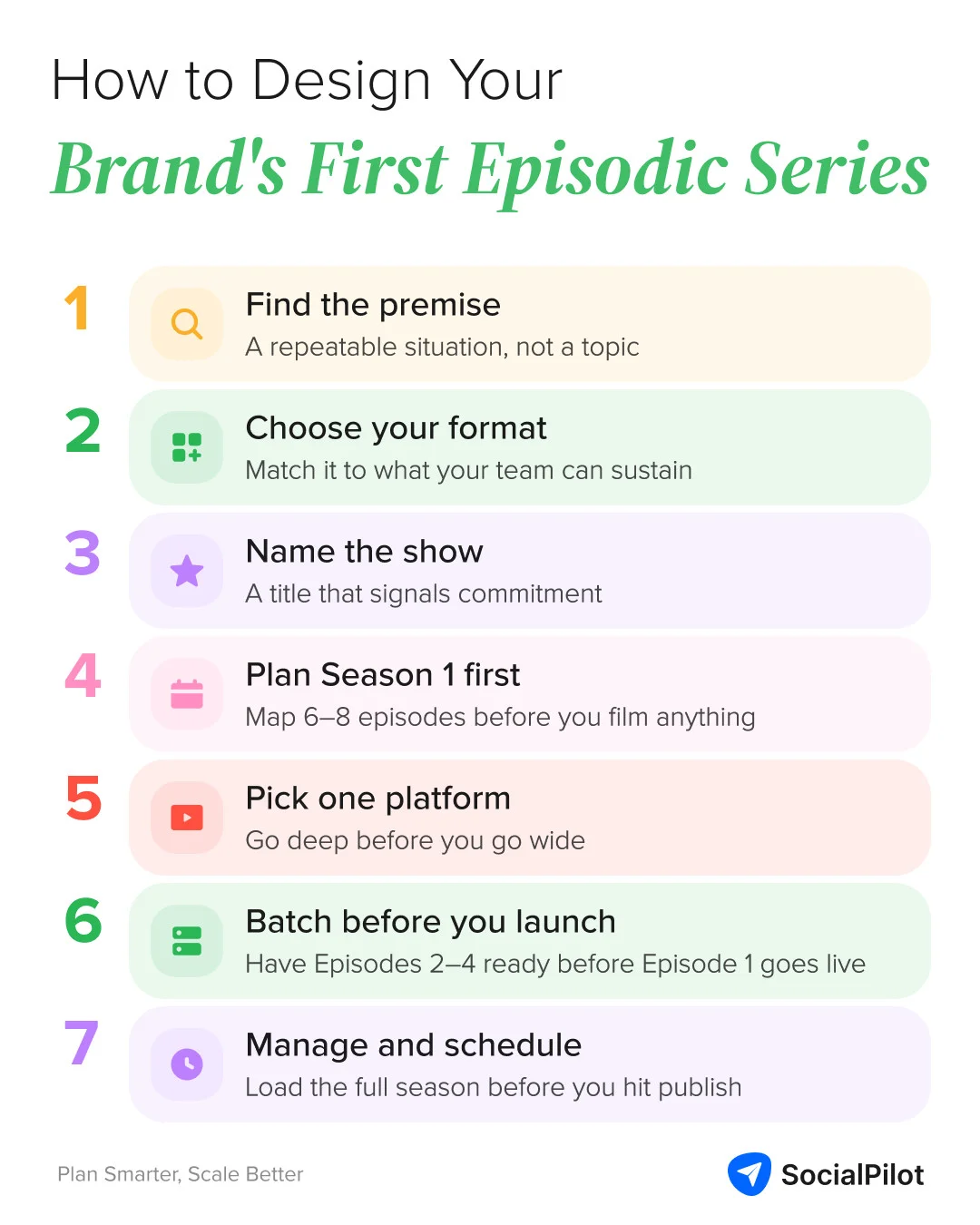
Planning should follow a seasonal model. Map out six to eight episodes before launching the first. This allows for an evaluation arc, giving teams the time to gather data and audience feedback. If you cannot map out six distinct episodes based on your premise, the premise is likely too thin.
The Role of Automation
The administrative burden of a series can be heavy, but it is manageable with the right infrastructure. Using tools like SocialPilot, teams can map an entire season in a content calendar, bulk-schedule uploads, and use AI to generate platform-specific captions. By removing the weekly scramble to "get something posted," teams can focus on the creative quality that makes a show worth watching.
Conclusion: Build the Show, Not Just the Calendar
In the competitive landscape of 2026, "posting" is a commodity. Anyone can publish a graphic or a quick video. But building a show is a commitment to a vision. It is a decision to move from being a source of background noise to a destination that your audience explicitly schedules time for.
The brands that thrive in the coming years will be those that realize their feed is not a billboard—it is a television network. Whether you are a non-profit, a museum, or a fintech firm, the path forward is the same: find a repeatable premise, commit to a consistent character, and give your audience a reason to come back next week. Stop chasing the algorithm and start building a show.


 Nana
Nana
 Jia Lissa