Nila Kartika Wati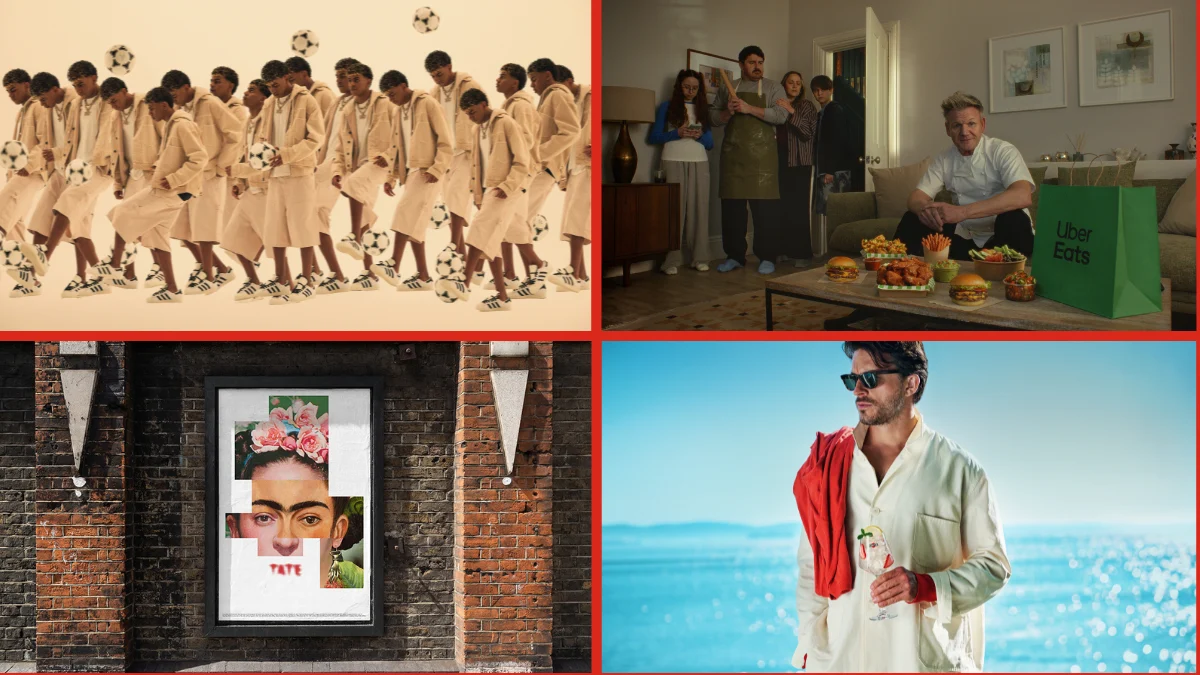
The advertising industry is currently in a state of high-velocity movement. As we approach the mid-year mark, the synergy between cultural relevance, celebrity integration, and platform-native content has never been more critical. From the glitz of the Cannes Lions stage to the intimate, algorithm-driven feeds of TikTok, brands are aggressively experimenting with tone, humor, and high-stakes partnerships to capture the fleeting attention of a fragmented global audience.
This week, the creative output across the industry has been defined by a pivot toward self-awareness. Whether it is ServiceNow leaning into the skepticism surrounding AI or Panera tapping into the manic energy of internet-famous creators, the mandate is clear: sincerity is out, and sophisticated, meta-humor is in.
The Landscape of Modern Advertising: Main Facts and Trends
The current advertising climate is marked by three distinct pillars: the rise of the "creator-led" narrative, the weaponization of cultural events, and the institutionalization of the "Most Effective" metric.
The Creator-Led Narrative
Brands are no longer merely hiring influencers to hold products; they are hiring creators to become the brand voice. The partnership between Panera and Jake Shane is a masterclass in this shift. By utilizing Shane’s specific brand of chaotic, conversational humor, Panera successfully bypassed the "ad-skip" reflex of younger demographics, opting for a narrative style that feels native to the user’s feed.
Cultural Hijacking
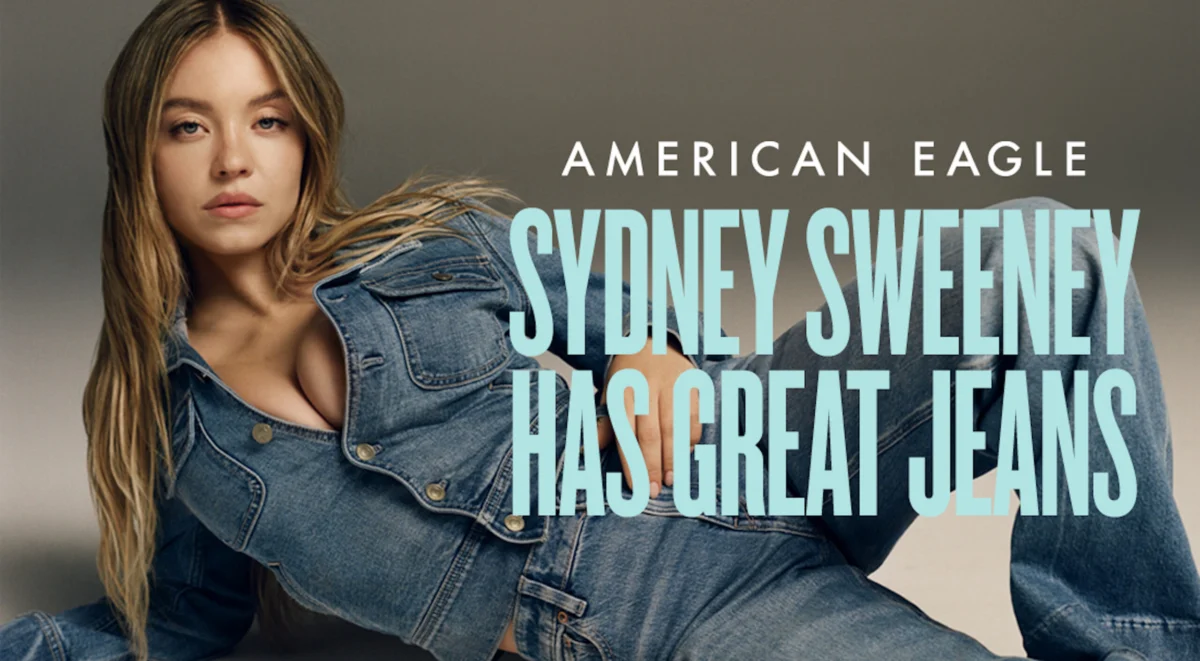
The World Cup and Wimbledon represent the seasonal anchors for global marketing spend. However, the approach has evolved. American Eagle and Uber Eats are not just buying airtime; they are embedding themselves into the "fever" of the events, creating campaigns that function as social commentary on the sports themselves rather than just product placement.
EDO Data and Efficacy
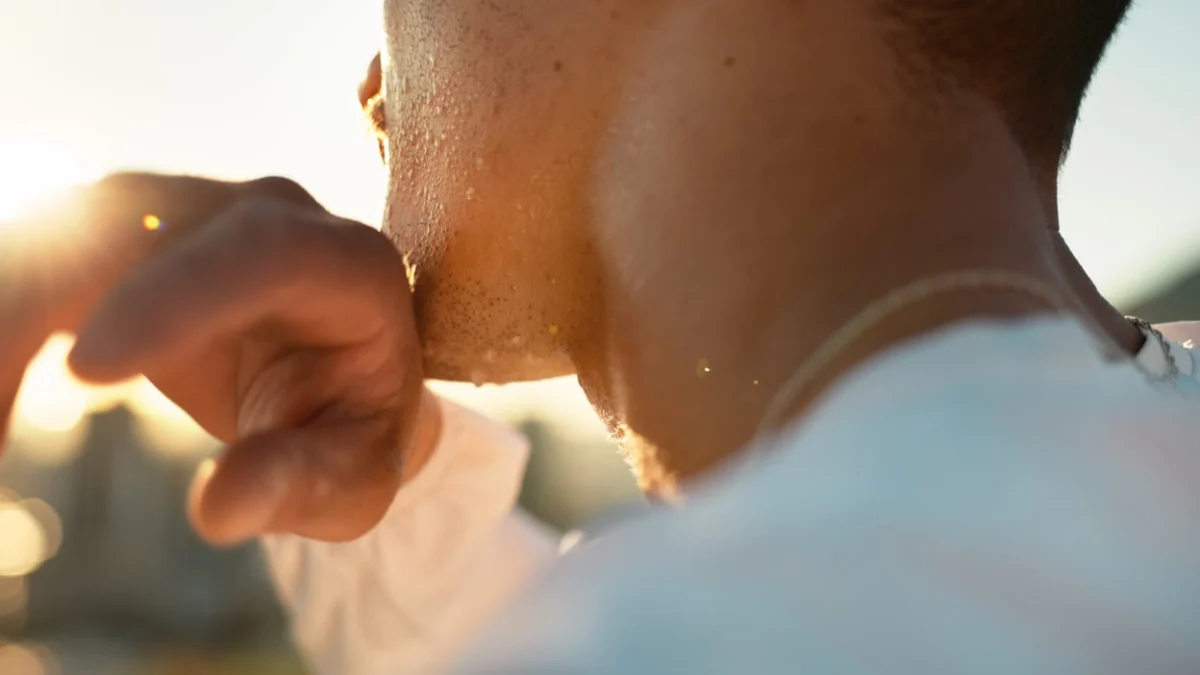
The integration of EDO’s engagement data provides a sobering, analytical backbone to the creative fluff. When an unconventional format—such as a simple makeup tutorial—rises to the top as the "Most Effective Ad of the Week," it forces a re-evaluation of high-production-value vanity projects.
Chronology of a High-Impact Week
To understand the rhythm of this week’s campaigns, one must look at the sequence of launches that dominated the discourse:
- Monday: The AI Meta-Joke. ServiceNow launched a series of spots that actively poked fun at the current climate of "AI hype." By positioning their product as a grounded alternative to the over-promised AI platforms saturating the market, they tapped into a growing sense of consumer fatigue.
- Tuesday: The Love Island Crossover. M&M’s continued their long-standing strategy of placing their Spokescandies in real-world cultural settings, this time infiltrating the Love Island villa. This represented a sophisticated use of brand IP within a highly charged, high-engagement reality television environment.
- Wednesday: The Martini Renaissance. Martini & Rossi unveiled their campaign featuring Bridgerton star Jonathan Bailey. This was a calculated move to inject "Old Hollywood" glamour into a contemporary social drinking context, leveraging Bailey’s status as a current cultural heartthrob.
- Thursday: The High-Art Pivot. The Tate Modern released visuals for its upcoming Frida Kahlo exhibition. The campaign was notable for its aesthetic restraint, prioritizing artistic integrity over commercial noise, effectively positioning the museum as a brand that operates on a higher cultural plane.
- Friday: The Data Reveal. The week culminated in the EDO partnership reveal, which highlighted that the most effective ad was a makeup tutorial, proving that authentic, educational, and low-friction content continues to outperform cinematic spectacle.
Supporting Data: Why "Authentic" Wins
The shift toward minimalist and creator-driven advertising is not anecdotal; it is data-driven. According to internal metrics from EDO, consumer engagement with ads that mirror "organic" content—such as tutorials, vlogs, or unscripted conversations—has seen a 22% increase in year-over-year performance.
Conversely, big-budget "cinematic" ads are seeing a plateau in recall metrics. The data suggests that as consumers become more sophisticated at identifying traditional ad structures, they are subconsciously flagging them as "noise." When the ad takes the form of a makeup tutorial or a creator’s monologue, the cognitive friction is reduced. The viewer is not "watching an ad"; they are "receiving a tip."
Furthermore, the Cannes Lions festival, approaching in 2026, is positioning its discourse around this very data. The industry is moving away from the "Big Idea" that is solely visual and toward the "Effective Idea" that is behavioral.
Official Responses and Industry Sentiment
The reception to these campaigns has been largely positive, reflecting a broader industry consensus that humor and cultural awareness are the only effective defenses against ad-blockers and shortened attention spans.
A Spokesperson for ServiceNow stated:
"Our goal was not to distance ourselves from the AI conversation, but to provide a sanity check. By acknowledging that the industry is noisy, we invited the user to laugh with us, which creates a level of trust that traditional ‘innovation’ messaging simply cannot achieve."
Marketing Analysts at EDO commented on the Makeup Tutorial success:
"The efficacy of the tutorial format lies in its utility. When an advertisement provides a tangible benefit—teaching the viewer how to achieve a look or solve a problem—the consumer’s propensity to retain brand information increases significantly. It is the ultimate expression of the ‘Help, Don’t Sell’ philosophy."
Industry Reaction to the Martini Man Campaign:
"Jonathan Bailey is the perfect vessel for the Martini brand," noted one creative director in a recent LinkedIn industry digest. "He represents a bridge between the traditional aspirational lifestyle and the modern, more inclusive definitions of elegance. It’s a low-risk, high-reward celebrity endorsement."
Implications: The Future of Brand Storytelling
The implications of this week’s creative output are significant for CMOs planning their 2026 strategies.
1. The Death of the "Corporate Voice"
The days of the monolithic, infallible corporate voice are numbered. The success of ServiceNow and Panera demonstrates that brands must be willing to be the butt of the joke. This requires a level of internal courage—legal and PR departments must allow for a degree of vulnerability that was previously considered taboo.
2. The Museum as a Media Powerhouse
The Tate Modern’s approach highlights a growing trend: cultural institutions are beginning to market themselves with the same aggressiveness as luxury consumer goods. This will likely lead to a new category of "Cultural Marketing" where art galleries and museums compete for ad space alongside major soft drink and tech brands.
3. The Return of Utility
As evidenced by the makeup tutorial, the most effective marketing is often the most useful. Brands that can pivot their creative budgets toward providing value—rather than just broadcasting an identity—will dominate the next decade.
4. Cannes Lions and the Global Stage
As the industry turns its gaze toward the upcoming Cannes Lions events, the pressure is on to prove that these experimental, creator-led, and utility-focused campaigns are not just outliers. The 2026 festival will likely focus heavily on the "Science of Creativity," where the marriage of data analytics and human-centric storytelling will be the primary currency.
Conclusion
This week’s advertising landscape serves as a microcosm of a larger transformation. We are witnessing the decline of the "spectacle" and the ascent of the "connection." Whether it is through the irreverent humor of an internet creator, the strategic placement of a spokes-candy in a reality show, or the quiet, artistic dignity of a gallery campaign, brands are learning that to be seen, they must first be felt.
As we look toward the horizon of 2026, the question for marketers is no longer "How much can we spend?" but "How much value can we provide within the creative itself?" The brands that answer this question with authenticity, humor, and data-backed utility are the ones that will define the cultural narrative for the years to come. In the evolving arena of modern media, the most powerful tool in a brand’s arsenal is no longer the camera or the celebrity; it is the ability to understand the human rhythm of the consumer.

 Nana Wu
 Ammar Sabilarrohman