Asep Darmawan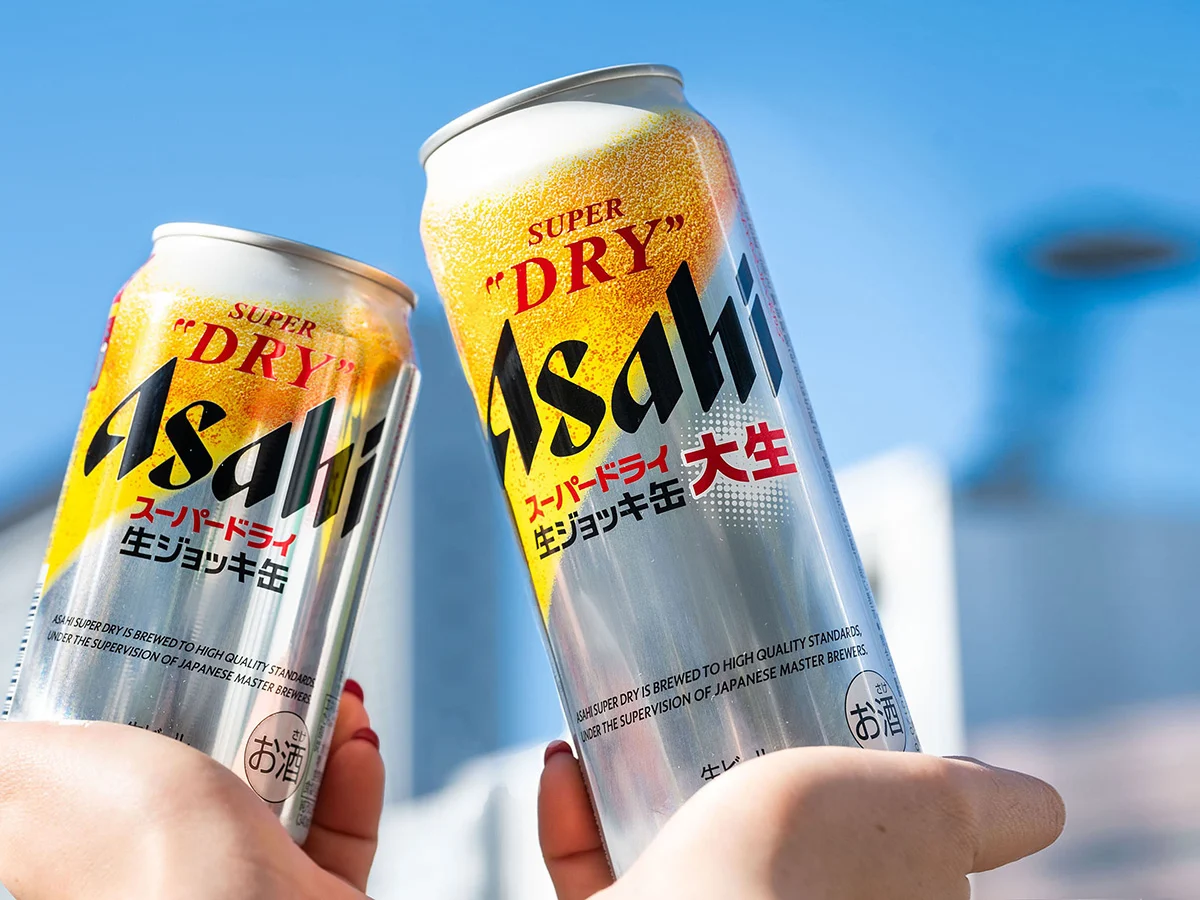
For travelers and locals alike, the quintessential Japanese drinking experience is inextricably linked to the izakaya—the bustling, wood-paneled taverns where the hallmark of a perfect evening is a chilled mug of nama biiru (draft beer). The term nama, meaning "fresh," implies a crisp, carbonated, and lively pour, topped with a velvety, tight-bubbled head that acts as a sensory prelude to the beer’s clean, dry finish.
For decades, the gap between the draft experience and the canned convenience of a convenience store purchase was vast. While cans offer portability, they lack the theater and the specific mouthfeel of a glass mug. That is, until Asahi Breweries, Ltd. introduced a technological marvel that has since disrupted the Japanese beverage market: the Asahi Super Dry Nama Jokki Can.
By engineering a container that mimics the mechanical properties of a draft tap, Asahi has effectively turned every refrigerator and park bench in Japan into a personal taproom.
The Anatomy of Innovation: Engineering the "Nama" Experience
The challenge in creating a "draft-in-a-can" was not merely about the beer’s recipe—Asahi Super Dry is already a globally recognized standard for its crisp, "karakuchi" (dry) flavor profile. The true hurdle was the physics of the pour. A draft beer’s iconic head is the result of rapid decompression through a tap nozzle, which agitates the carbonation into a dense, creamy foam.

The Asahi Super Dry Nama Jokki Can achieves this through a two-fold architectural breakthrough:
1. The Full-Open Lid
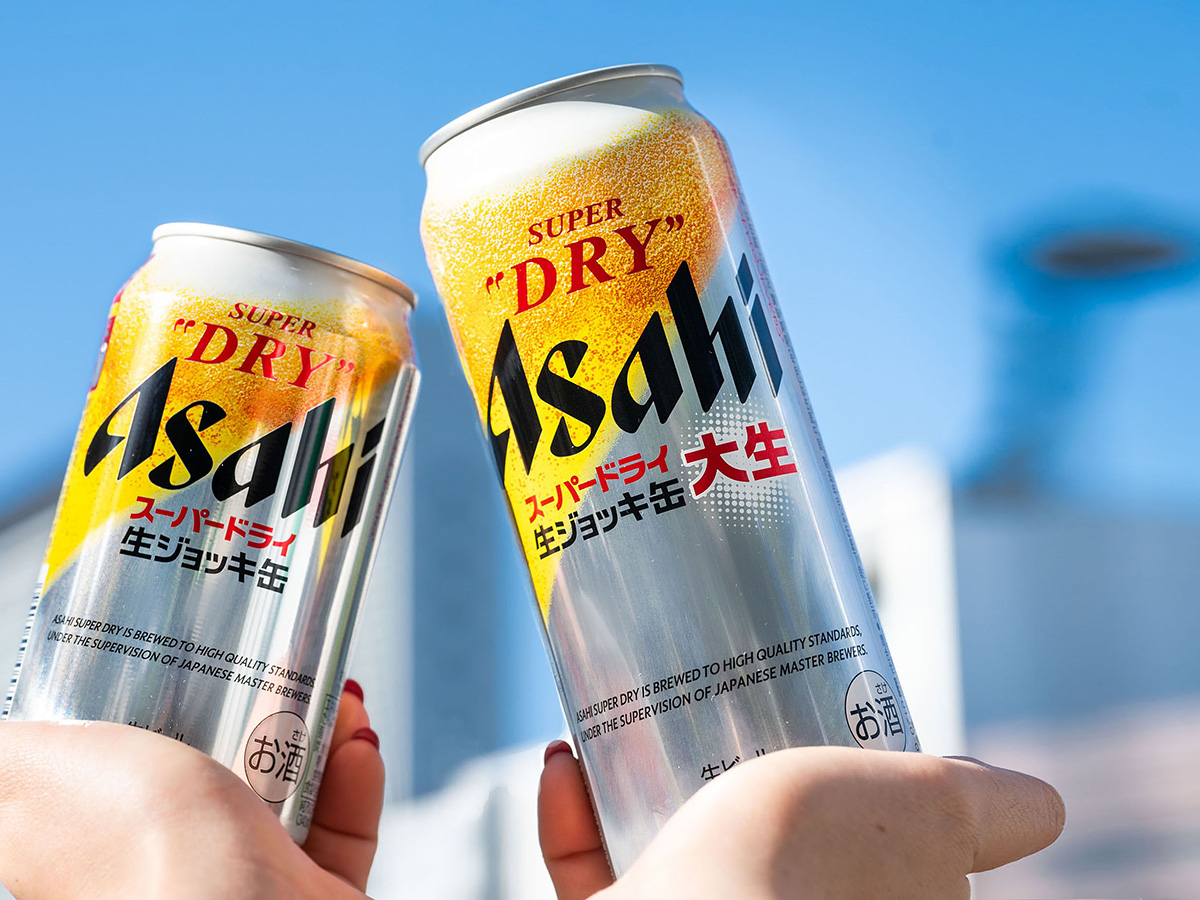
Unlike standard beverage cans that feature a small aperture, the Nama Jokki Can utilizes a full-open lid mechanism. When the tab is pulled, the entire top of the can is removed, transforming the vessel into a metal mug. This wide opening is essential; it allows the beer to flow in a way that engages the olfactory senses, much like drinking from a glass, while simultaneously releasing the carbonation needed to build the foam.
2. The Internal Textured Coating
The "magic" that occurs once the lid is removed is a result of advanced material science. The interior of the can is treated with a specialized, proprietary coating that creates microscopic surface irregularities. As the beer makes contact with these textured surfaces upon opening, the carbon dioxide is stimulated, naturally triggering a rapid, frothy head. According to research by Asahi and Mintel, this makes it the world’s first canned beer to naturally develop a creamy foam head upon full opening.
Chronology of a Market Disruptor
The introduction of the Nama Jokki Can was not an overnight success story, but the culmination of years of R&D.

- Pre-2021: Asahi identified a shifting consumer trend: younger drinkers and busy urbanites were increasingly seeking "bar-quality" experiences at home, especially as lifestyle habits changed during the global pandemic.
- April 2021: The product made its initial debut in the Japanese market. The response was unprecedented. Supply could not keep up with demand, leading to the temporary suspension of sales as Asahi struggled to manufacture enough of the specialized lids.
- Late 2021 – 2022: Asahi ramped up production capacity, stabilizing the supply chain and cementing the can’s status as a staple in convenience stores (konbini) across the country.
- 2023 – Present: The Nama Jokki Can has transcended its status as a novelty. It is now a permanent fixture in the Japanese beer landscape, frequently appearing in seasonal limited-edition variants and becoming a must-try item for international tourists visiting Japan.
Supporting Data: Why Mouthfeel Matters
In the world of brewing, flavor is only half the equation; the other half is texture. Beer enthusiasts often cite "mouthfeel"—the tactile sensation of the liquid on the tongue and palate—as a primary driver of enjoyment.
A draft beer’s head serves a functional purpose beyond aesthetics. The foam acts as a physical barrier, trapping the volatile aromatics of the hops and malt, preventing them from escaping too quickly. It also provides a creamy, dense texture that softens the initial bite of the carbonation.

When researchers compared the Nama Jokki Can to standard pouring methods, the data showed a significant improvement in the "foam-to-liquid" ratio. By keeping the beer cold—which is critical to the foaming process—the Nama Jokki Can consistently produces a foam layer that is denser and more stable than traditional canned pours. This allows the consumer to enjoy the "full-on" taste of the brew, with a mouthfeel that rivals that of a glass mug served in a high-end Tokyo pub.
Official Perspectives: The Philosophy of the "Jokki"
The name "Nama Jokki" is a linguistic clue to Asahi’s goal. Jokki is the Japanese word for a beer mug. Asahi’s design team emphasized that they were not trying to create a new way to drink beer, but rather a new way to access the traditional experience.

In internal statements, Asahi representatives have noted that the project was driven by a desire to remove the "barrier to entry" for premium experiences. "We wanted to bring the izakaya home," a spokesperson noted. The safety of the design was also a primary focus. Extensive testing was conducted to ensure that the wide-open rim of the can—once the lid is removed—is smooth, rounded, and entirely safe for the lips, allowing for the wide, refreshing gulps associated with draft beer.
Implications for Travelers and the Future of Convenience
For the modern traveler, the Asahi Super Dry Nama Jokki Can is more than just a drink; it is a cultural "hack."
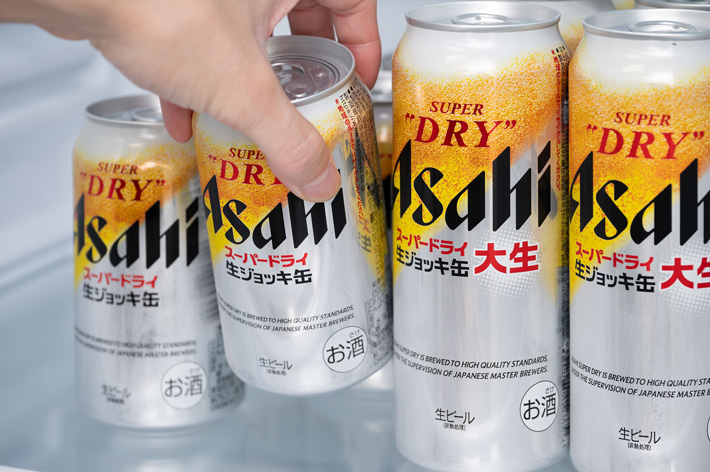
The Cultural Impact
In Japan, the etiquette of drinking is refined. Whether you are participating in hanami (cherry blossom viewing) in Ueno Park or relaxing in a hotel room after a long day of navigating the Kyoto subway, the Nama Jokki Can elevates the moment. It removes the need for glassware—which is often unavailable in outdoor settings—without sacrificing the quality of the pour.
A New Souvenir Paradigm
The Nama Jokki Can has also become a unique, albeit non-exportable, souvenir. Because the product is primarily sold within Japan, it has gained a cult following among beer enthusiasts globally who view it as a piece of "liquid tech." It represents a shift in how alcohol companies view packaging: as an integral part of the sensory experience rather than just a storage vessel.
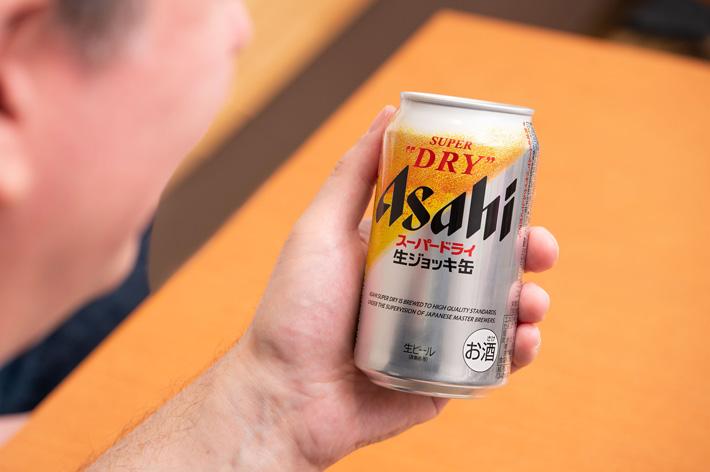
Practical Tips for the Enthusiast
If you are traveling in Japan and wish to try the Nama Jokki, keep these tips in mind:
- Temperature is Key: The foam generation is temperature-dependent. Ensure the can is thoroughly chilled (ideally between 4°C and 8°C). If the beer is too warm, it will not foam properly; if it is too cold, the carbonation may be sluggish.
- The Opening Ritual: Open the lid slowly. As the pressure releases, the foam will naturally begin to rise. Be ready to take your first sip as the foam reaches the brim.
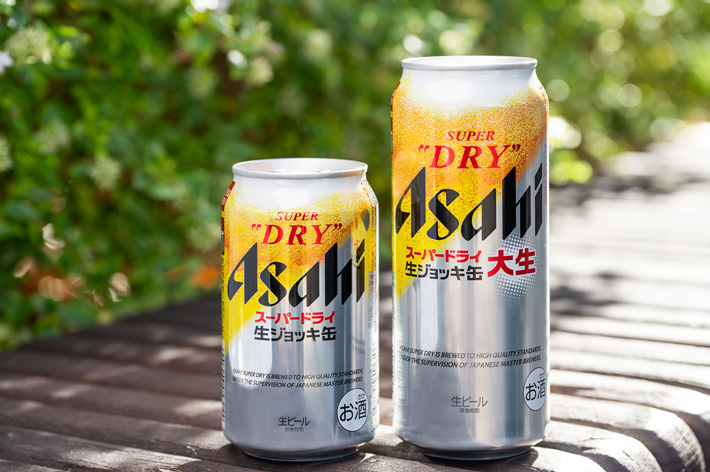
- Availability: While the 340ml and 485ml sizes are ubiquitous in Japan, they remain a regional highlight. Enjoy them while you are there, as the specialized manufacturing process limits their global distribution.
Conclusion
Asahi Breweries has successfully bridged the gap between the industrial convenience of the aluminum can and the artisanal pleasure of the draft tap. By rethinking the lid and the interior surface of the container, they have democratized the nama experience, making it portable, accessible, and consistently high-quality.
As the beverage industry continues to evolve, the Nama Jokki Can stands as a testament to the power of design-led innovation. It reminds us that even in a world of high-tech digital solutions, the most satisfying innovations are often those that improve the tactile, sensory pleasures of our daily lives. Whether you are a casual tourist or a dedicated cicerone, the next time you find yourself standing before a refrigerated display in a Japanese convenience store, look for the can with the full-open lid—you are not just buying a beer; you are opening a draft experience.
Disclaimer: Underage drinking (less than 20 years of age in Japan) and drink driving are strictly prohibited by law. Please enjoy your beverages responsibly and ensure that you dispose of all cans and packaging in accordance with local recycling regulations.


 Neng Nana
 Asro
Asro