Reynand Wu
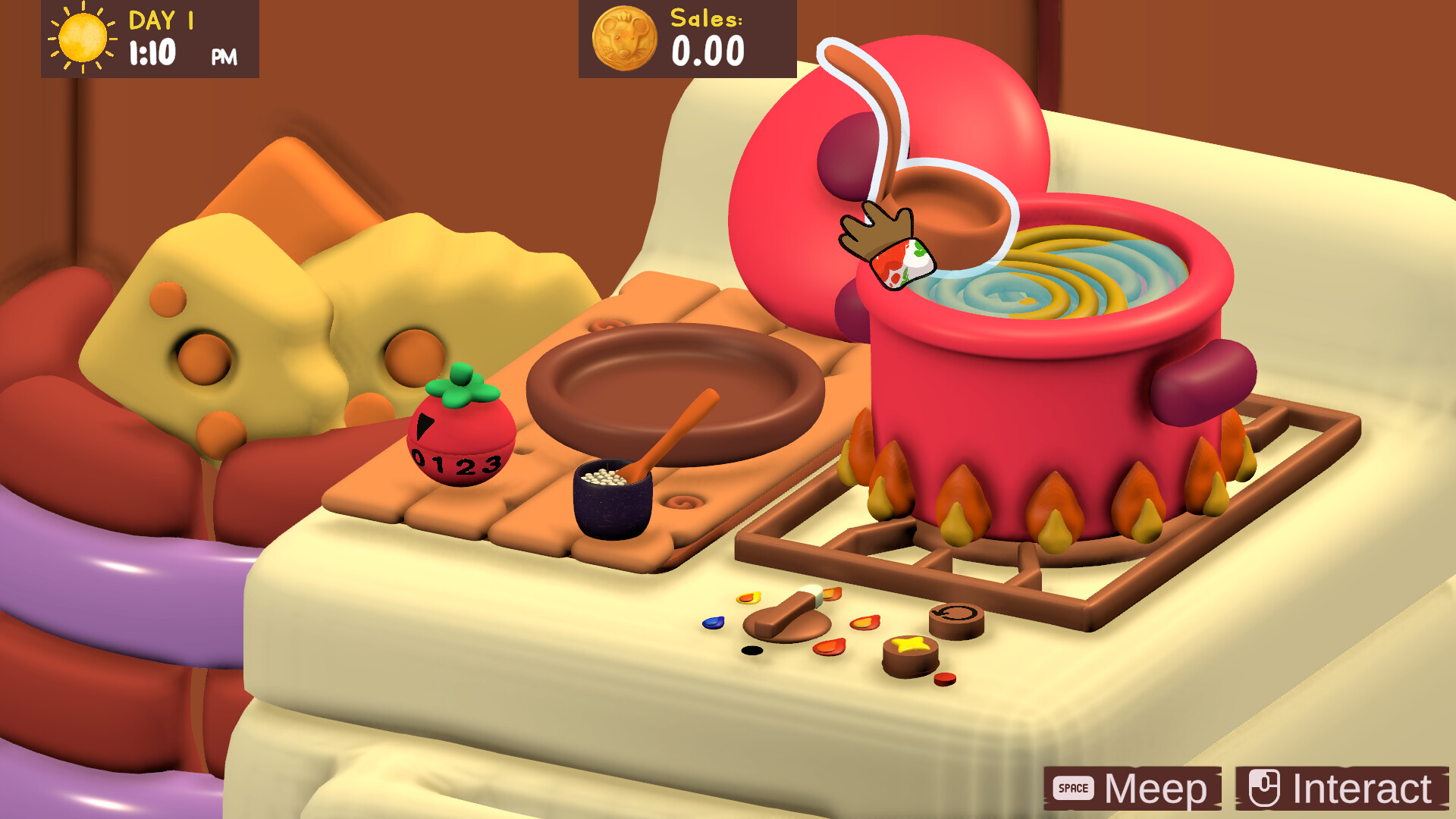
In the rapidly evolving landscape of independent gaming, the "cozy" genre has carved out a permanent, comforting home. Players are increasingly seeking experiences that eschew high-stakes tension for tactile satisfaction and creative freedom. Enter Pawsta, a rising star in the indie sphere that distinguishes itself not just through its gameplay, but through its unique aesthetic choice: a fully realized claymation world. Following the adventures of a mouse named Rigatoni as they assist their grandmother in a bustling restaurant, Pawsta promises to be one of the most visually distinctive cooking games of the coming year.
Main Facts: What is Pawsta?
At its core, Pawsta is a simulation game that captures the intimate, rhythmic nature of professional cooking through a story-driven lens. Developed with an eye for charm and detail, the game centers on Rigatoni, a young mouse eager to hone their craft under the tutelage of their grandmother. Unlike high-pressure cooking simulators that demand frantic multitasking, Pawsta encourages players to savor the process.
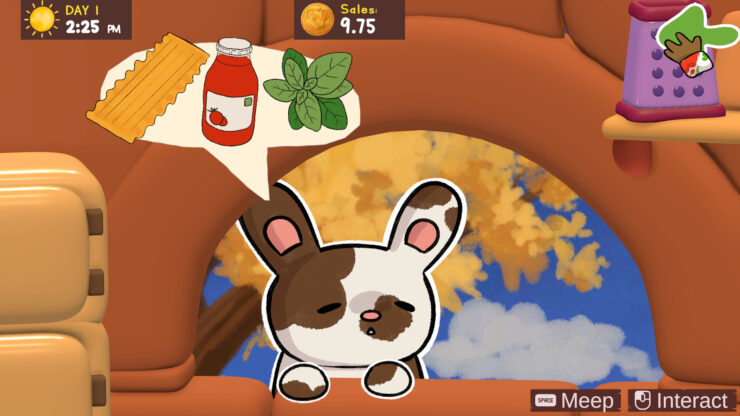
The gameplay loop is built upon tactile interactions. Customers arrive with specific, icon-based requests, signaling their cravings for various pasta dishes. The player then navigates the kitchen, moving from the refrigerator to the prep station, where they must roll out the dough, cut it into shapes, and boil it to perfection. From there, the dish moves to the sauce and topping stations. Each step is designed to be short, satisfying, and intentionally paced, allowing the player to customize the ratio of sauce to garnish.
Perhaps the most notable feature of Pawsta is its commitment to a low-stress environment. While many games in this genre utilize a "customer patience" meter that depletes over time, Pawsta removes the ticking clock entirely. The animal patrons are patient, polite, and—most importantly—happy to receive whatever dish is served to them, even if the execution isn’t quite "perfect."
Chronology: From Concept to Kitchen
The journey of Pawsta began as a passion project focused on the intersection of stop-motion animation aesthetics and interactive media. While many games utilize 3D models designed to look like clay, Pawsta leans into the medium’s inherent texture and warmth.
The game’s development cycle has been marked by a focus on "cozy" iteration. Early prototypes focused heavily on the physics of the dough and the fluidity of the character movement. By stripping away the competitive elements common to the genre, the development team sought to create a "safe space" for players to experiment with culinary combinations.
As of April 2026, the game has been moving through its polishing phase, with developers refining the UI and the "highlight" system that guides players through their first few shifts in the kitchen. Following a positive reception at various industry showcases—including a notable appearance at Wholesome Direct—the developers have begun to expand the scope of the game. Future updates are expected to take players beyond the initial restaurant setting, introducing international culinary styles and new regional ingredients that force players to adapt their techniques to different cultural recipes.
Supporting Data: The Rise of the "Cozy" Cooking Simulator
The popularity of Pawsta is not an isolated phenomenon but rather a reflection of broader trends in the gaming industry. According to market analysts tracking the indie sector, there has been a 30% increase in the consumption of "low-stakes" simulation games over the last three years.
Data regarding player engagement in these titles suggests that audiences are increasingly prioritizing "aesthetic immersion" over "skill-based progression." Pawsta sits perfectly in this niche. Its claymation art style provides a visual hook that is rare in a market saturated with pixel art and standard 3D low-poly graphics.
Furthermore, the game’s accessibility features are a point of interest for researchers. By removing time-based failure states, the game creates a "flow state" that is significantly more accessible to casual players, elderly gamers, and those with motor skill challenges. Internal playtesting data indicates that the "perfection" animation—which triggers only when a dish meets specific criteria—serves as a positive reinforcement mechanism, encouraging players to try again without feeling punished by the game’s systems.
Official Responses and Developer Intent
While the developers have maintained a relatively quiet profile during the intensive production months, snippets from interviews and press releases emphasize a singular goal: to create a "digital hug."
"We wanted to make a game where the kitchen felt like a home, not a factory," one lead designer noted in a recent correspondence. The developers have acknowledged the minor hurdles identified by early players, specifically regarding the game’s guidance system. During initial playtests, some users found the highlighted prompts for the next step of the cooking process to be slightly ambiguous. The development team has responded by pledging a more intuitive UI overhaul, ensuring that the "hand-holding" remains subtle enough to maintain the immersion while being clear enough to prevent frustration.
Regarding the narrative, the studio has confirmed that Rigatoni’s journey is about more than just food. It is a story of intergenerational connection. The recipes in the game are framed as family heirlooms, and the dialogue snippets shared between Rigatoni and their grandmother are intended to ground the gameplay in a sense of history and legacy.
Implications: Changing the Recipe for Success
The success of Pawsta—and its potential impact on the genre—cannot be understated. If the game performs as expected, it may signal a shift in how developers approach simulation mechanics. By proving that a game can be engaging without relying on "failure," Pawsta provides a template for future developers to follow.
The Aesthetic Revolution
The choice of claymation as a primary visual style is a significant risk that has seemingly paid off. It differentiates the game instantly on platforms like Steam, where the sheer volume of new titles makes discoverability a constant challenge. This choice may encourage other studios to experiment with "physical" art styles—such as papercraft or stop-motion—to help their titles stand out in a crowded digital storefront.
The Human Element
Furthermore, the emphasis on the grandmother-grandchild dynamic highlights a trend toward "soft" storytelling. In a medium often defined by conflict, the quiet, repetitive, and nurturing acts of cooking provide a different kind of challenge: the challenge of care. Players aren’t fighting enemies; they are fighting the impulse to rush, learning instead to enjoy the process of rolling dough and measuring ingredients.
Future Expansion
As the game moves toward its final release, the promise of international culinary exploration holds significant weight. By teaching players new ways to create dishes from around the world, Pawsta aims to move beyond a simple simulation into an educational, albeit lighthearted, tool for culinary appreciation. Whether the developers will continue to add seasonal events or DLC in the vein of "world tours" remains to be seen, but the architecture of the game is clearly built to accommodate such growth.
Final Reflections
Pawsta is shaping up to be a quintessential example of what makes indie gaming so vibrant: the willingness to take a simple, universally understood concept—cooking for family—and imbue it with personality, style, and heart. While there are minor elements that require further refinement, the core experience is one of pure, unadulterated joy.
For those who find themselves tired of the relentless pace of modern life, Rigatoni’s kitchen offers a brief, clay-molded sanctuary. It is a reminder that sometimes, the best way to enjoy a meal is to take your time, get a little messy, and listen to the stories of those who came before you.
As development continues, Pawsta stands as a testament to the power of the cozy genre. It is not trying to be the next esports sensation or a narrative-heavy blockbuster. It is simply trying to be a pleasant place to exist, and in the current gaming climate, that is more than enough. Interested players are encouraged to add the title to their Steam Wishlist to stay updated on the latest development milestones and release information. With a blend of tactical cooking, heart-warming storytelling, and a truly unique visual identity, Pawsta is undoubtedly a game to watch.


 Nana Wu
 Dwi Wanna