Lina Hope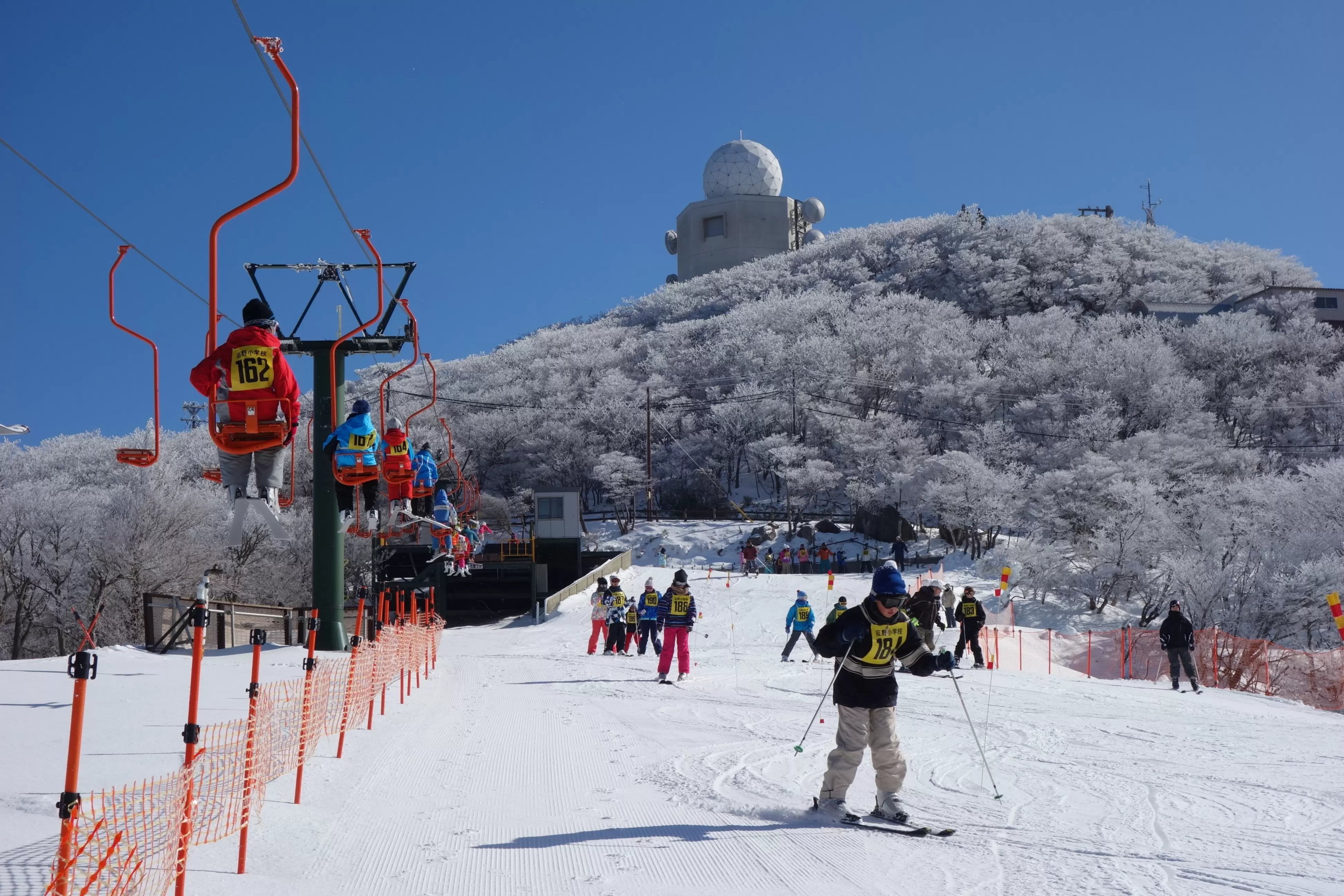
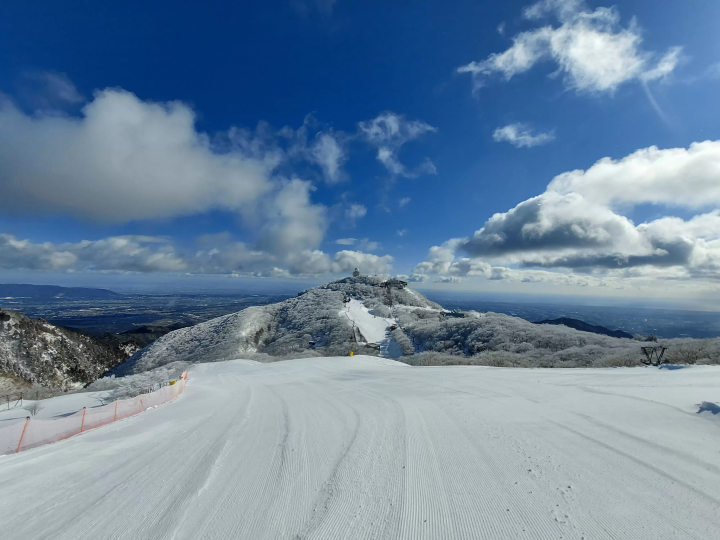
Rising 1,212 meters above sea level in the heart of Mie Prefecture, Mt. Gozaisho stands as a defiant bastion of winter wonder. While the coastal lowlands of Mie are often spared the harshest bite of the season, the summit of Gozaisho transforms into an alpine kingdom as early as November. Accessible via a world-class ropeway system, this peak offers a rare convergence of high-altitude adventure, rare meteorological phenomena, and historical relaxation, making it a premier destination for those seeking the quintessential Japanese winter experience.
Main Facts: The Alpine Jewel of Mie
Mt. Gozaisho is more than just a mountain; it is a seasonal phenomenon. Located within the Suzuka Quasi-National Park, the peak serves as a unique ecological corridor where the climate shifts dramatically from the temperate base to the sub-zero summit.
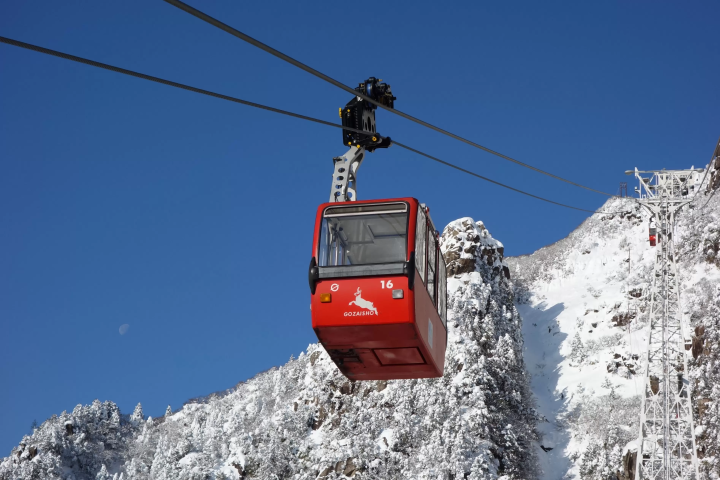
The primary gateway to this winter wonderland is the Gozaisho Ropeway. This engineering marvel carries visitors through a vertical landscape, where lush forests fade into blankets of pristine, powdery snow. Upon reaching the summit, visitors are greeted by a panoramic vista that encompasses the sprawling plains of Ise, the distant silhouettes of the Japanese Alps, and, on exceptionally clear winter days, the majestic, snow-capped cone of Mount Fuji.
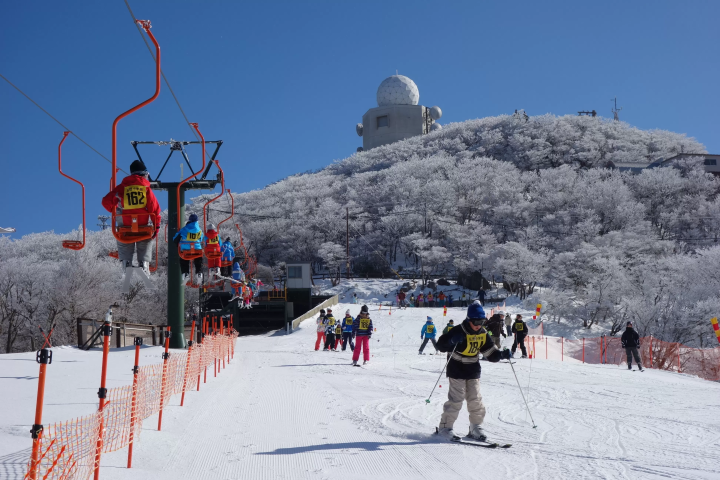
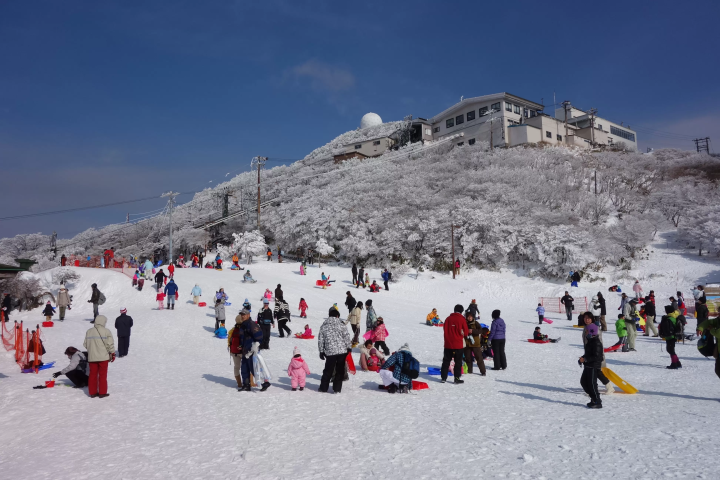
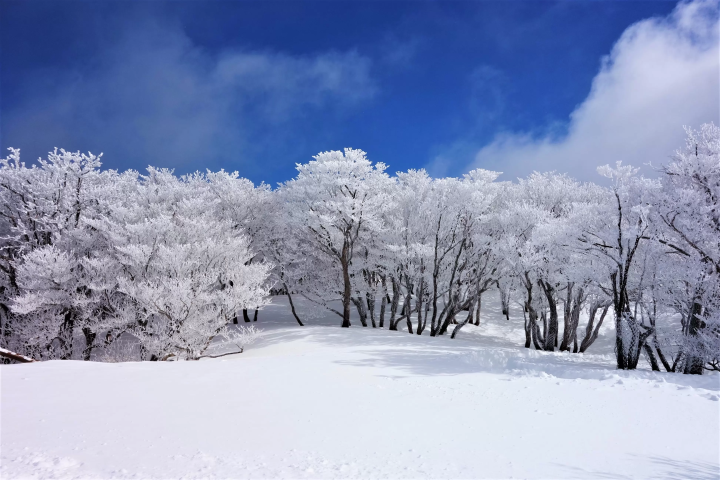
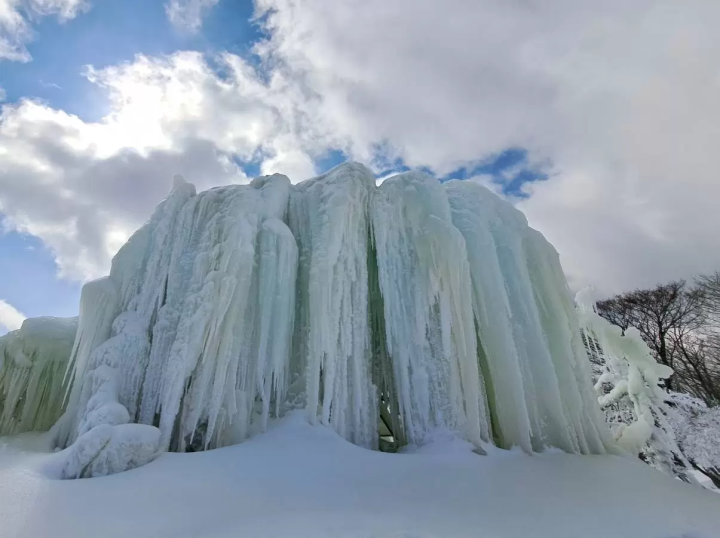
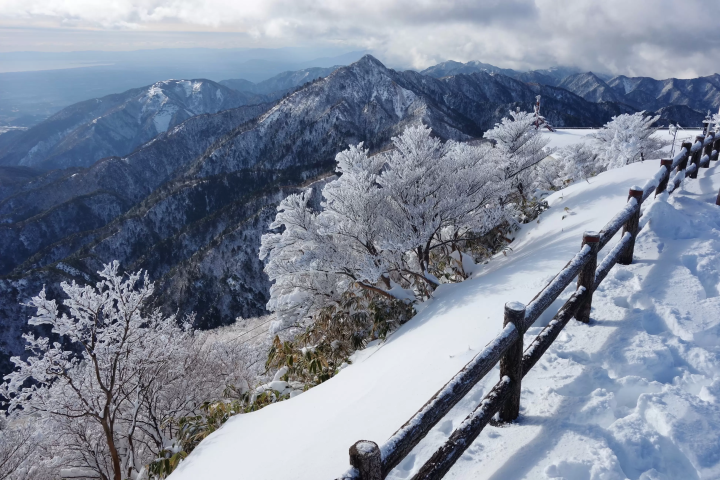
For the active traveler, the summit is a playground. The mountain park features dedicated zones for skiing and sledding, catering to both novices looking for their first winter thrills and advanced skiers seeking challenging, high-angle slopes. Beyond the adrenaline of the slopes, the mountain offers a rare glimpse into "frost-covered trees" (known locally as juhyo) and the towering, man-made yet naturally sculpted "frozen waterfalls."
Chronology: A Season of Transformation
The winter season at Mt. Gozaisho is a carefully timed performance by nature. Understanding this timeline is essential for visitors hoping to witness the mountain’s most spectacular attributes.
- November: The first snows dust the summit, signaling the transition from autumn’s fiery maples to winter’s monochrome elegance. The ropeway begins its winter operational schedule, serving as the primary lifeline to the summit.
- December: The park infrastructure is fully prepared. Ski slopes open to the public, and the crisp, clear air provides the best visibility of the year for panoramic photography.
- January to February: This is the "Golden Period" for ice enthusiasts. The specific combination of wind, humidity, and sub-zero temperatures creates the famous juhyo—frost-covered trees that take on bizarre, haunting shapes known as "shrimp tails." During this time, the artificial water-spraying systems create the massive, 7-meter-high frozen waterfalls that serve as the park’s centerpiece.
- Mid-February: As winter begins to wane, the frozen structures are at their most stable and impressive, making it the peak time for photography and sightseeing.
Supporting Data: Infrastructure and Costs
To ensure an accessible experience for all, the Gozaisho Ropeway management has implemented a transparent and tiered pricing structure.
Ropeway Fares
- Adults (13 and over): 2,600 JPY (Round Trip)
- Children (4 to 12): 1,300 JPY (Round Trip)
- Children (1-3): Free
Winter Sports Logistics
The mountain provides a range of rental options to ensure that visitors can enjoy snow sports without the burden of heavy equipment.
| Category | Weekend/Holiday Price | Weekday Price |
|---|---|---|
| Ski Set Rental | 3,000 JPY | 3,000 JPY (+ Drink) |
| Sled Rental | 600 JPY | 600 JPY |
| Snowshoe Rental | 1,000 JPY | 1,000 JPY |
Note: Lift tickets are priced at 2,000 JPY for a one-day pass on weekends, while weekday visitors enjoy a reduced rate of 1,000 JPY, providing an excellent opportunity for beginners to hone their skills in a less crowded environment.
Technical Slope Specifications
- Advanced Course: 220m length with a 25-degree gradient. Due to the significant steepness, this course is strictly reserved for experienced skiers.
- Beginner’s Course: 210m length with a 17-degree gradient. Designed with safety and learning in mind, this is the ideal location for first-time skiers.
Official Responses and Operational Philosophy
The management of Gozaisho Ropeway emphasizes safety and accessibility as their top priorities. In a statement regarding the winter season, officials highlight the "dual-track" nature of the mountain. "We strive to balance the thrill-seeking aspects of skiing with the serene, contemplative experience of nature walks," the management notes.
They emphasize that the "Frozen Waterfall" at the second sledding area is a testament to the intersection of human ingenuity and natural climate. By controlling the water flow at precise, sub-zero temperatures, the park creates an ice sculpture that is both an attraction and a natural phenomenon. Furthermore, the introduction of snowshoeing has been hailed as a success, allowing visitors to venture off-trail to track animal footprints, effectively turning a cold mountain hike into an educational safari.
Implications: The Cultural and Economic Impact
The winter season at Mt. Gozaisho is inextricably linked to the nearby Yunoyama Onsen. Founded 1,300 years ago, this historic hot spring town is legendary for its healing waters. According to local lore, a wounded deer once discovered the spring, soaking in its warmth to heal its injuries—earning the springs the title "Deer’s Hot Spring."
The "Après-Ski" Experience
The economic and cultural impact of the mountain extends directly to the hot spring inns of Yunoyama. After a day of traversing snowy trails or carving down the slopes, the traditional Japanese onsen offers a stark, rejuvenating contrast to the freezing mountain air. The sight of snowfall while relaxing in an open-air bath is often cited by visitors as the highlight of their trip to Mie.
Transportation and Accessibility
For the modern traveler, accessibility is the final hurdle. The mountain is well-served by the Kintetsu Railway.
- Travelers from Nagoya or Osaka: Must reach Kintetsu-Yokkaichi Station, then transfer to the Yunoyama Line bound for the final stop, Yunoyama Onsen Station.
- Cautionary Note: Travelers are strongly advised to avoid trains bound for JR Yokkaichi, as the distance between the JR and Kintetsu stations is significant.
- Bus Connections: A 10-minute bus ride via Mie Kotsu from the station deposits visitors directly at the ropeway base.
For those choosing to drive, the ascent to the ropeway requires caution. The management mandates the use of studless winter tires for all vehicles and strongly recommends four-wheel drive. As the region is prone to rapid weather shifts, the official social media channels (Facebook and Instagram) remain the most reliable sources for real-time operational status updates.
Conclusion: A Winter Invitation
Mt. Gozaisho represents a unique opportunity to witness the raw power of a Japanese winter. Whether one is drawn by the challenge of the 25-degree slopes, the ethereal beauty of the "shrimp tail" frost, or the timeless healing of the Yunoyama hot springs, the mountain provides an experience that lingers long after the snow has melted. By combining careful planning with a spirit of adventure, visitors can tap into the serene, frozen heart of Mie Prefecture.


 Neng Nana
 Asro
Asro