Ali Ikhwan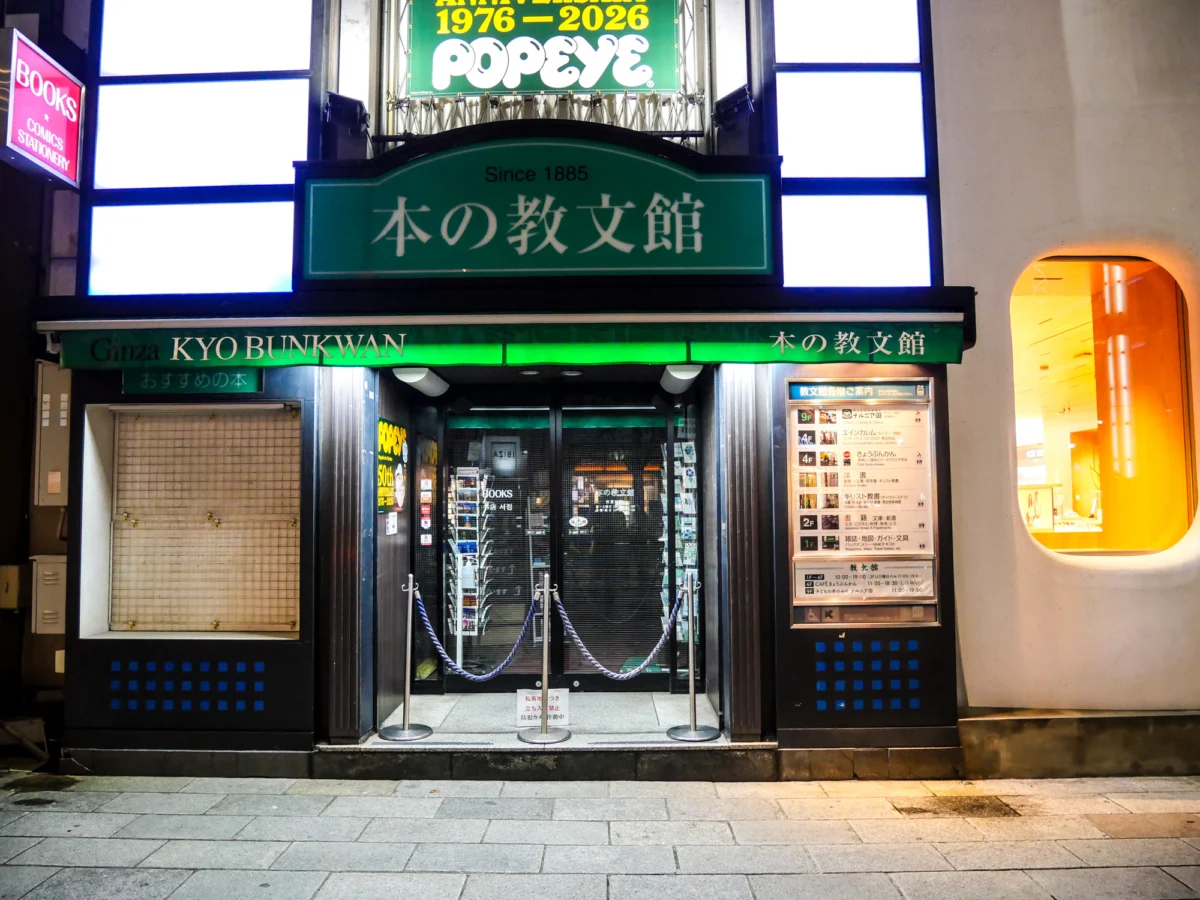
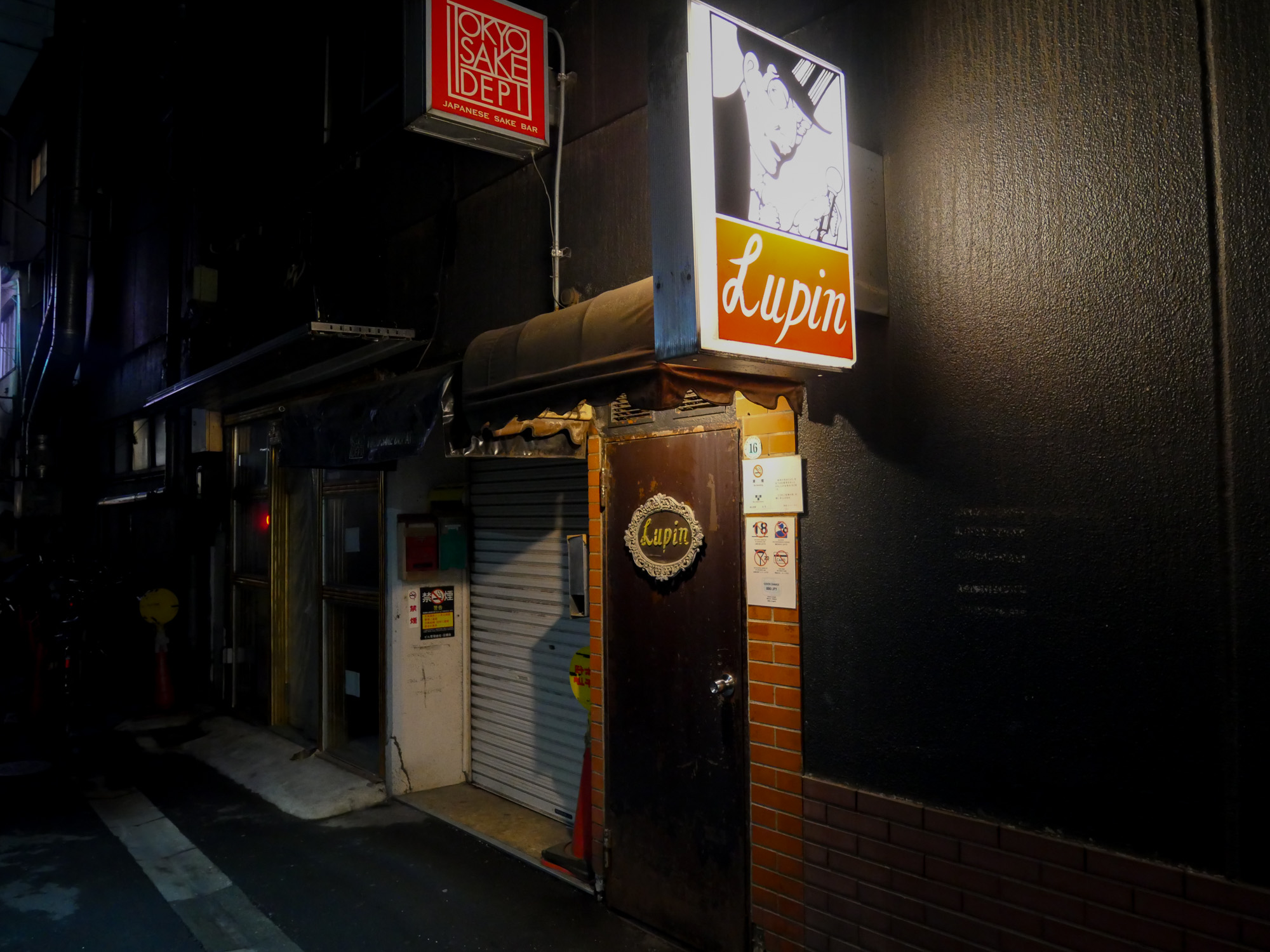
As the neon lights of modern Ginza begin to flicker to life, reflecting off the polished glass facades of high-end boutiques, a different kind of glow emanates from a narrow, unassuming alleyway. Here, tucked away in the basement of the Tsukamoto Fudōsan Building, lies Bar Lupin. For nearly a century, this subterranean sanctuary has served as the unofficial headquarters for Japan’s literary elite.
Recently, the bar has found itself at a curious crossroads. As I arrived at its weathered wooden door, a group of American tourists hovered nearby, buzzing with excitement. "Are you a Bungo fan?" one asked. It took a moment to parse the intent: they weren’t referencing the Meiji-era literary masters—the bungo—but rather the hyper-stylized characters from the hit anime Bungo Stray Dogs, where iconic writers like Dazai Osamu and Edogawa Ranpo are reimagined as supernatural warriors.
This intersection of classic literature and modern pop culture perfectly encapsulates the duality of Ginza itself: a district that is simultaneously the most expensive real estate in Japan and a living museum of the country’s intellectual history.
The Evolution of Ginza: From Silver Mint to Global Hub
To understand the magnetic pull of Bar Lupin, one must first understand the soil upon which it stands. The name "Ginza" is steeped in history; it literally translates to "silver mint," referring to the Tokugawa-era coin office that once occupied the district. While officially designated as Shin-ryōgaechō ("the new money-changer’s town"), the nickname stuck, eventually becoming synonymous with opulence and refinement.
The transformation of Ginza into the cultural heart of Tokyo began in earnest in 1872, following a devastating fire that razed 95 hectares of the city. The Meiji government, eager to project a modern image, commissioned Irish architect Thomas James Waters to rebuild the area using brick, drawing inspiration from London’s Regent Street.
Initially, the project was a resounding failure. A local superstition held that living in brick houses caused illness, leaving the new structures eerily vacant for years. However, the architecture proved to be a blank canvas for a new, Western-influenced lifestyle. Ginza became the laboratory for yōshoku—the fusion of Japanese and Western culinary traditions. Establishments like Rengatei began serving iconic dishes such as tonkatsu (breaded pork cutlet) and omurice, laying the foundation for what would become modern Japanese comfort food.
By the 1920s and 30s, the district had hit its stride. The opening of the Mitsukoshi department store in 1930 and the finalization of the Ginza Line cemented its status as a commercial powerhouse. It became the playground of the moga (modern girls)—independent, fashion-forward women who redefined the urban landscape of Taisho-era Tokyo. Today, Ginza remains the most expensive district in Japan, with land prices soaring to 60.5 million yen per square meter as of early 2025.
A Literary Nexus: The Intellectuals’ Playground
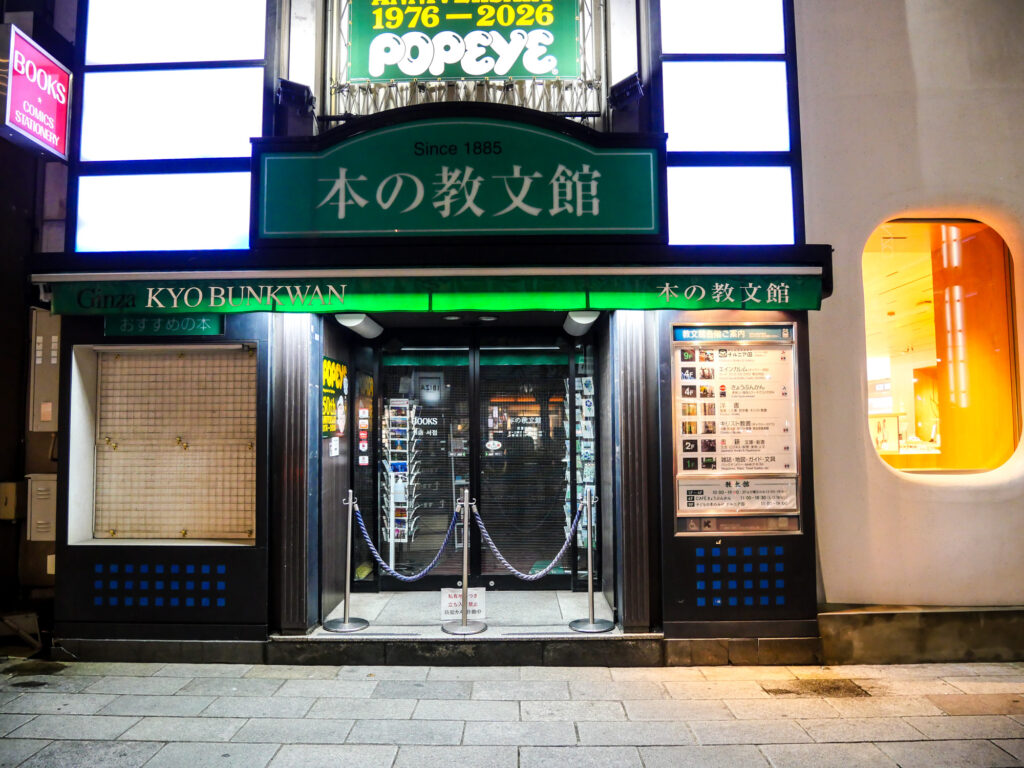
As Ginza modernized, it naturally attracted the vanguard of Japanese thought. The area became a bustling hub for journalists, writers, and activists. The Kyōbunkan bookstore, founded in 1885 by American Methodist missionaries, became a fixture of the literary community, as did the editorial offices of major newspapers like Tokyo Nichinichi and Yomiuri.
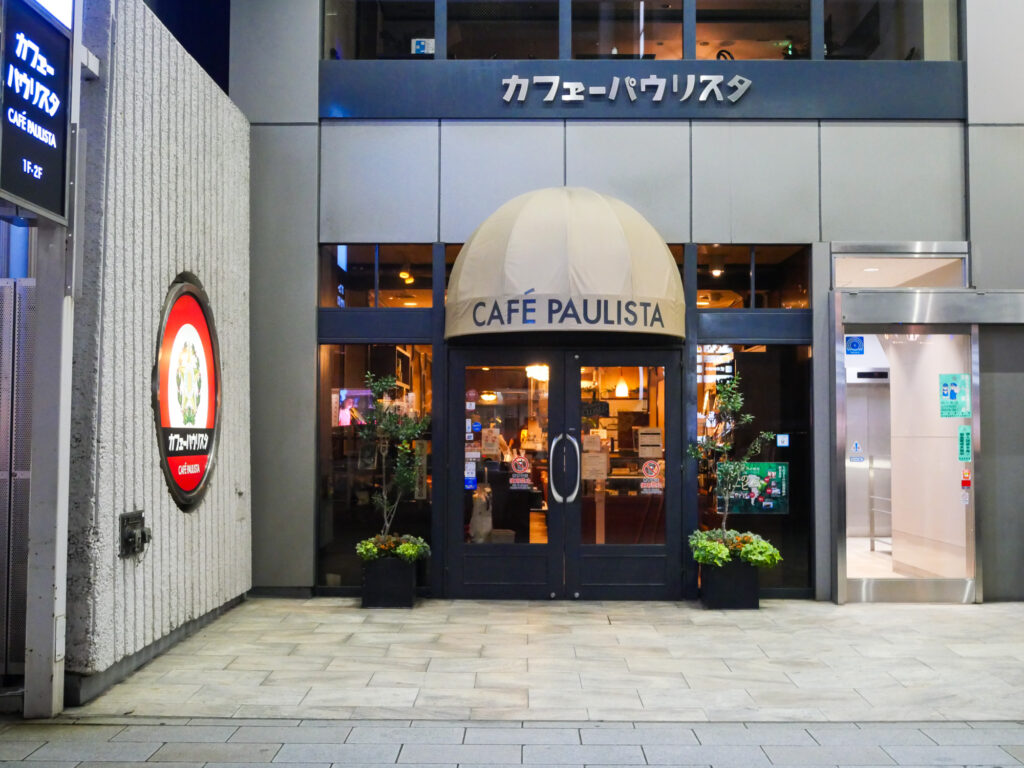
This concentration of intellectual capital fostered a unique café culture. Places like Café Lion and Café Paulista served as the incubators for the era’s greatest minds. It was here that Akutagawa Ryūnosuke—the father of the Japanese short story—would meet his editors to hand off manuscripts. Feminist pioneer Hiratsuka Raichō was a regular, using these spaces to organize and debate the future of women’s rights in Japan. This era effectively birthed the junkissa (traditional coffee houses) and the complex nightlife of snack bars and host clubs that still define Ginza’s nocturnal character.
Bar Lupin: The Hearth of the Buraiha
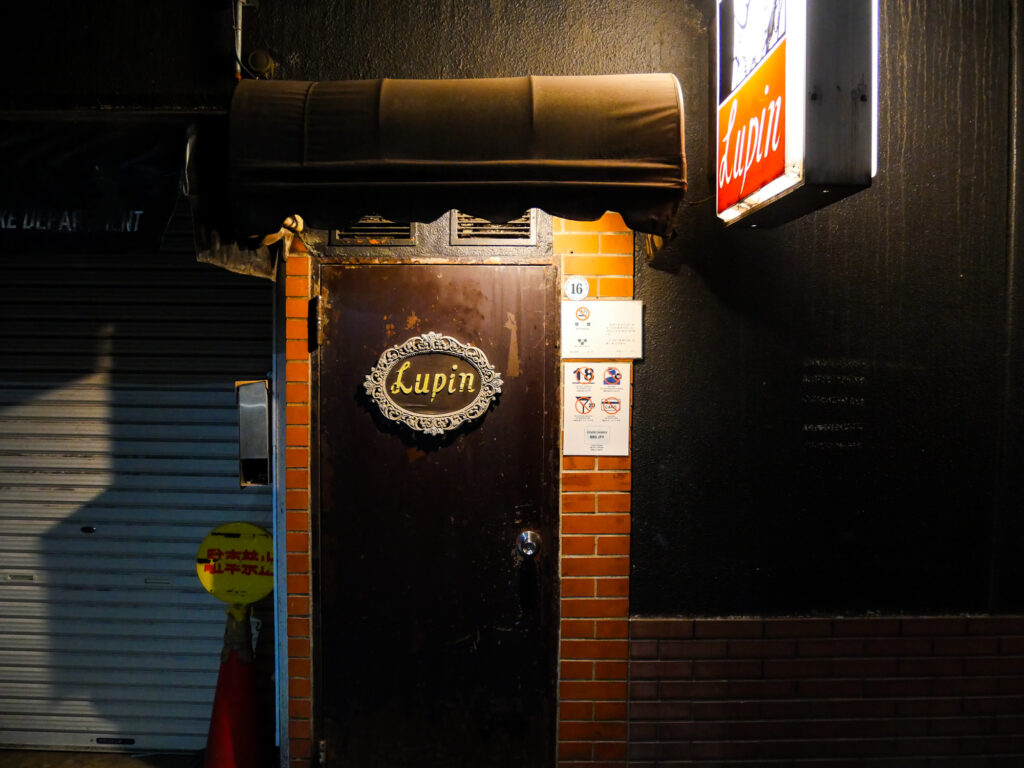
Amidst this ferment, Bar Lupin was founded in 1928, named after the gentleman thief Arsène Lupin. It was established with the financial backing of literary luminaries Satomi Ton, Izumi Kyōka, and Kikuchi Kan. Its centerpiece, an ash countertop installed shortly after its inception, remains in use today—a physical connection to the past.
The bar’s most storied chapter began after World War II. During the reconstruction, when alcohol was scarce and the market was flooded with dangerous, methanol-laced "bomb" liquor (bakudan), Lupin became a beacon of safety. Their slogan, "At Lupin, you’re safe," was a promise to the intelligentsia that they could drink without fear of going blind.
This safety attracted the burai-ha, or the "Decadent School" of literature. Led by figures like Sakaguchi Ango and Dazai Osamu, this group rejected both the rigid morality of the wartime state and the confessional realism of the establishment. In his Discourse on Decadence (daraku-ron), Sakaguchi argued that "falling" into degradation was the only way to shed societal masks and reach one’s authentic self.
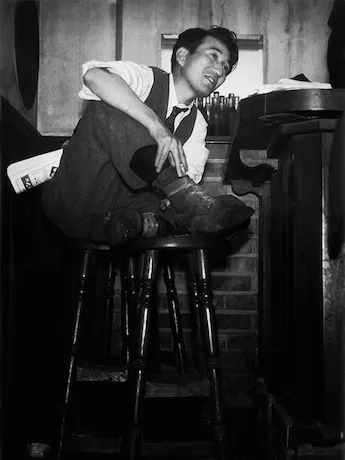
For Dazai, Lupin was a sanctuary. It was here, in 1946, that photographer Hayashi Tadahiko captured the iconic image of the author with his legs propped on a barstool—a portrait that would become the definitive image of Japanese literary malaise.
Implications: Preserving the Past in a Changing City
The rapid rise and tragic end of the Decadent School—marked by Dazai’s suicide in 1948—left a permanent scar on the Japanese literary consciousness. Yet, their works, such as No Longer Human and Setting Sun, remain pillars of world literature. Bar Lupin stands as a rare, tangible link to this volatile, creative era.
Today, the bar is managed with a protective reverence. The owners have implemented strict rules to ensure the environment remains a space for contemplation rather than a mere tourist attraction. The cover charge of 880 yen acts as a barrier to those seeking a casual, loud atmosphere, while the prohibition of photography—unless explicitly permitted and devoid of other patrons—preserves the privacy of its guests.
Practical Tips for the Literary Pilgrim
For those seeking to walk in the footsteps of the burai-ha, a visit to Bar Lupin requires patience and respect.
- The Entrance: It is easily missed. Look for the Tsukamoto Fudōsan Building at 5-chōme 5-11. The entrance is tucked in a narrow alleyway.
- Timing: The bar does not light its sign until it is fully dark. Do not be discouraged if it appears closed early in the evening.
- Etiquette: It is a no-smoking establishment and operates on a cash-only basis.
- The Experience: If you are fortunate, you may be seated in the corner stool favored by Dazai. Order the "Golden Fizz," a classic cocktail featuring a whipped egg yolk float that has been a staple of the menu for decades.
A Legacy Sustained
The challenge for historic sites in a city as dynamic as Tokyo is balancing commercial viability with cultural heritage. Bar Lupin has successfully navigated this by serving as a bridge between generations. While Bungo Stray Dogs may be the initial draw for younger, international visitors, the bar’s commitment to its history ensures that the conversation doesn’t end at the anime.
By maintaining the physical environment—the same ash wood, the same dim lighting—Lupin offers an experience that is increasingly rare in the hyper-modernity of Ginza. It is a place where one can sip a gin fizz, open a book, and feel the weight of a century of literary debate. As the city changes, the preservation of such spaces becomes vital. They are not merely bars; they are the living archives of a nation’s soul, reminding us that even in the most glittering of districts, the most valuable things are often hidden in the shadows, waiting for those who know where to look.


 Neng Nana
 Asro
Asro