The gaming industry is reeling this week following a seismic shift at Microsoft’s gaming division. Under the direction of newly appointed CEO Asha Sharma, Xbox has announced a sweeping "restructuring" initiative that signals a dramatic pivot in strategy for the tech giant. While the headlines are dominated by the somber news of over 2,000 workforce layoffs and the potential divestment of several subsidiary studios, the internal reorganization has also resulted in a significant shuffling of creative priorities. Most notably, Obsidian Entertainment—a studio long celebrated for its narrative depth—has been pivoted away from its recent internal projects to take the helm of one of gaming’s most prestigious franchises: Fallout.
The Anatomy of a Corporate Pivot: Layoffs and Strategy
The restructuring led by CEO Asha Sharma is being characterized as one of the most aggressive cost-cutting measures in Microsoft’s history of gaming acquisitions. The move aims to streamline Xbox Game Studios, prioritizing high-revenue, high-engagement intellectual properties over experimental or mid-tier projects.
For Obsidian Entertainment, the impact is two-fold and emotionally complex. According to internal reports, the studio is set to reduce its total workforce by approximately 25%. These layoffs, while part of the broader 2,000-person reduction across the Xbox ecosystem, represent a devastating loss of institutional knowledge for a studio that has been a pillar of the role-playing game (RPG) genre for decades.
As the studio navigates this reduction in staff, its development roadmap has been forcibly recalibrated. Projects that were previously in active development, including a highly anticipated sequel to the 2025 fantasy RPG Avowed, have been abruptly cancelled. Insiders note that the Avowed sequel was well into pre-production and had been on track for an announcement within the next twelve months. However, under the new fiscal mandate, the project was deemed a poor fit for the long-term, leaner strategy of the company.
A Return to the Wastes: The Chronology of a Legacy
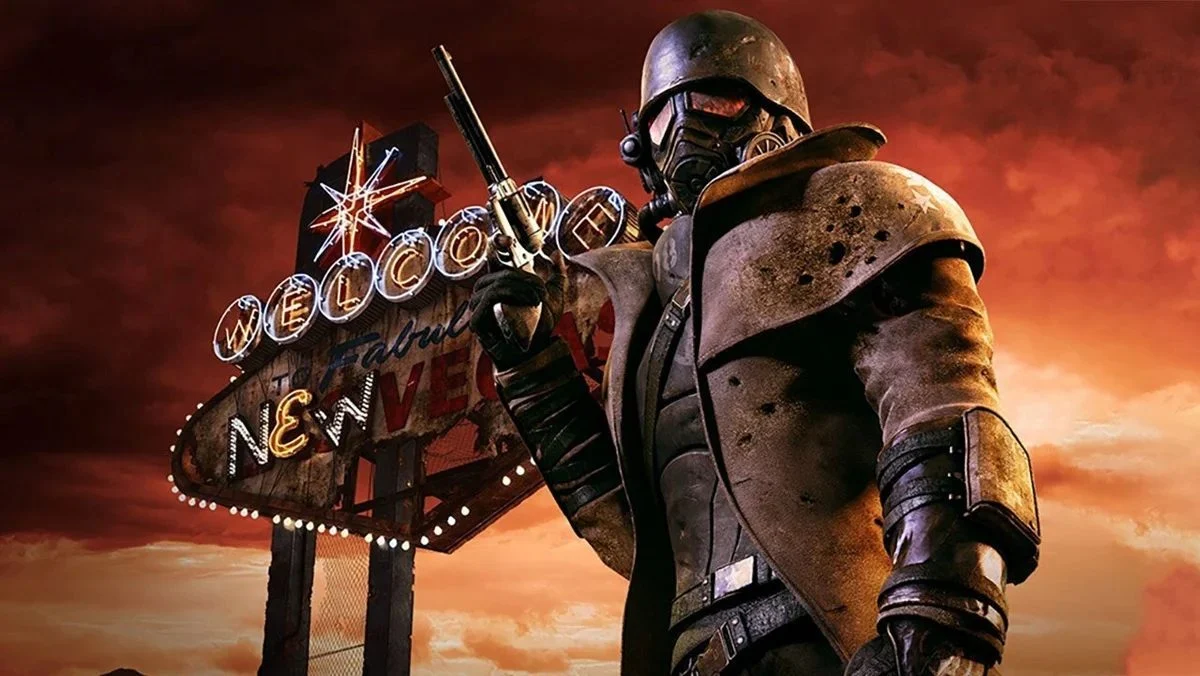
The appointment of Obsidian to develop the next Fallout title is a move steeped in both irony and history. For the gaming community, the name "Obsidian" is inextricably linked to the 2010 cult classic Fallout: New Vegas.
To understand the weight of this decision, one must look at the timeline of the Fallout franchise:
- 1997–1998: Interplay Entertainment releases the original Fallout and Fallout 2, establishing the dark, satirical, post-apocalyptic tone of the series.
- 2004: Bethesda Softworks acquires the rights to the Fallout franchise from the bankrupt Interplay.
- 2008: Bethesda releases Fallout 3, transitioning the series from isometric turn-based combat to a first-person, open-world action RPG format.
- 2010: Bethesda partners with Obsidian Entertainment—a studio founded by several veterans of the original Interplay team—to develop Fallout: New Vegas. The title is released to massive critical acclaim, praised for its complex faction-based storytelling and player choice.
- 2015: Bethesda releases Fallout 4.
- 2018: Bethesda releases Fallout 76, a multiplayer-focused entry that faced a tumultuous launch but has since seen significant updates.
- 2024: The Fallout Prime Video series launches to massive commercial and critical success, reigniting global interest in the franchise.
- 2026: Microsoft officially mandates that Obsidian take over development of the next mainline Fallout installment, effectively returning the franchise to the creators of New Vegas.
The "New Vegas" Factor: Why Obsidian Matters
The decision to bring Obsidian back into the Fallout fold is, in many ways, a response to market demand. Following the massive success of the Amazon Prime Video television series, the Fallout brand has reached a new peak of cultural relevance. Fans have spent years clamoring for a sequel that captures the specific narrative rigor and world-building that defined New Vegas.
Central to this new development phase is Josh Sawyer, the studio’s design director. Sawyer’s involvement is a critical signal to the fanbase. As the director of Fallout: New Vegas, his return to the wasteland suggests that Microsoft is aiming to recapture the specific "lightning in a bottle" that made the 2010 title such an enduring masterpiece.
However, this transition is not without its challenges. Developing a modern, high-fidelity Fallout game requires a massive infrastructure, and doing so while simultaneously shedding a quarter of one’s staff is a task of immense logistical difficulty. The studio is tasked with balancing the pressure of a massive legacy franchise with the realities of a significantly smaller development team.
Financial Performance and the "Game Pass" Reality
Why cancel Avowed and The Outer Worlds 2 in favor of Fallout? The answer lies in the harsh mathematics of modern gaming. Despite Avowed and The Outer Worlds 2 receiving generally positive reviews, both titles reportedly failed to meet the aggressive sales and player-retention targets set by Xbox Game Studios.
In the current era of subscription-based gaming—specifically the Xbox Game Pass model—success is often measured not just by units sold, but by the ability of a game to act as a "tentpole" for the platform. Fallout is a known quantity. It is a brand that transcends the gaming industry, moving into television and merchandise, making it a "safer" bet for a company looking to minimize risk in a volatile market. The cancellation of original, riskier IPs like the Avowed sequel suggests a shift toward brand consolidation: if a studio cannot guarantee a hit with a new franchise, they will be redirected to established, "guaranteed" properties.
Implications for the Future of Xbox
The implications of this restructuring are profound and twofold. First, for the employees at Obsidian and other studios, the environment is one of extreme uncertainty. The "churn" of talent and the sudden pivot of project focus can lead to burnout and a loss of creative identity. When a studio is forced to abandon projects they are passionate about to work on a corporate-mandated "prestige" project, the quality of the final product can suffer.
Second, for the consumer, the outlook is mixed. While the prospect of a new Fallout game directed by Josh Sawyer is cause for celebration for many, the cost of that game is the loss of the next generation of original Obsidian games. We are witnessing the end of an era where mid-sized studios were given the freedom to experiment with new worlds, replaced by a "franchise-first" mentality.
Furthermore, this move places the Fallout IP in an interesting position within the Microsoft portfolio. With Bethesda Game Studios currently occupied with The Elder Scrolls VI and other long-term projects, handing Fallout to Obsidian allows Microsoft to keep the franchise active without overextending their primary internal teams.
Conclusion: A Bitter-Sweet Transition
The announcement is a stark reminder that in the modern gaming landscape, artistic legacy and corporate strategy are often at odds. Obsidian Entertainment has been handed the keys to the kingdom, entrusted with the future of the Fallout franchise. It is a testament to the studio’s talent that they are the first choice for such an important task. Yet, one cannot help but mourn the projects left on the cutting room floor—the original stories that will now never be told because they didn’t fit into a corporate spreadsheet.
As the industry looks forward to the next, as-yet-unnamed Fallout project, the focus will remain on whether Obsidian can navigate the internal upheaval of its parent company to deliver a game worthy of the Fallout name. The challenge is immense, the pressure is high, and for the thousands of developers affected by this week’s layoffs, the stakes have never been more personal. The wasteland, it seems, is ready to be explored once more, but the cost of the journey is beginning to look steeper than ever.