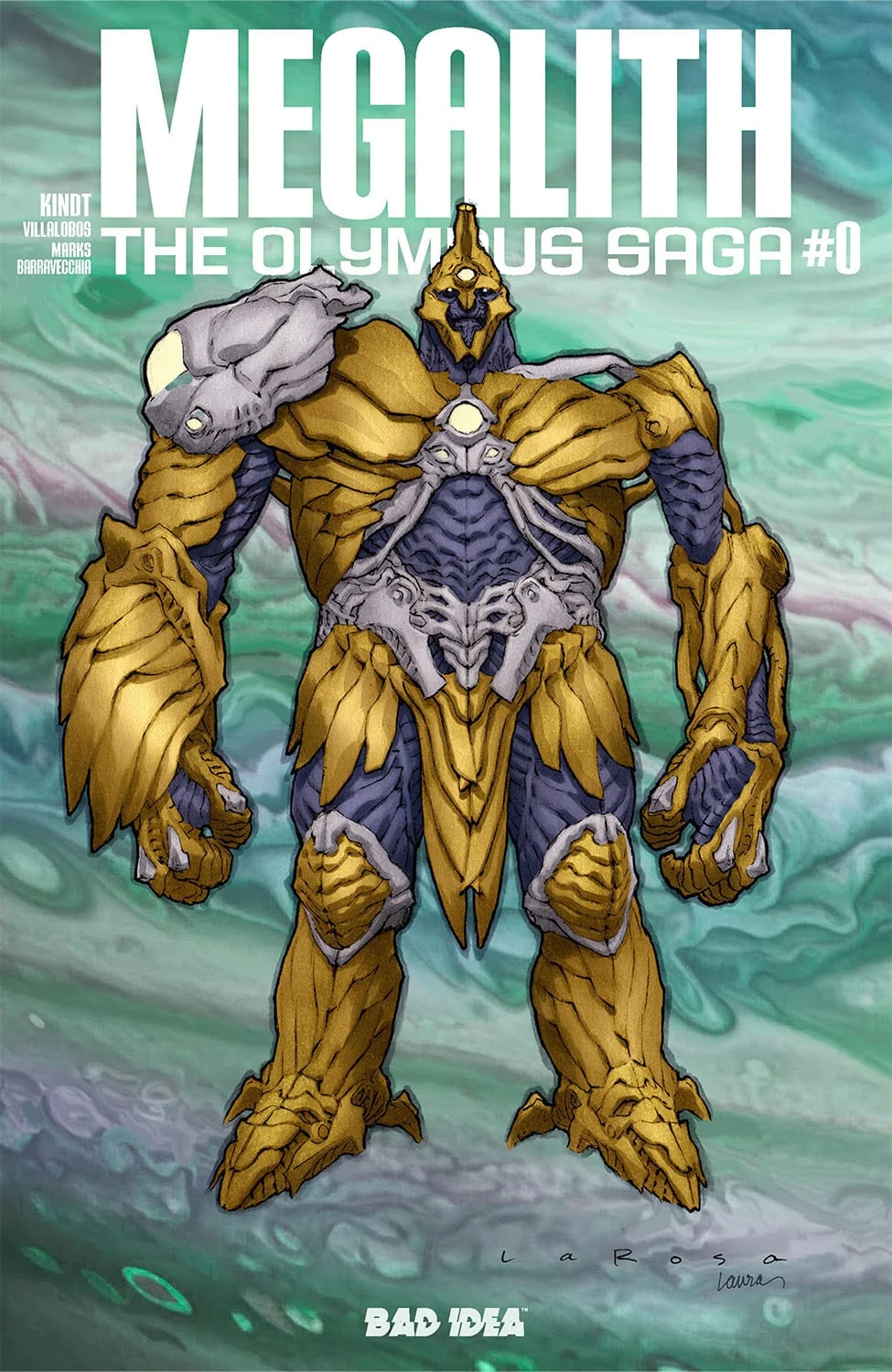
In the rapidly evolving landscape of contemporary graphic storytelling, few creators have managed to capture the zeitgeist with the same visceral intensity as Matt Kindt. Known for his work on BRZRKR and his mastery of intricate, high-stakes narratives, Kindt has once again pivoted toward the expansive, genre-bending world of The Olympus Saga. With the upcoming release of Megalith #0, fans are being offered a rare, panoramic look at the foundational architecture of a universe that promises to redefine the boundaries of science fiction and geopolitical thriller tropes.
Partnering with the formidable artistic team of Ramon Villalobos (X-Men: E is for Extinction) and Jonathan Marks Barravecchia (Bear Pirate Viking Queen), Kindt is setting the stage for a narrative event that balances claustrophobic dread with interstellar stakes. Megalith #0 serves not merely as a prequel, but as an essential key to understanding the forces currently shaping the Olympus mythos.
Main Facts: The Trinity of Terror
The Olympus Saga: Megalith #0 is structured as an anthology of three distinct, yet interconnected, origin stories. Each segment serves to broaden the scope of the overarching narrative while deepening the mystery surrounding the titular “Megalith.”
The first narrative thread follows Special Operative Hawk, an elite soldier tasked with a reconnaissance mission into “Area 23.” Located deep within the Amazon, this cordoned-off zone represents the most dangerous geography on the planet. The military’s obsession with controlling this site—despite a 50% mortality rate for those deployed—suggests that Area 23 houses more than just natural secrets; it appears to be a focal point for the reality-warping anomalies that define the series.
The second arc shifts the focus to urban survival, centering on Smyth, a top-tier clandestine scientist operating within the U.S. government. As she navigates a web of bureaucratic deceit and political maneuvering, her mission becomes a desperate, high-stakes race against time to prevent the total annihilation of Baltimore. This segment promises to ground the series in the gritty, paranoid reality of modern intelligence warfare.
The third and final segment, titled Universal Language, pushes the narrative beyond the confines of Earth. Readers are transported to a hostile, alien environment where survival is the only currency. This arc is crucial for the long-term health of the series, as it promises to reveal the origin of the primary antagonist, setting the stage for an inevitable, catastrophic conflict involving the planet Earth.
A Chronological Perspective: Building the Olympus Mythos
To understand the weight of Megalith #0, one must look at how the Olympus Saga has matured. The “#0” designation is a deliberate editorial choice, signaling to the reader that while this is a jumping-on point for newcomers, it is also a vital piece of connective tissue for long-term followers.
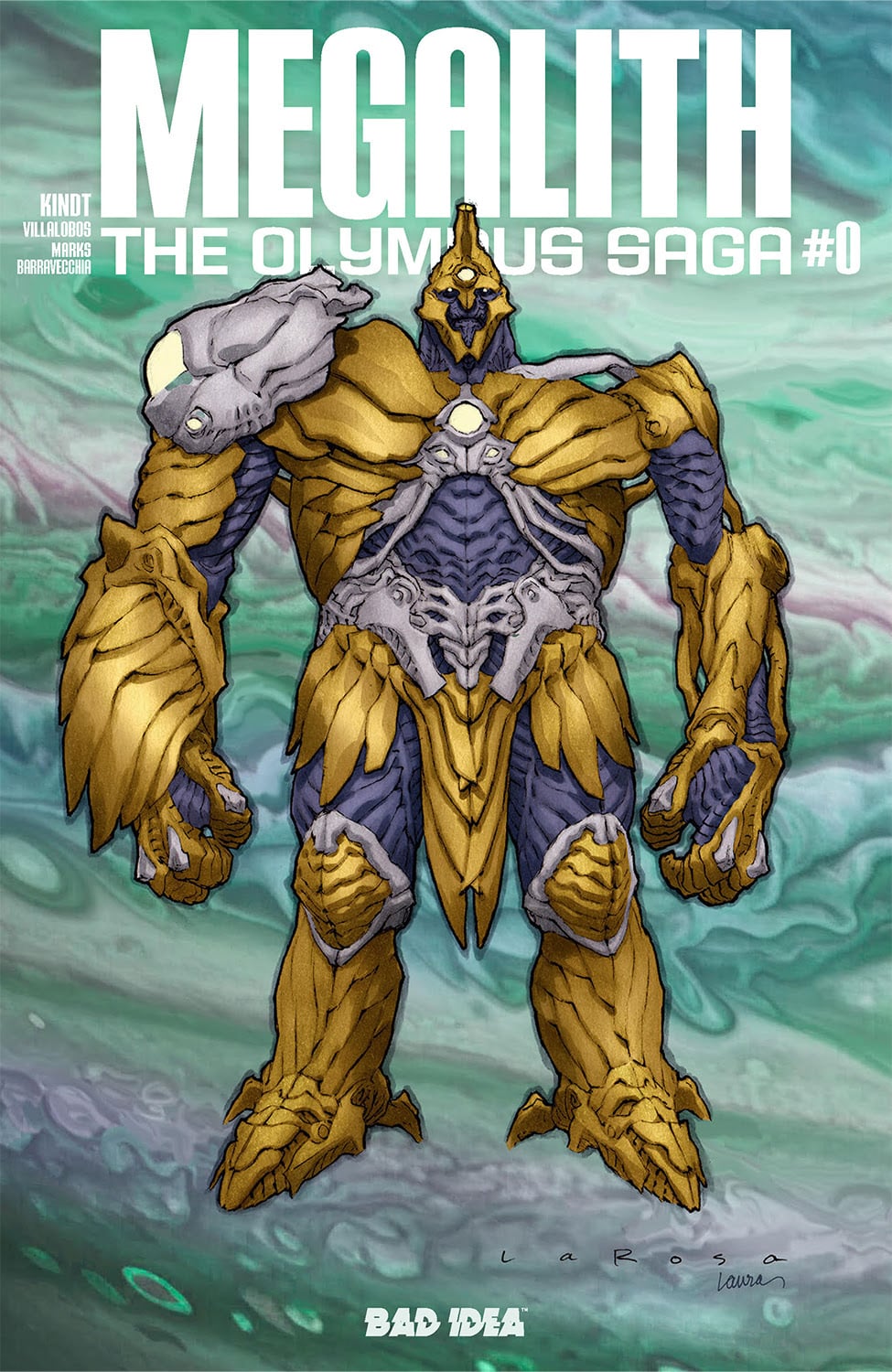
The chronology of The Olympus Saga has always been shrouded in mystery, characterized by nonlinear storytelling and overlapping timelines. By grounding Megalith #0 in three distinct time-spaces—the Amazonian jungle, the urban sprawl of Baltimore, and a distant alien world—Kindt is effectively establishing the three pillars of the saga’s world-building: the environmental threat, the human political cost, and the cosmic existential danger.
By positioning these stories before the events of the main series, Kindt is providing readers with the "missing files." Each story serves to explain why certain characters possess their current knowledge and why the government is so desperate to maintain its grip on the power dynamics within the Olympus project. The chronology here is not just about a timeline of events; it is a timeline of escalation.
Supporting Data: The Artistic Convergence
The visual storytelling in Megalith #0 is perhaps its most compelling attribute. The collaboration between Ramon Villalobos and Jonathan Marks Barravecchia is not merely a pairing of talent, but a strategic alignment of distinct artistic styles.
Villalobos, celebrated for his hyper-dynamic line work and ability to convey the brutal weight of action sequences, is perfectly suited for the visceral, survival-heavy nature of the Area 23 and extraterrestrial segments. His panels often feel kinetic, almost unstable, mirroring the danger of the environments his characters inhabit.
Conversely, Jonathan Marks Barravecchia brings a more grounded, perhaps more textured approach, which is vital for the political and scientific thriller elements of the Baltimore segment. The contrast between these two visual styles serves the narrative goal of the issue: to highlight the jarring, often contradictory nature of a world where one can be fighting for survival in the Amazon while simultaneously navigating the cold, antiseptic boardrooms of the American intelligence apparatus.
Official Responses and Creative Intent
In discussions regarding the creative direction of the project, Matt Kindt has emphasized the importance of stakes. “When you build a world as large as The Olympus Saga, you have to ensure that the reader feels the weight of every secret uncovered,” Kindt noted in recent press materials.
The inclusion of multiple creators is a deliberate attempt to keep the series from feeling stagnant. By utilizing the talents of both Villalobos and Barravecchia, the team can explore different tonal registers. The U.S. military’s desperation in the Amazon is meant to feel like a high-octane thriller, while Smyth’s story in Baltimore is intended to evoke the paranoid intensity of a John le Carré novel. This multi-genre approach is the hallmark of the Olympus brand, aiming to capture readers who enjoy both hard science fiction and geopolitical espionage.

Furthermore, editorial feedback suggests that Megalith #0 is intended to act as a "pressure cooker." By revealing the origin of the fearsome antagonist and hinting at the inevitable target—Earth—the creative team is successfully raising the stakes for the upcoming installments of the series.
Implications: The Future of the Saga
The release of Megalith #0 carries significant weight for the future of the Olympus franchise. First, it effectively validates the "blockbuster" status the creators are aiming for. By creating a prequel that is as intense as the main narrative, they are signaling to the audience that this universe is deep, interconnected, and worth the investment of time.
Second, the reveal of the antagonist’s origin has long-term implications for the series’ thematic focus. If the enemy is extraterrestrial in nature but possesses a deep connection to Earth, the series shifts from a standard "aliens vs. humans" conflict to something far more complex—perhaps an exploration of colonialism, lost history, or the cyclical nature of civilization.
The geopolitical intrigue presented in the Baltimore segment also suggests that the human side of the story will remain just as treacherous as the alien threat. As the U.S. government fights to contain these anomalous events, readers can expect the morality of the human characters to be tested to the breaking point.
Finally, the success of this #0 issue will likely dictate how the publishers approach the expansion of the Olympus universe. If the reception to these origin stories proves that fans are hungry for deeper lore, we may see more "Megalith-style" anthologies that fill in the gaps between the major story arcs.
Conclusion
The Olympus Saga: Megalith #0 stands as a masterclass in modern comic book expansion. By synthesizing the talents of Kindt, Villalobos, and Barravecchia, the issue manages to provide a comprehensive look at the origins of a sprawling, dangerous universe. Whether it is the claustrophobic dread of the Amazon, the political machinations of the U.S. government, or the cold, cosmic horror of an alien landscape, Megalith #0 covers all bases, promising a future that is as unpredictable as it is terrifying.
For readers, the implications are clear: the clock is ticking, the enemy is known, and the battlefield is everything. As we await the further unfolding of The Olympus Saga, Megalith #0 serves as the definitive starting point for anyone looking to understand the forces that will ultimately decide the fate of our world. The mission in Area 23 may be dangerous, and the fight for Baltimore may be desperate, but the ultimate prize—or the ultimate demise—remains firmly focused on the planet we call home.