Layla Zulfa
In a move that has caught much of the hardware industry by surprise, Intel appears to be preparing a third iteration of its venerable Raptor Lake architecture. Despite the company’s focus on its newer architectures, fresh reports and leaks indicate that a project internally referred to as "Raptor Lake Next" is currently in the works. Slated for a launch in the first quarter of 2027, this initiative signals a strategic decision by Intel to breathe new life into the aging, yet highly successful, LGA 1700 platform.
For enthusiasts and budget-conscious builders, this news is both a curiosity and a potential boon. By extending the lifespan of the LGA 1700 socket, Intel is effectively adopting a playbook similar to AMD’s AM4 longevity strategy, offering a pathway for users to upgrade their systems without necessitating a motherboard overhaul.
The Genesis of Raptor Lake Next: A Triple-Refresh Strategy
The history of Raptor Lake is one of the most resilient in modern silicon development. Originally launched as the 13th Generation of Intel Core processors, the architecture proved so efficient and capable that it received a "Refresh" in the form of the 14th Generation. Now, with "Raptor Lake Next," Intel is moving toward a third cycle of this silicon.
According to prominent hardware leaker Jaykihn, Raptor Lake Next is not a departure from the established formula. The upcoming lineup is expected to utilize existing Raptor Lake silicon rather than pivoting to the newer, specialized Bartlett Lake designs—which were previously rumored to be the foundation for an edge-focused, P-core-only series. By sticking to the established hybrid configuration—pairing Raptor Cove Performance-cores (P-cores) with Gracemont Efficient-cores (E-cores)—Intel is choosing to rely on high-yield, proven production lines that have matured significantly since their initial 2022 release.
Chronology of a Platform: From 12th Gen to 2027
To understand the significance of this move, one must look at the timeline of the LGA 1700 socket.
- Q4 2021: Intel introduces the LGA 1700 socket alongside the 12th Generation Alder Lake processors, marking a massive shift in hybrid architecture and support for both DDR4 and DDR5 memory.
- Q4 2022: Raptor Lake (13th Gen) arrives, pushing core counts to new heights and solidifying the LGA 1700 platform as a high-performance staple.
- Q4 2023: Intel releases the Raptor Lake Refresh (14th Gen). While critics noted the incremental performance gains, the platform remained the industry standard for gaming and productivity.
- 2024–2025: Intel navigates stability challenges with the 13th and 14th Gen high-end parts, eventually resolving them through microcode updates and power management refinements.
- Q1 2027 (Projected): The launch of "Raptor Lake Next." Intel effectively pushes the life of a single socket well into its sixth year of consumer relevance.
This roadmap is an anomaly in the fast-paced world of silicon, where sockets are typically retired every two to three years. By choosing to sustain LGA 1700, Intel is clearly signaling that it recognizes the massive install base of users who are not yet ready to transition to the newer, more expensive DDR5-only platforms.
Supporting Data: SKU Breakdown and Technical Specifications
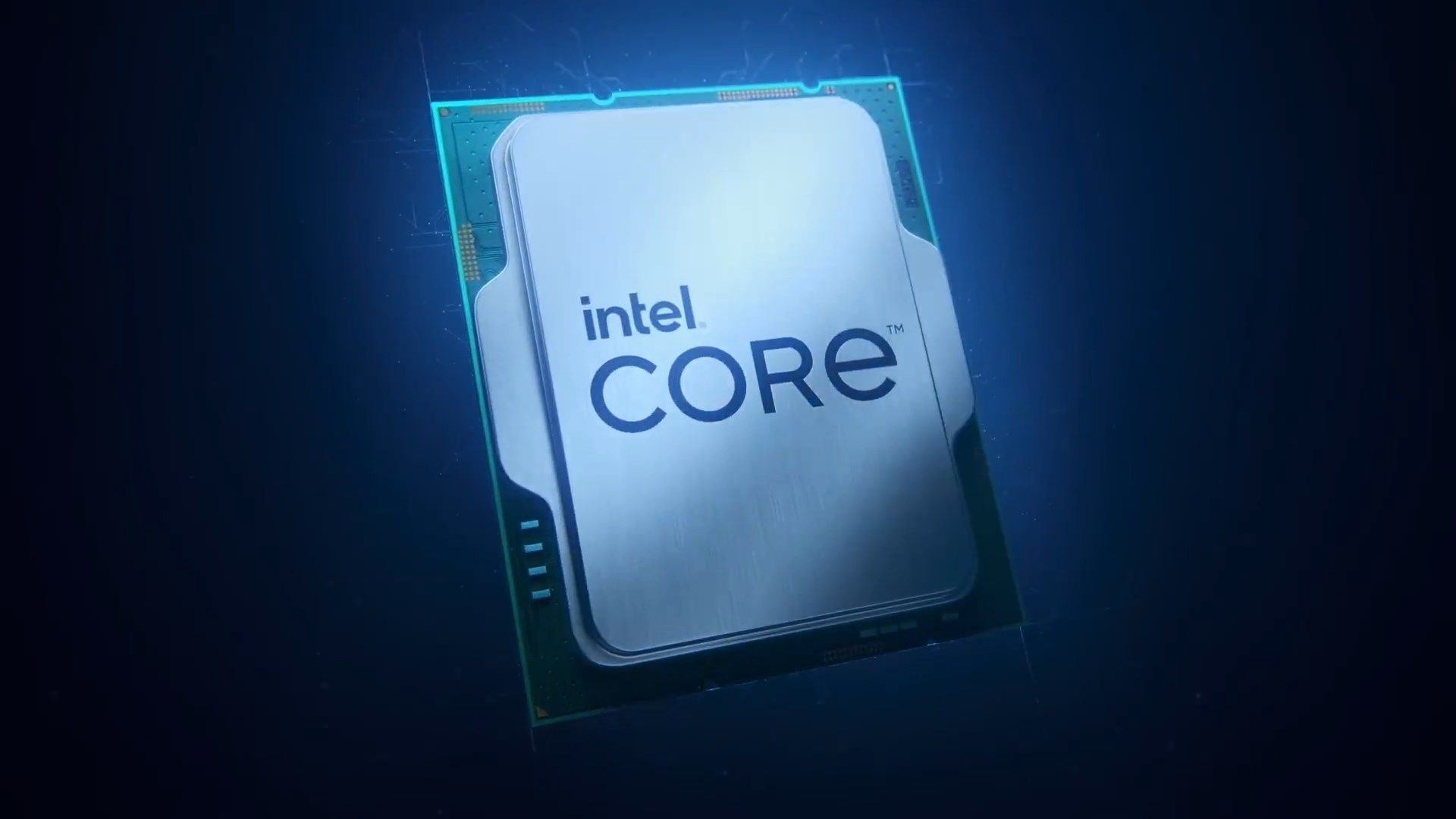
Leaked documentation suggests that Raptor Lake Next will target the Core 3, Core 5, and Core 7 branding segments, deliberately omitting a high-end Core 9 tier. This suggests that Intel is positioning these chips as mid-range and entry-level workhorses rather than halo-tier enthusiast products.
The Proposed Lineup:
- Core 7 (65W): An 8 P-core + 12 E-core configuration (20 cores total). This mirrors the footprint of the highly successful Core i7-14700.
- Core 5 (125W): A 16-core part that appears to be a direct spiritual successor to the 13th Gen Core i7-13700K, rebranded for the new mid-range classification.
- Core 5 (65W): A new configuration featuring 6 P-cores and 4 E-cores, complemented by 24MB of L3 cache. This is a notable shift, as similar configurations in the past were typically limited to 20MB of L3 cache.
- Core 3 (65W): A lean 4 P-core-only design, aimed squarely at the entry-level budget market.
The decision to offer 24MB of L3 cache on the 10-core Core 5 model is particularly interesting. It indicates that Intel is likely harvesting silicon from higher-tier dies that would have otherwise been binned, enabling them to offer "premium" features on lower-tier price points.
Market Implications: The DDR4 Dilemma
One of the most compelling reasons for the existence of Raptor Lake Next is the continued relevance of DDR4 memory. While the industry has been pushing for a total transition to DDR5, the reality for many consumers—especially those in developing markets or on tight budgets—is that the total cost of ownership for a new platform remains prohibitively high.
DDR5 prices, while lower than they were at launch, remain a significant premium over the mature, widely available, and inexpensive DDR4 modules. By keeping the LGA 1700 platform alive, Intel provides a "value-focused" bridge. Consumers who own existing LGA 1700 motherboards can perform a simple BIOS update and drop in a newer, highly optimized chip, rather than spending hundreds of dollars on a new motherboard and RAM.
The Coexistence with Nova Lake
A point of confusion for many analysts is how Raptor Lake Next will interact with Intel’s next-generation architectures, specifically the upcoming "Nova Lake." If Nova Lake is indeed delayed to 2027, as rumors suggest, the two families will inevitably overlap in the retail channel.
This creates a "good, better, best" scenario. Nova Lake will likely represent the cutting edge of Intel’s architecture, utilizing newer nodes and features. Meanwhile, Raptor Lake Next will act as the "Blue Team’s" value-focused, battle-tested solution. For the consumer, the distinction will be in the branding: the expectation is that Intel will differentiate these via the "Core 200" versus "Core 400" (or similar) nomenclature, ensuring that shoppers understand the difference between the legacy-based refresh and the new architecture.
Why Intel is Playing it Safe
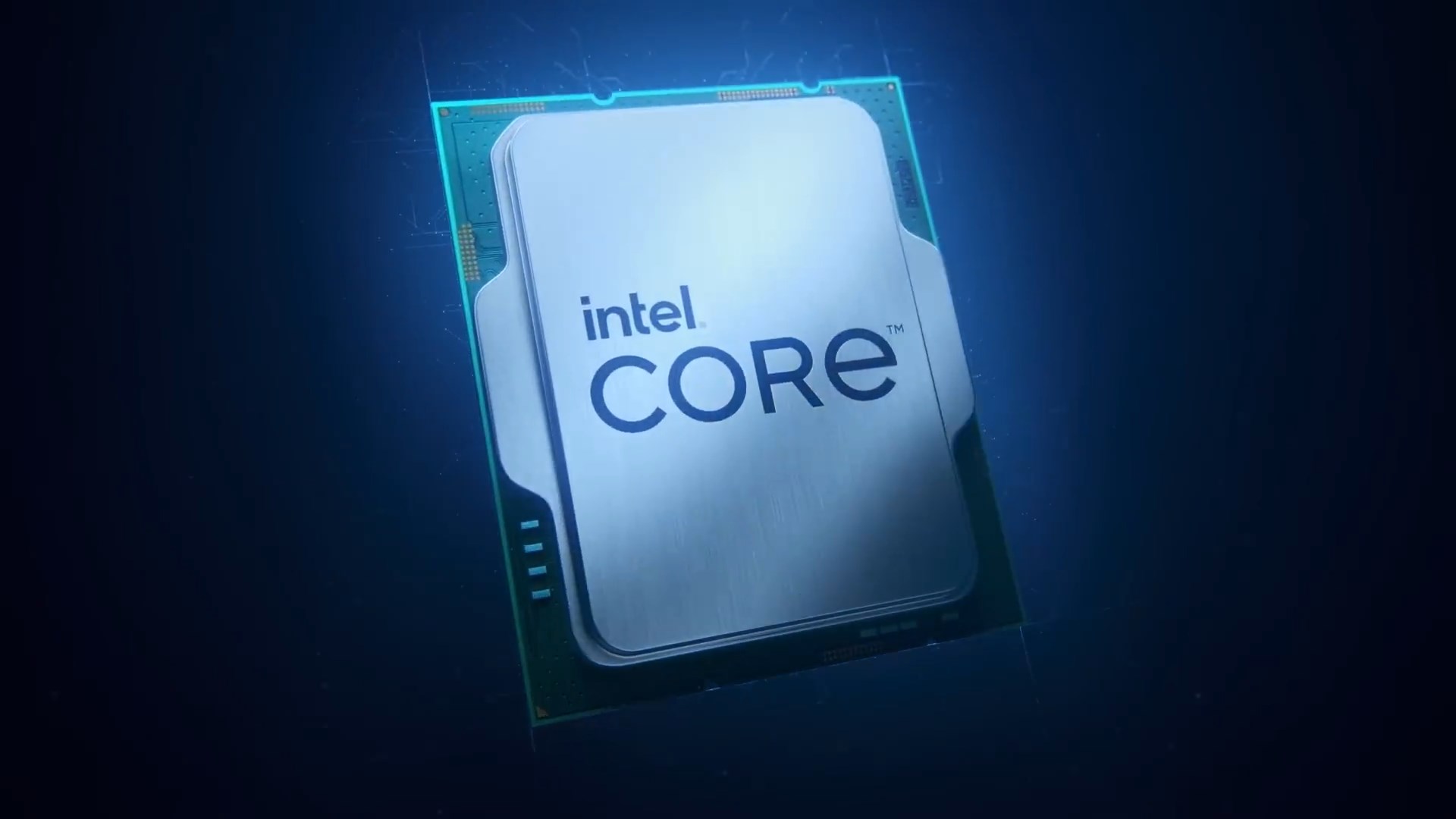
Critics might argue that releasing a third refresh of the same architecture is a sign of stagnation. However, from a business perspective, it is a masterclass in risk mitigation. Intel has spent years refining the manufacturing processes for the Raptor Lake silicon. The yields are excellent, the power delivery profiles are well-understood, and the stability issues that plagued the early 13th and 14th Gen chips have been largely mitigated.
By re-releasing these chips in 2027, Intel is essentially selling "perfected" silicon. They are maximizing the return on investment for their fabrication capacity, utilizing existing supply chains, and providing a stable, reliable option for enterprise and enthusiast customers who prioritize consistency over bleeding-edge performance.
Final Thoughts: A Strategic Bridge
As we look toward 2027, the emergence of Raptor Lake Next serves as a reminder that the PC market is not monolithic. While tech enthusiasts clamor for the latest node shrinks and architecture overhauls, a significant portion of the global market demands reliability, backward compatibility, and cost-effectiveness.
Intel’s decision to keep the LGA 1700 platform on life support is a calculated move to capture the budget-conscious segment, alleviate the financial burden of the DDR5 transition, and maintain market share while they prepare their next-generation architectures. Whether or not this strategy will satisfy the market remains to be seen, but one thing is certain: the Raptor Lake architecture is proving to be one of the most enduring chapters in the history of Intel’s CPU development.
For the average user, the takeaway is clear: the path to an upgrade in 2027 might be easier—and cheaper—than previously anticipated.


 Ammar Sabilarrohman
 Reynand Wu