Lina Irawan
The stage is set for a compelling encounter in the heart of Mexico as Sweden kicks off its 2026 FIFA World Cup campaign against a disciplined and tactically rigid Tunisia. For Sweden, managed by the astute Graham Potter, this match represents a critical opportunity to establish momentum in a tournament that has already provided early shocks. As the global football community turns its eyes to the Estadio Monterrey in Guadalupe, the tension is palpable: can the Swedish attacking flair dismantle one of the most stubborn defensive units in international football?
The Road to Mexico: Sweden’s Redemption Arc
Sweden’s path to the 2026 FIFA World Cup was far from a procession. Their qualification journey was characterized by erratic form and a distinct lack of cohesion that saw them finish at the bottom of their initial group phase. Under intense pressure and facing the prospect of missing out on the world’s grandest stage, the Swedish Football Association opted for a change in leadership, bringing in former Chelsea and Brighton manager Graham Potter to steady the ship.
The impact was transformative. Potter, known for his tactical flexibility and emphasis on high-pressing, possession-based football, oversaw a radical turnaround. In the high-stakes environment of the intercontinental play-offs, Sweden displayed a level of grit rarely associated with their recent iterations. Decisive victories over Ukraine and Poland were not just narrow escapes; they were clinical displays of a team beginning to understand its manager’s philosophy. These wins secured Sweden’s ticket to North America, marking their 13th appearance at the finals.
The narrative surrounding this squad is one of nostalgia and ambition. Their last major success on foreign soil dates back to 1994, when the World Cup was held in the United States, and Sweden secured a historic third-place finish. Returning to the North American continent, the Swedes are eager to replicate that magic. However, the path to the knockout stages is rarely straightforward, and their first hurdle—Tunisia—is a team designed to disrupt the status quo.
Tactical Analysis: The Clash of Philosophies
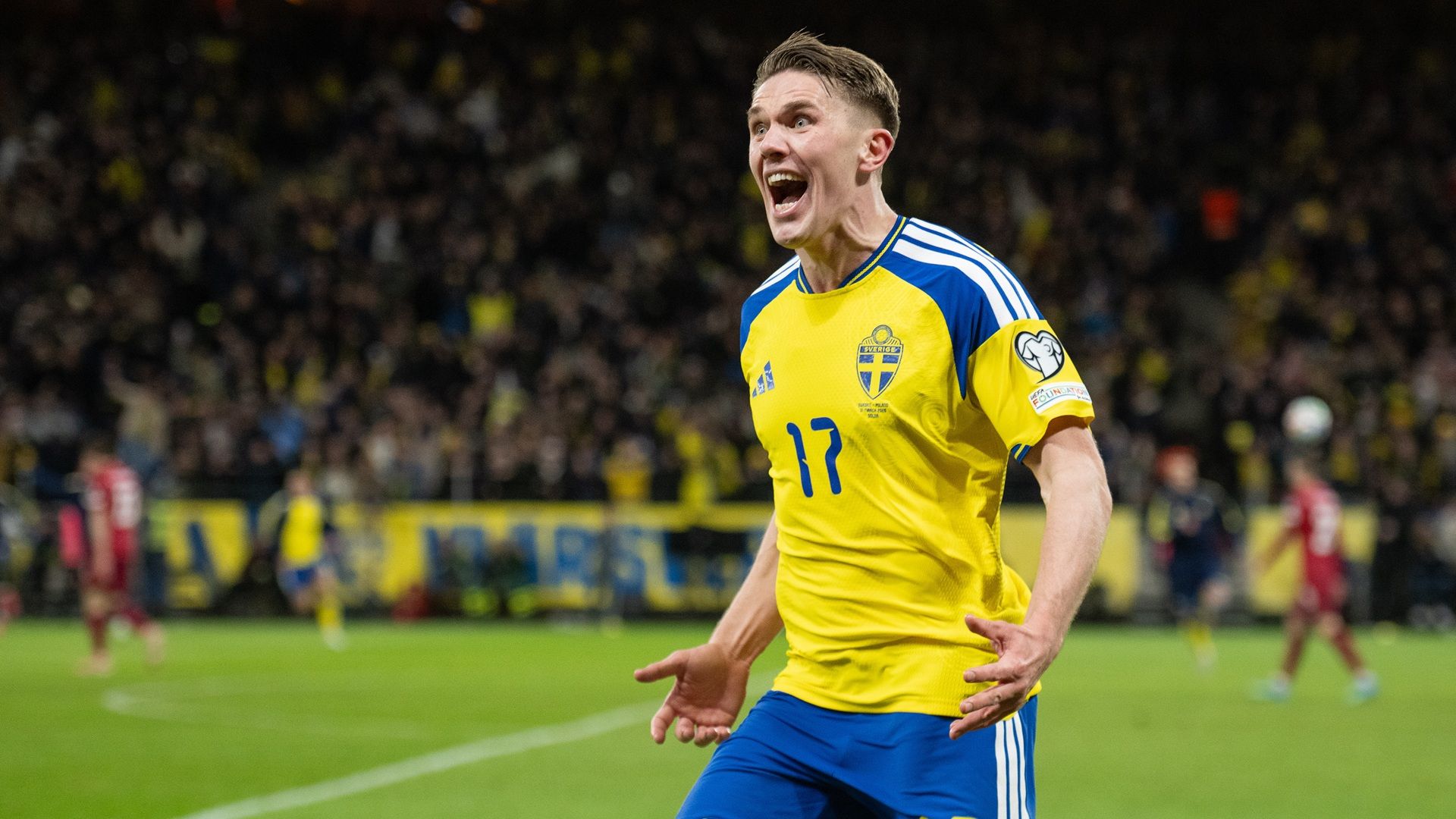
The match at Estadio Monterrey is fundamentally a clash of styles. Graham Potter’s Sweden thrives on verticality and transition, utilizing the immense physical and technical talents of their frontline. The partnership between Alexander Isak and Viktor Gyokeres will be under the microscope. Both strikers offer a unique blend of pace, hold-up play, and clinical finishing, making them a nightmare for traditional defensive setups. Potter will likely instruct his midfield to feed these two early and often, looking to bypass the Tunisian press with quick, decisive passing movements.
In stark contrast, Tunisia arrives in Mexico with a "defensive-first" mandate that yielded remarkable results during their own qualification cycle. The Carthage Eagles did not concede a single goal in their path to the 2026 tournament—a statistic that commands respect. Under the guidance of their coaching staff, Tunisia has mastered the art of the low block. They are comfortable relinquishing possession, happy to soak up pressure for 90 minutes if it means denying the opponent clear-cut scoring opportunities.
When they do find space, Tunisia is lethal on the counter-attack. The creative heartbeat of the side, Hannibal Mejbri, will be the player tasked with transitioning from defense to attack. His ability to thread needles through the Swedish midfield and find teammates in the final third will be critical if Tunisia is to secure a shock victory. For Sweden, the challenge is twofold: they must find a way to break down a wall, while remaining vigilant against the sudden, explosive threat of the Tunisian break.
How to Watch: Global Coverage and Streaming
With the tournament in full swing, accessibility remains a primary concern for fans worldwide. The match is available through a variety of regional broadcasters, though fans traveling abroad may find their local streams geo-blocked.

United States
For viewers in the United States, coverage is anchored by FS1. Fans looking to cut the cord can access the broadcast through major streaming platforms such as YouTube TV, Hulu+Live TV, Fubo, and DirecTV Stream. Additionally, the newer streaming service Fox One offers a direct route for those looking for dedicated tournament coverage without the bulk of traditional cable packages.
United Kingdom
In the U.K., the match will be broadcast on ITV1 and the ITVX streaming platform. As a reminder, viewers must have a valid TV license to access these services, and the platform requires a valid U.K. postcode for registration.
Canada
Canadian football enthusiasts can rely on TSN, which holds the rights for the entire tournament. Their TSN+ packages provide comprehensive access to every game, ensuring that the Sweden vs. Tunisia encounter is available on demand or live.
Australia
Australia’s free-to-air broadcaster, SBS, continues its tradition of bringing the World Cup to the masses. The match can be viewed via SBS On Demand, providing a high-quality, accessible stream for fans across the country.

Overcoming Geo-Restrictions
For fans who find themselves traveling outside their home country during the match, regional licensing agreements can result in locked content. A Virtual Private Network (VPN) is the most efficient solution for this challenge. By connecting to a server in their home country via a reputable service like Norton VPN, fans can bypass geographic restrictions and enjoy their home coverage as if they were sitting in their living room.
The Venue: Estadio Monterrey
The choice of Estadio Monterrey in Guadalupe, Mexico, adds another layer of intrigue to this match. The high-altitude environment and the passionate local atmosphere will undoubtedly influence the pace of play. Both teams are accustomed to the intensity of European football, but the unique conditions in Mexico often favor teams that can manage their energy levels effectively.
Sweden, having spent their preparations in similar environments, will look to control the tempo, while Tunisia will hope the heat and the atmosphere play into their strategy of slowing the game down and frustrating their opponents.
Implications for the Group Stage
The significance of this opening fixture cannot be overstated. In a tournament format where every point is a precious commodity, the loser of this match will face an immediate uphill battle to qualify for the knockout rounds. A victory for Sweden would validate the Potter era and provide a massive psychological boost ahead of their subsequent group games. Conversely, a result for Tunisia would cement their status as the "dark horse" of the group and likely force a major re-evaluation of the group’s hierarchy.

The players are under no illusions regarding the stakes. During recent media briefings, both camps emphasized the necessity of a focused, error-free performance. For Sweden, the mandate is clear: translate possession into goals. For Tunisia, it is about maintaining concentration and executing their defensive scheme with absolute discipline.
Final Preparations and Official Responses
As the final whistle of the previous group games echoes through the stadiums, the focus has shifted entirely to the tactical boards. Graham Potter has spoken highly of his squad’s preparation, noting that while the team respects the defensive record of their opponents, they are focused on their own internal standards. "We have the quality to break anyone down if we move the ball with purpose," Potter noted in a pre-match press conference.
The Tunisian camp remains composed, with their technical staff emphasizing the collective over the individual. They understand that against a side as physically imposing as Sweden, they cannot afford a single lapse in defensive structure. The message from the Tunisian dressing room is one of unity and belief: they are not just looking to participate, but to advance.
As the world prepares for kickoff, one thing is certain: the Sweden vs. Tunisia clash is a tactical chess match that will test the mettle of both teams. Whether it results in a cagey draw or a high-scoring thriller, the match at Estadio Monterrey will undoubtedly serve as a defining moment in the early stages of the 2026 World Cup. Football, at its core, is a game of margins, and on this day in Mexico, those margins will be thinner than ever.

Essential Viewing Details
- Kick-off Time: Check local listings for the specific time in your time zone.
- Venue: Estadio Monterrey, Guadalupe, Mexico.
- Key Players to Watch: Alexander Isak and Viktor Gyokeres (Sweden); Hannibal Mejbri (Tunisia).
- Broadcasters: FS1 (U.S.), ITV1/ITVX (U.K.), TSN (Canada), SBS (Australia).
- Recommendation: Ensure your internet connection is stable and, if traveling, have your VPN ready to ensure uninterrupted access to the broadcast.
The wait is almost over. Whether you are watching from the comfort of your home or on the move, ensure you have your stream ready for what promises to be a riveting start to the tournament for both Sweden and Tunisia. The road to the 2026 World Cup trophy is long, but for these two nations, it starts with three points in Mexico.


 Asro
Asro
 Suro Senen