Nana
Nana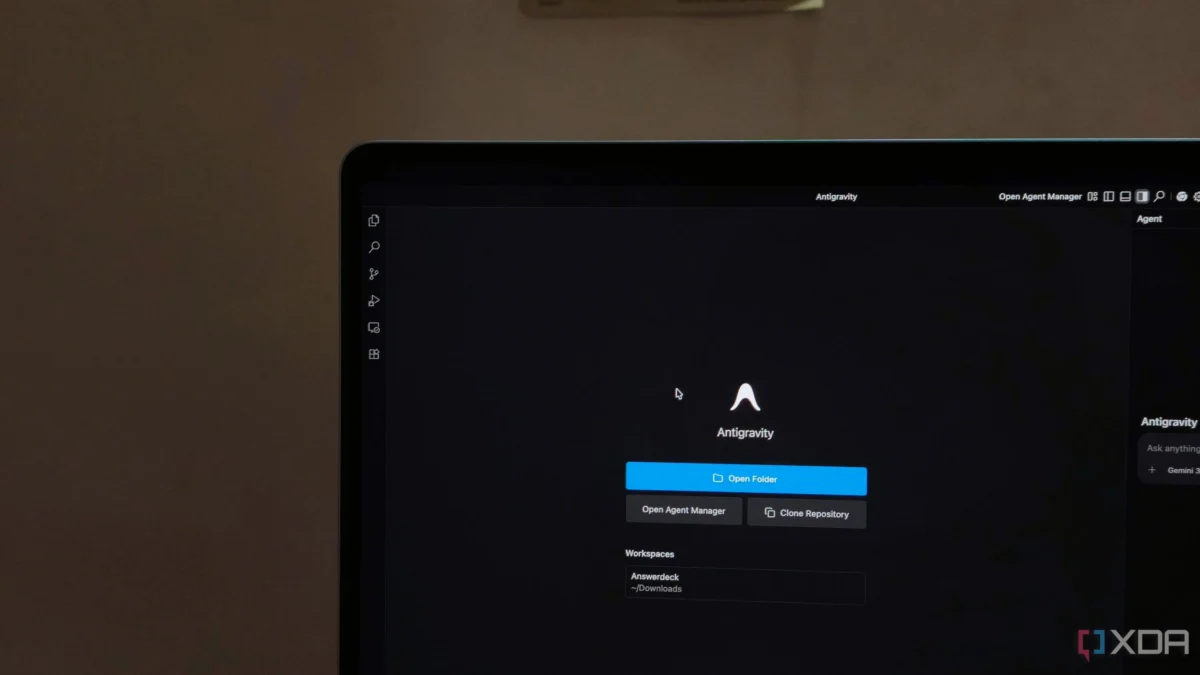
In the rapidly evolving landscape of software development, the traditional paradigm of "man-versus-machine" is dissolving into a collaborative ecosystem of agentic workflows. As we move deeper into 2026, the question is no longer whether AI can write code, but how effectively developers can orchestrate multiple autonomous agents to build enterprise-grade applications.
Recent experiments involving the combined power of Claude Code and Google Antigravity suggest that the standard integrated development environment (IDE)—specifically VS Code—may be reaching the limits of its utility. By offloading planning, execution, and architectural review to specialized agents, developers are seeing productivity gains that were previously unimaginable.
The New Development Paradigm: Main Facts
The shift toward agentic development is defined by the ability of LLMs to interact directly with the file system, execute shell commands, and navigate complex codebases without human hand-holding.
My recent project—a comprehensive resume builder microsite—served as a litmus test for this technology. The goal was not merely to generate boilerplate code but to create a functional, modular tool that could handle dynamic templates, editable sections, and automated PDF exports. By leveraging Claude Code for tactical execution and Google Antigravity for strategic planning, I managed to cut development time by nearly 50% compared to a conventional VS Code workflow.
This isn’t just about speed; it’s about the delegation of cognitive load. While I provided the creative direction and high-level requirements, the agents handled the architectural scaffolding, dependency management, and iterative refactoring. The result is a proof-of-concept that suggests we are moving toward a future where the developer functions more like a "software architect" than a "code writer."
A Chronology of the Build
To understand the efficacy of this dual-agent approach, it is helpful to look at the chronological execution of the project:
Phase 1: Strategic Planning (The Antigravity Phase)
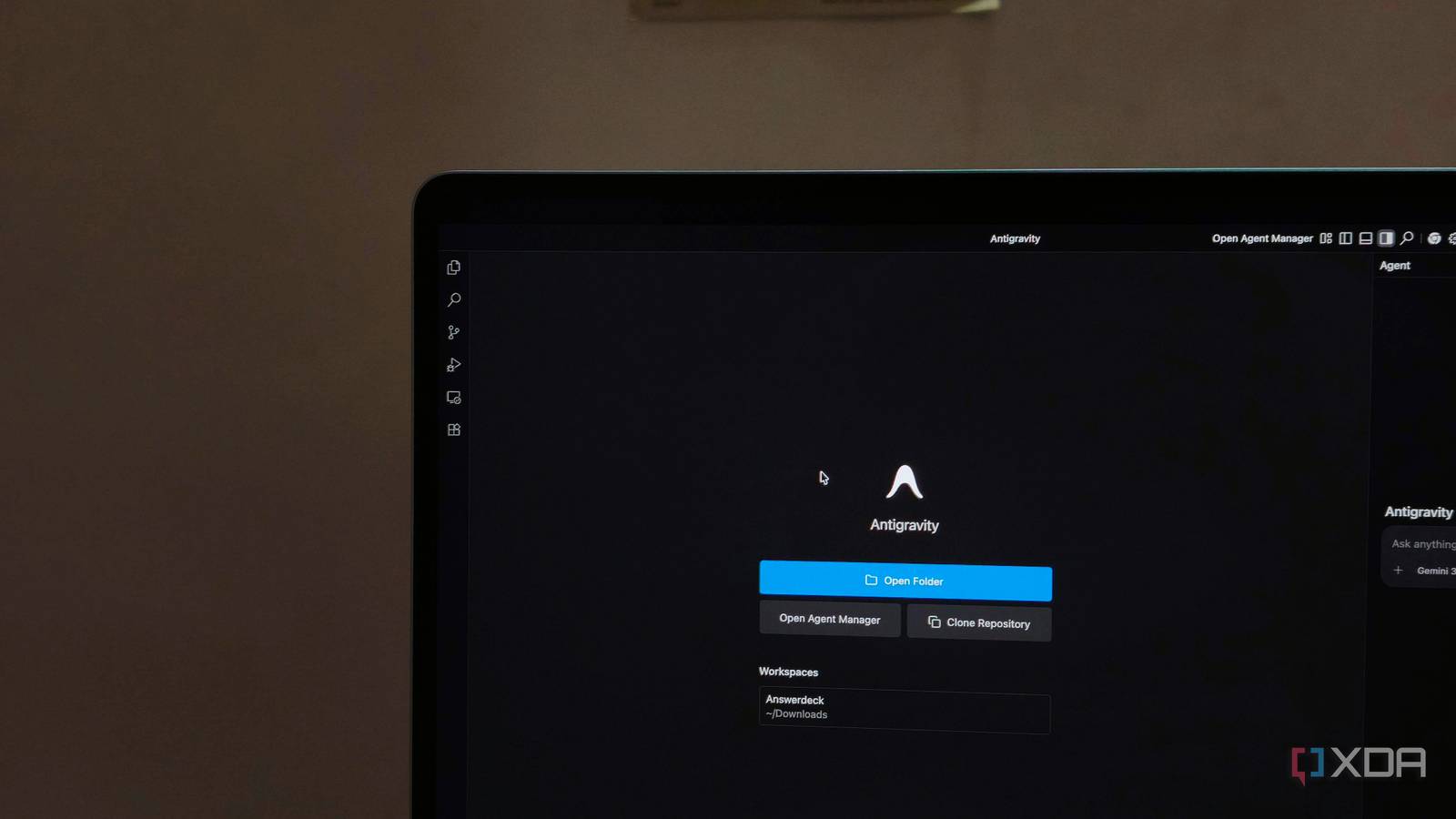
Before a single line of code was written, Google Antigravity was tasked with project architecture. I provided a brief prompt outlining the functional requirements of the resume builder. Antigravity responded by breaking the project into discrete milestones:
- Architecture Setup: Defining the file structure and tech stack.
- Database Schema: Normalizing user data and template metadata.
- Core Logic: Implementing the PDF export engine.
- UI/UX Mapping: Defining editable sections for the frontend.
Phase 2: Tactical Execution (The Claude Code Phase)
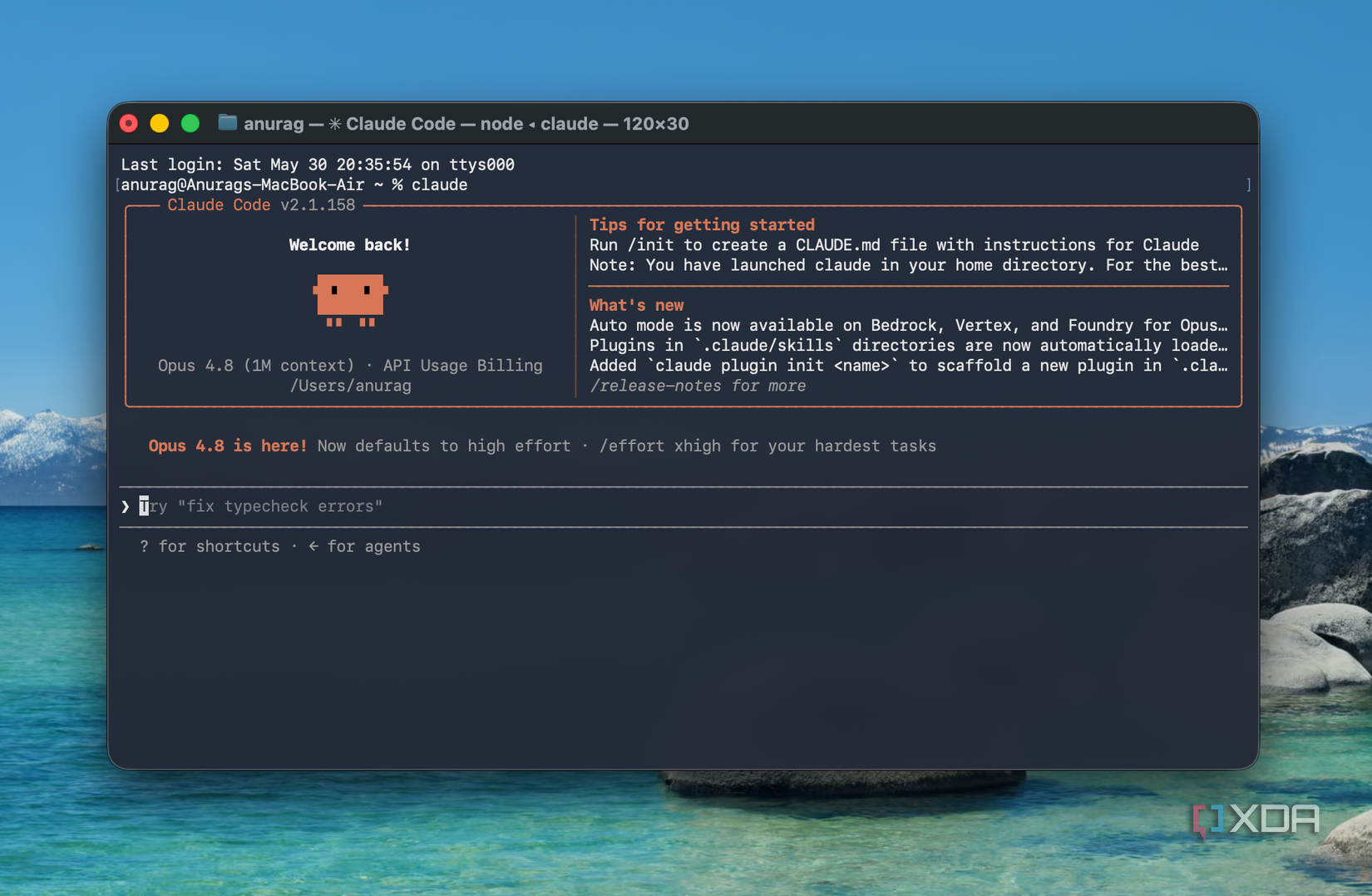
With the roadmap established, I pivoted to Claude Code. Unlike traditional AI assistants that exist as sidebars, Claude Code operates directly within the terminal, manipulating the repository. I fed the milestones from Antigravity directly into Claude Code. By working on a "task-per-session" basis, the agent could focus on building the template system without the distraction of unrelated files.

Phase 3: Recursive Refinement
The final phase involved a feedback loop. Once Claude Code delivered a module, I presented the output to Antigravity. It acted as an autonomous "code reviewer," identifying potential edge cases in the PDF generation and usability bottlenecks in the template editor. These critiques were then fed back into Claude Code for immediate implementation.
Supporting Data and Comparative Analysis
The performance gap between this agentic approach and traditional IDE workflows is stark. In a standard VS Code environment, the developer is forced to context-switch constantly: manually navigating file trees, managing terminal instances, and fixing linting errors one by one.
Efficiency Metrics
| Workflow Method | Task Context Switching | Execution Speed | Error Correction |
|---|---|---|---|
| VS Code (Manual) | High | Baseline | Manual/Plugin-based |
| Claude Code + Antigravity | Minimal | ~2x Faster | Agentic/Automated |
The ability of Claude Code to search across an entire repository to update a single variable or function signature across dozens of files—without the developer ever opening those files—is a game-changer. It eliminates the "clutter" of modern development, allowing the developer to maintain a high-level view of the product’s evolution.
Official Perspectives and Industry Implications
While Microsoft continues to push Copilot-integrated workflows for VS Code, there is a growing consensus among developers that "stitching together" plugins is no longer sufficient.
The "Baggage" of Legacy IDEs
VS Code, despite its massive ecosystem, carries the weight of being a general-purpose product. Its reliance on the Microsoft-proprietary build of the Code OSS repository—and the associated telemetry—has alienated developers who prioritize privacy and performance.
Furthermore, VS Code’s UI-heavy architecture creates friction. It is designed to be a window into your code; however, modern agentic tools like Antigravity, Zed, and Claude Code are designed to be the code-wranglers. They treat the terminal as the primary interface, which aligns more naturally with the reality of how AI interacts with a file system.
Cost-Efficiency in Multi-Agent Systems
One of the most compelling aspects of using multiple agents is the optimization of API costs. By routing complex architectural decisions through a "reasoning" agent like Antigravity and assigning rote coding tasks to a more cost-effective model via Claude Code, I significantly reduced the "per-feature" cost of the project. This vertical integration of AI agents allows for a tiered model of development that simply isn’t possible with a one-size-fits-all subscription.
The Future of the Software Engineer
The implications of this shift are profound. If agents can handle the "heavy lifting" of syntax and structure, the value proposition of the human developer shifts entirely to:
- System Design: Designing robust, scalable architectures that account for edge cases.
- Review and Governance: Acting as the final arbiter for quality control and security.
- Complex Problem Solving: Addressing the "un-automatable" business logic that requires domain-specific nuance.
We are witnessing the end of the "syntax-focused" developer. The future belongs to those who can master the art of prompt orchestration and agent management.
Conclusion: Why You Should Pivot
If you are still relying solely on VS Code and manual coding, you are likely working at half your potential capacity. The combination of Claude Code and Google Antigravity is not merely a "productivity hack"; it is a glimpse into a world where the barrier to entry for building complex, enterprise-ready software is lower than ever before.
As we move forward, the most successful developers will be those who embrace the "agentic stack," treating AI not as a tool to assist, but as a workforce to manage. The terminal is no longer just a place to run commands; it is the command center for your next big project. It is time to let the agents do the heavy lifting, while you focus on the vision.


 Layla Zulfa
 Nana Wu