Layla Zulfa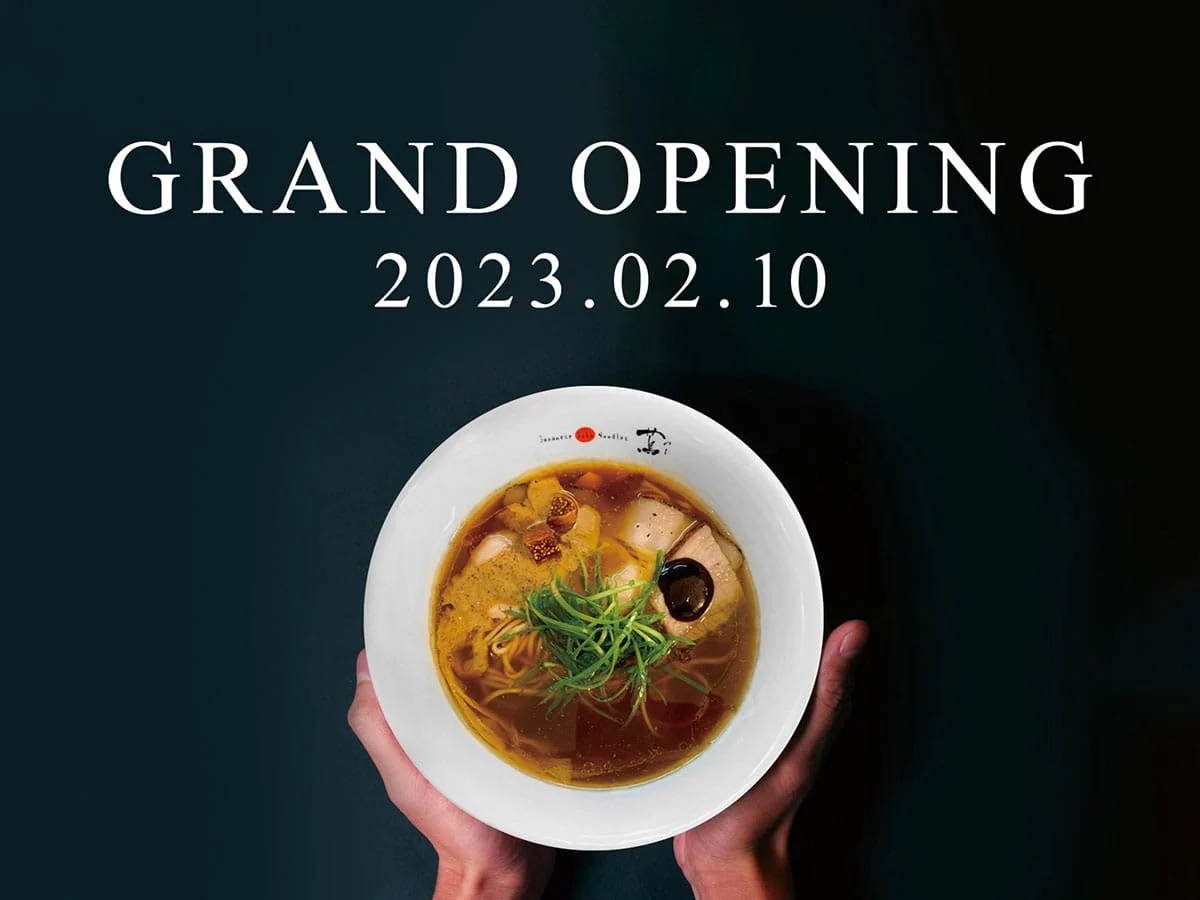
A Landmark Rebirth in the Heart of Shibuya
For the global culinary community, the name Japanese Soba Noodles Tsuta carries a weight that few other ramen shops can claim. In the world of gastronomy, where Michelin stars are traditionally reserved for white-tablecloth French or Japanese kaiseki establishments, Tsuta shattered the glass ceiling in 2016. It became the first ramen restaurant in history to be awarded a prestigious Michelin star, effectively elevating a humble street food into the realm of fine dining.
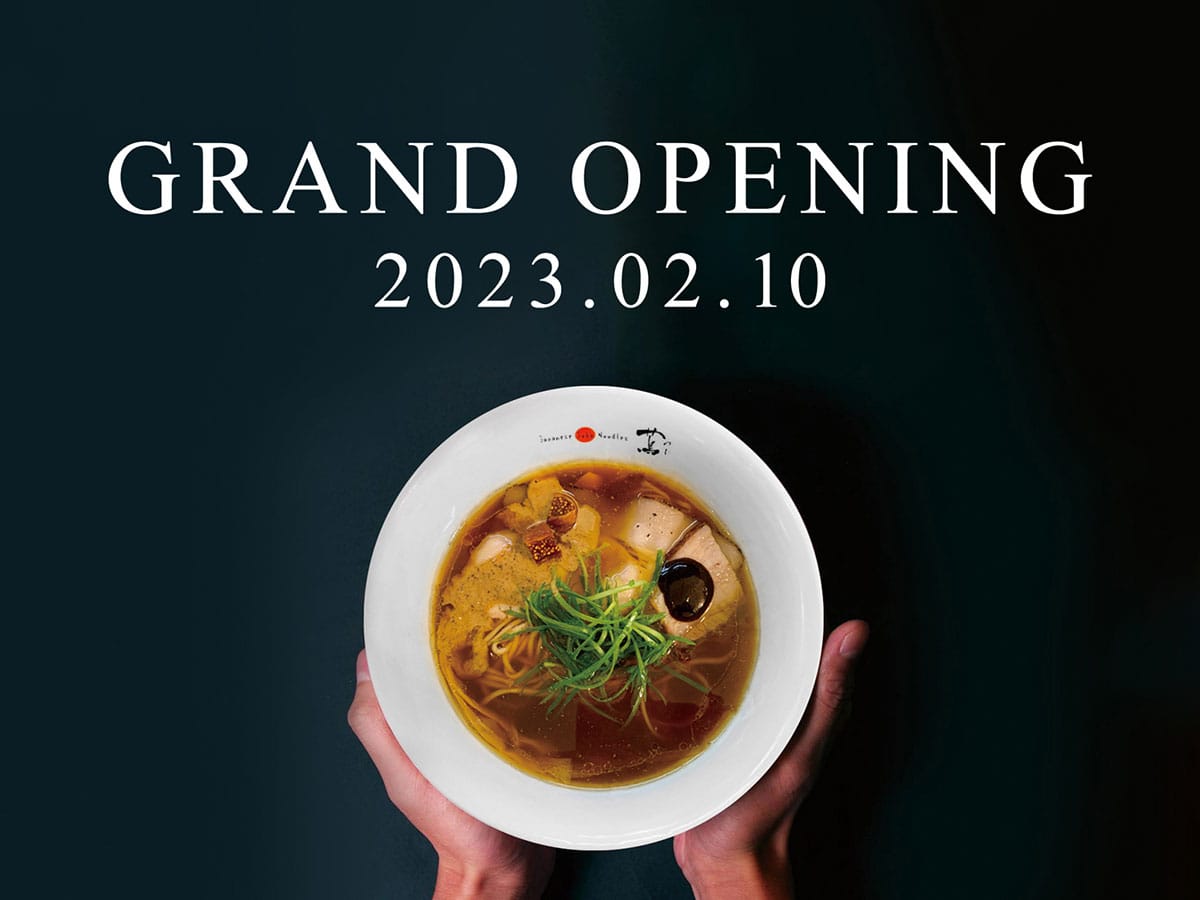
After a sudden, enigmatic closure in September 2022 that left the city’s foodies in a state of suspended animation, the institution is officially back. On February 10, 2023, Tsuta reopened its doors in the sophisticated Yoyogi-Uehara neighborhood of Tokyo’s Shibuya Ward. Managed by Tsutanote, Inc., this relaunch is more than a mere reopening; it is a declaration of intent to continue pushing the boundaries of what a bowl of noodles can be.
Chronology: A Decade of Culinary Innovation
The Foundations (2012–2015)
Founded on January 26, 2012, in the Sugamo district of Tokyo, Tsuta was born from the vision of Chef Yuki Onishi. From its inception, the shop sought to differentiate itself from the standard, grease-heavy ramen tropes of the era. Onishi’s philosophy was built on the concept of "Japanese Soba Noodles"—a nomenclature chosen intentionally to elevate ramen to the status of traditional, time-honored dishes like soba and udon. While ramen has a relatively short history in Japan—roughly 100 years—Onishi viewed it as a blank canvas capable of complex, artisanal expression.
The Michelin Breakthrough (2016–2021)
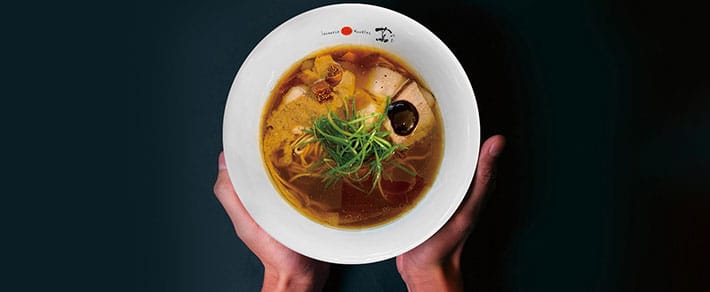
The year 2016 served as a watershed moment. When the Michelin Guide Tokyo awarded Tsuta a star, it signaled a shift in global dining trends. Critics praised the restaurant’s signature shoyu (soy sauce) ramen, characterized by its truffle-infused broth and meticulous balance of dashi. For five years, the shop was a global pilgrimage site, drawing massive queues that snaked through the streets of Sugamo.
The Transition (2022–2023)
In September 2022, the restaurant announced its temporary closure. The reasons cited were vague, categorized broadly as "various reasons." This period of silence sparked widespread speculation regarding the brand’s future. However, the hiatus served as a strategic reset. By relocating to Yoyogi-Uehara, Tsuta signaled a transition from a tourist-heavy Sugamo storefront to a more refined, neighborhood-integrated setting, ready to embrace a new chapter in its storied history.
Supporting Data: The Anatomy of a Michelin Bowl
The Philosophy of UMAMI
At the heart of the new Tsuta menu is a continued obsession with umami. The kitchen operates on the belief that a dish is only as good as its individual components. The culinary team has spent the closure period refining a fusion approach that blends traditional Japanese culinary heritage with global ingredients. This is not merely "fusion" in the superficial sense; it is a methodical integration of flavors—incorporating elements like black truffle, porcini, and aged soy sauces—to build a multi-layered profile that evolves as the diner works through the bowl.

A Commitment to Chemical-Free Integrity
Perhaps the most significant pillar of the Tsuta brand is its rigid, uncompromising stance on ingredient purity. In an industry where synthetic flavor enhancers and MSG are commonplace, Tsuta distinguishes itself through an "all-natural" mandate. The restaurant maintains direct, collaborative relationships with artisanal producers across Japan. By sourcing high-quality, chemical-free ingredients, the kitchen ensures that the flavor of the broth is derived entirely from the natural essence of chicken, seafood, and vegetables.
For the discerning diner, this creates a clean, sophisticated palate that avoids the heavy, post-meal fatigue often associated with mass-produced ramen. It is a philosophy that prioritizes the long-term health of the customer alongside the immediate gratification of the taste buds.
Official Responses and Strategic Vision
Following the reopening, Tsutanote, Inc. released a series of statements emphasizing that while the location has changed, the "DNA" of the shop remains intact. A spokesperson for the restaurant noted that the new space was designed to foster a more intimate connection between the chef and the guest.
"The focus on creativity and the belief in the unlimited possibilities of ramen remains our guiding star," the statement read. By moving to Yoyogi-Uehara, the restaurant is positioning itself to be less of a transient destination and more of a cornerstone for the local community, while continuing to welcome the international clientele that has sustained the brand for over a decade.
Implications: The Future of High-End Ramen
Elevating the "Noodle Experience"
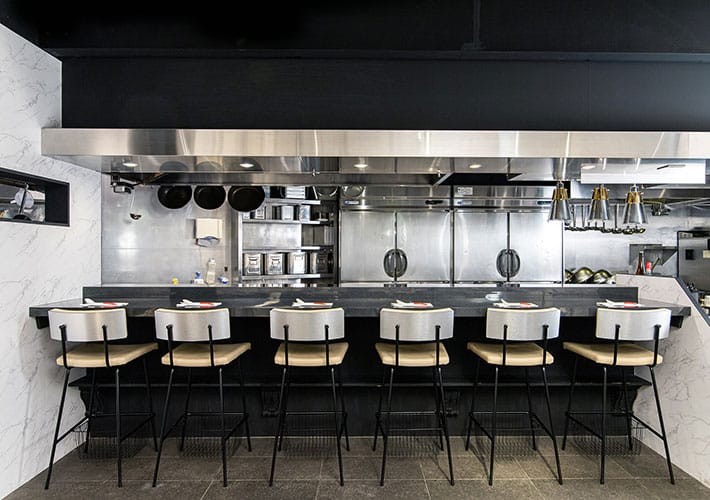
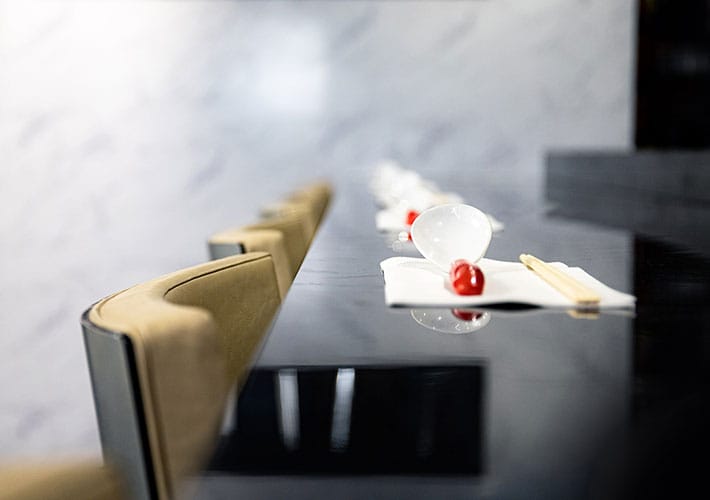
The reopening of Tsuta serves as a barometer for the current state of Tokyo’s dining scene. It highlights a trend where chefs are increasingly viewing ramen not as a quick, cheap meal, but as a deliberate, thoughtful dining experience. The unconventional space design at the new location—which prioritizes acoustics, lighting, and an open-kitchen layout—reflects the evolution of the restaurant as a performance space.
The Resilience of the Brand
The ability of a single shop to command such intense public interest after a closure speaks volumes about the brand equity Tsuta has cultivated. By maintaining a Michelin-starred standard, Tsuta has effectively insulated itself from the volatility of the food market. Its success suggests that consumers are increasingly willing to pay a premium for transparency, quality, and a story.
Challenges and Opportunities
However, the path forward is not without challenges. Maintaining a Michelin star is notoriously difficult, as it requires consistency across every single service. With a new location, new staff, and an evolving menu, the pressure to replicate the success of the Sugamo days is immense. Yet, the leadership at Tsuta seems to view these challenges as opportunities for innovation. The decision to integrate global culinary influences ensures that the menu remains dynamic rather than static.
Conclusion: A New Era for Japanese Soba Noodles
As the culinary world looks toward Tokyo in 2023, the resurgence of Japanese Soba Noodles Tsuta stands as a testament to the enduring appeal of the craft. By balancing the traditional with the avant-garde, and the local with the global, Tsuta is not just selling ramen; it is selling a piece of modern Japanese culinary history.
For those planning to visit, the experience is expected to be more than just a meal. It is an immersion into a philosophy that treats every grain of wheat and every drop of broth with reverence. As the steam rises from the bowls in the new Yoyogi-Uehara kitchen, it is clear that Tsuta’s story is far from over—it is simply entering its most refined chapter yet.
Quick Information for Visitors
- Establishment: Japanese Soba Noodles Tsuta
- Reopening Date: February 10, 2023
- Location: Yoyogi-Uehara, Shibuya Ward, Tokyo
- Cuisine Focus: High-end, chemical-free ramen; fusion of Japanese Umami and global ingredients.
- History: The first ramen shop in the world to earn a Michelin star (2016).
- Philosophy: Creating a unique, unconventional dining space that elevates the status of noodle culture globally.
Note: For the most up-to-date information regarding operating hours, reservation requirements, and seasonal menu changes, diners are encouraged to consult the official Tsuta website and social media channels, as policies may shift to accommodate high demand.


 Neng Nana
 Asro
Asro